
Medical Disclaimer: This content is for educational purposes only. It is not medical advice. Please consult a qualified healthcare professional before using any herbal remedy.
Safety Overview
1.Babuna — At a Glance

Matricaria recutita, universally known as German Chamomile or Babuna, is a highly valued annual herbaceous plant belonging to the Asteraceae family. It is revered for its delicate aesthetic and profound therapeutic qualities. Its historical significance spans millennia, with evidence suggesting its widespread use by ancient Egyptian, Greek, and Roman civilizations for a diverse range of health conditions.
The genus name 'Matricaria' is derived from the Latin word 'matrix,' meaning 'womb,' reflecting its traditional application in addressing various gynecological concerns. The species epithet 'recutita' accurately describes its distinctive conical, hollow receptacle, which is a key botanical identifier.
Morphologically, Babuna typically exhibits an erect, profusely branched stem that can reach heights of 10 to 80 centimeters. Its leaves are slender and elongated, intricately bi- to tripinnate, presenting a finely dissected, feathery appearance. The characteristic daisy-like flower heads, or capitula, are borne singularly on delicate peduncles, measuring between 10 to 30 millimeters in diameter.
Each capitulum is heterogamous, featuring numerous golden-yellow tubular florets with five teeth, approximately 1.5 to 2.5 millimeters long, encircled by 11 to 27 pristine white ray florets, each about 6 to 11 millimeters long and 3.5 millimeters wide, arranged concentrically. A crucial distinguishing feature is its receptacle, which initially appears flat but develops into a prominent conical, hollow structure, entirely devoid of paleae – a characteristic vital for differentiating it from closely related genera such as Anthemis. The fruit produced is a yellowish-brown achene.
While primarily indigenous to Southern and Eastern Europe and parts of Asia, Babuna has been successfully naturalized and extensively cultivated across the globe, including North Africa, North and South America, Australia, and New Zealand, driven by its high demand in the pharmaceutical, cosmetic, and traditional medicine industries. Countries like Germany and Hungary are significant producers.
Trusted Scientific References
Authoritative external sources for Matricaria recutita:
1.1.Babuna — Highlights
- ✓Botanical Name — Matricaria recutita, also known as Chamomilla recutita.
- ✓Common Names — German Chamomile, Wild Chamomile, Scented Mayweed, Babuna.
- ✓Plant Type — Annual herbaceous plant from the Asteraceae family.
- ✓Key Compounds — Rich in essential oils (chamazulene, bisabolol) and flavonoids (apigenin).
- ✓Therapeutic Actions — Anti-inflammatory, antispasmodic, anxiolytic, sedative, carminative, antiseptic.
- ✓Traditional Uses — Digestive aid, sleep promoter, anxiety reducer, menstrual pain relief, skin healing.
- ✓Morphological Markers — Conical, hollow receptacle without paleae, finely dissected leaves.
- ✓Global Distribution — Native to Europe and Asia, widely cultivated worldwide.
- ✓Primary Plant Part Used — Flowers (capitula) are the main medicinal part.
- ✓Safety Considerations — Potential for allergic reactions, especially in Asteraceae-sensitive individuals.
1.2.Babuna — Snapshot Summary
- ✓German Chamomile (Matricaria recutita) is a renowned medicinal herb.
- ✓Valued for its anti-inflammatory, anxiolytic, and digestive properties.
- ✓Key active compounds include chamazulene, bisabolol, and apigenin.
- ✓Traditionally used for anxiety, insomnia, digestive upset, and skin conditions.
- ✓Available as teas, tinctures, essential oils, and topical preparations.
- ✓Exercise caution for allergies and potential drug interactions.
2.Babuna — Scientific Identity
3.Babuna — Categories & Tags
4.Babuna — Botanical Description
5.Babuna — Heritage Uses
6.Babuna — Key Phytochemicals
- ✓Essential Oils — Primarily composed of chamazulene (formed from matricin during distillation), alpha-bisabolol, and bisabolol oxides, which are responsible for its potent anti-inflammatory, antiseptic, and antispasmodic effects.
- ✓Flavonoids — Key compounds include apigenin, luteolin, and quercetin, known for their anxiolytic, sedative, antioxidant, and anti-inflammatory activities, with apigenin being a major contributor to its calming properties.
- ✓Coumarins — Such as herniarin and umbelliferone, which contribute to its antispasmodic and anti-inflammatory actions.
- ✓Sesquiterpene Lactones — While present, these can sometimes be associated with allergic reactions in sensitive individuals.
- ✓Polysaccharides — Contribute to its immunomodulatory and anti-inflammatory effects.
- ✓Phenolic Acids — Including caffeic acid and chlorogenic acid, offering antioxidant benefits.
- ✓Mucilages — Provide soothing properties, particularly for mucous membranes in the digestive and respiratory tracts.
- ✓Amino Acids — Various amino acids are present, contributing to the overall nutritional profile and secondary metabolic pathways of the plant.
7.Babuna — Evidence-Based Benefits
- ✓Anti-inflammatory Action — Babuna contains chamazulene and alpha-bisabolol, which are potent anti-inflammatory compounds that help reduce swelling and redness in various tissues.
- ✓Digestive Aid — Its carminative properties alleviate flatulence, colic, and indigestion by relaxing gastrointestinal muscles and expelling gas.
- ✓Anxiolytic and Sedative Effects — Apigenin, a flavonoid in German Chamomile, binds to benzodiazepine receptors in the brain, promoting relaxation, reducing anxiety, and improving sleep quality.
- ✓Antispasmodic Properties — The essential oil components, particularly bisabolol, help relieve muscle spasms, making it effective for menstrual cramps, irritable bowel syndrome, and muscle tension.
- ✓Wound Healing and Skin Health — Topical application of Babuna extracts accelerates wound closure, reduces inflammation in skin eruptions, and soothes conditions like eczema and shingles due to its antiseptic and regenerative properties.
- ✓Antimicrobial Activity — Chamomile exhibits antiseptic qualities against various bacteria and fungi, contributing to its use in treating minor infections and promoting hygiene.
- ✓Mild Sudorific (Diaphoretic) — It can induce mild sweating, which supports detoxification and can be beneficial during colds and fevers.
- ✓Pain Relief — Babuna is traditionally used to alleviate discomfort associated with inflammation, digestive issues, and menstrual pain due to its analgesic and antispasmodic actions.
- ✓Oral Health Support — Used as a mouthwash, its anti-inflammatory and antiseptic properties help soothe gum inflammation and minor oral lesions.
- ✓Eye Comfort — Dilute infusions can be used externally to reduce inflammation and irritation in the eyes, such as in cases of conjunctivitis, though caution is advised due to potential allergic reactions from pollen.
7.1.Babuna — Health Applications
8.Babuna — Cautions & Contraindications
8.1.Babuna — Side Effects & Warnings
- ✓Allergic Reactions — Individuals sensitive to the Asteraceae family (e.g., ragweed, marigolds, chrysanthemums) may experience allergic reactions, including skin rashes, hives, or anaphylaxis.
- ✓Contact Dermatitis — Topical application can cause allergic contact dermatitis in susceptible individuals, especially those with pre-existing skin conditions.
- ✓Eye Irritation — Direct application of strong infusions to the eyes, particularly those containing pollen, can lead to allergic conjunctivitis.
- ✓Uterine Contractions — High doses may theoretically stimulate uterine contractions, hence caution is advised during pregnancy.
- ✓Drug Interactions — May interact with anticoagulant medications (blood thinners) due to its coumarin content, potentially increasing bleeding risk.
- ✓Drowsiness — As a sedative, it can cause drowsiness, especially when combined with other sedatives or alcohol, impairing ability to drive or operate machinery.
- ✓Nausea/Vomiting — Very high doses or strong concentrations, particularly orally, can occasionally lead to nausea or vomiting.
8.2.Babuna — Safety Profile
- ✓Pregnancy and Lactation — Use with caution and consult a healthcare professional due to potential for uterine stimulation; limited safety data for breastfeeding.
- ✓Allergies — Avoid if allergic to plants in the Asteraceae family (e.g., ragweed, marigolds, daisies) due to cross-reactivity.
- ✓Anticoagulant Medications — Exercise caution if taking blood thinners (e.g., warfarin) as Babuna may enhance their effects, increasing bleeding risk.
- ✓Sedative Medications — May potentiate the effects of sedatives, anxiolytics, or alcohol, leading to excessive drowsiness.
- ✓Surgery — Discontinue use at least two weeks before scheduled surgery due to potential antiplatelet effects.
- ✓Children — Generally considered safe in appropriate doses for children, especially as a mild sedative or digestive aid, but always consult a pediatrician.
- ✓Topical Use — Perform a patch test before widespread topical application to check for skin sensitivity or allergic reactions.
9.Babuna — Preparations & Uses
- ✓Herbal Tea (Infusion) — Steep 1-2 teaspoons of dried Babuna flowers in a cup of hot water for 5-10 minutes. Strain and drink for digestive relief, relaxation, or to aid sleep.
- ✓Tincture — Prepare by macerating dried flowers in a solution of alcohol and water for several weeks, then straining. Dosage is typically 1-2 ml, 2-3 times daily, diluted in water.
- ✓Essential Oil — Dilute German Chamomile essential oil in a carrier oil (e.g., jojoba, almond) for topical application to soothe skin irritations, muscle aches, or for massage to promote relaxation.
- ✓Poultice/Compress — Create a warm compress by steeping dried flowers in hot water, then applying the strained, warm plant material directly to affected skin areas, or soaking a cloth in the infusion.
- ✓Sitz Bath — Add a strong Babuna infusion to bathwater for a sitz bath to alleviate discomfort from hemorrhoids or perineal irritation.
- ✓Mouthwash/Gargle — Use a cooled Babuna tea as a mouthwash or gargle to soothe inflamed gums, mouth sores, or sore throats due to its anti-inflammatory and antiseptic properties.
- ✓Inhalation (Steam) — Add a few drops of essential oil or a strong infusion to a bowl of hot water and inhale the steam to relieve respiratory congestion or sinus discomfort.
- ✓Topical Cream/Ointment — Incorporate Babuna extracts into creams or ointments for localized application to treat skin conditions like eczema, minor burns, or insect bites.
10.Babuna — Garden Cultivation
- ✓Soil Preparation — Babuna thrives in well-drained, moderately fertile soil with a pH between 6.0 and 7.5. Improve heavy soils with organic matter.
- ✓Sowing Seeds — Sow tiny seeds directly outdoors in early spring after the last frost or indoors 6-8 weeks before, lightly pressing them into the soil surface as they require light for germination.
- ✓Sunlight Requirement — Ensure full sun exposure (at least 6 hours daily) for optimal growth and abundant flower production, which maximizes essential oil content.
- ✓Watering — Keep the soil consistently moist but not waterlogged, especially during germination and early growth. Mature plants are somewhat drought-tolerant.
- ✓Fertilization — Babuna generally does not require heavy fertilization; a balanced, organic fertilizer can be applied sparingly if soil fertility is low.
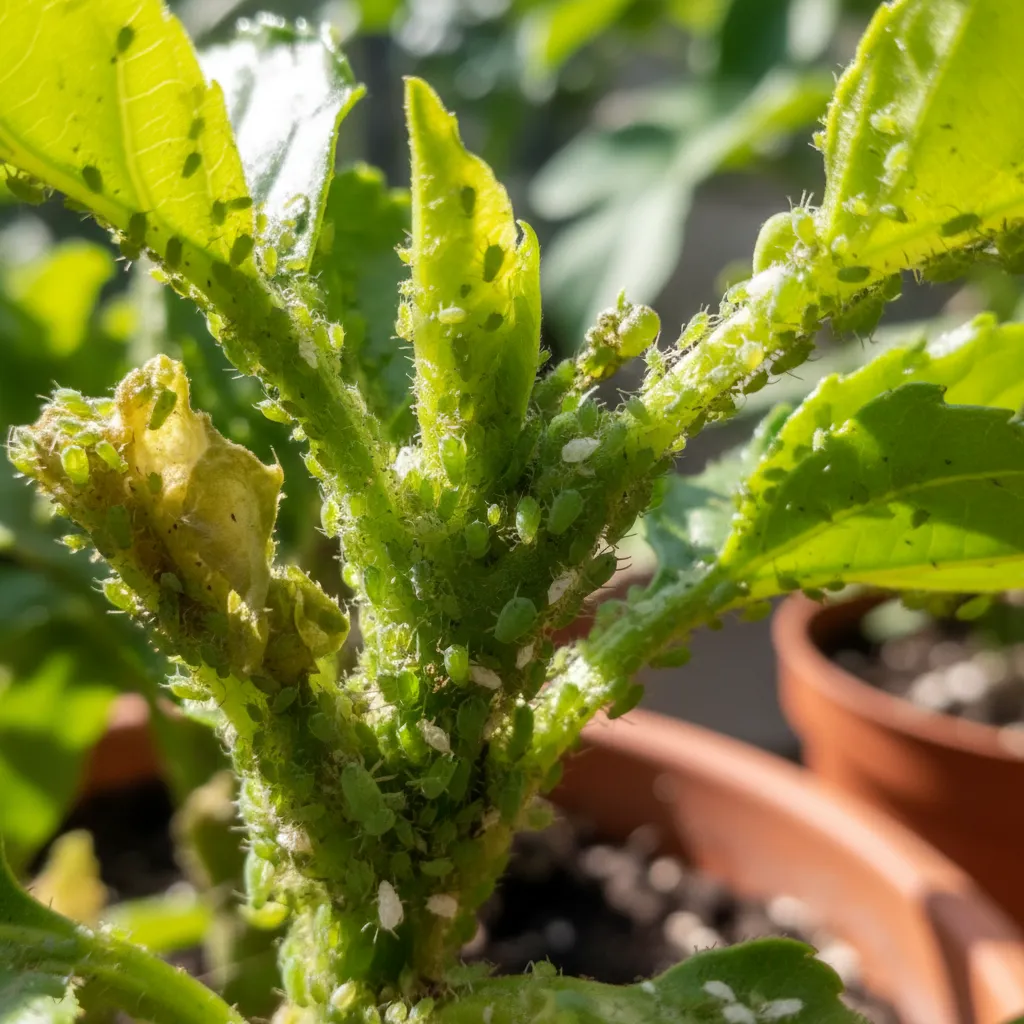
- ✓Pest and Disease Management — German Chamomile is relatively pest-resistant. Monitor for aphids or powdery mildew, treating with organic solutions if necessary.
- ✓Harvesting — Harvest flowers when fully open but before the ray florets begin to droop, typically in late spring to early summer. Pick frequently to encourage continuous blooming.
- ✓Post-Harvest Drying — Dry flowers quickly in a warm, dark, well-ventilated area to preserve their color, aroma, and medicinal compounds.
Reviewed by the Flora Medical Global Botanical Review Panel
Multi-disciplinary editorial group · Botany · Ethnobotany · Herbal-medicine literature
Who reviewed this: This page was checked by the Flora Medical Global Botanical Review Panel — an in-house editorial group of botany graduates, ethnobotany researchers, and horticulture practitioners who collectively maintain our 7,000+ plant encyclopedia. Meet the team.
Our 4-step verification process
1. Taxonomic verification
Scientific names and synonyms cross-checked against Kew POWO, World Flora Online, and The Plant List.
2. Phytochemical & medicinal cross-reference
Active compounds, traditional uses, and reported activities are cross-referenced with PubMed, USDA Dr. Duke's database, and peer-reviewed ethnobotanical literature.
3. Conservation & distribution check
Distribution, ecology, and conservation status confirmed against GBIF occurrence records and the IUCN Red List.
4. Editorial & safety review
Every entry passes an editorial pass for clarity, originality, and safety notices (toxicity, contraindications, dosage caveats) before publication.
Last reviewed:
Important medical disclaimer: This content is for educational and research purposes only. It is not medical advice and is not a substitute for consultation with a licensed healthcare provider. Do not use any herb to self-treat a medical condition without professional guidance.
Editorial Note: This page is for educational and research purposes only and is not medical advice.
Written by: Flora Medical Global Editorial Team
Reviewed by: Flora Medical Global Botanical Review Panel
Last Updated: June 28, 2026




Babuna — Comments & Community Reviews
Rate this plant
No reviews yet. Be the first!