


Medical Disclaimer: This content is for educational purposes only. It is not medical advice. Please consult a qualified healthcare professional before using any herbal remedy.
Safety Overview
1.Baccharis — Botanical Snapshot
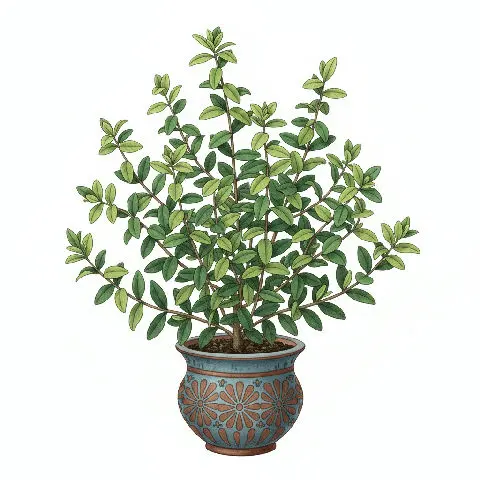
Baccharis trimera, commonly known as Carqueja-do-mato and sometimes 'Vassoura' due to its distinctive broom-like appearance, is a resilient perennial herbaceous shrub native to the diverse landscapes of South America. This notable member of the Asteraceae family thrives across a significant geographical range, particularly in Brazil, Paraguay, Uruguay, and Argentina, adapting to various climatic conditions from subtropical to temperate regions. Its morphology is characterized by unique, flattened, green, photosynthetic stems that are typically winged, giving the plant its common 'broom' moniker and making it easily identifiable even without prominent leaves. The plant generally reaches heights of 0.5 to 1.5 meters, forming dense bushes.
While true leaves are often reduced or absent, the winged stems efficiently carry out photosynthesis. Its small, inconspicuous flowers are typically white or yellowish, clustering in capitula, characteristic of the Asteraceae family. The root system is fibrous and well-developed, anchoring the plant firmly and contributing to its drought tolerance. The plant's historical and cultural significance is deeply rooted in the traditional medicine systems of its native lands.
For centuries, indigenous communities and local folk healers in South America have revered Baccharis trimera, passing down knowledge of its therapeutic properties through generations. It has been a cornerstone in traditional Brazilian medicine, utilized to formulate a wide array of herbal remedies, primarily as teas and decoctions derived from its aerial parts. These preparations were traditionally employed for a spectrum of ailments, including liver complaints, various stomach disorders, and as a potent diuretic. The plant's enduring presence in local markets and traditional health practices underscores its cultural importance, transcending its medicinal value to become a symbol of local identity and traditional ecological knowledge.
Trusted Scientific References
1. Authoritative external sources for Baccharis trimera
1.1 Wikipedia — Baccharis trimera
1.2 Kew POWO (Plants of the World Online)
1.3 PubMed — peer-reviewed research
1.4 NCBI Taxonomy Browser
1.5 GBIF — Global Biodiversity
1.1.Baccharis — Highlights
- ✓Indigenous to South — Indigenous to South America, particularly Brazil, Paraguay, Uruguay, and Argentina.
- ✓Distinctive morphology with — Distinctive morphology with flattened, winged, photosynthetic stems resembling a broom.
- ✓Member of the — Member of the Asteraceae family, producing small, inconspicuous white or yellowish flowers.
- ✓A cornerstone in — A cornerstone in traditional Brazilian medicine for centuries, revered by indigenous communities.
- ✓Scientifically recognized for — Scientifically recognized for significant antioxidant activity, especially in protecting against oxidative stress.
- ✓Exhibits anti — inflammatory, antidiabetic, analgesic, and antihepatotoxic properties.
- ✓Demonstrates neuroprotective potential, — Demonstrates neuroprotective potential, particularly against β-amyloid-induced toxicity in preclinical models.
- ✓Rich in beneficial — Rich in beneficial phytochemicals, including flavonoids (quercetin, rutin) and phenolic acids.
- ✓Traditionally used to — Traditionally used to address liver complaints, stomach disorders, and as a natural diuretic.
- ✓A resilient, drought — tolerant perennial shrub, adaptable to various climatic conditions.
1.2.Baccharis — Concise Overview
- ✓Baccharis trimera, or Carqueja, is a South American Asteraceae shrub known for its winged, broom-like stems.
- ✓Traditionally used in folk medicine for liver, digestive issues, and as a diuretic.
- ✓Modern research highlights its potent antioxidant, anti-inflammatory, and neuroprotective properties.
- ✓Rich in beneficial phenolic compounds, including flavonoids like quercetin and rutin.
- ✓Offers support for overall cellular health, digestion, and potential neurodegenerative protection.
- ✓Important safety considerations, especially for pregnant individuals, diabetics, and those on certain medications.
2.Baccharis — Botanical Identity
3.Baccharis — Key Data
4.Baccharis — Physical Description
5.Baccharis — Origin & Spread
6.Baccharis — Heritage Uses
7.Baccharis — Phytochemistry
- ✓Flavonoids — Including quercetin, rutin, and apigenin, these compounds are potent antioxidants that help neutralize free radicals and exert anti-inflammatory and hepatoprotective effects.
- ✓Phenolic Acids — Such as caffeoylquinic acids (e.g., chlorogenic acid) and derivatives, contributing significantly to the plant's antioxidant and anti-inflammatory activities.
- ✓Diterpenes — Various diterpenoids are present, some of which have demonstrated anti-inflammatory, antimicrobial, and cytotoxic properties, depending on their specific structure.
- ✓Saponins — These compounds contribute to the plant's diuretic and expectorant properties, and may also have cholesterol-lowering effects.
- ✓Essential Oils — Volatile compounds that contribute to the plant's characteristic aroma and may possess antimicrobial and anti-inflammatory benefits.
- ✓Tannins — Astringent compounds that can help reduce inflammation, act as antioxidants, and provide protective effects on mucous membranes.
- ✓Sterols — Plant sterols are known for their potential to lower cholesterol levels and support cardiovascular health.
- ✓Alkaloids — While generally in smaller quantities, some alkaloids might be present and contribute to various pharmacological activities.
- ✓Caffeic Acid Derivatives — These compounds are known for their strong antioxidant and anti-inflammatory actions, supporting cellular protection.
8.Baccharis — Pharmacological Findings
- ✓Antioxidant Support — Baccharis trimera exhibits potent antioxidant activity by scavenging reactive oxygen species (ROS), which helps protect cells from oxidative damage and contributes to overall cellular health.
- ✓Anti-inflammatory Action — Research indicates Carqueja possesses significant anti-inflammatory properties, potentially aiding in the reduction of systemic inflammation and associated pain.
- ✓Hepatoprotective Effects — Traditionally used for liver complaints, studies suggest Baccharis trimera can protect liver cells from damage and support healthy liver function.
- ✓Antidiabetic Potential — The plant has shown promise in modulating blood glucose levels, suggesting a role in managing or preventing type 2 diabetes by enhancing glucose metabolism.
- ✓Analgesic Properties — Certain compounds within Carqueja may offer pain-relieving effects, contributing to its traditional use for various discomforts.
- ✓Antimutagenic Activity — Studies have demonstrated its ability to inhibit or reduce genetic mutations, offering potential protective effects against certain carcinogens.
- ✓Neuroprotective Benefits — In preclinical models, Carqueja has shown protective effects against beta-amyloid-induced toxicity, suggesting potential in combating neurodegenerative conditions like Alzheimer's disease.
- ✓Digestive Aid — Historically employed for stomach disorders, it can help stimulate digestion, alleviate indigestion, and support overall gastrointestinal comfort.
- ✓Diuretic Properties — Baccharis trimera acts as a natural diuretic, promoting increased urine output which can assist in detoxifying the body and reducing fluid retention.
- ✓Immunomodulatory Effects — The plant may influence immune responses, helping to balance and strengthen the body's natural defense mechanisms.
8.1.Baccharis — Indications & Uses
9.Baccharis — Safety & Side Effects
9.1.Baccharis — Possible Adverse Reactions
- ✓Gastrointestinal Upset — High doses may lead to nausea, diarrhea, or stomach discomfort in sensitive individuals.
- ✓Allergic Reactions — Individuals sensitive to plants in the Asteraceae family may experience allergic reactions, such as skin rashes or respiratory issues.
- ✓Hypoglycemia — Due to its potential antidiabetic effects, Carqueja might cause blood sugar to drop too low, especially in diabetics using medication.
- ✓Drug Interactions — May interact with antidiabetic medications, anticoagulants, or diuretics, potentiating their effects.
- ✓Liver Enzyme Alterations — While generally hepatoprotective, very high doses or prolonged use might theoretically affect liver enzyme levels.
- ✓Blood Pressure Changes — Could potentially lower blood pressure, which might be an issue for individuals already on hypotensive medications.
- ✓Uterine Contractions — There is a theoretical risk of stimulating uterine contractions, making it unsuitable for pregnant women.
9.2.Baccharis — Toxicity Assessment
- ✓Pregnancy and Lactation — Contraindicated during pregnancy and breastfeeding due to insufficient safety data and potential effects.
- ✓Diabetes Management — Use with caution by individuals with diabetes, as it may interact with blood sugar-lowering medications; monitor glucose levels closely.
- ✓Bleeding Disorders — Individuals on anticoagulant therapy or with bleeding disorders should avoid Carqueja due to potential interactions.
- ✓Asteraceae Allergy — Contraindicated for those with known allergies to plants in the Asteraceae family (e.g., ragweed, chamomile).
- ✓Liver Conditions — While traditionally hepatoprotective, individuals with severe liver disease should consult a doctor before use.
- ✓Surgical Procedures — Discontinue use at least two weeks before any scheduled surgery due to potential effects on blood clotting and glucose.
- ✓Professional Guidance — Always consult a qualified healthcare practitioner before using Carqueja, especially if you have pre-existing medical conditions or are on medication.
10.Baccharis — Usage Guide
- ✓Herbal Tea — Prepare a decoction by simmering dried aerial parts (stems) in water for 5-10 minutes, then straining and consuming.
- ✓Tincture — A concentrated liquid extract made by steeping fresh or dried plant material in alcohol, taken in drops or small amounts.
- ✓Capsules/Tablets — Standardized extracts of Baccharis trimera are available in capsule or tablet form for convenient dosing.
- ✓Poultice — Freshly crushed or dried and rehydrated plant material can be applied topically as a poultice for localized inflammation or skin issues.
- ✓Infusion — For a milder preparation, steep dried aerial parts in hot water for 15-20 minutes, similar to brewing tea.
- ✓Topical Compresses — A cloth soaked in a strong Carqueja decoction can be applied to the skin to soothe irritations or reduce swelling.
- ✓Culinary Use — In some regions, young stems are used in traditional dishes, though primarily consumed for medicinal purposes.
- ✓Dosage — Always follow recommended dosages from a qualified healthcare professional or product label, as concentrations can vary.
11.Baccharis — How to Grow
- ✓Climate — Thrives in subtropical to temperate climates, showing good adaptability to varying environmental conditions.
- ✓Soil Requirements — Prefers well-drained soil but is tolerant of a range of soil types, including poorer soils, reflecting its resilient nature.
- ✓Sunlight — Requires full sun exposure for optimal growth, though it can tolerate partial shade.
- ✓Watering — As a drought-tolerant species, it needs moderate watering, allowing the soil to dry out between waterings.
- ✓Propagation — Can be propagated effectively from seeds or stem cuttings, with cuttings often providing faster establishment.
- ✓Planting — Best planted in spring or early summer, allowing ample time for root establishment before colder months.
- ✓Maintenance — Generally low-maintenance; benefits from occasional pruning to encourage bushier growth and prevent legginess.
- ✓Harvesting — Aerial parts, particularly the winged stems, are typically harvested when the plant is mature and actively growing, usually before flowering for optimal medicinal compound concentration.
Reviewed by the Flora Medical Global Botanical Review Panel
Multi-disciplinary editorial group · Botany · Ethnobotany · Herbal-medicine literature
Who reviewed this: This page was checked by the Flora Medical Global Botanical Review Panel — an in-house editorial group of botany graduates, ethnobotany researchers, and horticulture practitioners who collectively maintain our 7,000+ plant encyclopedia. Meet the team.
Our 4-step verification process
1. Taxonomic verification
Scientific names and synonyms cross-checked against Kew POWO, World Flora Online, and The Plant List.
2. Phytochemical & medicinal cross-reference
Active compounds, traditional uses, and reported activities are cross-referenced with PubMed, USDA Dr. Duke's database, and peer-reviewed ethnobotanical literature.
3. Conservation & distribution check
Distribution, ecology, and conservation status confirmed against GBIF occurrence records and the IUCN Red List.
4. Editorial & safety review
Every entry passes an editorial pass for clarity, originality, and safety notices (toxicity, contraindications, dosage caveats) before publication.
Last reviewed:
Important medical disclaimer: This content is for educational and research purposes only. It is not medical advice and is not a substitute for consultation with a licensed healthcare provider. Do not use any herb to self-treat a medical condition without professional guidance.
Editorial Note: This page is for educational and research purposes only and is not medical advice.
Written by: Flora Medical Global Editorial Team
Reviewed by: Flora Medical Global Botanical Review Panel
Last Updated: June 16, 2026





Baccharis — Comments & Community Reviews
Rate this plant