
Medical Disclaimer: This content is for educational purposes only. It is not medical advice. Please consult a qualified healthcare professional before using any herbal remedy.
Safety Overview
1.Bael Tree — Plant Snapshot
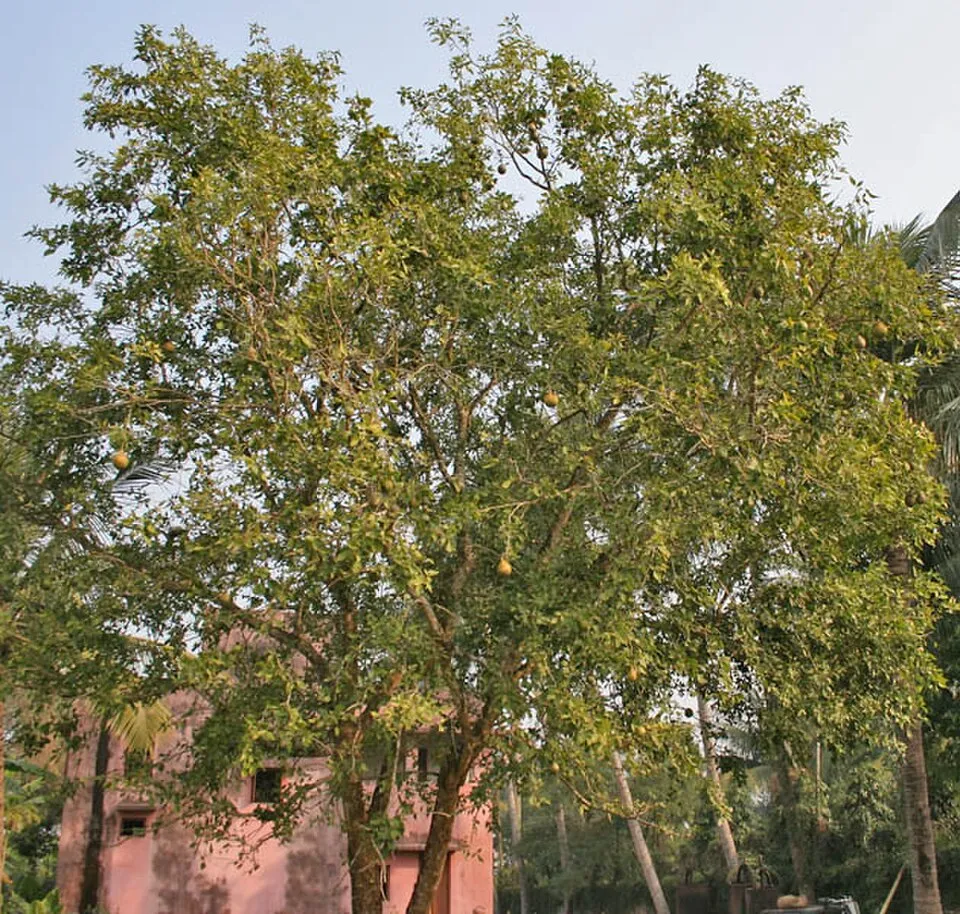
Aegle marmelos, commonly known as Bael, Bilva, or Wood Apple, is a remarkable deciduous tree native to the Indian subcontinent and extending into Southeast Asia. This esteemed species, a member of the Rutaceae family, holds a profound legacy in both traditional medicine and spiritual practices, with its earliest mentions tracing back to ancient Vedic texts. The Bael tree typically achieves a height of 8 to 15 meters, characterized by its short, stout trunk and a dense, rounded crown. Its branches are often thorny, providing a natural defense mechanism. The robust root system, comprising a strong taproot and a network of lateral roots, enhances its resilience in diverse soil conditions, particularly in arid and semi-arid regions.
The bark is greyish, thick, corky, and often exhibits longitudinal fissures, contributing to its rugged appearance. Its leaves are distinctly trifoliate, glossy, and emit a characteristic, aromatic fragrance when crushed, a feature often noted in religious rituals. The flowers are small, greenish-white, and sweet-scented, typically appearing in clusters before the new leaves emerge. The most distinguishing feature is its fruit, a hard-shelled drupe, globose to ovoid in shape, ranging from 5 to 15 cm in diameter. Upon ripening, the fruit's exterior transitions from green to a yellowish-green or greyish-yellow, encasing an aromatic, slimy, fibrous pulp embedded with numerous seeds.
Each seed is covered in a sticky mucilage. Taxonomically, Aegle marmelos belongs to the genus Aegle, a monotypic genus within the citrus family. Its distribution spans from India and Sri Lanka through Bangladesh, Myanmar, Thailand, and parts of Malaysia and Indonesia, often cultivated beyond its native range for its medicinal and economic value. Culturally, Bael occupies a sacred position, especially in Hinduism, where its trifoliate leaves are ritually offered to Lord Shiva, symbolizing the divine trinity.
Trusted Scientific References
1. Authoritative external sources for Aegle marmelos
1.1 Wikipedia — Aegle marmelos
1.2 Kew POWO (Plants of the World Online)
1.3 PubMed — peer-reviewed research
1.4 NCBI Taxonomy Browser
1.5 GBIF — Global Biodiversity
1.1.Bael Tree — Defining Traits
- ✓Sacred Status — Revered in Hinduism, with trifoliate leaves offered to Lord Shiva.
- ✓Hard — Shelled Fruit — Distinctive globose to ovoid fruit with a tough exterior and aromatic, fibrous pulp.
- ✓Trifoliate Leaves — Characteristic three-lobed, glossy leaves with a unique fragrance when crushed.
- ✓Deciduous Tree — Sheds leaves seasonally, typically growing 8-15 meters tall.
- ✓Drought Tolerant — Resilient root system allows it to thrive in arid and semi-arid regions.
- ✓Monotypic Genus — The sole species in the genus Aegle, within the Rutaceae (citrus) family.
- ✓Versatile Medicinal Use — All parts (root, bark, leaf, fruit) possess therapeutic significance.
- ✓Rich Phytochemical Profile — Abundant in alkaloids, flavonoids, coumarins, and tannins.
- ✓Digestive Aid — Ripe fruit helps constipation, unripe fruit treats diarrhea.
- ✓Antidiabetic Potential — Leaves are particularly noted for their blood sugar-regulating effects.
1.2.Bael Tree — Snapshot Summary
- ✓Aegle marmelos, or Bael, is a sacred deciduous tree native to India, renowned for its diverse medicinal properties.
- ✓Every part of the Bael tree, from roots to fruit, is utilized in traditional medicine systems like Ayurveda.
- ✓It is rich in bioactive compounds such as alkaloids, flavonoids, and coumarins, offering antioxidant, anti-inflammatory, and antidiabetic benefits.
- ✓Bael is traditionally used for digestive issues, diabetes management, infections, and cardiovascular support.
- ✓While generally safe, caution is advised for specific conditions, pregnancy, and potential drug interactions.
- ✓Culturally significant, Bael fruit is also consumed as a nutritious and refreshing food.
2.Bael Tree — Systematic Position
3.Bael Tree — Reference Facts
4.Bael Tree — Morphological Account
5.Bael Tree — Geographic Distribution
6.Bael Tree — Cultural & Traditional Roles
7.Bael Tree — Bioactive Constituents
- ✓Alkaloids — Key compounds like aegeline, aegelenine, and marmeline contribute to various pharmacological activities, including anti-inflammatory and antidiabetic effects.
- ✓Flavonoids — Quercetin, rutin, and other flavonoids provide significant antioxidant and anti-inflammatory benefits, protecting against cellular damage.
- ✓Coumarins — Important coumarin derivatives such as marmelosin, psoralen, and xanthotoxol are responsible for Bael's antimicrobial, anti-inflammatory, and antidiabetic properties.
- ✓Tannins — Present in various parts, tannins impart astringent properties, contributing to its efficacy in treating diarrhea and dysentery, and also possess antioxidant activity.
- ✓Phenolic Acids — Gallic acid, caffeic acid, and ferulic acid are among the phenolic compounds that contribute to the plant's potent antioxidant capacity.
- ✓Essential Oils — Volatile compounds found in the leaves and fruit provide characteristic aroma and exhibit antimicrobial and insecticidal properties.
- ✓Terpenoids — Limonene and other terpenoids contribute to the aromatic profile and may possess anti-inflammatory and antioxidant activities.
- ✓Pectin — A soluble fiber abundant in the fruit pulp, pectin aids in digestive health, promoting regularity and supporting gut microbiota.
- ✓Vitamins — The fruit is a source of Vitamin C (ascorbic acid) and B vitamins, contributing to its nutritional value and overall health benefits.
- ✓Minerals — Important minerals such as calcium, phosphorus, iron, and potassium are present, supporting various physiological functions.
- ✓Carbohydrates — The fruit pulp contains natural sugars and dietary fiber, providing energy and aiding digestion.
- ✓Sterols — Plant sterols are present, which may contribute to cardioprotective effects by helping to manage cholesterol levels.
8.Bael Tree — What Research Suggests
- ✓Antioxidant Activity — Bael possesses potent antioxidant properties attributed to its rich flavonoid and phenolic content, which helps combat oxidative stress and protect cells from free radical damage.
- ✓Anti-inflammatory Effects — Bioactive compounds in Aegle marmelos demonstrate significant anti-inflammatory actions, crucial in mitigating chronic inflammation associated with various metabolic and neurodegenerative disorders.
- ✓Antidiabetic Potential — Extracts, particularly from the leaves, exhibit hypoglycemic activity by regulating blood glucose levels, enhancing insulin sensitivity, and protecting pancreatic beta cells, making it valuable for diabetes management.
- ✓Antimicrobial Properties — Bael extracts show broad-spectrum activity against bacterial and fungal pathogens, including Escherichia coli, Staphylococcus aureus, and Candida albicans, supporting its traditional use for infections.
- ✓Gastrointestinal Health — The ripe fruit pulp is rich in dietary fiber, aiding in constipation, while the unripe fruit is a well-known remedy for diarrhea and dysentery due to its astringent properties.
- ✓Hepatoprotective Action — Studies indicate Bael's ability to protect the liver from damage, supporting its function and aiding in detoxification processes.
- ✓Cardioprotective Effects — Certain constituents contribute to heart health by reducing oxidative stress and inflammation, potentially preventing cardiovascular disorders.
- ✓Wound Healing — Traditional applications include using crushed Bael leaves as a poultice for skin infections and wounds, suggesting properties that promote tissue repair.
- ✓Radioprotective Properties — Research has unveiled Bael's potential to offer protection against radiation-induced cellular damage.
- ✓Respiratory Support — Historically, various parts of the Bael tree have been utilized in traditional systems to address certain respiratory ailments.
- ✓Fever Management — In Ayurvedic practices, Bael has been traditionally employed as a coolant and a remedy for managing fever.
- ✓Digestive Tonic — Beyond specific ailments, the fruit and other parts are considered digestive aids, promoting overall gut health and alleviating indigestion.
8.1.Bael Tree — Reported Uses
9.Bael Tree — Risk Profile
9.1.Bael Tree — Warnings
- ✓Constipation from Unripe Fruit — Excessive consumption of unripe Bael fruit, due to its high tannin content, can lead to severe constipation.
- ✓Digestive Discomfort — Overconsumption of ripe Bael fruit, particularly its fibrous pulp, may cause bloating, gas, or stomach upset in sensitive individuals.
- ✓Hypoglycemia Risk — For individuals on antidiabetic medications, Bael leaf extracts might potentiate blood sugar lowering, leading to hypoglycemia if not monitored.
- ✓Drug Interactions — Bael may interact with certain medications, including anticoagulants, antidiabetics, and drugs metabolized by the liver, potentially altering their efficacy or side effects.
- ✓Allergic Reactions — Although rare, some individuals may experience allergic reactions such as skin rashes, itching, or digestive issues.
- ✓Pregnancy and Lactation — Due to insufficient research, Bael is generally not recommended for use during pregnancy or breastfeeding without medical supervision.
- ✓Kidney Issues — High intake of Bael, particularly its leaves, might potentially impact kidney function in individuals with pre-existing renal conditions.
9.2.Bael Tree — Toxicity Assessment
- ✓General Safety — Aegle marmelos extracts are generally considered safe within traditional and specified dosage ranges, as indicated by preclinical studies.
- ✓Dosage Adherence — Adhering to recommended dosages is crucial to avoid potential side effects, especially with concentrated extracts or supplements.
- ✓Medical Consultation — Individuals with chronic health conditions, particularly diabetes or cardiovascular issues, should consult a healthcare professional before incorporating Bael into their regimen.
- ✓Pregnancy and Breastfeeding — Pregnant and lactating women should exercise caution and seek medical advice before using Bael due to limited safety data.
- ✓Drug Interactions — Caution is advised for individuals taking prescription medications, especially antidiabetics, anticoagulants, or liver-metabolized drugs, due to potential interactions.
- ✓Quality and Purity — Ensure Bael products are sourced from reputable suppliers to guarantee purity and absence of contaminants, as standardization is a challenge.
- ✓Children's Use — Bael fruit is generally safe for children in moderation, but medicinal preparations should only be administered under pediatric guidance.
10.Bael Tree — Application Forms
- ✓Ripe Fruit Pulp Consumption — The sweet, aromatic pulp of the ripe Bael fruit can be eaten fresh, often mixed with sugar or jaggery, to alleviate constipation and as a general tonic.
- ✓Unripe Fruit Decoction — Slices of unripe Bael fruit are dried and then boiled to prepare a decoction, traditionally used to treat diarrhea and dysentery due to its astringent properties.
- ✓Bael Sherbet — The pulp of ripe Bael fruit is blended with water, sugar, and sometimes spices like cardamom, then strained to create a refreshing and digestive summer drink.
- ✓Leaf Infusion/Tea — Fresh Bael leaves are steeped in hot water to make an herbal tea, a common traditional remedy for managing blood sugar levels in diabetes.
- ✓External Poultice — Crushed fresh Bael leaves are applied as a poultice directly to skin infections, wounds, or inflammatory areas to promote healing and reduce swelling.
- ✓Bark Decoction — The bark can be used to prepare a decoction, traditionally employed for its anti-inflammatory and antipyretic properties, though less common than fruit or leaf uses.
- ✓Powdered Form — Dried Bael fruit pulp or leaves can be ground into a fine powder and consumed with water or honey, offering a concentrated form for various medicinal purposes.
- ✓Candied Bael — The fruit pulp is sometimes processed into candies or preserves, providing a palatable way to consume Bael, especially for children.
11.Bael Tree — Growing Guide
- ✓Climate and Soil — Bael thrives in tropical and subtropical climates, preferring well-drained loamy or sandy soils with a neutral to slightly alkaline pH.
- ✓Propagation — Primarily propagated through seeds, which should be sown fresh, or vegetatively via budding or grafting for faster growth and consistent fruit quality.
- ✓Planting — Young saplings are typically planted at the onset of the monsoon season, ensuring adequate spacing of 8-10 meters between trees to allow for crown development.
- ✓Watering — While drought-tolerant once established, regular watering is crucial during the initial growth phase and prolonged dry spells, especially during fruit development.
- ✓Fertilization — Young trees benefit from balanced organic fertilizers, while mature trees may require phosphorus and potassium supplements to enhance flowering and fruiting.
- ✓Pruning — Minimal pruning is generally required, mainly to remove dead, diseased, or crossing branches to maintain tree health and shape.
- ✓Pest and Disease Management — Bael trees are relatively hardy, but occasional issues with fruit flies or fungal diseases may require organic pest control measures.
- ✓Harvesting — Fruits are typically harvested when they turn yellowish-green, indicating ripeness, usually 10-11 months after flowering.
Reviewed by the Flora Medical Global Botanical Review Panel
Multi-disciplinary editorial group · Botany · Ethnobotany · Herbal-medicine literature
Who reviewed this: This page was checked by the Flora Medical Global Botanical Review Panel — an in-house editorial group of botany graduates, ethnobotany researchers, and horticulture practitioners who collectively maintain our 7,000+ plant encyclopedia. Meet the team.
Our 4-step verification process
1. Taxonomic verification
Scientific names and synonyms cross-checked against Kew POWO, World Flora Online, and The Plant List.
2. Phytochemical & medicinal cross-reference
Active compounds, traditional uses, and reported activities are cross-referenced with PubMed, USDA Dr. Duke's database, and peer-reviewed ethnobotanical literature.
3. Conservation & distribution check
Distribution, ecology, and conservation status confirmed against GBIF occurrence records and the IUCN Red List.
4. Editorial & safety review
Every entry passes an editorial pass for clarity, originality, and safety notices (toxicity, contraindications, dosage caveats) before publication.
Last reviewed:
Important medical disclaimer: This content is for educational and research purposes only. It is not medical advice and is not a substitute for consultation with a licensed healthcare provider. Do not use any herb to self-treat a medical condition without professional guidance.
Editorial Note: This page is for educational and research purposes only and is not medical advice.
Written by: Flora Medical Global Editorial Team
Reviewed by: Flora Medical Global Botanical Review Panel
Last Updated: June 16, 2026





Bael Tree — Comments & Community Reviews
Rate this plant