
Medical Disclaimer: This content is for educational purposes only. It is not medical advice. Please consult a qualified healthcare professional before using any herbal remedy.
Safety Overview
1.Bakuchi — Plant Snapshot
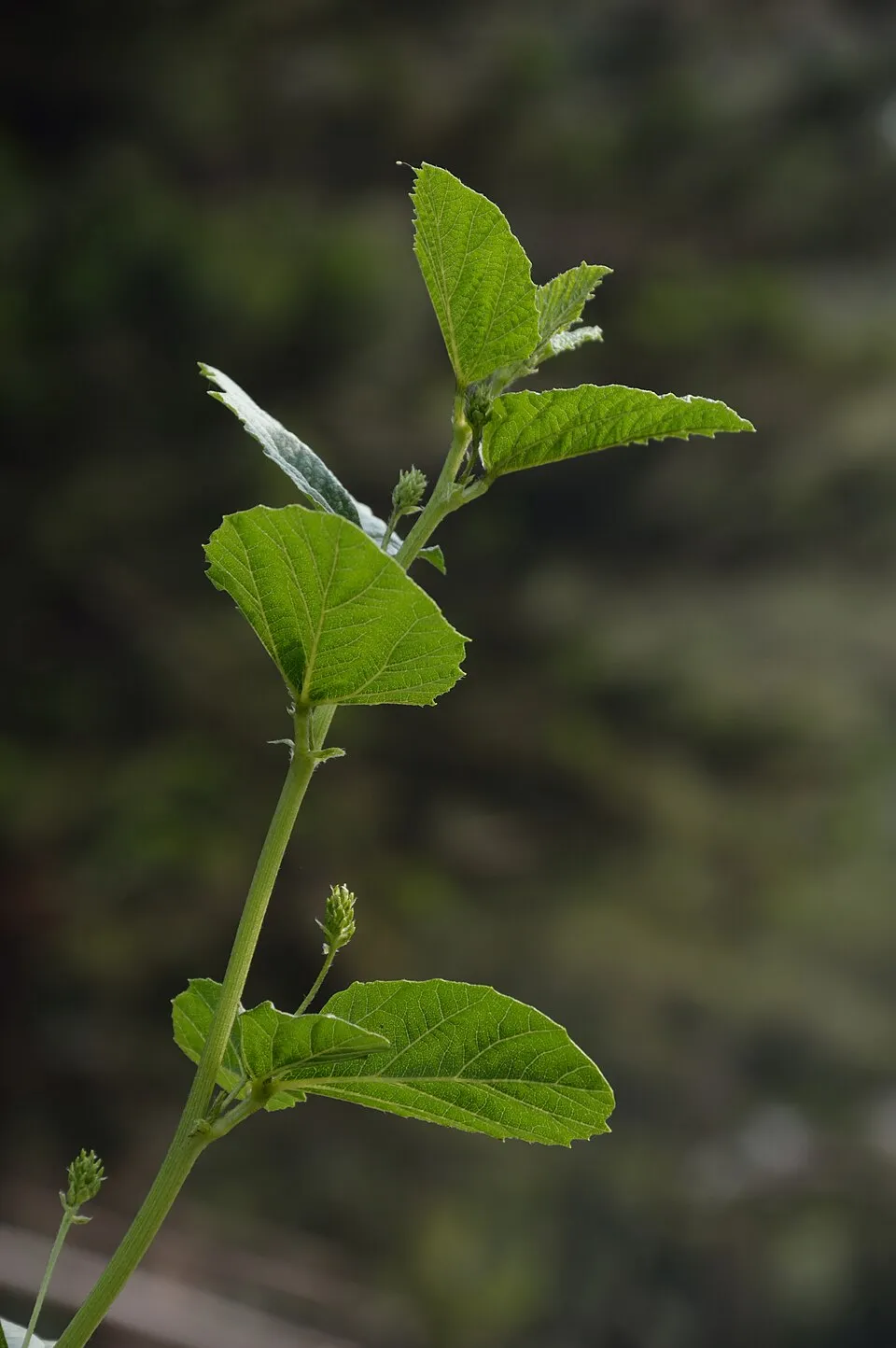
Bakuchi, known scientifically as Psoralea corylifolia, is a pivotal herbaceous plant within the Fabaceae (Leguminosae) family, widely distributed across subtropical and warm temperate regions including India, China, and parts of Southeast Asia, as well as the Himalayan foothills and areas of Pakistan and Southern Africa. This robust annual or short-lived perennial typically grows to a height of 30 to 180 centimeters, featuring an erect, often woody stem that lignifies at its base. Its distinctive leaves are alternately arranged, ovate-rhomboid to broadly elliptic, characterized by crenate or dentate margins and a pubescent surface covered in fine, white hairs on both sides, with prominent venation. The plant adorns itself with small, delicate, bluish-purple to violet flowers, densely clustered in axillary racemes that emerge from the leaf axils, each bearing 10 to 30 blooms.
The most medicinally significant part is the fruit, often referred to as a seed in traditional contexts. These small, blackish-brown pods are flattened, kidney-shaped to ovoid, and contain a single, dark brown to black, smooth, compressed seed devoid of endosperm. These seeds are notably oily, possessing a distinct aromatic scent and a bitter, acrid taste. Taxonomically, Psoralea corylifolia is a prominent member of the genus Psoralea.
Its historical and cultural significance is profound, with its use documented in ancient Ayurvedic texts like the Charaka Samhita and Sushruta Samhita for over three millennia. The Sanskrit name 'Bakuchi' itself reflects its traditional application in skin conditions, signifying its ability to 'render clear' or 'make white' the skin, particularly in addressing depigmentation disorders. In Traditional Chinese Medicine, it is known as Bu Gu Zhi and valued for similar dermatological and tonic properties.
Trusted Scientific References
1. Authoritative external sources for Psoralea corylifolia
1.1 Wikipedia — Psoralea corylifolia
1.2 Kew POWO (Plants of the World Online)
1.3 PubMed — peer-reviewed research
1.4 NCBI Taxonomy Browser
1.5 GBIF — Global Biodiversity
1.1.Bakuchi — Defining Traits
- ✓Traditional Skin Healer — Historically revered in Ayurveda and TCM for treating various dermatological conditions.
- ✓Psoralen Content — Contains furocoumarins like psoralen, crucial for stimulating melanogenesis in vitiligo.
- ✓Bakuchiol Source — A natural source of bakuchiol, a retinol-like compound with anti-aging and anti-inflammatory benefits.
- ✓Anti — inflammatory Power — Significant anti-inflammatory actions beneficial for inflammatory skin disorders.
- ✓Broad — spectrum Antimicrobial — Possesses antibacterial, antifungal, and anthelmintic properties.
- ✓Cardiovascular Support — Traditional uses include cardiotonic and vasodilator effects.
- ✓Antioxidant Rich — Abundant in flavonoids and meroterpenes, providing strong antioxidant defense.
- ✓Annual Herb — An erect annual or short-lived perennial belonging to the Fabaceae family.
- ✓Distinctive Seeds — Small, blackish-brown, oily, aromatic seeds are the primary medicinal part.
- ✓Sun — Sensitive — Requires careful handling due to photosensitizing effects, especially when applied topically.
1.2.Bakuchi — Quick Summary
- ✓Bakuchi (Psoralea corylifolia) is a potent Ayurvedic and TCM herb.
- ✓Primarily used for skin conditions like vitiligo, psoriasis, and eczema.
- ✓Key active compounds include psoralens (for pigmentation) and bakuchiol (anti-inflammatory, anti-aging).
- ✓Exhibits strong anti-inflammatory, antibacterial, and antioxidant properties.
- ✓Requires careful use due to photosensitivity and potential liver toxicity.
- ✓Valued in traditional medicine for skin, bone, and cardiovascular health.
2.Bakuchi — Scientific Profile
3.Bakuchi — Botanical Stats
4.Bakuchi — Plant Morphology
5.Bakuchi — Habitat & Distribution
6.Bakuchi — Ethnobotanical Uses
7.Bakuchi — Secondary Metabolites
- ✓Furocoumarins — Key compounds include Psoralen and Angelicin, which are potent photosensitizers, primarily responsible for Bakuchi's efficacy in treating hypopigmentation by stimulating melanocytes upon UV exposure. They can also exhibit cytotoxic effects.
- ✓Meroterpenes — Bakuchiol is the most prominent meroterpene, recognized for its retinol-like activity without the associated irritation, offering significant anti-inflammatory, antibacterial, antioxidant, and anti-aging benefits.
- ✓Flavonoids — Compounds like Bavachin, Isobavachalcone, Genistein, Biochanin A, and Wighteone contribute to the plant's antioxidant, anti-inflammatory, and antimicrobial properties. Isobavachalcone also shows antitumor potential.
- ✓Chalcones — Bavachalcone and Isobavachalcone are important chalcones found, exhibiting antibacterial, antifungal, and cytotoxic activities.
- ✓Isoflavones — Bakuisoflavone and other isoflavones contribute to the plant's phytoestrogenic and antioxidant profiles, potentially influencing hormonal balance and cellular protection.
- ✓Coumestans — Corylifol is an example of a coumestan found in Bakuchi, contributing to its diverse pharmacological activities, including anti-inflammatory effects.
- ✓Terpenoids — Beta-caryophyllene is a notable terpenoid, known for its anti-inflammatory and analgesic properties, contributing to the plant's overall therapeutic spectrum.
- ✓Fatty Acids — The seeds contain various fatty acids, which contribute to the oily nature of the seeds and may have emollient and nourishing properties for the skin.
8.Bakuchi — Research Insights
- ✓Skin Pigmentation — Bakuchi is renowned for its role as a pigmentor, particularly in treating hypopigmentation disorders like vitiligo (leukoderma), primarily due to compounds like psoralen which promote melanogenesis when exposed to UV light.
- ✓Anti-inflammatory Action — Key constituents such as bakuchiol and various flavonoids exhibit significant anti-inflammatory properties, modulating inflammatory pathways and reducing swelling and redness in various conditions, including psoriasis and eczema.
- ✓Antibacterial Activity — Bakuchiol and other phenolic compounds in Bakuchi demonstrate broad-spectrum antibacterial effects against several pathogens, including Methicillin-Resistant Staphylococcus aureus (MRSA), making it useful in topical infection management.
- ✓Antioxidant Properties — The rich array of flavonoids and meroterpenes, including bakuchiol, provides potent antioxidant defense, neutralizing free radicals and protecting cells from oxidative damage, thereby contributing to anti-aging effects.
- ✓Antitumor Potential — Studies indicate that certain compounds like isobavachalcone and bakuchiol possess cytotoxic and antiproliferative activities against various cancer cell lines, suggesting potential in cancer research.
- ✓Cardiotonic Effects — Traditional uses and some studies suggest Psoralea corylifolia has cardiotonic properties, helping to strengthen heart muscle function and improve cardiovascular health.
- ✓Vasodilator Action — The plant exhibits vasodilator effects, which can help improve blood circulation by relaxing blood vessels, potentially beneficial for conditions related to poor peripheral circulation.
- ✓Anti-helminthic Activity — Bakuchi has been traditionally used as an anthelmintic, showing efficacy against various parasitic worms and contributing to gastrointestinal health.
- ✓Psoriasis Management — Due to its anti-inflammatory, antiproliferative, and melanogenic properties, Bakuchi is a cornerstone in the traditional and modern management of psoriasis, helping to reduce scaling and inflammation.
- ✓Eczema Relief — Its soothing and anti-inflammatory compounds provide relief from the itching and inflammation associated with eczema, promoting skin healing and barrier function.
- ✓Hair Health (Alopecia) — Traditionally applied to promote hair growth and treat alopecia, likely due to its ability to improve local circulation and reduce scalp inflammation.
- ✓Bone Health — In TCM, Bakuchi (Bu Gu Zhi) is valued for strengthening bones and kidneys, often used to treat bone weakness, lower back pain, and knee weakness.
8.1.Bakuchi — Reported Uses
9.Bakuchi — Adverse Effects
9.1.Bakuchi — Possible Adverse Reactions
- ✓Photosensitivity — Psoralens can cause severe photosensitivity, leading to sunburn, blistering, and hyperpigmentation if skin is exposed to sunlight after internal or topical use.
- ✓Gastrointestinal Upset — High doses or prolonged internal use may lead to nausea, vomiting, diarrhea, or abdominal discomfort.
- ✓Liver Toxicity — In rare cases, especially with overdose or prolonged use, Bakuchi, particularly its psoralen content, may cause liver enzyme elevation or hepatotoxicity.
- ✓Skin Irritation — Topical application can cause contact dermatitis, redness, itching, or allergic reactions in sensitive individuals.
- ✓Hyperpigmentation — While used for depigmentation, improper use or excessive sun exposure can paradoxically lead to unwanted hyperpigmentation in unaffected areas.
- ✓Headache and Dizziness — Some individuals may experience headaches or dizziness, particularly with internal administration.
9.2.Bakuchi — Safety Profile
- ✓Professional Guidance — Always consult a qualified medical herbalist or Ayurvedic practitioner before using Bakuchi, especially for internal consumption, due to its potent compounds.
- ✓Photosensitivity Precaution — Avoid direct sun exposure and use high SPF sunscreen when using Bakuchi, particularly with psoralen-containing preparations, to prevent severe sunburn.
- ✓Pregnancy & Lactation — Contraindicated during pregnancy and lactation due to potential genotoxicity and lack of safety data.
- ✓Liver & Kidney Conditions — Use with extreme caution or avoid in individuals with pre-existing liver or kidney diseases due to potential organ toxicity.
- ✓Drug Interactions — May interact with other photosensitizing drugs (e.g., tetracyclines, sulfonamides), anticoagulants, or hepatotoxic medications.
- ✓Children — Not recommended for use in infants or young children without strict medical supervision.
- ✓Patch Testing — Always perform a patch test on a small skin area before extensive topical application to check for allergic reactions.
10.Bakuchi — Application Forms
- ✓Seed Powder — Dried and ground Bakuchi seeds are commonly used internally in traditional Ayurvedic formulations, often mixed with honey or ghee, for skin conditions and general tonic effects. Dosage must be strictly controlled by a practitioner.
- ✓Topical Oil — Bakuchi seed oil, or preparations infused with Bakuchi extracts, are applied externally to affected skin areas for vitiligo, psoriasis, and eczema. Patch testing is crucial due to photosensitivity.
- ✓Decoctions — A decoction of the seeds can be prepared for external washes or internal consumption, though internal use requires expert guidance.
- ✓Pastes — A paste made from crushed seeds mixed with water or other herbal juices is applied topically for localized skin issues, often left on for a specific duration.
- ✓Tinctures/Extracts — Standardized alcoholic extracts or tinctures are available, offering concentrated forms for internal or external application under professional supervision.
- ✓Ayurvedic Formulations — Bakuchi is a key ingredient in many complex Ayurvedic medicines, such as 'Bakuchyadi Churna' or 'Khadirarishta', prescribed by Vaidyas for various ailments.
- ✓Cosmeceutical Products — Bakuchiol, isolated from Bakuchi seeds, is increasingly used in modern skincare products as a retinol alternative for anti-aging and acne treatment.
11.Bakuchi — Propagation & Care
- ✓Climate — Bakuchi thrives in warm, subtropical climates and requires abundant sunlight; it does not tolerate shade.
- ✓Soil — Prefers well-drained loamy, sandy, or clay soils, and can adapt to a wide pH range from acidic to neutral to basic.
- ✓Propagation — Primarily propagated by seeds, which should be sown directly into the soil after the last frost or in a nursery for transplanting.
- ✓Sowing — Optimal sowing occurs in spring or early summer when soil temperatures are consistently warm, ensuring good germination.
- ✓Watering — Requires moderate watering, especially during dry spells, but is relatively drought-tolerant once established.
- ✓Fertilization — Benefits from organic matter enrichment in the soil, such as compost, to support vigorous growth.
- ✓Harvesting — Seeds are harvested when the pods mature and turn blackish-brown, typically in late autumn, ensuring careful drying to prevent mold.
- ✓Pest & Disease Management — Generally robust, but monitoring for common legume pests and fungal diseases is advisable, favoring organic control methods.
Reviewed by the Flora Medical Global Botanical Review Panel
Multi-disciplinary editorial group · Botany · Ethnobotany · Herbal-medicine literature
Who reviewed this: This page was checked by the Flora Medical Global Botanical Review Panel — an in-house editorial group of botany graduates, ethnobotany researchers, and horticulture practitioners who collectively maintain our 7,000+ plant encyclopedia. Meet the team.
Our 4-step verification process
1. Taxonomic verification
Scientific names and synonyms cross-checked against Kew POWO, World Flora Online, and The Plant List.
2. Phytochemical & medicinal cross-reference
Active compounds, traditional uses, and reported activities are cross-referenced with PubMed, USDA Dr. Duke's database, and peer-reviewed ethnobotanical literature.
3. Conservation & distribution check
Distribution, ecology, and conservation status confirmed against GBIF occurrence records and the IUCN Red List.
4. Editorial & safety review
Every entry passes an editorial pass for clarity, originality, and safety notices (toxicity, contraindications, dosage caveats) before publication.
Last reviewed:
Important medical disclaimer: This content is for educational and research purposes only. It is not medical advice and is not a substitute for consultation with a licensed healthcare provider. Do not use any herb to self-treat a medical condition without professional guidance.
Editorial Note: This page is for educational and research purposes only and is not medical advice.
Written by: Flora Medical Global Editorial Team
Reviewed by: Flora Medical Global Botanical Review Panel
Last Updated: June 16, 2026





Bakuchi — Comments & Community Reviews
Rate this plant