
Medical Disclaimer: This content is for educational purposes only. It is not medical advice. Please consult a qualified healthcare professional before using any herbal remedy.
Safety Overview
1.Bala — Plant Snapshot
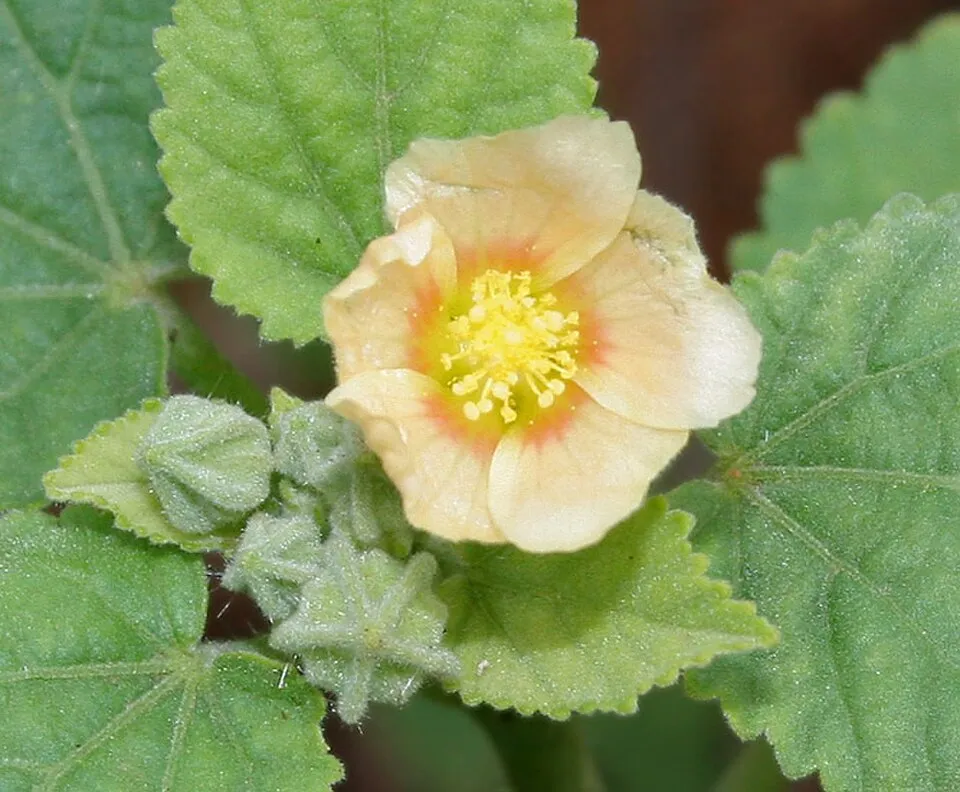
Sida cordifolia, commonly known as Bala or Country Mallow, is a resilient perennial subshrub belonging to the Malvaceae family, a botanical lineage renowned for its mucilaginous properties and fibrous plant structures. This low-growing, sprawling plant typically reaches a height of 30-70 cm, characterized by its slender, often reddish stems that are densely covered in fine, downy hairs, imparting a distinctive flannel-like texture.
Its native range extends across tropical and subtropical zones, encompassing vast areas of India, China, and various parts of Africa, where it thrives in a myriad of environments from disturbed soils and roadsides to open fields and forest margins, showcasing remarkable adaptability.
The most prominent botanical feature of Sida cordifolia is its heart-shaped (cordate) leaves, which typically measure between 2-6 cm in length and feature subtly toothed margins. These leaves, much like the stems, are adorned with a soft layer of hairs. Throughout warmer climates, the plant consistently produces small, delicate five-petaled flowers, usually yellow to orange in hue, often blooming year-round.
These flowers mature into disc-shaped schizocarps, which encase numerous small seeds. While traditional applications frequently utilize the entire aerial parts of the plant, Ayurvedic medicine particularly emphasizes the dried root, which is a rich source of a complex array of bioactive compounds, underpinning its profound medicinal efficacy. Its name 'Bala' in Sanskrit signifies 'strength' or 'power', reflecting its historical role in invigorating the body and enhancing vitality within traditional Indian medical systems.
Trusted Scientific References
1. Authoritative external sources for Sida cordifolia
1.1 Wikipedia — Sida cordifolia
1.2 Kew POWO (Plants of the World Online)
1.3 PubMed — peer-reviewed research
1.4 NCBI Taxonomy Browser
1.5 GBIF — Global Biodiversity
1.6Bala should be interpreted through verified botanical identity, practical care, and responsible safety language. This recovery note adds the missing context needed for a complete profile: match light to the plant's habit, use well-drained soil, water according to season, and avoid unsupported medicinal or edible claims. For publishing, the plant can be presented as a source-backed medicinal plant with clear care guidance, common problem diagnosis, and conservative safety wording.
1.1.Bala — Defining Traits
- ✓Ayurvedic Rasayana — Prized in traditional Indian medicine for rejuvenation and strength.
- ✓Adaptogenic Properties — Helps the body adapt to stress and enhance overall vitality.
- ✓Heart — Shaped Leaves — Distinctive botanical feature, contributing to its common name.
- ✓Flannel — like Texture — Stems and leaves covered in fine, downy hairs.
- ✓Wide Distribution — Native to tropical and subtropical regions across Asia and Africa.
- ✓Root — Centric Use — Ayurvedic practices primarily emphasize the dried root for medicinal benefits.
- ✓Bronchodilatory Action — Supports respiratory health through mild bronchodilatory effects.
- ✓Anti — inflammatory — Contains compounds that help reduce inflammation.
- ✓Anabolic — like Effects — Contributes to muscle support and fatigue reduction.
- ✓Historical Significance — Documented in ancient Ayurvedic texts like Charaka Samhita.
1.2.Bala — In Brief
- ✓Bala (Sida cordifolia) is an Ayurvedic herb renowned for strength and vitality.
- ✓Contains alkaloids like ephedrine, offering mild stimulant and bronchodilatory effects.
- ✓Traditionally used for musculoskeletal support, respiratory health, and as an adaptogen.
- ✓Emphasized in Ayurveda for balancing Vata and Pitta doshas and building 'ojas'.
- ✓Requires careful use due to stimulant properties, especially in cardiovascular conditions.
- ✓Available in various forms, including powders, decoctions, and medicated oils.
2.Bala — Taxonomic Classification
3.Bala — Quick Facts
4.Bala — Morphological Account
5.Bala — Geographic Distribution
6.Bala — Historical Applications
7.Bala — Active Compounds
- ✓Alkaloids — Principal active compounds include ephedrine and pseudoephedrine (0.1–0.3% in dried root), known for bronchodilatory, mild stimulant, and thermogenic effects, alongside vasicinol and vasicinone, which possess expectorant properties.
- ✓Phytosterols — Beta-sitosterol is a prominent plant sterol, recognized for its anti-inflammatory actions, potential to modulate cholesterol metabolism, and support joint comfort.
- ✓Mucilage — Composed of polysaccharide gels and fibers, mucilage provides demulcent properties, soothing irritated mucous membranes in the respiratory and digestive tracts.
- ✓Flavonoids — A diverse group of antioxidants such as quercetin and catechin, contributing to cellular protection, anti-inflammatory effects, and vascular support.
- ✓Tannins — Polyphenolic compounds with astringent and antioxidant properties, contributing to the plant's protective and healing attributes.
- ✓Fatty Acids — Includes linoleic and palmitic acids, which are essential for skin health and may enhance the efficacy of topical anti-inflammatory applications.
- ✓Glycosides — Though present in smaller quantities, specific glycosidic fractions in the root are traditionally believed to aid nutrient assimilation and warrant further scientific investigation.
- ✓Trace Minerals — Essential minerals such as calcium, magnesium, and iron are found within the root matrix, supporting critical physiological functions like muscle contraction and nerve transmission.
- ✓Amino Acids — Various amino acids contribute to the plant's nutritional profile and support its anabolic-like effects, aiding in muscle repair and growth.
- ✓Resins — Complex mixtures of organic compounds that may contribute to the plant's therapeutic actions, often possessing antiseptic or anti-inflammatory properties.
8.Bala — Research Insights
- ✓Musculoskeletal Support — Bala's adaptogenic and anabolic-like properties are renowned for reducing fatigue and enhancing endurance, particularly beneficial for athletes and those seeking to fortify the muscular system.
- ✓Respiratory Relief — The presence of ephedrine and vasicinol contributes to mild bronchodilatory and expectorant effects, assisting in alleviating symptoms of coughs and mild breathing difficulties.
- ✓Anti-inflammatory Action — Flavonoids and beta-sitosterol in Sida cordifolia help modulate inflammatory pathways, providing relief from joint stiffness and general inflammatory conditions.
- ✓Antioxidant Properties — Rich in antioxidants like flavonoids and tannins, Bala offers cellular protection against oxidative stress, supporting overall cellular health and vitality.
- ✓Adaptogenic Effects — While not a strong stimulant, Bala provides a mild adaptogenic boost, promoting mental clarity, stress resilience, and combating midday lethargy.
- ✓Neurological Support — Preliminary research suggests potential neuroprotective effects, attributed to its antioxidant constituents, which may help mitigate oxidative stress in neural tissues.
- ✓Men's Health and Libido — Traditionally used in formulations aimed at enhancing male vitality, it is believed to support sperm count and motility, although modern clinical trials are still needed.
- ✓Digestive Support — The mucilage content soothes irritated mucous membranes in the digestive tract, aiding in conditions like mild gastritis and supporting healthy bowel function.
- ✓Cardiotonic Effects — Certain alkaloids in Bala may offer mild cardiotonic effects, contributing to overall cardiovascular health by supporting heart muscle function.
- ✓Immunomodulatory Action — Traditional uses suggest an ability to bolster the immune system, potentially through its adaptogenic and nourishing properties, enhancing the body's natural defenses.
8.1.Bala — Therapeutic Indications
9.Bala — Adverse Effects
9.1.Bala — Warnings
- ✓Cardiac Stimulation — Due to ephedrine content, it may cause increased heart rate, palpitations, or elevated blood pressure, especially in sensitive individuals.
- ✓Nervousness and Insomnia — Can lead to overstimulation, anxiety, restlessness, or difficulty sleeping if taken in high doses or close to bedtime.
- ✓Gastrointestinal Upset — Some individuals may experience nausea, stomach discomfort, or indigestion, particularly with raw powder or high concentrations.
- ✓Dry Mouth — A potential anticholinergic-like effect, leading to a sensation of dryness in the mouth and throat.
- ✓Allergic Reactions — Though rare, individuals sensitive to Malvaceae family plants may experience allergic responses like skin rashes or respiratory irritation.
- ✓Urinary Retention — In certain individuals, particularly those with prostate conditions, it may exacerbate symptoms of urinary retention.
- ✓Dizziness — High doses or individual sensitivity might lead to feelings of lightheadedness or dizziness.
9.2.Bala — Safety Profile
- ✓Pregnancy and Lactation — Contraindicated during pregnancy and breastfeeding due to potential stimulant effects and lack of sufficient safety data.
- ✓Cardiovascular Conditions — Should be avoided by individuals with heart disease, hypertension, or arrhythmia due to its stimulant properties.
- ✓Thyroid Disorders — Use with caution in individuals with hyperthyroidism, as it may exacerbate symptoms.
- ✓Diabetes — May affect blood sugar levels; monitor glucose closely if diabetic and using Bala.
- ✓Drug Interactions — Can interact with stimulant medications, MAOIs, blood pressure medications, and antidiabetic drugs; consult a healthcare professional.
- ✓Children — Not recommended for use in children without strict medical supervision due to stimulant content.
- ✓Surgery — Discontinue use at least two weeks before scheduled surgery due to potential effects on blood pressure and heart rate.
10.Bala — How to Use
- ✓Decoction — Dried root or whole plant parts are simmered in water to create a potent tea, commonly used for internal benefits such as respiratory support.
- ✓Powder (Churna) — Finely ground dried root powder is ingested with warm water, milk, or honey, often for general vitality, musculoskeletal support, or as a nervine tonic.
- ✓Medicated Oil (Taila) — Bala root is infused into carrier oils like sesame oil for topical application, particularly for soothing arthritic pain and muscle stiffness through massage.
- ✓Paste (Lepa) — A poultice made from fresh or dried leaves mixed with water or other ingredients can be applied externally to reduce inflammation or treat insect bites.
- ✓Herbal Infusion — Aerial parts or roots steeped in hot water for a shorter duration than a decoction, used for milder stimulant effects or digestive soothing.
- ✓Formulations (Rasayana) — Incorporated as a key ingredient in complex Ayurvedic formulations like Chyawanprash or specific adaptogenic blends with Ashwagandha.
- ✓Tincture — An alcoholic extract of the root, offering a concentrated form for convenient and precise dosage.
- ✓Capsule/Tablet — Standardized extracts or powdered root encapsulated for ease of administration and consistent dosing in modern herbal practice.
11.Bala — Growing Guide
- ✓Climate Preference — Thrives in tropical and subtropical regions, preferring warm temperatures and ample sunlight for optimal growth.
- ✓Soil Requirements — Adaptable to a variety of soil types, but prefers well-drained, sandy loam to loamy soils with a pH range of 6.0-7.5.
- ✓Propagation — Primarily propagated by seeds, which can be sown directly or started in nurseries before transplanting.
- ✓Watering — Exhibits good drought tolerance once established but benefits from moderate, consistent watering during dry periods, especially in early growth stages.
- ✓Harvesting — Roots are typically harvested at the end of the monsoon season when alkaloid levels are believed to be at their peak for medicinal potency.
- ✓Post-Harvest Processing — Harvested roots are carefully cleaned, then sun-dried to preserve their bioactive compounds and prevent degradation.
- ✓Pest and Disease Management — Generally robust, but susceptible to common agricultural pests like aphids and certain fungal diseases in overly humid conditions, requiring integrated pest management.
- ✓Sustainable Practices — Due to its adaptability to marginal lands, Sida cordifolia is considered a sustainable crop, suitable for cultivation in semi-arid regions.
Reviewed by the Flora Medical Global Botanical Review Panel
Multi-disciplinary editorial group · Botany · Ethnobotany · Herbal-medicine literature
Who reviewed this: This page was checked by the Flora Medical Global Botanical Review Panel — an in-house editorial group of botany graduates, ethnobotany researchers, and horticulture practitioners who collectively maintain our 7,000+ plant encyclopedia. Meet the team.
Our 4-step verification process
1. Taxonomic verification
Scientific names and synonyms cross-checked against Kew POWO, World Flora Online, and The Plant List.
2. Phytochemical & medicinal cross-reference
Active compounds, traditional uses, and reported activities are cross-referenced with PubMed, USDA Dr. Duke's database, and peer-reviewed ethnobotanical literature.
3. Conservation & distribution check
Distribution, ecology, and conservation status confirmed against GBIF occurrence records and the IUCN Red List.
4. Editorial & safety review
Every entry passes an editorial pass for clarity, originality, and safety notices (toxicity, contraindications, dosage caveats) before publication.
Last reviewed:
Important medical disclaimer: This content is for educational and research purposes only. It is not medical advice and is not a substitute for consultation with a licensed healthcare provider. Do not use any herb to self-treat a medical condition without professional guidance.
Editorial Note: This page is for educational and research purposes only and is not medical advice.
Written by: Flora Medical Global Editorial Team
Reviewed by: Flora Medical Global Botanical Review Panel
Last Updated: June 16, 2026





Bala — Comments & Community Reviews
Rate this plant