
Medical Disclaimer: This content is for educational purposes only. It is not medical advice. Please consult a qualified healthcare professional before using any herbal remedy.
Safety Overview
1.Bamboo — Overview
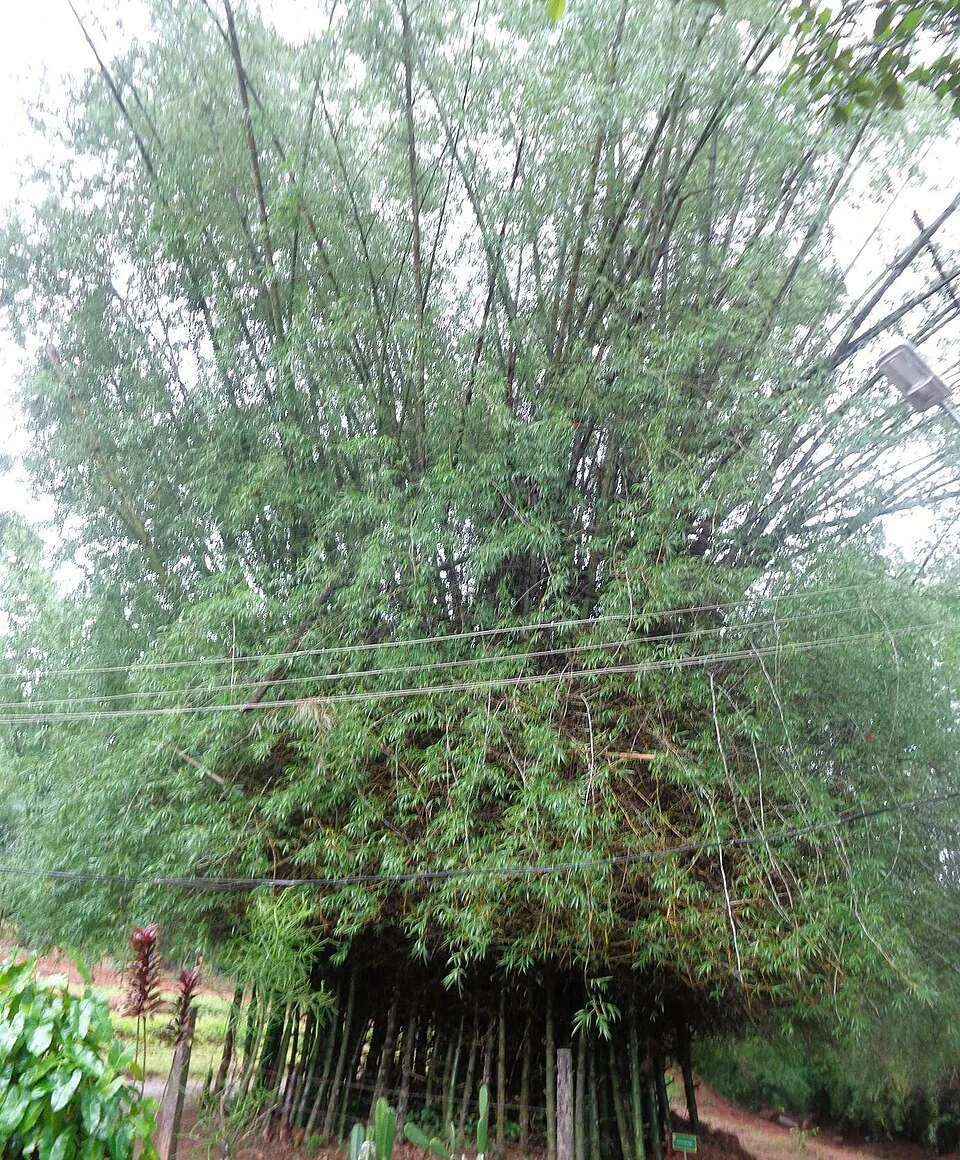
Bambusa bambos, commonly known as giant thorny bamboo, Indian thorny bamboo, or 'Bamboo Med', is a robust, sympodial (clumping) bamboo species native to the diverse ecosystems of South and Southeast Asia. This perennial grass is distinguished by its impressive culms, which can soar up to 30 meters in height and reach diameters of 15-20 cm, typically green when young and maturing to a yellowish hue. A defining characteristic is the presence of sharp, stiff thorns, particularly abundant on the lower nodes, serving as a natural defense mechanism. Its lanceolate leaves are arranged alternately, showcasing prominent parallel venation that contributes to its dense, verdant canopy. Flowering is a rare and often gregarious event, occurring in cycles that can span several decades, after which the entire clump frequently senesces and dies back, relying on seed regeneration.
The plant develops an extensive, fibrous root system, which is highly effective in binding soil and preventing erosion. Taxonomically, Bambusa bambos is classified within the Poaceae family, specifically the Bambusoideae subfamily. Historically, it has been a cornerstone of human civilization across its indigenous range. In traditional Indian medicinal systems like Ayurveda and Unani, it is revered as 'Vansh' or 'Bans', with its therapeutic applications meticulously documented in ancient Sanskrit texts such as the Charaka Samhita and Sushruta Samhita. Beyond its medicinal value, its strong yet pliable culms have been utilized for millennia in construction, crafting tools, furniture, and various household items.
Young shoots are a traditional food source, while leaves provide valuable fodder. Culturally, bamboo symbolizes virtues such as longevity, strength, flexibility, and resilience in many Asian societies, frequently integrated into art, literature, and philosophical thought, underscoring its multifaceted utility and deep cultural resonance. Its rapid growth rate and significant carbon sequestration capabilities also highlight its crucial ecological role in mitigating soil degradation and supporting local biodiversity.
Trusted Scientific References
1. Authoritative external sources for Bambusa bambos
1.1 Wikipedia — Bambusa bambos
1.2 Kew POWO (Plants of the World Online)
1.3 PubMed — peer-reviewed research
1.4 NCBI Taxonomy Browser
1.5 GBIF — Global Biodiversity
1.1.Bamboo — Key Features
- ✓Sympodial Growth Habit — Forms dense, clumping culms rather than spreading aggressively.
- ✓Impressive Height and Girth — Culms can grow up to 30 meters tall with significant diameter.
- ✓Distinctive Thorny Culms — Features sharp thorns, particularly on lower nodes, for protection.
- ✓Source of Vamshalochana — Produces a highly valued siliceous exudate with medicinal properties.
- ✓Ayurvedic Significance — Deeply integrated into traditional Indian medicine as 'Vansh' or 'Bans'.
- ✓Multifaceted Utility — Used in construction, as food, fodder, and for various traditional crafts.
- ✓Ecological Benefits — Excellent for soil erosion control and significant carbon sequestration.
- ✓Cultural Symbolism — Represents longevity, strength, flexibility, and resilience in Asian cultures.
- ✓Infrequent Gregarious Flowering — Exhibits long flowering cycles, often followed by clump die-back.
- ✓Rich in Natural Silica — A primary natural source of silica, beneficial for connective tissues.
1.2.Bamboo — In Brief
- ✓Giant thorny bamboo (Bambusa bambos), native to South and Southeast Asia.
- ✓Revered in Ayurveda as 'Vansh' for its medicinal properties, especially Vamshalochana.
- ✓Traditionally used for respiratory issues, digestive disorders, skin conditions, and female health.
- ✓Rich in silica, flavonoids, and phenolic compounds, contributing to its therapeutic actions.
- ✓Economically significant for construction, food (shoots), and traditional crafts.
- ✓Requires proper cooking of shoots to neutralize natural toxins; consult experts for medicinal use.
2.Bamboo — Scientific Profile
3.Bamboo — Quick Facts
4.Bamboo — Structural Profile
5.Bamboo — Geographic Distribution
6.Bamboo — Historical Applications
7.Bamboo — Active Compounds
- ✓Silica (SiO2) — Predominantly found in Vamshalochana (bamboo manna), crucial for connective tissue health, bone density, and skin elasticity, acting as a natural anti-inflammatory.
- ✓Flavonoids — Compounds like orientin and vitexin are present, contributing to the plant's potent antioxidant, anti-inflammatory, and potentially cardioprotective activities.
- ✓Phenolic Acids — Includes chlorogenic acid and p-coumaric acid, which are strong antioxidants and exhibit antimicrobial, anti-diabetic, and hepatoprotective effects.
- ✓Lignans — These polyphenolic compounds are present in bamboo shoots and culms, known for their phytoestrogenic properties and antioxidant capacity.
- ✓Polysaccharides — Various complex carbohydrates contribute to immunomodulatory effects and potential prebiotic benefits, supporting gut health.
- ✓Triterpenoids — Possess anti-inflammatory, hepatoprotective, and adaptogenic properties, contributing to the plant's overall therapeutic profile.
- ✓Coumarins — Identified in various parts, these compounds can have anticoagulant, anti-inflammatory, and antimicrobial activities.
- ✓Amino Acids — Essential and non-essential amino acids are present in bamboo shoots, contributing to their nutritional value and protein synthesis.
- ✓Vitamins — Contains B-complex vitamins (e.g., thiamine, riboflavin, niacin) vital for metabolic processes and cellular energy production.
- ✓Minerals — Rich in essential minerals such as potassium, calcium, magnesium, and phosphorus, crucial for various physiological functions and bone health.
8.Bamboo — Modern Studies
- ✓Respiratory Support — Vamshalochana, the siliceous exudate, is traditionally mixed with honey to alleviate cough, cold, and fever by acting as an expectorant and cooling agent.
- ✓Skin Condition Management — A paste made from bamboo roots or tender shoots is applied topically to soothe conditions like eczema, ringworm, and hyperpigmentation, promoting skin health.
- ✓Wound Healing — The tender shoots or buds, when prepared as a paste, are applied directly to wounds to accelerate healing and prevent infection, owing to their restorative properties.
- ✓Digestive Aid — Vamshalochana powder, consumed with hot water or buttermilk, helps to treat indigestion, diarrhea, and nausea by balancing digestive fire and promoting gut motility.
- ✓Gynecological Health — A decoction of bamboo leaves is traditionally administered to manage dysmenorrhea (painful menstruation) and to strengthen uterine muscles post-delivery, supporting female reproductive health.
- ✓Anti-inflammatory Action — The plant exhibits anti-inflammatory properties, making it useful in traditional systems for reducing 'Shopha' or general inflammation throughout the body.
- ✓Urinary Tract Disorders — Decoctions of various parts, particularly the seeds, are used to address 'Mutrakrichra' (dysuria) and 'Prameha' (urinary tract disorders, including diabetes), acting as a diuretic.
- ✓Bleeding Disorder Management — Traditional texts describe Vamshalochana as beneficial for 'Pittasra' or 'Raktapitta' (bleeding disorders like nasal bleeding or heavy periods) due to its cooling and astringent nature.
- ✓Diabetes Support — Bamboo seeds, when incorporated into the diet as an edible food, are traditionally believed to help manage diabetes by regulating blood sugar levels.
- ✓Intestinal Worm Expulsion — A decoction prepared from tender bamboo leaves is given to eliminate intestinal worm infestations, acting as an anthelmintic agent.
- ✓Antioxidant Activity — Extracts from Bambusa bambos leaves demonstrate significant antioxidant capacity, helping to neutralize free radicals and protect cells from oxidative stress.
- ✓Cooling and Astringent Properties — The plant, especially Vamshalochana, is considered 'Sheetala' (coolant) and 'Kashaya' (astringent) in Ayurveda, beneficial for conditions involving excess heat or bleeding.
8.1.Bamboo — Reported Uses
9.Bamboo — Risk Profile
9.1.Bamboo — Warnings
- ✓Digestive Discomfort — Raw bamboo shoots contain cyanogenic glycosides that, if not properly cooked, can cause bloating, nausea, and other gastrointestinal disturbances.
- ✓Allergic Reactions — Sensitive individuals may experience allergic responses such as skin rashes, itching, or respiratory irritation upon contact or consumption.
- ✓Increased Vata and Pitta Doshas — In Ayurvedic perspective, bamboo seeds and shoots are considered to increase Vata and Pitta doshas, potentially exacerbating related conditions.
- ✓Purgative/Laxative Effect — The 'Sara' (inducing mobility) quality of bamboo seeds and shoots may lead to diarrhea or excessive purgation in some individuals.
- ✓Burning Sensation — Bamboo shoots are described as 'Vidahi' (causing burning sensation) in some traditional texts, which might be uncomfortable for individuals with Pitta imbalances.
- ✓Interaction with Medications — Potential interactions with certain Western medicines, especially those affecting blood clotting or blood sugar, warrant medical consultation.
- ✓Not for Prolonged Use — Long-term, unsupervised internal use, especially of concentrated extracts, is not generally recommended without professional guidance.
9.2.Bamboo — Safety Profile
- ✓Proper Preparation — Raw bamboo shoots must be thoroughly cooked (boiled) to neutralize cyanogenic glycosides before consumption to prevent toxicity.
- ✓Pregnancy and Lactation — Avoid use during pregnancy and lactation due as insufficient research exists to confirm its safety for these populations; consult a healthcare provider.
- ✓Children — Administer to children only under the strict guidance and supervision of a qualified medical herbalist or pediatrician.
- ✓Pre-existing Conditions — Individuals with specific medical conditions, particularly digestive issues or bleeding disorders, should consult a doctor before using.
- ✓Allergic History — Discontinue use immediately if any signs of allergic reaction, such as skin rash, itching, or difficulty breathing, occur.
- ✓Dosage Adherence — Always adhere to recommended dosages for internal preparations to minimize the risk of adverse effects.
- ✓Quality Sourcing — Ensure that all bamboo products, especially Vamshalochana, are sourced from reputable suppliers to guarantee purity and prevent adulteration.
10.Bamboo — How to Use
- ✓Powdered Vamshalochana — The dried siliceous exudate is commonly powdered and mixed with honey for cough, cold, and fever, or with hot water/buttermilk for digestive issues.
- ✓Root Paste — Roots are ground into a paste and applied externally to areas affected by eczema, dark discoloration, or adverse effects from bites, providing topical relief.
- ✓Tender Shoot Paste — Young bamboo shoots or buds are crushed into a paste and applied directly to ringworm infections or wounds to promote healing and reduce inflammation.
- ✓Leaf Decoction — A decoction made by boiling bamboo leaves is consumed to alleviate dysmenorrhea, strengthen uterine muscles post-delivery, and expel intestinal worms.
- ✓Root Decoction — A decoction prepared from bamboo roots is traditionally administered internally to counteract the adverse effects associated with dog or scorpion bites.
- ✓Bamboo Seeds as Food — The seeds, when available, are cooked and consumed as a nutritional food source, particularly recommended in traditional medicine for managing diabetes.
- ✓Culinary Preparation of Shoots — Young bamboo shoots are boiled extensively, fermented, or pickled before consumption to neutralize naturally occurring cyanogenic glycosides.
- ✓External Washes — Decoctions of various parts can be used as topical washes for skin diseases or as a general coolant bath, leveraging their antiseptic and soothing properties.
11.Bamboo — Growing Guide
- ✓Propagation — Primarily propagated from seeds after infrequent gregarious flowering, or more commonly through rhizome cuttings, culm cuttings, or tissue culture for faster establishment.
- ✓Climate — Thrives in tropical and subtropical regions, preferring warm, humid conditions with an annual rainfall of 1000-2500 mm, intolerant of severe frost.
- ✓Soil — Prefers well-drained, fertile loamy soils, but is highly adaptable to a range of soil types, including sandy loams and clay, as long as waterlogging is avoided.
- ✓Water — Requires consistent moisture, especially during its establishment phase and active growth periods, though mature plants show some drought tolerance.
- ✓Sunlight — Optimal growth and culm development occur under full sun exposure, requiring at least 6-8 hours of direct sunlight daily.
- ✓Spacing — Due to its large clumping nature, ample spacing of 5-10 meters between plants is necessary to allow for mature culm development and spread.
- ✓Maintenance — Involves periodic thinning of older culms to promote new growth, pest and disease monitoring, and occasional fertilization to support vigorous culm production.
- ✓Harvesting — Culms are typically harvested after 3-5 years for structural uses, while young shoots are harvested when tender for culinary purposes.
Reviewed by the Flora Medical Global Botanical Review Panel
Multi-disciplinary editorial group · Botany · Ethnobotany · Herbal-medicine literature
Who reviewed this: This page was checked by the Flora Medical Global Botanical Review Panel — an in-house editorial group of botany graduates, ethnobotany researchers, and horticulture practitioners who collectively maintain our 7,000+ plant encyclopedia. Meet the team.
Our 4-step verification process
1. Taxonomic verification
Scientific names and synonyms cross-checked against Kew POWO, World Flora Online, and The Plant List.
2. Phytochemical & medicinal cross-reference
Active compounds, traditional uses, and reported activities are cross-referenced with PubMed, USDA Dr. Duke's database, and peer-reviewed ethnobotanical literature.
3. Conservation & distribution check
Distribution, ecology, and conservation status confirmed against GBIF occurrence records and the IUCN Red List.
4. Editorial & safety review
Every entry passes an editorial pass for clarity, originality, and safety notices (toxicity, contraindications, dosage caveats) before publication.
Last reviewed:
Important medical disclaimer: This content is for educational and research purposes only. It is not medical advice and is not a substitute for consultation with a licensed healthcare provider. Do not use any herb to self-treat a medical condition without professional guidance.
Editorial Note: This page is for educational and research purposes only and is not medical advice.
Written by: Flora Medical Global Editorial Team
Reviewed by: Flora Medical Global Botanical Review Panel
Last Updated: June 16, 2026





Bamboo — Comments & Community Reviews
Rate this plant