
Medical Disclaimer: This content is for educational purposes only. It is not medical advice. Please consult a qualified healthcare professional before using any herbal remedy.
Safety Overview
1.Bamboo Leaf — Plant Snapshot
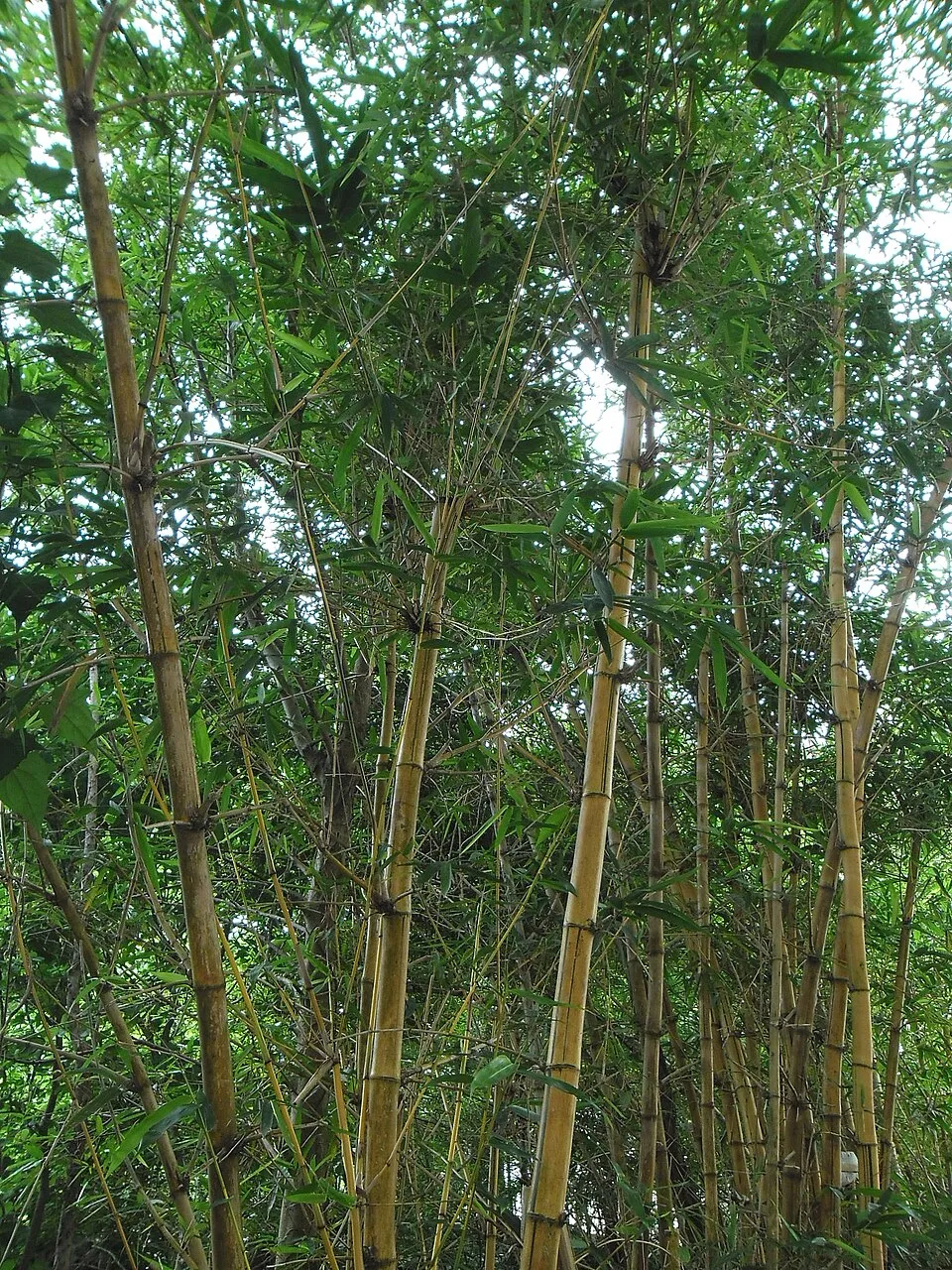
Bambusa vulgaris, widely known as common bamboo, stands as a prominent and economically significant species within the vast Poaceae family, specifically classified under the Bambusoideae subfamily. While 'Bamboo Leaf' can generally refer to the foliage of various bamboo species, this monograph focuses specifically on the leaves of Bambusa vulgaris.
This resilient perennial grass is thought to have originated in the naturally abundant, humid regions of Southeast Asia, particularly southern China and Indochina. From these origins, it has successfully established itself across tropical and subtropical zones globally, largely owing to its robust growth, remarkable adaptability, and ease of propagation, forming dense, rapidly expanding clumps.
Botanically, Bambusa vulgaris is recognized by its vivid green culms, or stems, which are typically thornless and can reach impressive heights of 15 to 20 meters, with diameters up to 10 cm. These culms are hollow, thick-walled, and distinctly segmented by prominent nodes and internodes. The lanceolate leaves are the primary focus for medicinal applications, typically measuring 10-25 cm in length and 1-4 cm in width.
They feature a clear midrib, parallel venation, and a somewhat rough texture on the upper surface, often with fine hairs on the underside. The plant flowers infrequently and inconspicuously, possessing a rhizomatous root system that facilitates rapid vegetative spread and contributes significantly to soil stabilization.
Historically, the leaves and other parts of Bambusa vulgaris have been integral to various traditional medicine systems throughout Asia for centuries. They are traditionally valued for their 'cooling,' 'detoxifying,' and 'diuretic' attributes.
In Traditional Chinese Medicine (TCM), the leaves are known as 'Zhú Yè' (竹叶) and are categorized as 'Herbs that Clear Heat and Drain Dampness,' reflecting their traditional efficacy in addressing conditions related to excess heat and fluid accumulation.
Trusted Scientific References
1. Authoritative external sources for Bambusa vulgaris
1.1 Wikipedia — Bambusa vulgaris
1.2 Kew POWO (Plants of the World Online)
1.3 PubMed — peer-reviewed research
1.4 NCBI Taxonomy Browser
1.5 GBIF — Global Biodiversity
1.1.Bamboo Leaf — Standout Qualities
- ✓Traditional Medicinal Herb — Centuries of use in Asian traditional medicine systems.
- ✓Rich in Flavonoids — High concentration of powerful antioxidant compounds.
- ✓Anti — inflammatory Action — Helps reduce inflammation throughout the body.
- ✓Hepatoprotective — Supports and protects liver function.
- ✓Cardiovascular Benefits — Contributes to heart health and blood vessel integrity.
- ✓Cognitive Support — May aid in ameliorating cognitive deficits.
- ✓Natural Diuretic — Promotes healthy fluid balance and detoxification.
- ✓Antioxidant Powerhouse — Fights oxidative stress and free radical damage.
- ✓Versatile Usage — Can be prepared as teas, extracts, or powders.
- ✓Fast — Growing Perennial Grass — Sustainable and widely distributed.
1.2.Bamboo Leaf — Concise Overview
- ✓Bambusa vulgaris, or Bamboo Leaf, is a traditional Asian medicinal herb.
- ✓Valued for its antioxidant, anti-inflammatory, and hepatoprotective properties.
- ✓Rich in flavonoids like orientin and vitexin, phenolic acids, and polysaccharides.
- ✓Traditionally used in TCM as 'Zhú Yè' to clear heat and drain dampness.
- ✓Potential benefits for cardiovascular, diabetic, and nervous system health.
- ✓Requires further clinical research for full safety and efficacy validation.
2.Bamboo Leaf — Scientific Profile
3.Bamboo Leaf — Quick Facts
4.Bamboo Leaf — Structural Profile
5.Bamboo Leaf — Geographic Distribution
6.Bamboo Leaf — Ethnobotanical Uses
7.Bamboo Leaf — Bioactive Constituents
- ✓Flavonoids and Flavonoid Glycosides — These are the primary bioactive compounds, including orientin and vitexin, known for their potent antioxidant, anti-inflammatory, and neuroprotective effects.
- ✓Phenolic Acids — Compounds such as caffeic acid and ferulic acid contribute to the plant's antioxidant capacity and play a role in its anti-inflammatory activities.
- ✓Polysaccharides — These complex carbohydrates are recognized for their immunomodulatory and potentially hypoglycemic properties, supporting overall health and metabolic regulation.
- ✓Volatile Components — A range of aromatic compounds that contribute to the plant's characteristic scent and may possess mild antimicrobial or calming effects.
- ✓Coenzyme Q10 (CoQ10) — A vital antioxidant and energy-producing compound, found in trace amounts, supporting cellular function and cardiovascular health.
- ✓Phenylpropanoids — A diverse group of organic compounds derived from phenylalanine, contributing to the plant's defense mechanisms and exhibiting various pharmacological activities.
- ✓Amino Acids — Essential building blocks for proteins, contributing to the nutritional value and overall physiological functions supported by the plant.
- ✓Triterpenes — These compounds are known for their anti-inflammatory, hepatoprotective, and potential anticancer properties, adding to the therapeutic profile of bamboo leaf.
- ✓Chlorophyll — The green pigment responsible for photosynthesis, which also offers antioxidant benefits and can support detoxification processes in the body.
8.Bamboo Leaf — Modern Studies
- ✓Antioxidant Activity — Bamboo leaf is rich in compounds that scavenge free radicals, protecting cells from oxidative damage and reducing the risk of chronic diseases.
- ✓Anti-inflammatory Properties — Its bioactive constituents help to modulate inflammatory pathways, potentially alleviating symptoms associated with various inflammatory conditions.
- ✓Liver Protection (Hepatoprotective) — Studies suggest that bamboo leaf extracts can safeguard liver cells from damage caused by toxins, supporting overall liver function.
- ✓Ameliorates Cognitive Deficits — Certain compounds in bamboo leaf may support neurological health, potentially improving memory and cognitive function, particularly in age-related decline.
- ✓Cardiovascular Health Support — Traditionally used for atherosclerotic conditions, bamboo leaf may help maintain healthy blood vessels and reduce the risk factors associated with heart disease.
- ✓Diabetic Management — It has shown potential in regulating blood glucose levels, making it a valuable adjunct in the management of diabetes.
- ✓Nervous System Support — The plant's compounds may exert neuroprotective effects, contributing to the health and proper functioning of the nervous system.
- ✓Diuretic Effects — Historically utilized to promote urination, bamboo leaf helps in draining dampness and reducing fluid retention in the body.
- ✓Detoxification Support — Its traditional 'cooling' and 'detoxifying' properties aid the body in eliminating toxins and clearing internal heat.
- ✓Antimicrobial Action — Some components exhibit properties that can inhibit the growth of certain microorganisms, contributing to overall immune defense.
8.1.Bamboo Leaf — Health Applications
9.Bamboo Leaf — Risk Profile
9.1.Bamboo Leaf — Caution Notes
- ✓Mild Gastrointestinal Upset — Some individuals may experience stomach discomfort, nausea, or diarrhea, especially with high doses.
- ✓Allergic Reactions — Rare cases of allergic responses such as skin rash, itching, or respiratory symptoms have been reported.
- ✓Diuretic Effects — Excessive consumption may lead to increased urination, potentially causing dehydration or electrolyte imbalances if not adequately hydrated.
- ✓Hypotension — Due to its potential cardiovascular effects, individuals with low blood pressure should use with caution as it might further lower blood pressure.
- ✓Hypoglycemia Risk — For individuals on diabetes medication, bamboo leaf might enhance the blood sugar-lowering effect, requiring careful monitoring.
- ✓Interaction with Anticoagulants — Potential interactions with blood-thinning medications might increase the risk of bleeding due to flavonoid content.
- ✓Pregnancy and Lactation Concerns — Insufficient safety data for pregnant or breastfeeding women, thus use is generally discouraged.
9.2.Bamboo Leaf — Clinical Safety Notes
- ✓Lack of Clinical Data — There is a significant need for more human clinical trials and comprehensive toxicity studies to establish a definitive safety profile.
- ✓Consult a Healthcare Professional — Always advise consulting a doctor or qualified herbalist before using bamboo leaf, especially for individuals with pre-existing conditions or those on medication.
- ✓Dosage Adherence — Strictly follow recommended dosages from reputable sources or healthcare providers to minimize potential adverse effects.
- ✓Pregnancy and Breastfeeding — Avoid use during pregnancy and lactation due to the absence of sufficient safety research in these populations.
- ✓Children and Infants — Not recommended for use in young children or infants due to limited safety data and potential sensitivities.
- ✓Pre-existing Conditions — Individuals with kidney issues, heart conditions, or diabetes should exercise extreme caution and seek medical advice prior to use.
- ✓Quality and Purity — Ensure sourcing from reputable suppliers to guarantee the purity and quality of bamboo leaf products, free from contaminants.
10.Bamboo Leaf — Preparation & Dosage
- ✓Traditional Decoction — Dried bamboo leaves are boiled in water to create a medicinal tea, commonly used in TCM for clearing heat and promoting diuresis.
- ✓Herbal Infusion — Steep fresh or dried leaves in hot water for a milder tea, often consumed for general wellness and antioxidant benefits.
- ✓Powdered Extract — Leaves are dried and ground into a fine powder, which can be encapsulated or added to smoothies and foods as a supplement.
- ✓Topical Application — Crushed fresh leaves or poultices may be applied externally for their anti-inflammatory or soothing properties.
- ✓Culinary Uses — Young bamboo leaves can be added to certain dishes or used to wrap foods, imparting a subtle flavor and nutritional benefits.
- ✓Tinctures — Extracts made by steeping bamboo leaves in alcohol, offering a concentrated form for internal use.
- ✓Syrups and Elixirs — Infusions can be further processed into sweet syrups, especially for palatability when administered to children.
- ✓Bath Additive — Infused water from bamboo leaves can be added to baths for a refreshing and skin-soothing experience.
11.Bamboo Leaf — Propagation & Care
- ✓Climate Preference — Thrives in tropical and subtropical regions with ample rainfall and high humidity.
- ✓Soil Requirements — Prefers well-drained, fertile loamy soils with a slightly acidic to neutral pH (6.0-7.0).
- ✓Propagation — Primarily propagated through rhizome division or culm cuttings, ensuring rapid establishment of new plants.
- ✓Sunlight Exposure — Requires full sun to partial shade for optimal growth, with full sun promoting more vigorous culm development.
- ✓Watering — Needs consistent moisture, especially during dry periods, but avoids waterlogging to prevent root rot.
- ✓Fertilization — Benefits from regular feeding with balanced, nitrogen-rich fertilizers to support lush foliage and culm growth.
- ✓Pest and Disease Management — Generally robust, but watchful for common bamboo pests like scale insects or mites, and fungal issues in overly damp conditions.
- ✓Harvesting — Leaves can be harvested throughout the growing season, typically by hand-picking mature, healthy foliage.
Reviewed by the Flora Medical Global Botanical Review Panel
Multi-disciplinary editorial group · Botany · Ethnobotany · Herbal-medicine literature
Who reviewed this: This page was checked by the Flora Medical Global Botanical Review Panel — an in-house editorial group of botany graduates, ethnobotany researchers, and horticulture practitioners who collectively maintain our 7,000+ plant encyclopedia. Meet the team.
Our 4-step verification process
1. Taxonomic verification
Scientific names and synonyms cross-checked against Kew POWO, World Flora Online, and The Plant List.
2. Phytochemical & medicinal cross-reference
Active compounds, traditional uses, and reported activities are cross-referenced with PubMed, USDA Dr. Duke's database, and peer-reviewed ethnobotanical literature.
3. Conservation & distribution check
Distribution, ecology, and conservation status confirmed against GBIF occurrence records and the IUCN Red List.
4. Editorial & safety review
Every entry passes an editorial pass for clarity, originality, and safety notices (toxicity, contraindications, dosage caveats) before publication.
Last reviewed:
Important medical disclaimer: This content is for educational and research purposes only. It is not medical advice and is not a substitute for consultation with a licensed healthcare provider. Do not use any herb to self-treat a medical condition without professional guidance.
Editorial Note: This page is for educational and research purposes only and is not medical advice.
Written by: Flora Medical Global Editorial Team
Reviewed by: Flora Medical Global Botanical Review Panel
Last Updated: June 16, 2026





Bamboo Leaf — Comments & Community Reviews
Rate this plant