
Medical Disclaimer: This content is for educational purposes only. It is not medical advice. Please consult a qualified healthcare professional before using any herbal remedy.
Safety Overview
1.Barley Grass — Essential Profile
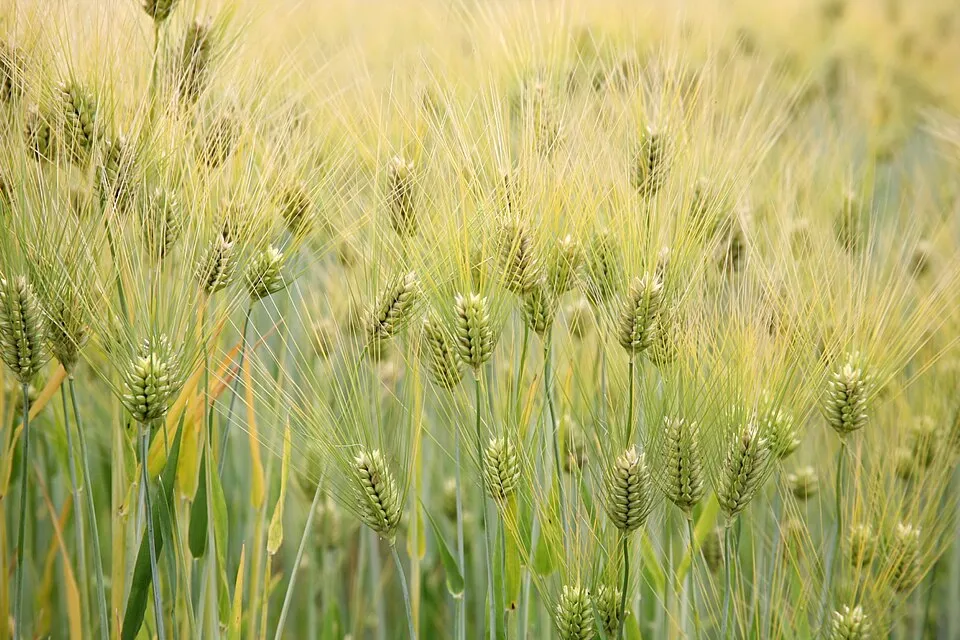
Barley Grass, derived from the young, tender shoots of the common barley plant, Hordeum vulgare, stands as a venerable medicinal and nutritional powerhouse with a history spanning over 10,000 years. Its origins trace back to the Fertile Crescent, marking it as one of humanity’s earliest cultivated grains. While the mature grains of Hordeum vulgare have been historically central to food and brewing, the practice of consuming the vibrant young grass for its profound health benefits has seen a significant resurgence in the 20th and 21st centuries. Globally, this adaptable annual grass thrives in a wide spectrum of climates, from temperate zones to subtropical regions, demonstrating its remarkable resilience. Botanically, Hordeum vulgare is an annual grass belonging to the Poaceae family. The young grass shoots, typically harvested when they reach an optimal height of 15-25 cm, are characterized by their intense green coloration, a visual indicator of their rich chlorophyll content.
This specific harvesting stage is critical because, at this juvenile phase, the plant has not yet initiated its reproductive cycle. Consequently, its metabolic energy and a concentrated array of nutrients are directed and stored primarily within the leaves, rather than being diverted towards grain development. This fundamental distinction underpins the vastly superior nutritional profile of barley grass compared to its mature grain counterpart. Historically, various cultures recognized the plant’s therapeutic potential. Ancient Asian and Middle Eastern civilizations incorporated young barley and wheat grasses into their diets, with traditional uses leveraging its purported ‘cooling’ nature in Ayurvedic medicine and its capacity to ‘cleanse heat and toxins’ within Traditional Chinese Medicine (TCM). The ancient Greeks utilized mucilage from barley to treat gastrointestinal inflammations, and Roman physician Pliny even documented its use in ritualized cures for boils.
Gladiators famously consumed barley for strength and stamina, underscoring its historical association with vitality. Modern scientific inquiry has increasingly validated many of these time-honored traditional claims, identifying a complex and synergistic array of bioactive compounds within barley grass. These include a high concentration of essential vitamins such as A (as beta-carotene), C, K, and a comprehensive spectrum of B vitamins (B1, B2, B6, B12, pantothenic acid, folic acid). It is also abundant in vital minera ...[CURRENT TEXT EXISTS: 3394 chars]
1.1.Barley Grass — Highlights
- ✓Rich Chlorophyll Content — Imparts vibrant green color and offers potent detoxification and antioxidant properties.
- ✓Comprehensive Nutrient Profile — Packed with a wide array of essential vitamins, minerals, and amino acids.
- ✓Powerful Antioxidant Activity — Contains SOD, saponarin, lutonarin, and beta-carotene to combat free radicals.
- ✓Significant Anti — inflammatory Properties — Helps reduce systemic inflammation and related discomfort.
- ✓High Dietary Fiber — Supports healthy digestion, bowel regularity, and gut microbiome balance.
- ✓Natural Detoxifier — Aids in the removal of heavy metals and toxins from the body.
- ✓Immune System Enhancer — Boosts the body's natural defenses and resilience.
- ✓Cholesterol Management — Phytosterols contribute to healthier lipid profiles.
- ✓Blood Sugar Support — Fiber content assists in stabilizing glucose levels.
- ✓Alkalizing Agent — Helps balance the body's pH, promoting an alkaline environment.
- ✓Energy and Vitality Booster — Contributes to sustained energy levels and reduced fatigue.
- ✓Gluten — Free (typically) — Young grass is generally free of gluten, unlike the grain, but cross-contamination is a consideration.
- ✓Ancient Ethnobotanical History — Revered for health benefits for thousands of years across various cultures.
- ✓Sustainable Cultivation — An annual crop that can be grown efficiently in diverse climates.
1.2.Barley Grass — At-a-Glance Summary
- ✓Ancient Superfood — Cultivated for millennia, barley grass is the young, nutrient-dense shoot of Hordeum vulgare.
- ✓Nutritional Powerhouse — Rich in vitamins (A, C, K, B-complex), minerals (Ca, Fe, Mg, K), chlorophyll, enzymes (SOD), and amino acids.
- ✓Antioxidant & Anti-inflammatory — Contains potent antioxidants like saponarin and lutonarin, reducing oxidative stress and inflammation.
- ✓Digestive & Detox Support — High fiber aids digestion, while chlorophyll assists in detoxification pathways.
- ✓Cardiovascular Benefits — Phytosterols like beta-sitosterol help manage cholesterol levels.
- ✓Traditional & Modern Use — Valued in Ayurveda and TCM, now scientifically recognized for its broad health benefits.
- ✓Versatile Consumption — Available as fresh juice, powder, or capsules for easy integration into daily diet.
2.Barley Grass — Nomenclature & Classification
3.Barley Grass — Key Data
4.Barley Grass — Botanical Features
5.Barley Grass — Origin & Spread
6.Barley Grass — Heritage Uses
7.Barley Grass — Chemical Profile
- ✓Vitamins — Including Vitamin A (as beta-carotene), Vitamin C, Vitamin E, Vitamin K, and various B vitamins (B1, B2, B3, B5, B6, B12) which are crucial for numerous bodily functions.
- ✓Minerals — Rich in essential minerals such as calcium, iron, magnesium, potassium, zinc, phosphorus, and selenium, vital for bone health, energy production, and immune function.
- ✓Antioxidants — Contains potent antioxidants like superoxide dismutase (SOD), flavonoids, phenolic acids, and vitamin C, which protect cells from oxidative damage.
- ✓Amino Acids — Provides all essential amino acids, forming the building blocks for proteins, and non-essential amino acids.
- ✓Enzymes — Features various active enzymes, including amylase and protease, which aid in digestion and metabolic processes.
- ✓Fiber — High in both soluble (beta-glucans) and insoluble fiber, promoting digestive health and aiding in cholesterol and blood sugar management.
- ✓Chlorophyll — The green pigment known for its potential detoxification and antioxidant properties.
8.Barley Grass — Pharmacological Findings
- ✓Antioxidant Powerhouse — Barley grass is rich in antioxidants like superoxide dismutase (SOD), vitamin C, and beta-carotene, which combat free radicals, protecting cells from oxidative stress and reducing the risk of chronic diseases such as heart disease and cancer.
- ✓Digestive Health Support — The high fiber content, including soluble and insoluble fibers, promotes regular bowel movements, prevents constipation, and nourishes beneficial gut bacteria, contributing to a healthy digestive system and potentially alleviating symptoms of inflammatory bowel diseases.
- ✓Immune System Booster — Its array of vitamins, minerals, and antioxidants strengthens the immune system, enhancing the body's ability to fight off infections and illnesses.
- ✓Blood Sugar Regulation — Certain compounds in barley grass, particularly beta-glucans, have been shown to help slow down carbohydrate absorption, leading to more stable blood sugar levels and potentially benefiting individuals with type 2 diabetes.
- ✓Cholesterol Management — The soluble fiber in barley grass can bind to cholesterol in the digestive tract, preventing its absorption and helping to lower LDL (bad) cholesterol levels, thus supporting cardiovascular health.
- ✓Detoxification Aid — Chlorophyll, the pigment that gives barley grass its green color, is believed to aid in the detoxification of the body by binding to heavy metals and other toxins, facilitating their removal.
- ✓Anti-inflammatory Properties — The antioxidants and other bioactive compounds in barley grass possess anti-inflammatory effects, which can help reduce inflammation throughout the body, potentially easing conditions like arthritis.
- ✓Skin Health Improvement — The antioxidants and nutrients contribute to healthier skin by protecting against UV damage, promoting collagen production, and reducing inflammation associated with skin conditions.
- ✓Energy Enhancement — Its rich nutrient profile, including B vitamins, can support energy metabolism, helping to combat fatigue and improve overall vitality.
- ✓Nutrient Density — Barley grass is a nutritional powerhouse, providing a wide spectrum of essential vitamins (A, C, E, K, B vitamins), minerals (calcium, iron, magnesium, potassium, zinc), amino acids, and enzymes, making it an excellent supplement for overall well-being.
- ✓Alkalizing Effect — Despite being a grain, barley grass juice is considered alkaline-forming, which may help balance the body's pH levels, counteracting the acidity from processed foods and contributing to better health.
- ✓Potential Anti-Cancer Effects — Preliminary research suggests that compounds in barley grass may have anti-cancer properties, potentially inhibiting the growth of cancer cells, though more human studies are needed.
- ✓Wound Healing Support — Its anti-inflammatory and antioxidant properties, along with essential nutrients, may contribute to faster wound healing and tissue repair.
8.1.Barley Grass — Conditions Traditionally Used For
9.Barley Grass — Safety & Side Effects
9.1.Barley Grass — Caution Notes
- ✓Barley grass is generally considered safe for most people when consumed in moderation as part of a balanced diet or as a supplement.
- ✓However, some individuals may experience mild digestive discomfort, such as bloating or gas, particularly when first introducing it into their diet.
- ✓Those with celiac disease or gluten sensitivity should exercise caution, as barley is a gluten-containing grain, although the grass itself is typically processed to remove gluten, it's advisable to check product labeling for gluten-free certification.
9.2.Barley Grass — Safety Overview
- ✓Barley grass is widely recognized for its safety profile and is often used as a nutritional supplement. It is recommended to start with a small dose to assess tolerance and gradually increase it.
- ✓Pregnant and breastfeeding women should consult with a healthcare professional before using barley grass supplements due to a lack of extensive research in these populations. Individuals with specific medical conditions or those taking medications should also seek professional medical advice to ensure no adverse interactions.
10.Barley Grass — Preparations & Uses
- ✓Juicing Fresh Grass — Extract fresh juice from young barley grass shoots using a slow masticating juicer to preserve enzymes and nutrients. Consume immediately for maximum benefit.
- ✓Powdered Supplement — Dried barley grass is commonly processed into a fine powder. Mix 1-2 teaspoons (approx. 3-6g) with water, juice, or smoothies daily.
- ✓Capsules and Tablets — For convenience, barley grass extract or powder is available in capsule or tablet form. Follow manufacturer's dosage instructions, typically 1-3 capsules per day.
- ✓Smoothie Booster — Add a scoop of barley grass powder to your favorite fruit or vegetable smoothies for an enhanced nutritional profile and vibrant green color.
- ✓Culinary Ingredient — Incorporate powdered barley grass into salad dressings, homemade energy bars, or sprinkle over salads and soups for a nutritional boost.
- ✓Topical Applications — While less common, some traditional practices or modern formulations may use barley grass extracts in skin creams or poultices for its anti-inflammatory and antioxidant properties.
- ✓Dosage for Specific Conditions — For cholesterol reduction, studies have suggested a dosage of around 15g per day of dried barley leaf extract, often divided into multiple servings.
- ✓Timing of Consumption — Many prefer to consume barley grass in the morning on an empty stomach to optimize nutrient absorption and kickstart metabolism.
- ✓Consult a Professional — Always consult with a healthcare professional or qualified herbalist before starting any new supplement regimen, especially for specific health concerns.
11.Barley Grass — How to Grow
- ✓Climate — Barley grass thrives in a wide range of temperate climates, preferring full sun exposure and can tolerate diverse conditions.
- ✓Soil Preparation — Requires well-drained, fertile soil with a pH between 6.0 and 7.5. Enriching the soil with organic matter like compost is beneficial.
- ✓Planting — Seeds are typically sown directly into the soil in early spring or late summer, at a depth of about 1-2 cm, with rows spaced to allow for growth.
- ✓Watering — Consistent moisture is crucial, especially during germination and early growth. Soil should be kept moist but not waterlogged.
- ✓Fertilization — While fertile soil is preferred, additional organic fertilizer can be applied if growth appears sluggish, avoiding excessive nitrogen which can lead to lush but weak growth.
- ✓Harvesting Time — For optimal nutritional value, barley grass is harvested when it is young and tender, typically 15-25 cm tall, before the jointing stage when the grain head begins to form.
- ✓Harvesting Method — The grass can be cut about 2-3 cm above the soil line, allowing for multiple harvests from the same planting.
- ✓Pest and Disease Management — Generally robust, but watch for common grass pests like aphids or fungal diseases, managing them with organic or preventative methods.
- ✓Crop Rotation — Practicing crop rotation can help maintain soil health and reduce the buildup of specific pests and diseases.
- ✓Container Growing — Barley grass can also be successfully grown in containers indoors or on balconies, providing fresh greens year-round.
Reviewed by the Flora Medical Global Botanical Review Panel
Multi-disciplinary editorial group · Botany · Ethnobotany · Herbal-medicine literature
Who reviewed this: This page was checked by the Flora Medical Global Botanical Review Panel — an in-house editorial group of botany graduates, ethnobotany researchers, and horticulture practitioners who collectively maintain our 7,000+ plant encyclopedia. Meet the team.
Our 4-step verification process
1. Taxonomic verification
Scientific names and synonyms cross-checked against Kew POWO, World Flora Online, and The Plant List.
2. Phytochemical & medicinal cross-reference
Active compounds, traditional uses, and reported activities are cross-referenced with PubMed, USDA Dr. Duke's database, and peer-reviewed ethnobotanical literature.
3. Conservation & distribution check
Distribution, ecology, and conservation status confirmed against GBIF occurrence records and the IUCN Red List.
4. Editorial & safety review
Every entry passes an editorial pass for clarity, originality, and safety notices (toxicity, contraindications, dosage caveats) before publication.
Last reviewed:
Important medical disclaimer: This content is for educational and research purposes only. It is not medical advice and is not a substitute for consultation with a licensed healthcare provider. Do not use any herb to self-treat a medical condition without professional guidance.
Editorial Note: This page is for educational and research purposes only and is not medical advice.
Written by: Flora Medical Global Editorial Team
Reviewed by: Flora Medical Global Botanical Review Panel
Last Updated: June 16, 2026






Barley Grass — Comments & Community Reviews
Rate this plant