
Medical Disclaimer: This content is for educational purposes only. It is not medical advice. Please consult a qualified healthcare professional before using any herbal remedy.
Safety Overview
1.Bashak (Malabar Nut) — Essential Profile

Adhatoda vasica, widely recognized as Bashak or Malabar Nut, is a prominent evergreen shrub native to the Indian subcontinent, belonging to the botanical family Acanthaceae. Its scientific name, Adhatoda, originates from the Sinhalese term 'Adathodai,' meaning 'not touched by horses,' a clear indication of its natural resistance to grazing animals, which facilitates its widespread natural propagation. This resilient plant is distinguished by its characteristic lanceolate leaves, typically dark green and glossy, and its striking white flowers intricately veined with purple, often arranged in dense spikes. The plant develops a robust, fibrous root system that enables it to thrive across diverse soil conditions, while its stems are woody and frequently multi-branched.
Historically, Bashak's profound medicinal value has been meticulously documented for millennia, deeply embedded in traditional healing systems such as Ayurveda, Unani, and to a lesser extent, Traditional Chinese Medicine (TCM). Ancient Ayurvedic texts, including the Charaka Samhita and Sushruta Samhita, dating back to at least 2000 BC, extensively detail its application, primarily for addressing a wide spectrum of respiratory ailments. The leaves, roots, and flowers are the primary ethnobotanically significant parts, prized for their antitussive, expectorant, bronchodilator, and anti-inflammatory properties. These attributes have firmly established its role as a fundamental remedy for conditions like persistent cough, asthma, chronic bronchitis, and other respiratory disorders.
Modern pharmacological investigations have largely substantiated these traditional claims, attributing the plant's therapeutic efficacy to its rich profile of quinazoline alkaloids, most notably vasicine and vasicinone. These potent compounds are known to stimulate bronchial secretions, induce relaxation of bronchial smooth muscles, and exhibit significant mucolytic effects, contributing to Bashak's reputation as a powerful respiratory aid.
Trusted Scientific References
Authoritative external sources for Adhatoda vasica:
1.1.Bashak (Malabar Nut) — Distinguishing Points
- ✓Botanical Origin — Evergreen shrub native to the Indian subcontinent, thriving in tropical and subtropical regions.
- ✓Primary Action — Potent respiratory remedy, highly effective for cough, asthma, bronchitis, and other chest ailments.
- ✓Active Compounds — Rich in quinazoline alkaloids, particularly vasicine and vasicinone, which drive its therapeutic effects.
- ✓Traditional Use — A core herb in Ayurvedic and Unani medicine, revered for millennia for its healing properties.
- ✓Distinctive Morphology — Characterized by lanceolate, glossy dark green leaves and white flowers with prominent purple venation.
- ✓Unpalatability — The name 'Adhatoda' signifies its natural resistance to grazing animals, ensuring its survival.
- ✓Forms of Use — Commonly prepared as decoctions, infusions, fresh juice, powders, and incorporated into herbal syrups.
- ✓Anti — inflammatory — Effectively reduces inflammation in the respiratory passages, alleviating symptoms of irritation.
- ✓Mucolytic Property — Helps thin and expel thick mucus, thereby clearing congested airways and facilitating easier breathing.
- ✓Safety Concern — Strictly contraindicated for pregnant individuals due to its potent uterotonic and abortifacient effects.
1.2.Bashak (Malabar Nut) — Quick Summary
- ✓Bashak (Malabar Nut) is a powerful evergreen shrub from the Indian subcontinent.
- ✓It's a cornerstone of Ayurveda, primarily for respiratory conditions like cough and asthma.
- ✓Its efficacy stems from quinazoline alkaloids, notably vasicine and vasicinone.
- ✓These compounds offer bronchodilatory, expectorant, and anti-inflammatory benefits.
- ✓It is critically contraindicated during pregnancy due to its abortifacient properties.
- ✓Common uses include decoctions, infusions, and herbal syrups for respiratory relief.
2.Bashak (Malabar Nut) — Scientific Identity
3.Bashak (Malabar Nut) — Categories & Tags
4.Bashak (Malabar Nut) — Physical Description
5.Bashak (Malabar Nut) — Traditional Uses
6.Bashak (Malabar Nut) — Chemical Profile
- ✓Quinazoline Alkaloids — Key active compounds include vasicine, vasicinone, adhatodine, and vasicol, which are responsible for the plant's potent bronchodilatory, expectorant, and antitussive effects.
- ✓Flavonoids — Compounds like quercetin and kaempferol contribute to the plant's antioxidant and anti-inflammatory activities, supporting cellular health.
- ✓Phenolic Compounds — Various phenolic acids are present, offering significant antioxidant properties that help combat free radical damage.
- ✓Tannins — These compounds impart astringent properties to the plant, useful in traditional remedies for certain gastrointestinal issues and wound healing.
- ✓Saponins — Known for their foam-forming characteristics, saponins may contribute to the expectorant action by thinning mucus.
- ✓Volatile Oils — Aromatic compounds found in the plant contribute to its distinctive scent and may possess mild antiseptic properties.
- ✓Glycosides — A range of glycosides are present, which may exert various pharmacological effects, though specific actions are still under investigation.
- ✓Steroids — Plant steroids, or phytosterols, are found in Bashak and may play a role in its anti-inflammatory and other therapeutic properties.
- ✓Carbohydrates — Mucilage, a type of carbohydrate, provides soothing effects, particularly beneficial for irritated mucous membranes in the respiratory tract.
- ✓Vitamins and Minerals — Trace amounts of essential vitamins and minerals are present, offering general nutritional support.
7.Bashak (Malabar Nut) — Scientific Evidence
- ✓Respiratory Health Support — Malabar Nut is a potent bronchodilator, expectorant, and mucolytic, highly effective in managing conditions such as asthma, bronchitis, and persistent cough by clearing airway passages and easing breathing.
- ✓Anti-inflammatory Action — The plant's compounds help reduce inflammation throughout the respiratory tract and other body systems, alleviating discomfort associated with inflammatory conditions.
- ✓Antitussive Properties — Bashak effectively suppresses the cough reflex, providing significant relief from both dry and productive coughs.
- ✓Antimicrobial Activity — Its extracts exhibit inhibitory effects against various bacteria and mycobacteria, supporting its traditional use in infections, including tuberculosis.
- ✓Immunomodulatory Effects — Adhatoda vasica helps modulate the immune system, potentially enhancing the body's natural defense mechanisms against pathogens.
- ✓Antispasmodic Effects — It aids in relieving spasms in the bronchial muscles, which is particularly beneficial for individuals suffering from asthmatic attacks or spasmodic coughs.
- ✓Digestive Aid — Traditionally, it has been used to support digestive health, though this application is less prominent than its respiratory benefits.
- ✓Blood Purifier — In traditional systems like Ayurveda, Bashak is considered a blood purifier, aiding in detoxification and promoting overall wellness.
- ✓Hepatoprotective Potential — Emerging research suggests that certain compounds in Adhatoda vasica may offer protective effects for the liver.
- ✓Dental Health — Early studies indicate that Malabar Nut may help prevent plaque growth and support overall oral hygiene when used in dental formulations.
- ✓Antioxidant Properties — The presence of flavonoids and phenolic compounds contributes to its antioxidant capacity, combating oxidative stress.
- ✓Wound Healing — Traditional applications include topical use of crushed leaves to promote healing of minor wounds and skin irritations.
7.1.Bashak (Malabar Nut) — Therapeutic Indications
8.Bashak (Malabar Nut) — Cautions & Contraindications
8.1.Bashak (Malabar Nut) — Warnings
- ✓Gastrointestinal Upset — Some individuals may experience nausea, vomiting, or diarrhea, particularly with high doses or sensitive stomachs.
- ✓Uterine Contractions — The presence of vasicine can stimulate uterine contractions, making it potentially abortifacient and extremely dangerous during pregnancy.
- ✓Hypotension — In susceptible individuals, Malabar Nut may cause a drop in blood pressure, especially if taken with antihypertensive medications.
- ✓Dizziness — High dosages or individual sensitivity might lead to feelings of dizziness or lightheadedness.
- ✓Allergic Reactions — Although rare, some people may develop allergic reactions, manifesting as skin rashes, itching, or other hypersensitivity symptoms.
- ✓Drug Interactions — It may interact with anticoagulant medications, antiplatelets, and blood pressure-lowering drugs, increasing their effects.
- ✓Toxicity at High Doses — Excessive intake beyond recommended dosages could potentially lead to liver or kidney toxicity.
8.2.Bashak (Malabar Nut) — Safety Profile
- ✓Pregnancy — Malabar Nut is strictly contraindicated during pregnancy due to its potent uterotonic and abortifacient properties, posing a high risk to fetal health.
- ✓Breastfeeding — Avoid use during breastfeeding as the effects on a nursing infant are unknown and could be harmful.
- ✓Children — Administer to children only under the direct supervision of a qualified healthcare practitioner, with careful dosage adjustments.
- ✓Pre-existing Conditions — Individuals with heart conditions, liver disease, kidney impairment, or bleeding disorders should consult a doctor before use.
- ✓Drug Interactions — Exercise caution when combining with anticoagulant medications, antiplatelets, or blood pressure-lowering drugs, as interactions are possible.
- ✓Dosage Adherence — Always adhere strictly to recommended dosages from a qualified medical herbalist or healthcare provider to avoid adverse effects.
- ✓Quality Sourcing — Ensure that any Malabar Nut product is sourced from reputable suppliers to guarantee purity, potency, and freedom from contaminants.
9.Bashak (Malabar Nut) — Preparations & Uses
- ✓Decoction — A common method involves boiling fresh or dried leaves and sometimes roots in water to extract active compounds, often consumed for respiratory ailments.
- ✓Infusion — Steeping fresh or dried leaves in hot water creates a milder infusion, suitable for regular consumption as a general tonic or for minor coughs.
- ✓Fresh Juice — The juice extracted from fresh Malabar Nut leaves is traditionally mixed with honey and administered to alleviate cough and cold symptoms.
- ✓Powder — Dried leaves and other plant parts are ground into a fine powder, which can be encapsulated or mixed with other ingredients for various formulations.
- ✓Herbal Syrups — Commercial and homemade cough syrups frequently incorporate Adhatoda vasica extract for its potent expectorant and antitussive properties.
- ✓Topical Pastes — Crushed fresh leaves can be made into a paste and applied externally to reduce inflammation, swelling, or to aid in wound healing.
- ✓Gargles — A decoction of Bashak leaves can be used as a gargle to soothe sore throats and alleviate pharyngeal irritation.
- ✓Traditional Smoking — In some traditional practices, dried leaves were smoked to provide immediate relief from asthma symptoms, though this method is not widely recommended due to health concerns.
10.Bashak (Malabar Nut) — Garden Cultivation
- ✓Propagation — Malabar Nut is typically propagated through seeds or, more commonly, by stem cuttings, which root easily.
- ✓Climate — It thrives in tropical to subtropical climates, requiring warm temperatures and being sensitive to frost.
- ✓Soil — The plant prefers well-drained loamy soil with a pH range of 6.0 to 7.5, though it can tolerate a variety of soil types.
- ✓Sunlight — Adhatoda vasica grows best in full sun to partial shade, with adequate light promoting vigorous growth and higher alkaloid content.
- ✓Watering — Moderate and consistent watering is essential, ensuring the soil remains moist but never waterlogged.
- ✓Fertilization — Regular application of organic compost or a balanced NPK fertilizer during its active growing season can enhance plant health and yield.
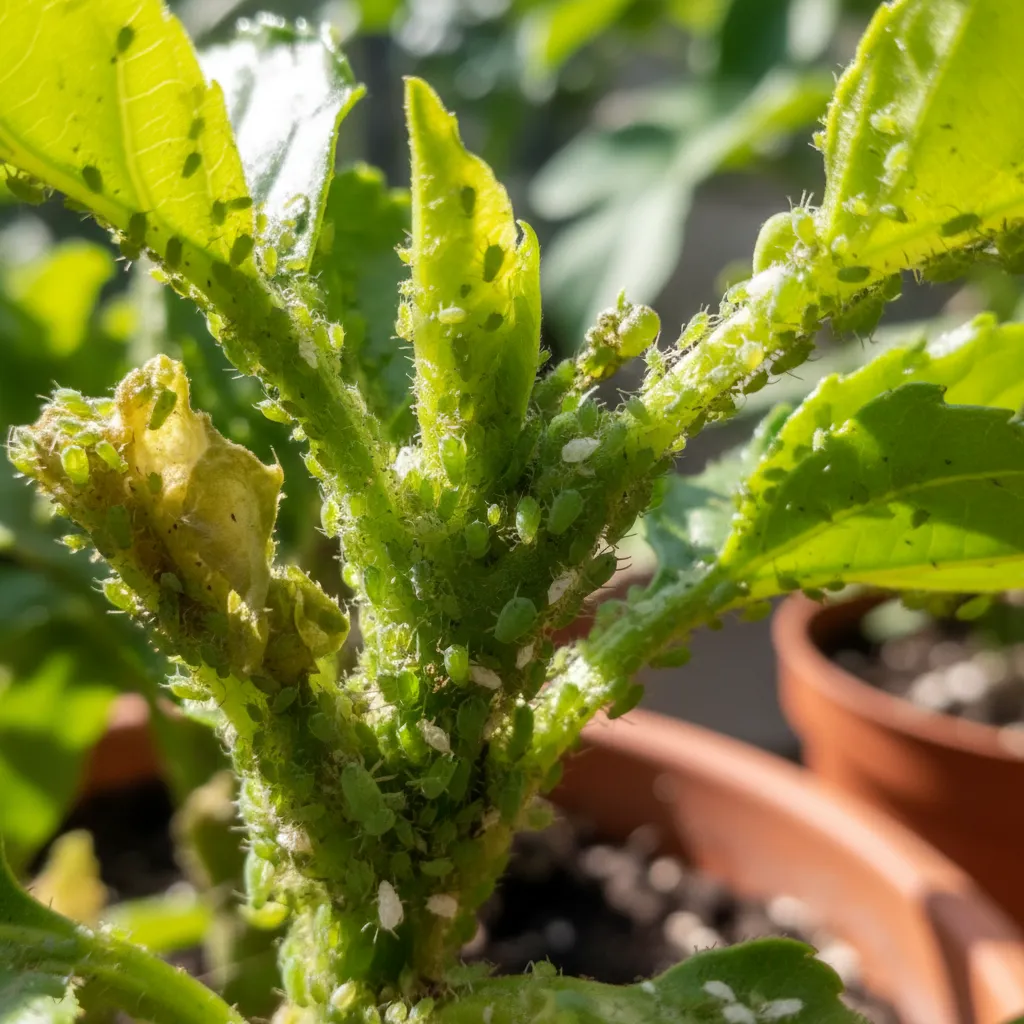
- ✓Pest and Disease Management — The plant is generally robust and relatively resistant to most pests and diseases, though occasional issues like aphid infestations may occur.
- ✓Harvesting — Leaves can be harvested as needed, typically after the plant is 1-2 years old, with roots and stems collected for specific medicinal preparations.
Reviewed by the Flora Medical Global Botanical Review Panel
Multi-disciplinary editorial group · Botany · Ethnobotany · Herbal-medicine literature
Who reviewed this: This page was checked by the Flora Medical Global Botanical Review Panel — an in-house editorial group of botany graduates, ethnobotany researchers, and horticulture practitioners who collectively maintain our 7,000+ plant encyclopedia. Meet the team.
Our 4-step verification process
1. Taxonomic verification
Scientific names and synonyms cross-checked against Kew POWO, World Flora Online, and The Plant List.
2. Phytochemical & medicinal cross-reference
Active compounds, traditional uses, and reported activities are cross-referenced with PubMed, USDA Dr. Duke's database, and peer-reviewed ethnobotanical literature.
3. Conservation & distribution check
Distribution, ecology, and conservation status confirmed against GBIF occurrence records and the IUCN Red List.
4. Editorial & safety review
Every entry passes an editorial pass for clarity, originality, and safety notices (toxicity, contraindications, dosage caveats) before publication.
Last reviewed:
Important medical disclaimer: This content is for educational and research purposes only. It is not medical advice and is not a substitute for consultation with a licensed healthcare provider. Do not use any herb to self-treat a medical condition without professional guidance.
Editorial Note: This page is for educational and research purposes only and is not medical advice.
Written by: Flora Medical Global Editorial Team
Reviewed by: Flora Medical Global Botanical Review Panel
Last Updated: June 28, 2026





Bashak (Malabar Nut) — Comments & Community Reviews
Rate this plant
No reviews yet. Be the first!