
Medical Disclaimer: This content is for educational purposes only. It is not medical advice. Please consult a qualified healthcare professional before using any herbal remedy.
Safety Overview
1.Bay Laurel — Botanical Snapshot
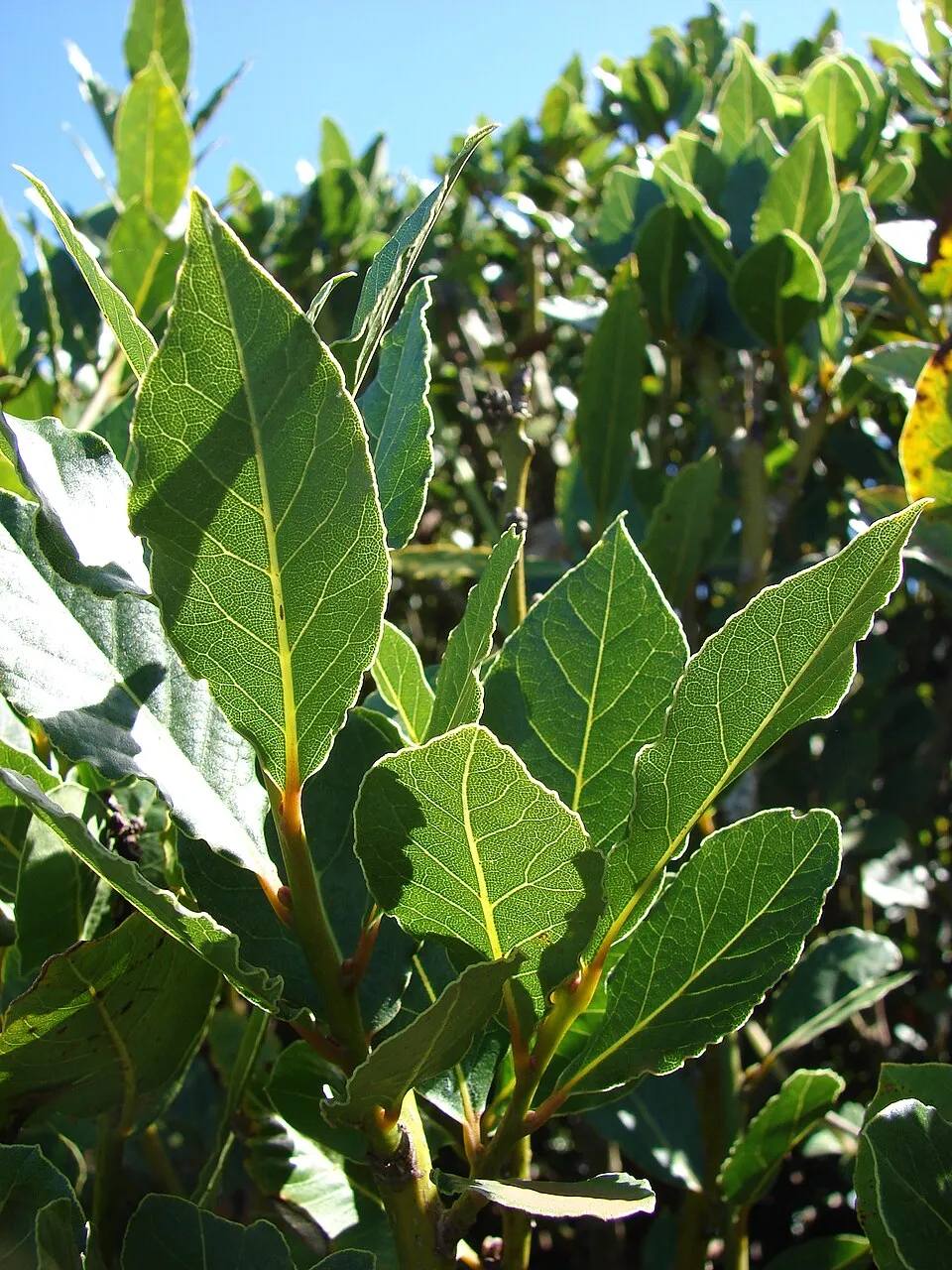
Bay Laurel, scientifically known as Laurus nobilis, is an esteemed evergreen tree or large shrub belonging to the ancient family Lauraceae. This iconic plant is celebrated for its highly aromatic leaves and its profound historical and cultural significance. Indigenous to the Mediterranean basin, encompassing Southern Europe and parts of Asia Minor, it flourishes in warm, temperate climates, often found in coastal regions or areas with well-drained, slightly acidic to alkaline soils, ideally with a pH range of 4.5–8.2.
Historically, Laurus nobilis holds a revered place in ancient Greek and Roman civilizations, where its branches were woven into wreaths to crown victors, poets, and emperors, symbolizing honor, wisdom, and glory. The very term 'baccalaureate,' signifying academic achievement, originates from the Latin 'bacca laureus,' meaning 'laurel berry,' underscoring its enduring association with scholarly success.
Botanically, Laurus nobilis is a robust plant, capable of reaching impressive heights of 7-18 meters in its native habitat, developing into a majestic tree. However, in cultivation, it is frequently pruned and maintained as a smaller shrub or ornamental tree. Its distinctive leaves are alternate, simple, elliptical to ovate-lanceolate, and possess a characteristic leathery texture.
They are a rich, dark green and glossy on the upper surface, with a paler, duller underside, typically measuring 6-12 cm in length and 2-4 cm in width. The margins are entire, and when crushed, the leaves release a strong, characteristic fragrance due to a high concentration of essential oils within glandular trichomes. The bark of Laurus nobilis is generally smooth and grayish-brown, becoming slightly fissured with age.
Flowering occurs in spring, presenting small, inconspicuous, pale yellow-green, dioecious flowers (male and female flowers on separate plants) borne in axillary clusters. These are followed in autumn by small, ovoid to subglobose drupes, approximately 1-1.5 cm long, which ripen from green to a shiny black. This species is widely distributed across Southern Europe, Southeast Asia, some Pacific islands, Australia, and parts of the Americas, thriving in moist atmospheric conditions near ocean shores.
Trusted Scientific References
1. Authoritative external sources for Laurus nobilis
1.1 Wikipedia — Laurus nobilis
1.2 Kew POWO (Plants of the World Online)
1.3 PubMed — peer-reviewed research
1.4 NCBI Taxonomy Browser
1.5 GBIF — Global Biodiversity
1.1.Bay Laurel — Highlights
- ✓Highly aromatic leaves — Highly aromatic leaves with a distinctive, pungent fragrance.
- ✓Evergreen shrub or tree, providing year — round foliage and aesthetic appeal.
- ✓Essential culinary herb, — Essential culinary herb, widely used to enhance flavor in diverse Mediterranean and global dishes.
- ✓Rich in beneficial essential oils, particularly 1,8 — cineole, and various phenolic compounds.
- ✓Exhibits significant anti — inflammatory, antioxidant, and antimicrobial activities.
- ✓Historically symbolic of — Historically symbolic of victory, honor, wisdom, and academic achievement.
- ✓Native to the — Native to the Mediterranean basin, thriving in warm, temperate climates.
- ✓Used in traditional — Used in traditional medicine systems for digestive, respiratory, and pain relief applications.
- ✓Versatile plant, suitable — Versatile plant, suitable for ornamental gardening, hedging, and container growing.
- ✓Provides natural insect — Provides natural insect repellent properties due to its potent essential oil content.
1.2.Bay Laurel — Quick Summary
- ✓Laurus nobilis, the classic Bay Laurel, is an evergreen tree or shrub native to the Mediterranean basin.
- ✓Revered historically for symbolic, culinary, and medicinal uses, its aromatic leaves are rich in essential oils.
- ✓Medicinally, it's valued for significant anti-inflammatory, antioxidant, antimicrobial, and digestive properties.
- ✓Key chemical compounds include 1,8-cineole, linalool, eugenol, and various flavonoids and phenolic acids.
- ✓Used in infusions, essential oils, and as a culinary spice, it requires careful dosing and adherence to safety guidelines, especially regarding essential oil ingestion.
- ✓Cultivation prefers well-drained soil and moderate sun, but it is sensitive to freezing temperatures.
2.Bay Laurel — Scientific Identity
3.Bay Laurel — Vital Statistics
4.Bay Laurel — Botanical Description
5.Bay Laurel — Native Range & Habitat
6.Bay Laurel — Folk Medicine Applications
7.Bay Laurel — Chemical Profile
- ✓Essential Oils — Predominantly composed of 1,8-cineole (eucalyptol), linalool, methyl chavicol (estragole), alpha-pinene, and eugenol, these volatile compounds are responsible for the characteristic aroma and many therapeutic actions, including antimicrobial, anti-inflammatory, and expectorant effects.
- ✓Flavonoids — Including quercetin, kaempferol, and their glycosides, these potent antioxidants contribute significantly to Bay Laurel's free radical scavenging capacity and anti-inflammatory properties.
- ✓Tannins — Astringent compounds that contribute to wound healing and have antioxidant effects, also potentially aiding in digestive health and acting as anti-diarrheals.
- ✓Alkaloids — While present in smaller quantities, these nitrogen-containing compounds can have diverse pharmacological activities, though specific active alkaloids in Bay Laurel are less frequently studied.
- ✓Phenolic Acids — Such as caffeic acid, gallic acid, and rosmarinic acid, these compounds provide significant antioxidant, anti-inflammatory, and antimicrobial benefits.
- ✓Sesquiterpenes — Compounds like germacrene and beta-caryophyllene contribute to the plant's complex aroma profile and may possess anti-inflammatory and insecticidal properties.
- ✓Fatty Acids — The berries yield a fatty oil rich in lauric acid, myristic acid, and oleic acid, which are traditionally used in soap making and for topical applications.
- ✓Coumarins — Naturally occurring compounds that can exhibit anticoagulant, anti-inflammatory, and antimicrobial activities.
- ✓Anthocyanins — Pigments found in the ripe black drupes, known for their strong antioxidant properties.
8.Bay Laurel — Evidence-Based Benefits
- ✓Antioxidant Activity — Rich in phenolic compounds and flavonoids, Bay Laurel helps neutralize free radicals, protecting cells from oxidative stress and supporting overall cellular health.
- ✓Anti-inflammatory Effects — Compounds like eugenol and 1,8-cineole contribute to reducing inflammation, potentially alleviating pain and swelling associated with various conditions.
- ✓Antibacterial Activity — Essential oils from Laurus nobilis exhibit broad-spectrum activity against pathogenic bacteria, making it useful in preventing and treating certain infections.
- ✓Antifungal Properties — Studies suggest Bay Laurel can inhibit the growth of various fungi, offering potential benefits for fungal skin conditions or internal mycoses.
- ✓Analgesic Effects — Traditionally used for pain relief, its compounds may modulate pain pathways, providing a natural alternative for mild to moderate discomfort.
- ✓Immunostimulant Support — Some constituents may enhance immune response, helping the body defend against pathogens more effectively.
- ✓Digestive Aid — Used traditionally to stimulate digestion, reduce flatulence, alleviate indigestion, and improve appetite due to its carminative properties.
- ✓Anticonvulsant Potential — Preliminary research indicates compounds in Laurus nobilis may possess properties that help reduce seizure activity, offering neuroprotective benefits.
- ✓Wound Healing Acceleration — Topically applied preparations may support tissue regeneration and accelerate the healing process of minor cuts, abrasions, and skin lesions.
- ✓Insect Repellent — The strong aromatic essential oils act as a natural deterrent against various insects, making it useful in pest control and as a personal repellent.
- ✓Anticholinergic Activity — Certain compounds may influence the cholinergic system, potentially offering therapeutic benefits in conditions related to acetylcholine regulation.
- ✓Antimutagenic Properties — Research indicates that extracts may help protect against DNA damage and mutations, contributing to cancer prevention.
8.1.Bay Laurel — Therapeutic Indications
9.Bay Laurel — Safety Considerations
9.1.Bay Laurel — Caution Notes
- ✓Allergic Reactions — Some individuals may experience contact dermatitis, skin irritation, or allergic reactions, especially when the essential oil is applied undiluted.
- ✓Gastrointestinal Upset — Ingesting large quantities of the leaves or essential oil can lead to nausea, vomiting, abdominal discomfort, or diarrhea.
- ✓Skin Sensitization — Undiluted essential oil can cause skin sensitization, redness, or a burning sensation, particularly in sensitive individuals.
- ✓Central Nervous System Depression — Very high doses of essential oil, especially if ingested, might potentially cause drowsiness, dizziness, or other central nervous system effects.
- ✓Liver Toxicity — Overuse or improper internal consumption of the essential oil may pose a risk to liver health due to certain constituents like methyl chavicol.
- ✓Photosensitivity — While rare, some individuals might experience increased skin sensitivity to sunlight after topical application of certain Bay Laurel preparations.
- ✓Choking Hazard — Whole Bay Laurel leaves are rigid and do not soften significantly during cooking, posing a potential choking hazard if not removed from food before consumption.
9.2.Bay Laurel — Safety Overview
- ✓Pregnancy and Lactation — Not recommended for use by pregnant or breastfeeding women due due to insufficient safety data and historical concerns regarding potential abortifacient properties in high doses.
- ✓Children — Exercise significant caution when considering Bay Laurel products for children; essential oils should be avoided or used with extreme dilution under strict professional guidance.
- ✓Internal Essential Oil Use — Bay Laurel essential oil should never be ingested internally without strict supervision from a qualified healthcare professional due to its potent concentration and potential toxicity.
- ✓Whole Leaf Ingestion — Whole Bay Laurel leaves are typically removed from food before consumption as they are sharp, difficult to digest, and pose a potential choking hazard.
- ✓Drug Interactions — May potentially interact with certain medications, including sedatives, anticoagulants, or drugs metabolized by the liver; consult a doctor before use if on medication.
- ✓Skin Sensitivity Testing — Always perform a patch test on a small area of skin before widespread topical application of Bay Laurel essential oil or infused products to check for adverse reactions.
- ✓Dosage Adherence — Adhere strictly to recommended dosages for medicinal preparations; excessive or prolonged use can increase the risk of adverse effects.
10.Bay Laurel — Preparations & Uses
- ✓Herbal Infusion (Tea) — Dried or fresh Bay Laurel leaves are steeped in hot water for 5-10 minutes to extract water-soluble compounds, consumed for digestive support or respiratory relief.
- ✓Decoction — Leaves and sometimes berries are simmered in water for a longer period to extract more robust compounds, often used for stronger medicinal preparations or external washes.
- ✓Essential Oil — Extracted via steam distillation from leaves and branches, used topically in diluted form for massage (e.g., for muscle pain) or aromatically via diffusion; never ingested without expert guidance.
- ✓Culinary Spice — Whole dried leaves are a staple in Mediterranean cuisine, added to soups, stews, sauces, and marinades during cooking to impart a distinctive aromatic flavor, traditionally removed before serving.
- ✓Topical Poultice/Compress — Crushed fresh leaves or a strong decoction can be applied externally as a compress for muscular aches, sprains, joint pain, or minor skin irritations.
- ✓Infused Oil — Leaves are steeped in a carrier oil (such as olive or almond oil) over several weeks to create an aromatic oil for topical application, massage, or use in balms.
- ✓Traditional Smoke/Fumigation — Dried leaves are sometimes burned as incense in traditional practices for purification, relaxation, or to repel insects in enclosed spaces.
11.Bay Laurel — How to Grow
- ✓Soil Requirements — Thrives in well-drained, sandy loam soil with a pH range of 4.5 to 8.2, enriched with organic matter for optimal growth.
- ✓Light Exposure — Prefers full sun to partial shade; in hotter climates, some afternoon shade can prevent leaf scorch and maintain vigor.
- ✓Watering Needs — Requires consistent moisture, especially during dry periods, but is susceptible to root rot in waterlogged conditions; established plants are moderately drought-tolerant.
- ✓Temperature Sensitivity — Highly sensitive to prolonged freezing; temperatures below -2°C (28°F) can cause severe damage or be fatal, necessitating winter protection in colder zones.
- ✓Propagation — Can be propagated from fresh seeds, which require cold stratification, or more commonly from semi-hardwood cuttings taken in late summer or early autumn.
- ✓Pruning — Benefits from regular pruning to maintain a desirable size and shape, encourage bushier growth, and facilitate leaf harvesting.
- ✓Fertilization — Light feeding with a balanced, slow-release fertilizer in spring can support vigorous growth, particularly for container-grown specimens.
- ✓Pest and Disease Resistance — Generally resistant to most pests and diseases, though scale insects and powdery mildew can occasionally be an issue.
Reviewed by the Flora Medical Global Botanical Review Panel
Multi-disciplinary editorial group · Botany · Ethnobotany · Herbal-medicine literature
Who reviewed this: This page was checked by the Flora Medical Global Botanical Review Panel — an in-house editorial group of botany graduates, ethnobotany researchers, and horticulture practitioners who collectively maintain our 7,000+ plant encyclopedia. Meet the team.
Our 4-step verification process
1. Taxonomic verification
Scientific names and synonyms cross-checked against Kew POWO, World Flora Online, and The Plant List.
2. Phytochemical & medicinal cross-reference
Active compounds, traditional uses, and reported activities are cross-referenced with PubMed, USDA Dr. Duke's database, and peer-reviewed ethnobotanical literature.
3. Conservation & distribution check
Distribution, ecology, and conservation status confirmed against GBIF occurrence records and the IUCN Red List.
4. Editorial & safety review
Every entry passes an editorial pass for clarity, originality, and safety notices (toxicity, contraindications, dosage caveats) before publication.
Last reviewed:
Important medical disclaimer: This content is for educational and research purposes only. It is not medical advice and is not a substitute for consultation with a licensed healthcare provider. Do not use any herb to self-treat a medical condition without professional guidance.
Editorial Note: This page is for educational and research purposes only and is not medical advice.
Written by: Flora Medical Global Editorial Team
Reviewed by: Flora Medical Global Botanical Review Panel
Last Updated: June 16, 2026





Bay Laurel — Comments & Community Reviews
Rate this plant