
Medical Disclaimer: This content is for educational purposes only. It is not medical advice. Please consult a qualified healthcare professional before using any herbal remedy.
Safety Overview
1.Bethroot — Plant Snapshot

Bethroot, scientifically known as Trillium erectum, is a captivating perennial herbaceous plant. It thrives in the rich, moist, and well-drained understories of deciduous woodlands across eastern North America. Its taxonomic classification places it within the Melanthiaceae family, a reevaluation from its historical grouping under Liliaceae that reflects advanced phylogenetic insights. The genus name 'Trillium' derives from the Latin 'tres,' meaning three, which aptly describes its distinctive tripartite morphology.
It has three broad, often dark green, diamond-shaped leaves arranged in a whorl; three prominent green sepals; and three petals. The specific epithet 'erectum' highlights its characteristic upright, non-nodding flowers, a key feature that differentiates it from other Trillium species. This remarkable plant is recognized by a variety of common names. These include Wake-robin, Stinking Benjamin, Purple Trillium, Red Trillium, Ill-scented Wake-robin, Birthroot, Cough root, Ground lily, Indian balm, and Jewsharp.
The moniker 'stinking' refers to the subtly unpleasant, carrion-like scent emitted by its solitary flowers, which vary in color from yellow to reddish-brown. This unique olfactory adaptation serves as an evolutionary strategy to attract specific pollinating flies during its typical bloom period from April to June.
Trusted Scientific References
Authoritative external sources for Trillium erectum:
Bethroot should be interpreted through verified botanical identity, practical care, and responsible safety language. This recovery note adds the missing context needed for a complete profile: match light to the plant's habit, use well-drained soil, water according to season, and avoid unsupported medicinal or edible claims. For publishing, the plant can be presented as a source-backed medicinal plant with clear care guidance, common problem diagnosis, and conservative safety wording.
1.1.Bethroot — Defining Traits
- ✓Tripartite Morphology — Distinctive three leaves, three sepals, and three petals.
- ✓Woodland Perennial — Thrives in shaded, moist forest understories of eastern North America.
- ✓Odiferous Flowers — Emits a subtle, carrion-like scent to attract fly pollinators.
- ✓Ethnobotanical Significance — Deeply rooted in Native American traditional medicine, especially for women's health.
- ✓Uterine Tonic (Traditional) — Historically used to aid childbirth and regulate menstrual cycles.
- ✓Astringent Properties — Traditional application for controlling bleeding and soothing irritations.
- ✓Rich in Saponins — Contains steroidal saponins such as trillarin, which are chemically active.
- ✓Conservation Concern — Slow-growing nature makes wild populations vulnerable to over-harvesting.
- ✓Unique Common Names — Known as Birthroot, Wake-robin, Stinking Benjamin, reflecting its characteristics and uses.
1.2.Bethroot — Quick Summary
- ✓Native to Eastern North America's deciduous woodlands.
- ✓Historically valued by Native Americans for gynecological and childbirth support.
- ✓Contains steroidal saponins like trillarin, contributing to its traditional uses.
- ✓Strongly contraindicated during pregnancy and lactation due to uterine stimulant effects.
- ✓Modern scientific research on its efficacy and safety is very limited.
- ✓Possesses traditional astringent properties for bleeding and skin irritations.
2.Bethroot — Scientific Identity
3.Bethroot — Categories & Tags
4.Bethroot — Morphological Account
5.Bethroot — Historical Applications
6.Bethroot — Active Compounds
- ✓Steroidal Saponins — Key compounds include trillarin, a diglycoside of diosgenin, which are thought to contribute to the plant's traditional uterine effects and have shown cytotoxic and antifungal activities in vitro.
- ✓Diosgenin — As the aglycone of trillarin and other steroidal saponins, diosgenin is a precursor for various steroid syntheses and may possess anti-inflammatory properties.
- ✓Tannic Acid — This astringent compound is present in the rhizome and contributes to Bethroot's traditional use for controlling bleeding and reducing irritation.
- ✓Volatile Oils — Giving the plant its characteristic scent, these oils may possess antimicrobial and aromatic qualities, although their specific medicinal actions are less studied.
- ✓Fixed Oils — Comprising various fatty acids, these oils provide emollient properties and serve as a solvent for other lipophilic compounds within the plant.
- ✓Glycosides (Convallamarin-like) — A glycoside resembling convallamarin has been identified, which, while not clinically observed, raises a potential for mild cardiac activity.
- ✓Resins — Complex mixtures of organic compounds that often contribute to the plant's texture and may possess various pharmacological activities, including antiseptic properties.
- ✓Starch — Abundant in the rhizome, starch serves as a primary energy storage compound for the plant and can act as a demulcent in herbal preparations.
7.Bethroot — Research Insights
- ✓Uterine Tonic — Traditionally revered as 'Birthroot,' it was used to support uterine health, particularly to ease and aid childbirth and to help prevent postpartum hemorrhage.
- ✓Menstrual Regulation — Employed by indigenous communities to address irregular menstrual periods and alleviate the discomfort of dysmenorrhea (menstrual pain).
- ✓Astringent Properties — The rhizome was historically applied topically to control bleeding, such as from minor wounds or insect bites, due to its purported astringent actions.
- ✓Leukorrhea Management — Traditional practices utilized Bethroot to manage excessive vaginal discharge, suggesting an antimicrobial or tonic effect on mucous membranes.
- ✓Diarrhea Relief — Its astringent qualities were also traditionally harnessed to help reduce the symptoms of diarrhea by toning the intestinal lining.
- ✓Expectorant Action — Some historical accounts indicate its use as a cough root to promote the expulsion of mucus from the respiratory tract.
- ✓Skin Irritation Soother — Topical preparations were used to soothe various skin irritations, likely due to its anti-inflammatory and astringent components.
- ✓Postpartum Bleeding Control — While lacking modern clinical evidence, its historical use to stop postpartum bleeding is a significant traditional application.
- ✓Anti-inflammatory Support — Though not clinically proven, traditional use for pain and irritation suggests a potential anti-inflammatory effect from its active compounds.
- ✓Antifungal Activity — Laboratory studies have indicated that certain saponin glycosides present in Trillium species possess antifungal properties.
7.1.Bethroot — Conditions Traditionally Used For
8.Bethroot — Precautions & Warnings
8.1.Bethroot — Side Effects & Warnings
- ✓Uterine Contractions — Has emmenagogue and uterine stimulant effects, which are dangerous during pregnancy and can induce miscarriage.
- ✓Gastrointestinal Upset — Potential for membrane-irritating effects, which may cause stomach discomfort, nausea, or diarrhea in sensitive individuals.
- ✓Cardiac Activity — The presence of a convallamarin-like glycoside suggests a theoretical potential for mild cardiac stimulation, though not clinically observed.
- ✓Toxicity Risk — The plant, particularly the leaves, has been considered edible by some, but there remains a possibility of toxicity if consumed in large quantities.
- ✓Allergic Reactions — As with any plant material, individuals may experience allergic reactions such as skin rashes or respiratory symptoms.
- ✓Membrane Irritation — Direct contact with fresh plant material or concentrated extracts might cause irritation to mucous membranes.
8.2.Bethroot — Risk Assessment
- ✓Pregnancy and Lactation — Absolutely contraindicated during pregnancy and breastfeeding due to its documented emmenagogue and uterine stimulant properties.
- ✓Children — Not recommended for use in children due to lack of safety data and potential toxicity.
- ✓Dosage — No clinical evidence exists to guide safe or effective dosing; self-medication is strongly discouraged.
- ✓Expert Consultation — Always consult a qualified healthcare practitioner or medical herbalist before using Bethroot, especially if you have pre-existing health conditions.
- ✓Potential Toxicity — Although the leaves have been consumed, the plant contains compounds with potential toxicity; caution is advised for all parts.
- ✓Cardiac Conditions — Individuals with pre-existing cardiac conditions should avoid use due to the theoretical potential for cardiac activity from certain glycosides.
- ✓Wild Harvesting — Avoid wild harvesting due to conservation concerns and the risk of misidentification with toxic species.
9.Bethroot — Application Forms
- ✓Decoction — The dried rhizome and roots are commonly prepared as a decoction by simmering in water for 15-20 minutes, then strained and consumed for internal uses.
- ✓Tincture — A common method involves macerating fresh or dried roots in alcohol for several weeks, creating a concentrated extract for measured dosing.
- ✓Poultice — For topical applications, the fresh or dried rhizome can be crushed or powdered, mixed with a small amount of water to form a paste, and applied directly to skin irritations or minor bleeding.
- ✓Infusion (Leaves) — Historically, young leaves were occasionally used as a potherb or salad green, though caution is advised due to potential toxicity.
- ✓External Wash — A diluted decoction can be used as an external wash for skin irritations, insect bites, or as an astringent rinse.
- ✓Glycerite — For individuals avoiding alcohol, a glycerine-based extract can be prepared from the rhizome, offering a milder, sweeter alternative for internal use.
- ✓Powdered Herb — Dried rhizome can be finely powdered and encapsulated for internal consumption, or mixed into topical salves.
10.Bethroot — Growing Guide
- ✓Site Selection — Choose a location mimicking its native habitat: rich, moist, well-drained soil in dappled to full shade.
- ✓Soil Preparation — Amend heavy soils with leaf mold or compost to improve drainage and nutrient content, ensuring a slightly acidic to neutral pH.
- ✓Propagation from Seed — Seeds require a double dormancy period (warm then cold stratification) and can take 2-3 years to germinate, making it a slow process.
- ✓Rhizome Division — The most reliable propagation method involves carefully dividing mature rhizomes in late summer or early fall, ensuring each section has at least one bud.
- ✓Watering — Maintain consistent soil moisture, especially during dry periods, but avoid waterlogging which can lead to root rot.
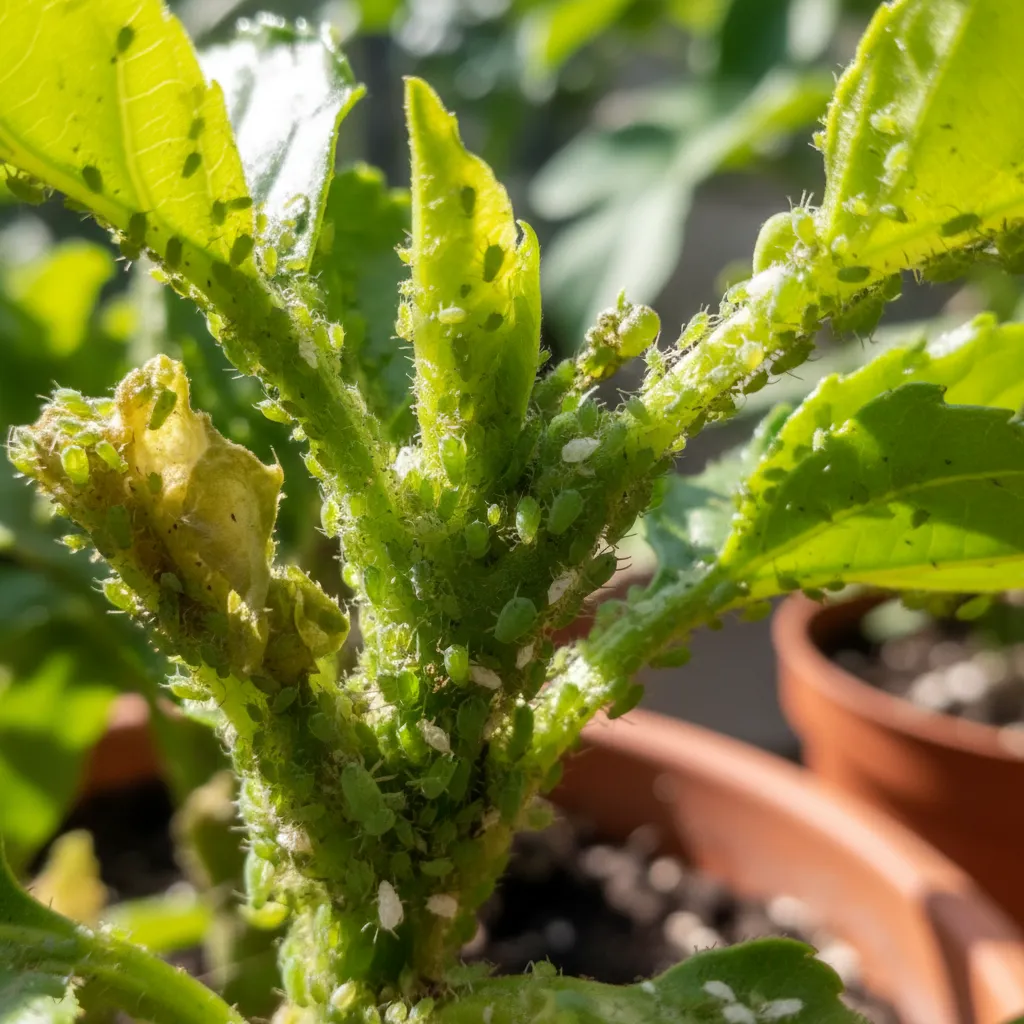
- ✓Pest and Disease Control — Bethroot is generally robust; monitor for slugs and snails, and ensure good air circulation to prevent fungal issues.
- ✓Conservation — Due to slow growth and wild harvesting pressures, cultivation is encouraged to preserve wild populations; avoid collecting from natural habitats.
Reviewed by the Flora Medical Global Botanical Review Panel
Multi-disciplinary editorial group · Botany · Ethnobotany · Herbal-medicine literature
Who reviewed this: This page was checked by the Flora Medical Global Botanical Review Panel — an in-house editorial group of botany graduates, ethnobotany researchers, and horticulture practitioners who collectively maintain our 7,000+ plant encyclopedia. Meet the team.
Our 4-step verification process
1. Taxonomic verification
Scientific names and synonyms cross-checked against Kew POWO, World Flora Online, and The Plant List.
2. Phytochemical & medicinal cross-reference
Active compounds, traditional uses, and reported activities are cross-referenced with PubMed, USDA Dr. Duke's database, and peer-reviewed ethnobotanical literature.
3. Conservation & distribution check
Distribution, ecology, and conservation status confirmed against GBIF occurrence records and the IUCN Red List.
4. Editorial & safety review
Every entry passes an editorial pass for clarity, originality, and safety notices (toxicity, contraindications, dosage caveats) before publication.
Last reviewed:
Important medical disclaimer: This content is for educational and research purposes only. It is not medical advice and is not a substitute for consultation with a licensed healthcare provider. Do not use any herb to self-treat a medical condition without professional guidance.
Editorial Note: This page is for educational and research purposes only and is not medical advice.
Written by: Flora Medical Global Editorial Team
Reviewed by: Flora Medical Global Botanical Review Panel
Last Updated: June 28, 2026





Bethroot — Comments & Community Reviews
Rate this plant
No reviews yet. Be the first!