
Medical Disclaimer: This content is for educational purposes only. It is not medical advice. Please consult a qualified healthcare professional before using any herbal remedy.
Safety Overview
1.Bhanga — At a Glance
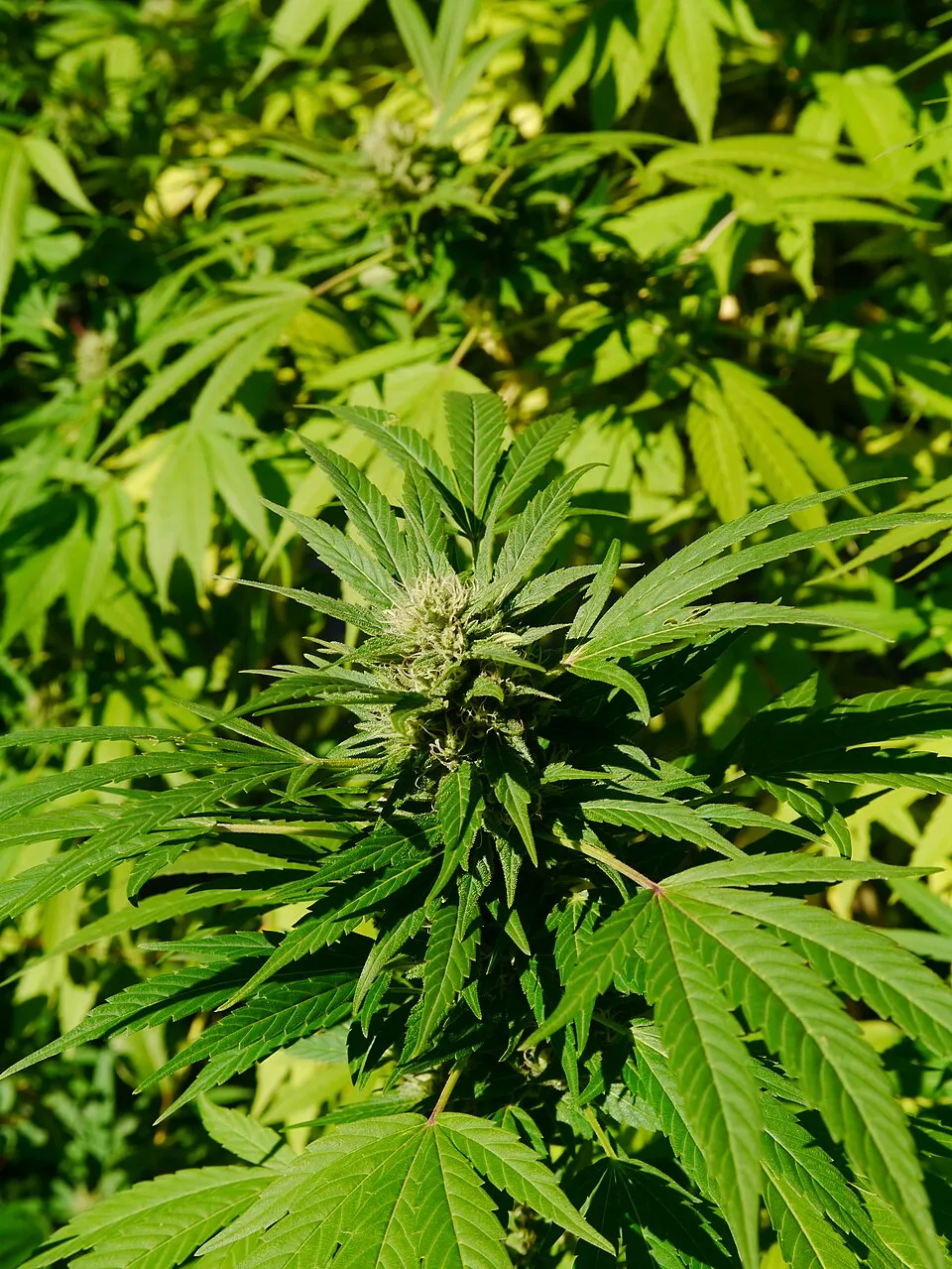
Bhanga, known scientifically as Cannabis sativa L., is a highly adaptable annual herbaceous plant belonging to the Cannabaceae family, a lineage also shared by hops. Its botanical origin is widely accepted to be Central Asia, from where its cultivation and diverse applications have spread globally over millennia, adapting to various climates.
Morphologically, Cannabis sativa typically exhibits a tall, erect growth habit, often reaching heights of 2 to 5 meters, sometimes more under optimal conditions. The stem is generally hollow, fibrous, and can be subtly ridged, varying in color from green to purplish hues depending on the cultivar and environmental factors.
Its most recognizable features are the palmate leaves, composed of 5 to 11 (or sometimes 3 to 13) distinct, lanceolate leaflets with sharply serrated margins, radiating from a central petiole. The upper leaf surfaces are often rough and dark green, while the undersides may be paler and feature prominent veins.
The root system is characterized by a strong taproot that can penetrate deeply, supported by numerous fibrous lateral roots, contributing to its resilience and ability to thrive in diverse soil conditions.
Cannabis sativa is predominantly dioecious, meaning individual plants are either distinctly male or female. Male plants produce small, yellowish-green flowers arranged in loose, branched panicles, primarily designed for pollen dispersal. Female plants develop more compact, dense inflorescences, often referred to as 'buds,' which are clustered along the stem and branches, particularly at the nodes.
These female flowers are rich in glandular trichomes, which are microscopic, mushroom-shaped structures responsible for synthesizing and storing the plant's characteristic cannabinoids, terpenes, and flavonoids. Pollination leads to the development of small, smooth, oval, or round achene fruits, commonly known as seeds, which are rich in essential fatty acids and proteins. The taxonomy of Cannabis sativa includes various subspecies like indica, ruderalis, and afghanica, though scientific debate continues regarding their precise classification.
Trusted Scientific References
1. Authoritative external sources for Cannabis sativa
1.1 Wikipedia — Cannabis sativa
1.2 Kew POWO (Plants of the World Online)
1.3 PubMed — peer-reviewed research
1.4 NCBI Taxonomy Browser
1.5 GBIF — Global Biodiversity
1.1.Bhanga — Notable Characteristics
- ✓Botanical Name — Cannabis sativa L.
- ✓Family — Cannabaceae, shared with hops.
- ✓Origin — Central Asia, globally distributed.
- ✓Morphology — Tall, fibrous stem, palmate leaves, dioecious.
- ✓Key Compounds — Cannabinoids (THC, CBD), terpenes, flavonoids.
- ✓Traditional Uses — Pain, inflammation, digestive, nervous disorders.
- ✓Modern Applications — Epilepsy, chronic pain, anti-nausea.
- ✓Psychoactive Potential — Primarily due to THC content.
- ✓Versatile Plant — Used for medicine, fiber, food, and recreation.
- ✓Legal Complexity — Highly regulated worldwide, varying by region.
1.2.Bhanga — In Brief
- ✓Ancient Plant with Diverse Uses — Bhanga has been utilized for millennia for fiber, food, medicine, and spiritual practices.
- ✓Rich Phytochemistry — Contains over 550 bioactive molecules, notably cannabinoids, terpenes, and flavonoids.
- ✓Wide Range of Medicinal Benefits — Offers relief for pain, inflammation, anxiety, nausea, and epilepsy.
- ✓Psychoactive and Non-Psychoactive Compounds — THC is psychoactive, while CBD offers therapeutic benefits without intoxication.
- ✓Varied Administration Methods — Can be inhaled, ingested, applied topically, or used in tinctures.
- ✓Important Safety and Legal Considerations — Requires careful dosage, awareness of contraindications, and adherence to local laws.
2.Bhanga — Scientific Identity
3.Bhanga — Key Data
4.Bhanga — Botanical Description
5.Bhanga — Native Range & Habitat
6.Bhanga — Heritage Uses
7.Bhanga — Phytochemistry
- ✓Cannabinoids — Over 100 unique compounds, including Δ9-tetrahydrocannabinol (THC), cannabidiol (CBD), cannabigerol (CBG), cannabinol (CBN), and tetrahydrocannabivarin (THCV). These are primary psychoactive and therapeutic compounds, interacting with the endocannabinoid system.
- ✓Terpenoids — Aromatic compounds like myrcene (sedative), limonene (mood elevation), beta-caryophyllene (anti-inflammatory), pinene (alertness), and linalool (anxiolytic). They contribute to the plant's scent and modulate cannabinoid effects through the 'entourage effect'.
- ✓Flavonoids — Compounds such as cannflavin A and B, apigenin, and quercetin. These possess antioxidant, anti-inflammatory, and neuroprotective properties.
- ✓Stilbenoids — A less common class of phenolic compounds with potential antioxidant and anti-inflammatory activities.
- ✓Lignanamides — Nitrogen-containing compounds found in seeds, exhibiting antioxidant and anti-inflammatory effects.
- ✓Carotenoids — Pigments like beta-carotene and lutein, acting as antioxidants and precursors to Vitamin A.
- ✓Alkaloids — While less prevalent, some alkaloids have been identified, though their specific roles are less understood than cannabinoids or terpenes.
- ✓Fatty Acids — Cannabis seeds are rich in omega-3 and omega-6 fatty acids (linoleic and alpha-linolenic acids) in an optimal ratio, along with gamma-linolenic acid (GLA), crucial for cardiovascular and immune health.
- ✓Waxes — Found on the plant surface, providing protective barriers.
- ✓Sterols — Such as beta-sitosterol, contributing to overall plant structure and potentially offering cholesterol-lowering benefits.
8.Bhanga — Scientific Evidence
- ✓Pain Management — Cannabinoids like THC and CBD interact with the endocannabinoid system, modulating pain perception and reducing chronic and acute pain.
- ✓Anti-inflammatory Action — Compounds such as CBD and beta-caryophyllene exhibit significant anti-inflammatory properties, potentially benefiting conditions like arthritis and inflammatory bowel disease.
- ✓Neuroprotective Effects — CBD, in particular, has shown promise in protecting neuronal cells from damage and reducing neuroinflammation, relevant for neurodegenerative disorders.
- ✓Anxiolytic Properties — Certain cannabinoid and terpene profiles can help reduce anxiety and promote relaxation by influencing neurotransmitter activity in the brain.
- ✓Antiemetic Effects — THC is well-documented for its ability to reduce nausea and vomiting, particularly useful for patients undergoing chemotherapy.
- ✓Appetite Stimulation — THC can increase appetite, often referred to as 'the munchies,' which is beneficial for individuals experiencing appetite loss due to illness.
- ✓Muscle Relaxant — Cannabis sativa can alleviate muscle spasms and spasticity, offering relief for conditions such as multiple sclerosis and spinal cord injuries.
- ✓Anticonvulsant Activity — CBD has been rigorously studied and approved for treating certain severe forms of epilepsy, significantly reducing seizure frequency.
- ✓Digestive Health Support — Traditional uses and emerging research suggest benefits for digestive issues, potentially by reducing inflammation and regulating gut motility.
- ✓Antioxidant Properties — Flavonoids and cannabinoids contribute to the plant's antioxidant capacity, helping to neutralize free radicals and reduce oxidative stress.
- ✓Skin Health — Topically applied cannabis preparations can soothe skin irritations, reduce inflammation, and promote healing due to their anti-inflammatory and antiseptic qualities.
- ✓Sleep Aid — Certain varieties and cannabinoid profiles, especially those higher in CBN or indica-dominant strains, can induce sedation and improve sleep quality.
8.1.Bhanga — Reported Uses
9.Bhanga — Safety Considerations
9.1.Bhanga — Possible Adverse Reactions
- ✓Psychoactive Effects — May include euphoria, altered perception, impaired coordination, anxiety, paranoia, or panic attacks, especially with high THC doses.
- ✓Cognitive Impairment — Can temporarily affect memory, concentration, and decision-making abilities, particularly in acute use.
- ✓Physical Symptoms — Common effects include dry mouth (cottonmouth), red eyes, increased heart rate, and dizziness.
- ✓Respiratory Issues — Smoking cannabis can lead to respiratory irritation, coughing, bronchitis, and other lung problems over time.
- ✓Dependence and Addiction — Regular, heavy use can lead to psychological and, in some cases, physical dependence, with withdrawal symptoms upon cessation.
- ✓Gastrointestinal Discomfort — Some individuals may experience nausea or stomach upset, particularly with edibles or high doses.
- ✓Impaired Driving — Significantly impairs driving ability and judgment, increasing the risk of accidents.
9.2.Bhanga — Safety Profile
- ✓Legal Status — Cannabis sativa is subject to varying legal regulations globally; users must be aware of local laws regarding possession, use, and cultivation.
- ✓Pregnancy and Lactation — Contraindicated during pregnancy and breastfeeding due to potential adverse effects on fetal and infant development.
- ✓Psychiatric Conditions — Individuals with a history of psychosis, schizophrenia, or severe anxiety should use with extreme caution, as it can exacerbate symptoms.
- ✓Cardiovascular Health — May increase heart rate and blood pressure, posing risks for individuals with pre-existing cardiovascular conditions.
- ✓Drug Interactions — Can interact with various medications, including blood thinners, sedatives, and antidepressants; consult a healthcare professional.
- ✓Impaired Driving — Avoid operating machinery or driving under the influence of cannabis due to cognitive and motor skill impairment.
- ✓Adolescent Use — Not recommended for adolescents due to potential long-term impacts on brain development.
10.Bhanga — Preparations & Uses
- ✓Inhalation (Smoking/Vaping) — Dried flowers are combusted or vaporized, allowing rapid absorption of cannabinoids through the lungs for immediate effects.
- ✓Edibles — Cannabis-infused foods (e.g., brownies, gummies) are ingested, leading to delayed onset but longer-lasting systemic effects as cannabinoids are metabolized by the liver.
- ✓Tinctures — Alcohol-based extracts taken sublingually (under the tongue) for faster absorption than edibles, bypassing first-pass liver metabolism.
- ✓Topicals — Balms, creams, and salves infused with cannabis extracts applied directly to the skin for localized relief of pain or inflammation without systemic psychoactive effects.
- ✓Teas/Infusions — Hot water extractions of leaves and flowers, often combined with a fat source to aid cannabinoid absorption, for mild therapeutic effects.
- ✓Concentrates/Extracts — Highly potent forms like oils, waxes, and shatters, consumed via dabbing or vaping for strong, immediate effects.
- ✓Seeds (Food) — Hemp seeds are consumed raw, roasted, or as oil/protein powder, primarily for their nutritional value (essential fatty acids, protein) with negligible cannabinoid content.
- ✓Suppositories — Rectal or vaginal administration for localized or systemic effects, often used to avoid inhalation or digestive issues, with varied absorption rates.
11.Bhanga — Garden Cultivation
- ✓Seed Germination — Start with viable seeds in a humid environment, typically indoors, using methods like paper towel or direct soil planting.
- ✓Soil Requirements — Prefers well-draining, nutrient-rich soil with a pH between 6.0 and 7.0; organic matter enhances growth.
- ✓Light Cycle — Requires specific light cycles for vegetative growth (18-24 hours light) and flowering (12 hours light, 12 hours dark) for photoperiod-sensitive strains.
- ✓Temperature and Humidity — Optimal temperatures range from 20-30°C (68-86°F) with moderate humidity (40-70% for vegetative, 40-50% for flowering).
- ✓Watering — Water thoroughly when the topsoil is dry, avoiding overwatering to prevent root rot.
- ✓Nutrient Management — Provide balanced nutrients, adjusting ratios of nitrogen, phosphorus, and potassium based on growth stage.
- ✓Air Circulation — Good airflow is crucial to prevent mold, mildew, and pest infestations, especially in dense flowering stages.
- ✓Pest and Disease Control — Implement integrated pest management (IPM) strategies to manage common pests like spider mites and powdery mildew.
Reviewed by the Flora Medical Global Botanical Review Panel
Multi-disciplinary editorial group · Botany · Ethnobotany · Herbal-medicine literature
Who reviewed this: This page was checked by the Flora Medical Global Botanical Review Panel — an in-house editorial group of botany graduates, ethnobotany researchers, and horticulture practitioners who collectively maintain our 7,000+ plant encyclopedia. Meet the team.
Our 4-step verification process
1. Taxonomic verification
Scientific names and synonyms cross-checked against Kew POWO, World Flora Online, and The Plant List.
2. Phytochemical & medicinal cross-reference
Active compounds, traditional uses, and reported activities are cross-referenced with PubMed, USDA Dr. Duke's database, and peer-reviewed ethnobotanical literature.
3. Conservation & distribution check
Distribution, ecology, and conservation status confirmed against GBIF occurrence records and the IUCN Red List.
4. Editorial & safety review
Every entry passes an editorial pass for clarity, originality, and safety notices (toxicity, contraindications, dosage caveats) before publication.
Last reviewed:
Important medical disclaimer: This content is for educational and research purposes only. It is not medical advice and is not a substitute for consultation with a licensed healthcare provider. Do not use any herb to self-treat a medical condition without professional guidance.
Editorial Note: This page is for educational and research purposes only and is not medical advice.
Written by: Flora Medical Global Editorial Team
Reviewed by: Flora Medical Global Botanical Review Panel
Last Updated: June 16, 2026





Bhanga — Comments & Community Reviews
Rate this plant