
Medical Disclaimer: This content is for educational purposes only. It is not medical advice. Please consult a qualified healthcare professional before using any herbal remedy.
Safety Overview
1.Bhumi Amla — Introduction & Highlights
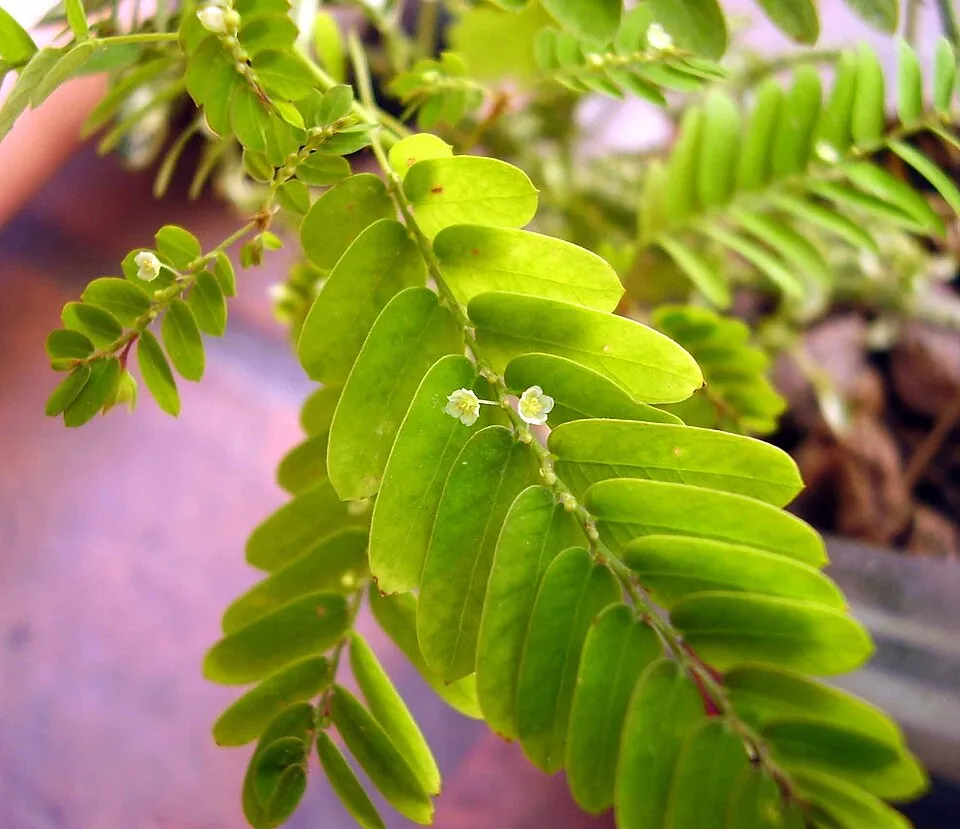
Bhumi Amla, scientifically known as Phyllanthus niruri, is a remarkable annual herb belonging to the Phyllanthaceae family, highly esteemed in traditional medicine. This diminutive plant typically grows to a height of 30-60 cm, characterized by its slender, often reddish stems and small, alternate, oblong-elliptic leaves. These leaves are arranged in two neat rows, creating the visual impression of a compound leaf, a distinctive feature.
Its common name, 'Bhumi Amla,' which translates to 'earth gooseberry' or 'mimic gooseberry,' aptly describes its small, berry-like fruits that mature underneath the leaves, reminiscent of the larger Amla fruit (Emblica officinalis). This unique fruit placement has also earned it other descriptive names such as 'seed-under-leaf' and 'stonebreaker' (Chanca Piedra in Spanish).
Native to the tropical and subtropical belts of the world, Phyllanthus niruri thrives in regions like the Amazon rainforest, South India, and various parts of Southeast Asia. Its adaptability allows it to flourish in diverse environments, often found in disturbed soils, cultivated fields, and along roadsides, especially during the rainy season. The plant produces tiny, inconspicuous yellowish-green flowers before developing its characteristic capsular fruits.
For millennia, Bhumi Amla has been a cornerstone of ancient healing systems, including Ayurveda, Traditional Chinese Medicine (TCM), and Unani, with its Ayurvedic use documented for over 2000 years, primarily for its profound effects on liver and kidney health. Ethnobotanical records further highlight its widespread use by indigenous communities for conditions ranging from jaundice to urinary tract infections, underscoring its historical and cultural significance as a potent medicinal herb.
Trusted Scientific References
1. Authoritative external sources for Phyllanthus niruri
1.1 Wikipedia — Phyllanthus niruri
1.2 Kew POWO (Plants of the World Online)
1.3 PubMed — peer-reviewed research
1.4 NCBI Taxonomy Browser
1.5 GBIF — Global Biodiversity
1.1.Bhumi Amla — Key Features
- ✓Potent Hepatoprotective Properties — Potent Hepatoprotective Properties
- ✓Effective Nephroprotective Agent — Effective Nephroprotective Agent
- ✓Documented Antiviral Activity — Documented Antiviral Activity
- ✓Strong Antioxidant Capacity — Strong Antioxidant Capacity
- ✓Natural Diuretic and — Natural Diuretic and Stonebreaker
- ✓Anti — inflammatory & Immunomodulatory
- ✓Traditional Use for — Traditional Use for Jaundice & Hepatitis
- ✓Rich in Bioactive — Rich in Bioactive Lignans and Flavonoids
- ✓Adaptable to Tropical — Adaptable to Tropical Climates
- ✓Annual Herb, 'Seed — Under-Leaf' Morphology
1.2.Bhumi Amla — At-a-Glance Summary
- ✓Bhumi Amla (Phyllanthus niruri) is a small, annual herb native to tropical regions.
- ✓Renowned in Ayurveda, TCM, and Unani for liver and kidney support.
- ✓Key benefits include hepatoprotective, nephroprotective, antiviral, and antioxidant actions.
- ✓Its name 'stonebreaker' reflects its traditional use for kidney stones.
- ✓Rich in lignans, flavonoids, and tannins, contributing to its diverse therapeutic effects.
- ✓Available in various forms — juice, powder, capsules, and decoctions.
2.Bhumi Amla — Systematic Position
3.Bhumi Amla — Quick Facts
4.Bhumi Amla — Structural Profile
5.Bhumi Amla — Habitat & Distribution
6.Bhumi Amla — Historical Applications
7.Bhumi Amla — Bioactive Constituents
- ✓Lignans — Key compounds like phyllanthine, hypophyllanthine, niranthin, nirtetralin, and phyltetralin are largely responsible for Bhumi Amla's significant hepatoprotective, antiviral, and antioxidant activities, especially in liver cells.
- ✓Flavonoids — Compounds such as quercetin, rutin, kaemferol-4-rhamnopyranoside, and criodictiol-7-rhamnopyranoside contribute to its potent antioxidant, anti-inflammatory, and antidiabetic effects, protecting against cellular damage.
- ✓Tannins — Astringent compounds including ellagitanins (e.g., geraniin, corilagin) provide antioxidant, anti-inflammatory, and antimicrobial properties, contributing to its traditional uses in digestive and skin ailments.
- ✓Alkaloids — Various alkaloids present in Phyllanthus niruri exhibit diverse pharmacological actions, including antispasmodic and analgesic effects, though their specific roles are still under extensive research.
- ✓Triterpenes — Compounds like lup-20(29)-en-3-beta-ol are known for their anti-inflammatory and potentially adaptogenic properties, supporting the body's response to stress.
- ✓Phenylepropanoids — These compounds contribute to the plant's overall antioxidant capacity and may play a role in its anti-inflammatory mechanisms.
- ✓Glycosides — A range of glycosides are found, which can influence various physiological processes and contribute to the plant's diverse therapeutic profile.
- ✓Lipids and Steroids — Presence of these compounds suggests potential roles in hormonal regulation and anti-inflammatory pathways within the body.
- ✓Volatile Oils — Trace amounts of essential oils may contribute to its aromatic profile and possess mild antimicrobial or insecticidal properties.
8.Bhumi Amla — Modern Studies
- ✓Hepatoprotective Action — Bhumi Amla is highly valued for its ability to protect liver cells from damage, supporting liver regeneration and function, making it beneficial for various liver disorders including hepatitis and cirrhosis.
- ✓Nephroprotective Properties — It actively safeguards kidney health, aiding in the prevention and treatment of kidney stones by inhibiting crystal formation and promoting their dissolution, hence its 'stonebreaker' moniker.
- ✓Antiviral Activity — Research indicates its efficacy against several viruses, particularly hepatitis B and C, by interfering with viral replication and enhancing the body's immune response.
- ✓Anti-inflammatory Effects — The plant's compounds help reduce inflammation throughout the body, providing relief in conditions characterized by chronic inflammatory processes.
- ✓Antioxidant Support — Rich in antioxidants, Bhumi Amla combats oxidative stress by neutralizing free radicals, thereby protecting cells from damage and supporting overall cellular health.
- ✓Diuretic Action — It promotes increased urine production, which helps flush out toxins, reduce fluid retention, and support urinary tract health, beneficial for conditions like urinary tract infections.
- ✓Antidiabetic Potential — Studies suggest it helps manage blood sugar levels by improving insulin sensitivity and reducing glucose absorption, offering support for individuals with diabetes.
- ✓Immunomodulatory Effects — Bhumi Amla can modulate the immune system, enhancing its ability to fight off infections and maintaining a balanced immune response.
- ✓Digestive Aid — Traditionally used to alleviate digestive issues, it can improve appetite, reduce hyperacidity, and help manage conditions like diarrhea and dysentery.
- ✓Antipyretic Qualities — It possesses fever-reducing properties, making it useful in traditional systems for managing various types of fevers, including malaria.
8.1.Bhumi Amla — Health Applications
9.Bhumi Amla — Risk Profile
9.1.Bhumi Amla — Possible Adverse Reactions
- ✓Hypotension Risk — May lower blood pressure; individuals on antihypertensive medications should monitor their levels.
- ✓Hypoglycemia Risk — Can reduce blood sugar; caution advised for diabetics, especially those on blood-sugar-lowering drugs.
- ✓Increased Vata Dosha — High doses may increase Vata, potentially leading to dryness or digestive discomfort in Ayurvedic terms.
- ✓Diarrhea/Dysentery — Excessive intake can sometimes lead to loose stools or dysentery due to its laxative properties.
- ✓Anticoagulant Effects — May possess mild blood-thinning properties; use with caution if on anticoagulant medications.
- ✓Drug Interactions — Potential to interact with certain medications, including diuretics, lithium, and immunosuppressants.
- ✓Allergic Reactions — Rare instances of allergic reactions such as skin rash or gastrointestinal upset have been reported in sensitive individuals.
9.2.Bhumi Amla — Clinical Safety Notes
- ✓Pregnancy & Lactation — Avoid use during pregnancy and breastfeeding due to insufficient safety data and potential effects on uterine contractions.
- ✓Children — Use in children should be under strict medical supervision due to limited safety studies in pediatric populations.
- ✓Pre-existing Conditions — Individuals with bleeding disorders, diabetes, or hypertension should consult a healthcare professional before use.
- ✓Surgical Procedures — Discontinue use at least two weeks prior to any scheduled surgery due to potential anticoagulant effects.
- ✓Drug Interactions — Always consult a healthcare provider if taking prescription medications, especially diuretics, blood thinners, or antidiabetic drugs.
- ✓Dosage Adherence — Adhere strictly to recommended dosages to minimize potential side effects and ensure therapeutic benefits.
- ✓Quality Sourcing — Ensure Bhumi Amla products are sourced from reputable suppliers to guarantee purity and potency, free from contaminants.
10.Bhumi Amla — How to Use
- ✓Decoction — Prepare a decoction by boiling 10-15 grams of dried whole plant material in 400 ml of water until reduced to 100 ml; consume twice daily.
- ✓Fresh Juice — Extract 15-20 ml of fresh juice from the whole plant and consume on an empty stomach, particularly for liver and kidney support.
- ✓Powder Form — Take 3-6 grams of dried Bhumi Amla powder, mixed with water or honey, once or twice daily after meals.
- ✓Capsules/Tablets — Follow manufacturer's recommended dosage, typically 1-2 capsules (standardized extract) twice daily with plain water.
- ✓Leaf Paste — Grind fresh leaves with a small amount of rock salt to create a paste for topical application on skin infections or swellings.
- ✓Nasal Drops — For blocked nose, 2-3 drops of fresh Bhumi Amla juice can be instilled into each nostril.
- ✓Chewing Leaves — Chew a few fresh leaves on an empty stomach to balance doshas and aid digestion.
- ✓Herbal Tea — Infuse dried leaves and stems in hot water for 5-10 minutes to make a mild tea for general wellness.
11.Bhumi Amla — Propagation & Care
- ✓Climate — Thrives in tropical and subtropical climates with high humidity and ample rainfall, ideally between 20-35°C.
- ✓Soil Requirements — Prefers well-drained, fertile loamy or sandy-loam soils with a pH range of 5.5 to 7.0.
- ✓Propagation — Primarily propagated by seeds, which can be sown directly or in nursery beds for transplanting.
- ✓Sowing Time — Best sown during the monsoon season or early spring to take advantage of natural rainfall and warmth.
- ✓Watering — Requires consistent moisture, especially during the germination and early growth stages; avoid waterlogging.
- ✓Fertilization — Benefits from organic matter enrichment or balanced NPK fertilizers applied sparingly to promote vigorous growth.
- ✓Pest and Disease Management — Generally robust, but occasional issues with leaf spot or root rot can be managed with organic fungicides or proper drainage.
- ✓Harvesting — Whole plants are typically harvested when mature, just before or during the early flowering stage, usually 60-90 days after sowing.
Reviewed by the Flora Medical Global Botanical Review Panel
Multi-disciplinary editorial group · Botany · Ethnobotany · Herbal-medicine literature
Who reviewed this: This page was checked by the Flora Medical Global Botanical Review Panel — an in-house editorial group of botany graduates, ethnobotany researchers, and horticulture practitioners who collectively maintain our 7,000+ plant encyclopedia. Meet the team.
Our 4-step verification process
1. Taxonomic verification
Scientific names and synonyms cross-checked against Kew POWO, World Flora Online, and The Plant List.
2. Phytochemical & medicinal cross-reference
Active compounds, traditional uses, and reported activities are cross-referenced with PubMed, USDA Dr. Duke's database, and peer-reviewed ethnobotanical literature.
3. Conservation & distribution check
Distribution, ecology, and conservation status confirmed against GBIF occurrence records and the IUCN Red List.
4. Editorial & safety review
Every entry passes an editorial pass for clarity, originality, and safety notices (toxicity, contraindications, dosage caveats) before publication.
Last reviewed:
Important medical disclaimer: This content is for educational and research purposes only. It is not medical advice and is not a substitute for consultation with a licensed healthcare provider. Do not use any herb to self-treat a medical condition without professional guidance.
Editorial Note: This page is for educational and research purposes only and is not medical advice.
Written by: Flora Medical Global Editorial Team
Reviewed by: Flora Medical Global Botanical Review Panel
Last Updated: June 16, 2026





Bhumi Amla — Comments & Community Reviews
Rate this plant