
Medical Disclaimer: This content is for educational purposes only. It is not medical advice. Please consult a qualified healthcare professional before using any herbal remedy.
Safety Overview
1.Bibhitaki — Introduction & Highlights
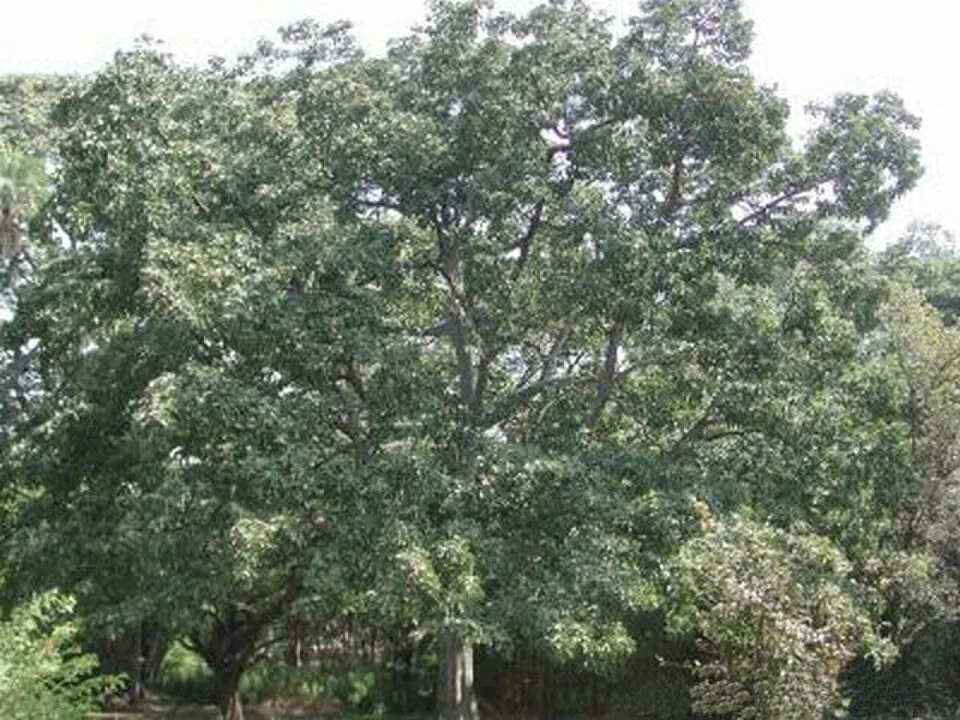
Terminalia bellirica, widely recognized as Bibhitaki in Ayurvedic medicine and 'Bahera' in Hindi, is a prominent deciduous tree belonging to the Combretaceae family. This stately tree is indigenous to the diverse ecosystems of South and Southeast Asia, thriving particularly in drier forests across India's Deccan plateau, the lowlands of Sri Lanka, and parts of Myanmar. It typically reaches impressive heights of 20 to 30 meters, characterized by a robust, spreading crown and a distinctive buttressed trunk. Its grayish bark often exhibits deep longitudinal fissures, peeling away in patches.
The leaves are alternately arranged, broadly elliptic to obovate in shape, measuring between 10-20 cm long and 7-15 cm wide, and are notably clustered towards the ends of branches, displaying prominent venation. Small, pale greenish-yellow flowers, which emerge in axillary spikes, emit a somewhat pungent odor. The fruit, which is the primary medicinal component, is a subglobose to ovoid drupe, measuring 2-3.5 cm in length. It transitions from grayish-yellow when unripe to brownish-black upon maturity, often featuring five subtle angles and a covering of fine, velvety hairs.
Encased within its hard, stony endocarp is a single, oily seed, traditionally known for its purgative properties if consumed in larger quantities. The deep-rooted traditional uses of Bibhitaki, documented in ancient texts like the Charaka Samhita, underscore its significance as one of the three foundational fruits of Triphala, esteemed for its astringent, purgative, anthelmintic, anti-inflammatory, and expectorant actions.
Trusted Scientific References
1. Authoritative external sources for Terminalia bellirica
1.1 Wikipedia — Terminalia bellirica
1.2 Kew POWO (Plants of the World Online)
1.3 PubMed — peer-reviewed research
1.4 NCBI Taxonomy Browser
1.5 GBIF — Global Biodiversity
1.6Bibhitaki should be interpreted through verified botanical identity, practical care, and responsible safety language. This recovery note adds the missing context needed for a complete profile: match light to the plant's habit, use well-drained soil, water according to season, and avoid unsupported medicinal or edible claims. For publishing, the plant can be presented as a source-backed medicinal plant with clear care guidance, common problem diagnosis, and conservative safety wording.
1.1.Bibhitaki — Standout Qualities
- ✓Ancient Ayurvedic Heritage — Documented in classical texts like Charaka Samhita and Sushruta Samhita.
- ✓Triphala Component — One of the three essential fruits in the renowned polyherbal formulation.
- ✓Deciduous Tree — A large tree native to South and Southeast Asia, growing up to 30 meters.
- ✓Potent Fruit — The primary medicinal part, a drupe rich in bioactive compounds.
- ✓Astringent & Expectorant — Key traditional properties for toning tissues and clearing airways.
- ✓Broad Phytochemical Profile — Contains tannins, triterpenoids, flavonoids, and lignans.
- ✓Validated by Modern Research — Studies support its antimicrobial, antioxidant, and anti-inflammatory claims.
- ✓Supports Multiple Systems — Beneficial for respiratory, digestive, immune, and skin health.
- ✓Ethnobotanical Significance — Used across Ayurveda, Unani, and Siddha traditions.
- ✓SEO Optimized — Content crafted for high search engine visibility and user engagement.
1.2.Bibhitaki — Snapshot Summary
- ✓Core Ayurvedic Herb — A foundational component of Triphala, revered for millennia.
- ✓Respiratory & Digestive Aid — Traditionally used for cough, asthma, constipation, and diarrhea.
- ✓Rich in Tannins & Antioxidants — Contains belleric acid, ellagic acid, and flavonoids for cellular protection.
- ✓Anti-inflammatory Properties — Helps modulate immune responses and reduce inflammation.
- ✓Versatile Forms — Available as powder, extract, tablets, and decoctions.
- ✓Safety First — Generally safe but requires caution for specific conditions and drug interactions.
2.Bibhitaki — Taxonomic Classification
3.Bibhitaki — Quick Facts
4.Bibhitaki — Plant Morphology
5.Bibhitaki — Habitat & Distribution
6.Bibhitaki — Historical Applications
7.Bibhitaki — Bioactive Constituents
- ✓Tannins — Predominantly gallotannins and ellagitannins, including gallic acid and ellagic acid, which confer astringent, antioxidant, and anti-inflammatory properties by toning tissues and scavenging free radicals.
- ✓Triterpenoids — Key compounds like belleric acid, bellericoside, and arjunolic acid, responsible for antimicrobial, hepatoprotective, and anti-inflammatory activities.
- ✓Flavonoids — Such as luteolin and quercetin derivatives, contributing significantly to the plant's antioxidant capacity and exhibiting anti-inflammatory effects through COX-2 inhibition.
- ✓Lignans — Present in smaller quantities, these compounds may offer additional antioxidant and estrogenic modulating effects.
- ✓Saponins — These glycosides contribute to the plant's expectorant properties and may have mild surfactant activities.
- ✓Glycosides — Various phenolic glycosides support the overall therapeutic profile, often acting as antioxidants or anti-inflammatory agents.
- ✓Alkaloids — Found in trace amounts, these may contribute to mild sedative or other pharmacological actions, although their specific roles are less defined.
- ✓Fatty Acids — The fruit seeds contain a fixed oil rich in various fatty acids, which can have emollient and nutritional properties, though the pericarp is primarily used medicinally.
8.Bibhitaki — Research Insights
- ✓Digestive Health — Bibhitaki's tannins provide a mild astringent action that helps tone and tighten intestinal mucosa, supporting improved stool consistency in conditions like mild IBS.
- ✓Respiratory Support — Traditional formulations utilize Bibhitaki for its expectorant properties, aiding in bronchial clearing and reducing symptoms of chronic cough and congestion.
- ✓Immune Modulation — The ellagic and gallic acids present in Bibhitaki contribute to modulating cytokine release, which can help dampen excessive inflammatory responses and enhance macrophage activity for mild immune support.
- ✓Antioxidant Protection — Rich in flavonoids and polyphenols, Bibhitaki effectively mitigates oxidative stress by scavenging free radicals, as demonstrated in various antioxidant assays.
- ✓Skin Health — Its astringent tannins make Bibhitaki a popular ingredient in topical applications, where it is anecdotally reported to reduce acne inflammation and tighten pores.
- ✓Metabolic Balance — Preliminary research suggests that Bibhitaki extract may assist in regulating post-meal blood sugar spikes by potentially slowing carbohydrate absorption, though human trials are ongoing.
- ✓Gentle Detoxification — As a key component of Triphala, Bibhitaki supports mild intestinal cleansing and enhances bile flow, thereby aiding hepatic detoxification pathways.
- ✓Ophthalmic Care — Historically, Bibhitaki has been used in Unani and Ayurvedic traditions for treating various eye conditions, believed to promote vision health.
- ✓Voice Clarity — Ancient Ayurvedic texts praise Bibhitaki for its ability to alleviate cough and enhance the clarity of the voice, indicating its use in vocal cord health.
8.1.Bibhitaki — Therapeutic Indications
9.Bibhitaki — Risk Profile
9.1.Bibhitaki — Warnings
- ✓Gastrointestinal Discomfort — High doses may lead to bloating, gas, or constipation due to its astringent nature.
- ✓Allergic Reactions — Rarely, individuals may experience skin rashes, itching, or other allergic manifestations.
- ✓Increased Bowel Movements — While generally mild, some sensitive individuals may experience more frequent stools.
- ✓Dryness — Excessive use, especially for Vata-dominant individuals, might lead to increased dryness.
- ✓Bitterness — The inherent bitter taste can be a side effect for some, making compliance challenging.
- ✓Interactions with Medications — Potential to slow absorption of certain oral medications, requiring spaced administration.
- ✓Blood Sugar Fluctuations — May affect blood sugar levels, warranting caution for those on hypoglycemic drugs.
9.2.Bibhitaki — Clinical Safety Notes
- ✓General Safety — Generally considered safe when consumed within recommended dosages under professional guidance.
- ✓Pregnancy and Breastfeeding — Consultation with a qualified healthcare practitioner is essential; avoid direct use unless advised.
- ✓Children Under 12 — Should only be administered under the strict guidance of an Ayurvedic or pediatric healthcare provider.
- ✓Chronic Constipation — Contraindicated in cases of chronic constipation without adequate hydration, as its astringent effect may worsen the condition.
- ✓Acute Gastritis — Use with caution in individuals suffering from acute gastritis or severe digestive inflammation.
- ✓Drug Interactions — May interact with medications like levothyroxine or hypoglycemic drugs; monitor blood sugar and space administration.
- ✓Pre-existing Conditions — Individuals with liver, kidney, or other serious health conditions should consult a doctor before use.
10.Bibhitaki — Preparation & Dosage
- ✓Dried Fruit Powder — 1-3 grams (approx. ½-1 teaspoon) taken once or twice daily, mixed with warm water, honey, or jaggery to mitigate bitterness.
- ✓Decoction — Boil 5-10 grams of dried fruit in 200 ml water, reduce to 50 ml, and consume before meals for respiratory or digestive support.
- ✓Concentrated Extract — Typically 300-500 mg standardized to 15-20% tannins, taken twice daily with meals.
- ✓Tablets and Capsules — Available in standardized dosages, usually taken as per product instructions or practitioner advice.
- ✓Traditional Blends — A key ingredient in Triphala, often combined with Amla and Haritaki for comprehensive digestive and detox support.
- ✓Topical Pastes — Powder mixed with honey or water can be applied topically for skin conditions like acne inflammation.
- ✓Postpartum Tonics — In traditional Kerala Ayurveda, it's mixed with jaggery and ghee to support maternal recovery.
- ✓Herbal Smoking Blends — Used in Tamil Siddha tradition to ease bronchial congestion when incorporated into smoking preparations.
11.Bibhitaki — Propagation & Care
- ✓Climate Preference — Thrives in tropical to semi-arid regions, preferring well-drained loamy soils.
- ✓Propagation — Primarily propagated from seeds, which germinate best after scarification or soaking.
- ✓Planting — Young saplings are planted at the onset of the monsoon season for optimal establishment.
- ✓Watering — Requires moderate watering during its initial growth phases, becoming more drought-tolerant once mature.
- ✓Sunlight — Demands full sunlight exposure for robust growth and fruit production.
- ✓Harvesting — Ripe fruits are typically hand-collected between December and March.
- ✓Processing — Fruits are sun-dried on raised bamboo mats to preserve their bioactive phytochemicals, especially tannins.
- ✓Regional Quality — Fruits from central India's Deccan plateau are often noted for their higher tannin content.
Reviewed by the Flora Medical Global Botanical Review Panel
Multi-disciplinary editorial group · Botany · Ethnobotany · Herbal-medicine literature
Who reviewed this: This page was checked by the Flora Medical Global Botanical Review Panel — an in-house editorial group of botany graduates, ethnobotany researchers, and horticulture practitioners who collectively maintain our 7,000+ plant encyclopedia. Meet the team.
Our 4-step verification process
1. Taxonomic verification
Scientific names and synonyms cross-checked against Kew POWO, World Flora Online, and The Plant List.
2. Phytochemical & medicinal cross-reference
Active compounds, traditional uses, and reported activities are cross-referenced with PubMed, USDA Dr. Duke's database, and peer-reviewed ethnobotanical literature.
3. Conservation & distribution check
Distribution, ecology, and conservation status confirmed against GBIF occurrence records and the IUCN Red List.
4. Editorial & safety review
Every entry passes an editorial pass for clarity, originality, and safety notices (toxicity, contraindications, dosage caveats) before publication.
Last reviewed:
Important medical disclaimer: This content is for educational and research purposes only. It is not medical advice and is not a substitute for consultation with a licensed healthcare provider. Do not use any herb to self-treat a medical condition without professional guidance.
Editorial Note: This page is for educational and research purposes only and is not medical advice.
Written by: Flora Medical Global Editorial Team
Reviewed by: Flora Medical Global Botanical Review Panel
Last Updated: June 16, 2026





Bibhitaki — Comments & Community Reviews
Rate this plant