


Medical Disclaimer: This content is for educational purposes only. It is not medical advice. Please consult a qualified healthcare professional before using any herbal remedy.
Safety Overview
1.Bilva — Plant Snapshot
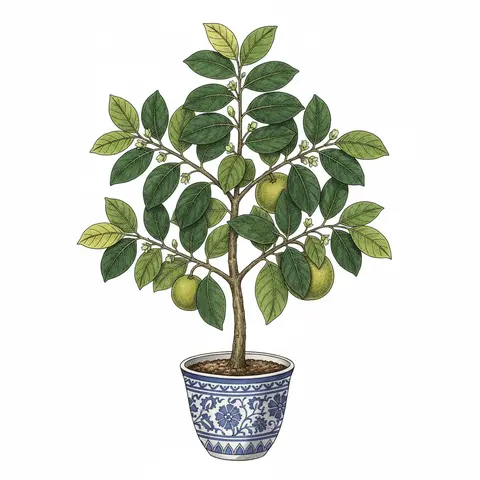
Aegle marmelos, widely recognized as Bilva or Wood Apple, is a distinctive deciduous tree belonging to the Rutaceae family, known for its significant botanical and medicinal attributes. This medium-sized tree typically reaches heights of 10 to 15 meters, characterized by a robust, often gnarled trunk that supports a broad, spreading canopy. Its foliage consists of glossy, dark green trifoliate leaves, each measuring approximately 10-20 cm in length, bearing a resemblance to the leaves of orange trees. Between April and June, Bilva produces small, intensely fragrant flowers that range in color from pure white to a pale yellow hue.
The most remarkable feature of Aegle marmelos is its fruit – a woody, round to oval structure, typically 10-15 cm in diameter, which matures into a greenish-yellow color and emits a strong, sweet aroma upon ripening. The interior contains a fibrous, pulpy, and edible substance embedded with numerous seeds. Predominantly found in tropical and subtropical climates, Bilva is indigenous to the Indian subcontinent, Sri Lanka, and various Southeast Asian nations. It thrives in diverse environments, including dry deciduous forests, scrublands, and even wastelands.
Ecologically, Aegle marmelos plays a vital role by attracting a wide array of pollinators, such as bees and butterflies, thereby enriching local biodiversity. Culturally, it holds immense sacred value in Hinduism, particularly associated with Lord Shiva, and is an integral part of many religious ceremonies. In traditional medical systems, especially Ayurveda, the bark, leaves, and fruits of Bilva are extensively utilized in numerous pharmaceutical formulations due to their well-documented therapeutic properties. The tree's notable adaptability allows it to flourish in various soil types, including laterite soils and sandy loams, provided they offer adequate drainage, underscoring its resilience and widespread availability as a medicinal resource.
Trusted Scientific References
1. Authoritative external sources for Aegle marmelos var
1.1 Wikipedia — Aegle marmelos var
1.2 Kew POWO (Plants of the World Online)
1.3 PubMed — peer-reviewed research
1.4 NCBI Taxonomy Browser
1.5 GBIF — Global Biodiversity
1.1.Bilva — Standout Qualities
- ✓Botanical Name — Aegle marmelos, commonly known as Bilva or Wood Apple.
- ✓Family — Belongs to the Rutaceae family, which also includes citrus fruits.
- ✓Morphology — Deciduous tree, 10-15m tall, with trifoliate glossy leaves and hard-shelled, aromatic fruit.
- ✓Habitat & Distribution — Native to tropical and subtropical regions of India and Southeast Asia.
- ✓Cultural Significance — Highly sacred in Hinduism, particularly associated with Lord Shiva.
- ✓Traditional Medicine — A revered herb in Ayurveda, Unani, and Siddha systems for diverse therapeutic uses.
- ✓Medicinal Properties — Exhibits antidiarrhoeal, antimicrobial, anti-inflammatory, antipyretic, and ulcer-healing actions.
- ✓Phytochemical Richness — Abundant in coumarins (Marmelosin), alkaloids, flavonoids, and tannins.
- ✓Parts Used — Fruit (ripe and unripe), leaves, bark, and roots are all utilized medicinally.
- ✓Adaptability — Tolerant to various soil types and drought conditions once established.
1.2.Bilva — In Brief
- ✓Sacred tree in Hinduism and a cornerstone of Ayurvedic medicine.
- ✓Highly valued for its profound digestive, antimicrobial, and anti-inflammatory properties.
- ✓Rich in bioactive compounds like coumarins (Marmelosin), alkaloids, and flavonoids.
- ✓Fruit, leaves, and bark are extensively used in various traditional and modern preparations.
- ✓Offers benefits for conditions ranging from diarrhea to diabetes, with ongoing research.
- ✓Important to consider safety precautions, especially regarding dosage, pregnancy, and drug interactions.
2.Bilva — Scientific Profile
3.Bilva — Quick Facts
4.Bilva — Plant Morphology
5.Bilva — Where It Grows
6.Bilva — Ethnobotanical Uses
7.Bilva — Active Compounds
- ✓Coumarins — Key compounds include Marmelosin (Aegeline), Psoralen, Xanthotoxol, and Luvangetin, which are responsible for antihelminthic, anti-ulcer, antibacterial, and antispasmodic activities, significantly contributing to Bilva's therapeutic profile.
- ✓Alkaloids — Notable alkaloids such as Skimmianine, O-methylhalfordinol, and Aegeline contribute to various pharmacological actions, including antidiabetic and antihyperlipidemic effects.
- ✓Flavonoids — A diverse group including Rutin, Quercetin, and Catechins provide potent antioxidant and anti-inflammatory benefits, protecting cells from oxidative damage.
- ✓Tannins — Present particularly in the unripe fruit and bark, these polyphenolic compounds confer astringent properties, crucial for Bilva's effectiveness against diarrhea and dysentery.
- ✓Terpenoids — Various monoterpenes and sesquiterpenes contribute to the plant's aroma and possess antimicrobial and anti-inflammatory activities.
- ✓Essential Oils — Volatile compounds found in the leaves and fruit pulp, containing components like limonene, phellandrene, and cineole, known for their antiseptic and aromatic qualities.
- ✓Carbohydrates — The ripe fruit pulp is rich in pectin, mucilage, and sugars, providing dietary fiber and contributing to its digestive benefits.
- ✓Vitamins and Minerals — The fruit contains significant amounts of Vitamin C, Vitamin A, calcium, phosphorus, and iron, contributing to its nutritional value and overall health benefits.
- ✓Phenolic Acids — Compounds like Gallic acid and Ferulic acid offer additional antioxidant and anti-inflammatory support, bolstering the plant's protective effects.
8.Bilva — Research Insights
- ✓Digestive Health — Bilva is renowned in Ayurveda for its potent astringent properties, effectively treating diarrhea, dysentery, and irritable bowel syndrome by reducing intestinal motility and secretion.
- ✓Antimicrobial Activity — Extracts from various parts of Aegle marmelos exhibit significant antibacterial, antiviral, and antifungal actions, helping to combat a range of microbial infections.
- ✓Anti-inflammatory Effects — The plant contains compounds that can mitigate inflammation, offering relief in conditions associated with inflammatory responses throughout the body.
- ✓Ulcer Healing — Traditional uses and modern studies suggest Bilva possesses gastroprotective qualities, aiding in the healing of gastric and duodenal ulcers.
- ✓Antipyretic Properties — Bilva has been traditionally employed to reduce fever, acting as a natural antipyretic agent to help manage febrile conditions.
- ✓Antioxidant Support — Rich in flavonoids and other phenolic compounds, Bilva offers robust antioxidant protection, neutralizing free radicals and reducing oxidative stress.
- ✓Cardioprotective Potential — Research indicates that certain constituents in Bilva may support cardiovascular health by helping to regulate lipid profiles and blood pressure.
- ✓Antidiabetic Action — Studies suggest that Bilva extracts can help manage blood sugar levels, making it a potential adjunct therapy for diabetes through improved glucose metabolism.
- ✓Respiratory Relief — The leaves and fruit are sometimes used to alleviate symptoms of respiratory ailments like coughs and colds, attributed to their expectorant and anti-inflammatory properties.
- ✓Liver Protection — Bilva exhibits hepatoprotective effects, helping to safeguard the liver from damage caused by toxins and promoting its healthy function.
- ✓Chemopreventive Properties — Preliminary research indicates that certain phytochemicals in Aegle marmelos may possess anticancer and chemopreventive activities, inhibiting the growth of certain cancer cells.
8.1.Bilva — Conditions Traditionally Used For
9.Bilva — Risk Profile
9.1.Bilva — Caution Notes
- ✓Constipation — Overconsumption of unripe Bilva fruit, due to its high tannin content, can lead to severe constipation, especially in sensitive individuals.
- ✓Hypoglycemia — Individuals on antidiabetic medications should monitor blood sugar closely, as Bilva may potentiate their effects, potentially causing excessively low blood sugar.
- ✓Antifertility Effects — Some studies have indicated antifertility properties in animal models; therefore, it should be avoided by individuals trying to conceive or during pregnancy.
- ✓Drug Interactions — Bilva may interact with certain medications, including anticoagulants, antidiabetics, and drugs metabolized by the liver, due to its diverse phytochemical profile.
- ✓Allergic Reactions — Although rare, sensitive individuals might experience allergic reactions such as skin rashes, itching, or digestive upset.
- ✓Gastrointestinal Discomfort — In some cases, high doses or prolonged use can lead to mild stomach upset, nausea, or indigestion.
- ✓Pregnancy and Lactation — Due to insufficient safety data and potential antifertility effects, Bilva is generally not recommended for pregnant or breastfeeding women.
9.2.Bilva — Safety Profile
- ✓Consult a Healthcare Professional — Always seek advice from a qualified medical herbalist or doctor before starting any Bilva regimen, especially if you have pre-existing health conditions.
- ✓Adhere to Recommended Dosages — Strictly follow prescribed dosages or traditional recommendations to avoid potential adverse effects, as excessive intake can be harmful.
- ✓Monitor Blood Sugar Levels — Diabetics using Bilva should regularly monitor their blood glucose to prevent hypoglycemia, particularly when combined with conventional medications.
- ✓Avoid During Pregnancy and Lactation — Due to limited research on its effects during these periods, it is prudent for pregnant or breastfeeding women to avoid Bilva preparations.
- ✓Caution with Fertility Concerns — Individuals planning conception or undergoing fertility treatments should avoid Bilva due to potential antifertility properties observed in some studies.
- ✓Check for Drug Interactions — Be aware of possible interactions with medications, especially blood thinners, antidiabetics, and drugs influencing liver enzymes; consult your pharmacist.
- ✓Source Reputable Products — Ensure Bilva products are sourced from reputable suppliers to guarantee purity, potency, and freedom from contaminants or adulterants.
10.Bilva — Application Forms
- ✓Unripe Fruit Powder — The dried, unripe fruit pulp is powdered and consumed with water or buttermilk to treat acute and chronic diarrhea and dysentery due to its astringent properties.
- ✓Ripe Fruit Pulp — The sweet, aromatic pulp of ripe Bilva fruit can be eaten fresh, made into juices, sherbets, or jams, providing nutritional benefits and gentle laxative effects.
- ✓Leaf Decoction — Fresh Bilva leaves are boiled in water to create a decoction, traditionally used for managing fever, respiratory issues, and inflammatory conditions.
- ✓Bark Extract — The bark is processed into decoctions or extracts, often incorporated into Ayurvedic formulations for its anti-inflammatory, antidiabetic, and antimicrobial properties.
- ✓Herbal Infusions — Dried leaves or small pieces of fruit are steeped in hot water to make a therapeutic tea, beneficial for digestion and general well-being.
- ✓Topical Application — A paste made from Bilva leaves is sometimes applied externally to alleviate localized inflammation, swelling, and certain skin conditions.
- ✓Ayurvedic Formulations — Bilva is a key ingredient in many classical Ayurvedic preparations like 'Bilvadi Churna' for digestive issues and 'Dashamoola' for various systemic conditions.
- ✓Culinary Uses — Beyond medicinal applications, the fruit pulp is used in some cuisines to prepare desserts, beverages, and savory dishes, particularly in South Asia.
11.Bilva — Propagation & Care
- ✓Climate — Thrives in tropical and subtropical regions with distinct dry and wet seasons, tolerating a wide range of temperatures.
- ✓Soil Requirements — Prefers well-drained loamy or sandy-loam soils but can adapt to lateritic, calcareous, and even stony soils; pH 5.0-8.0 is ideal.
- ✓Propagation — Primarily propagated by seeds, which germinate within 2-3 weeks; also successfully propagated via stem cuttings, root suckers, or budding/grafting for faster fruiting.
- ✓Sunlight — Requires full sun exposure for optimal growth and fruit production, needing at least 6-8 hours of direct sunlight daily.
- ✓Watering — Young plants need regular watering, but mature trees are drought-tolerant and require minimal irrigation once established, especially in monsoon climates.
- ✓Fertilization — Benefits from organic manure or compost applied annually, particularly during the pre-flowering and fruiting stages, to enhance nutrient availability.
- ✓Pest and Disease Management — Generally hardy, Bilva is relatively resistant to major pests and diseases; occasional issues may include fruit flies or leaf spot, managed with organic practices.
- ✓Harvesting — Fruits are typically harvested when they turn yellowish-green and emit a characteristic aroma; leaves and bark are collected as needed for medicinal preparations.
Reviewed by the Flora Medical Global Botanical Review Panel
Multi-disciplinary editorial group · Botany · Ethnobotany · Herbal-medicine literature
Who reviewed this: This page was checked by the Flora Medical Global Botanical Review Panel — an in-house editorial group of botany graduates, ethnobotany researchers, and horticulture practitioners who collectively maintain our 7,000+ plant encyclopedia. Meet the team.
Our 4-step verification process
1. Taxonomic verification
Scientific names and synonyms cross-checked against Kew POWO, World Flora Online, and The Plant List.
2. Phytochemical & medicinal cross-reference
Active compounds, traditional uses, and reported activities are cross-referenced with PubMed, USDA Dr. Duke's database, and peer-reviewed ethnobotanical literature.
3. Conservation & distribution check
Distribution, ecology, and conservation status confirmed against GBIF occurrence records and the IUCN Red List.
4. Editorial & safety review
Every entry passes an editorial pass for clarity, originality, and safety notices (toxicity, contraindications, dosage caveats) before publication.
Last reviewed:
Important medical disclaimer: This content is for educational and research purposes only. It is not medical advice and is not a substitute for consultation with a licensed healthcare provider. Do not use any herb to self-treat a medical condition without professional guidance.
Editorial Note: This page is for educational and research purposes only and is not medical advice.
Written by: Flora Medical Global Editorial Team
Reviewed by: Flora Medical Global Botanical Review Panel
Last Updated: June 16, 2026





Bilva — Comments & Community Reviews
Rate this plant