


Medical Disclaimer: This content is for educational purposes only. It is not medical advice. Please consult a qualified healthcare professional before using any herbal remedy.
Safety Overview
1.Bupleurum — Overview

Bupleurum chinense, commonly known as Bupleurum or Chinese Thorowax, is a distinguished perennial herbaceous plant belonging to the Apiaceae family, a lineage known for many aromatic and medicinal species. This robust plant typically achieves a height of 40 to 120 cm, presenting an upright, often subtly grooved stem that branches gracefully towards its apex.
Its leaves are arranged alternately along the stem, characterized by a distinct lanceolate to linear-lanceolate shape, typically measuring between 3 and 15 cm in length and 1 to 4 cm in width. The foliage exhibits a vibrant, glossy green surface, contributing to the plant's aesthetic appeal.
The flowering season for Bupleurum chinense spans from June to August, during which it produces an abundance of small, star-like yellow flowers. These blossoms are meticulously organized into compound umbels, a characteristic inflorescence of the Apiaceae family, situated at the ends of the branches.
Each individual flower typically possesses five minute petals, measuring approximately 2 mm across, and displays a subtle yet distinctive yellow-green hue. Following successful pollination, the plant develops small, ovoid fruits, which are characteristic schizocarps that split into two mericarps upon maturity.
Bupleurum chinense is indigenous to a broad spectrum of environments across China, where it flourishes naturally in diverse habitats including open forests, sun-drenched grasslands, and along the fertile banks of rivers and streams. Its adaptability allows it to thrive in various soil conditions, though it exhibits a clear preference for well-drained loamy soils that offer moderate fertility and a slightly acidic to neutral pH.
Adequate sunlight, ranging from moderate exposure to full sun, is crucial for its optimal growth and development. The plant's hardy nature and ability to withstand varied environmental pressures contribute to its widespread distribution within its native range.
Trusted Scientific References
Authoritative external sources for Bupleurum chinense:
1.1.Bupleurum — Key Features
- ✓Botanical Name — Bupleurum chinense (also B. falcatum and other species).
- ✓Common Names — Bupleurum, Chinese Thorowax, Chai Hu, Hare's Ear Root.
- ✓Medicinal Part — The dried root (Radix Bupleuri).
- ✓Key Active Compounds — Saikosaponins (triterpenoid saponins).
- ✓Traditional Use — Core herb in Traditional Chinese Medicine (TCM).
- ✓Primary Actions — Hepatoprotective, immunomodulatory, anti-inflammatory, antipyretic.
- ✓Family — Apiaceae (Parsley family).
- ✓Habitat — Native to East Asia, thriving in open forests, grasslands, and riverbanks.
- ✓Characteristic Inflorescence — Compound umbels of small yellow flowers.
- ✓Energetics (TCM) — Bitter, pungent, cool; enters Liver and Gallbladder meridians.
1.2.Bupleurum — Quick Summary
- ✓Bupleurum chinense (Chai Hu) is a key herb in Traditional Chinese Medicine, valued for its root.
- ✓Primarily used for liver health, immune modulation, and anti-inflammatory effects.
- ✓Rich in saikosaponins, which are responsible for many of its pharmacological actions.
- ✓Traditionally used for fever, digestive issues, and emotional imbalances.
- ✓Exercise caution with autoimmune conditions, bleeding disorders, diabetes, and during pregnancy.
- ✓Often integrated into complex herbal formulas rather than used in isolation.
2.Bupleurum — Scientific Identity
3.Bupleurum — Categories & Tags
4.Bupleurum — Morphological Account
5.Bupleurum — Cultural & Traditional Roles
6.Bupleurum — Active Compounds
- ✓Triterpenoid Saponins — Saikosaponins (e.g., saikosaponin a, b, c, d) are the primary active compounds, responsible for anti-inflammatory, hepatoprotective, immunomodulatory, and antiviral activities.
- ✓Flavonoids — Quercetin, rutin, and other flavonoid glycosides contribute antioxidant and anti-inflammatory effects, protecting cells from oxidative stress.
- ✓Polysaccharides — Bupleuran and other complex carbohydrates found in the root exhibit immunomodulatory properties, enhancing the body's immune response.
- ✓Volatile Oils — Contains monoterpenes and sesquiterpenes (e.g., limonene, alpha-pinene) which contribute to the plant's aromatic profile and may have mild antimicrobial or spasmolytic actions.
- ✓Coumarins — Compounds like scopoletin are present, which may possess anti-inflammatory and anticoagulant properties.
- ✓Sterols — Beta-sitosterol and other phytosterols contribute to general plant health and may have minor anti-inflammatory effects.
- ✓Polyacetylenes — Unique compounds with potential antimicrobial and cytotoxic activities, contributing to the plant's defensive mechanisms.
- ✓Fatty Acids — Essential fatty acids and their derivatives are present, playing roles in cellular structure and signaling pathways.
7.Bupleurum — Modern Studies
- ✓Liver Protection — Bupleurum chinense root, known as Chai Hu, is traditionally used to protect the liver, potentially through its saikosaponins which exhibit hepatoprotective and antioxidant activities, guarding against damage from toxins and inflammation.
- ✓Immune System Modulation — The compounds in Bupleurum may help regulate immune responses, potentially enhancing the body's defense mechanisms against pathogens or balancing overactive immune functions.
- ✓Anti-inflammatory Action — Saikosaponins possess significant anti-inflammatory properties, which can help alleviate systemic inflammation and reduce pain associated with various inflammatory conditions.
- ✓Antipyretic Effects — Traditionally, Bupleurum is employed to reduce fever, working to normalize body temperature, especially in cases of intermittent fever patterns.
- ✓Digestive Health Support — It can aid in harmonizing digestive functions, relieving symptoms like bloating, indigestion, and discomfort often linked to liver qi stagnation in Traditional Chinese Medicine.
- ✓Stress and Mood Regulation — Bupleurum is often included in formulas to address emotional imbalances, such as irritability, anxiety, and mild depression, by promoting the smooth flow of 'qi' and calming the nervous system.
- ✓Antiviral Properties — Preliminary research suggests that certain saikosaponins may exhibit antiviral activity against a range of viruses, supporting the body's natural defenses during infections.
- ✓Gallbladder Function — In traditional practice, Bupleurum helps to regulate the flow of bile, supporting gallbladder health and aiding in the digestion of fats.
- ✓Hormonal Balance — It is sometimes used to address conditions related to hormonal fluctuations, such as premenstrual syndrome (PMS) and menopausal symptoms, by regulating liver function and 'qi' circulation.
7.1.Bupleurum — Therapeutic Indications
8.Bupleurum — Risk Profile
8.1.Bupleurum — Reported Side Effects
- ✓Nausea — Some individuals may experience mild nausea or stomach upset, particularly when consumed on an empty stomach or in high doses.
- ✓Digestive Discomfort — Bloating or diarrhea have been reported in sensitive individuals.
- ✓Allergic Reactions — Although rare, allergic reactions such as skin rash or itching can occur in susceptible persons.
- ✓Increased Bleeding Risk — Compounds in Bupleurum may slow blood clotting, increasing the risk of bruising or bleeding, especially for those with bleeding disorders or on anticoagulant medications.
- ✓Elevated Blood Sugar — Saikosaponins might potentially increase blood sugar levels, requiring careful monitoring for individuals with diabetes.
- ✓Autoimmune Flare-ups — Due to its immune-stimulating potential, Bupleurum might exacerbate symptoms in individuals with autoimmune diseases.
- ✓Drug Interactions — May interact with immunosuppressants, anti-diabetes medications, and anticoagulant/antiplatelet drugs.
8.2.Bupleurum — Clinical Safety Notes
- ✓Pregnancy and Breastfeeding — Avoid use during pregnancy and breastfeeding due to insufficient reliable information on safety and potential effects.
- ✓Autoimmune Diseases — Individuals with autoimmune conditions (e.g., MS, lupus, RA) should avoid Bupleurum as it may stimulate the immune system and worsen symptoms.
- ✓Bleeding Disorders — Exercise caution or avoid if you have bleeding disorders or are taking blood-thinning medications, due to its potential to slow blood clotting.
- ✓Diabetes — Monitor blood sugar levels closely if using Bupleurum, as it may affect glucose regulation and alter the effectiveness of diabetes medications.
- ✓Before Surgery — Discontinue Bupleurum at least two weeks prior to any scheduled surgery to minimize the risk of increased bleeding or blood sugar fluctuations.
- ✓Liver Conditions — While traditionally used for liver support, individuals with severe liver disease should use with caution and under medical supervision.
- ✓Consult a Professional — Always consult a qualified healthcare provider or medical herbalist before using Bupleurum, especially if you have pre-existing health conditions or are on medication.
9.Bupleurum — Application Forms
- ✓Decoction — The dried root (Chai Hu) is commonly prepared as a decoction by simmering in water for 20-30 minutes, often combined with other herbs in Traditional Chinese Medicine formulas.
- ✓Tincture — A concentrated liquid extract made by steeping the dried root in alcohol, offering a convenient method for dosage and administration.
- ✓Powdered Form — Dried Bupleurum root can be finely ground into a powder, which can then be encapsulated or mixed into beverages.
- ✓Herbal Formulas — Bupleurum is rarely used alone; it is a key ingredient in many classical TCM formulas like Xiao Chai Hu Tang (Minor Bupleurum Decoction) and Da Chai Hu Tang.
- ✓Topical Applications — In some traditional practices, poultices or compresses made from Bupleurum may be applied externally for local inflammation or pain.
- ✓Dosage — Always consult a qualified medical herbalist or healthcare provider for appropriate dosing, as concentrations and individual needs vary greatly.
- ✓Quality Sourcing — Ensure Bupleurum products are sourced from reputable suppliers to guarantee authenticity, purity, and potency.
10.Bupleurum — Growth Requirements
- ✓Soil Preparation — Prefers well-drained, fertile loamy soil with a slightly acidic to neutral pH (6.0-7.0); enrich with organic matter prior to planting.
- ✓Sowing Seeds — Sow seeds directly outdoors in early spring or fall, 1-2 cm deep, spacing plants 30-45 cm apart; requires stratification for optimal germination.
- ✓Light Requirements — Thrives in full sun to partial shade; ensure at least 6 hours of direct sunlight daily for robust growth.
- ✓Watering — Maintain consistent soil moisture, especially during dry periods, but avoid waterlogging to prevent root rot.
- ✓Fertilization — Apply a balanced organic fertilizer annually in spring to support vigorous growth, particularly in less fertile soils.
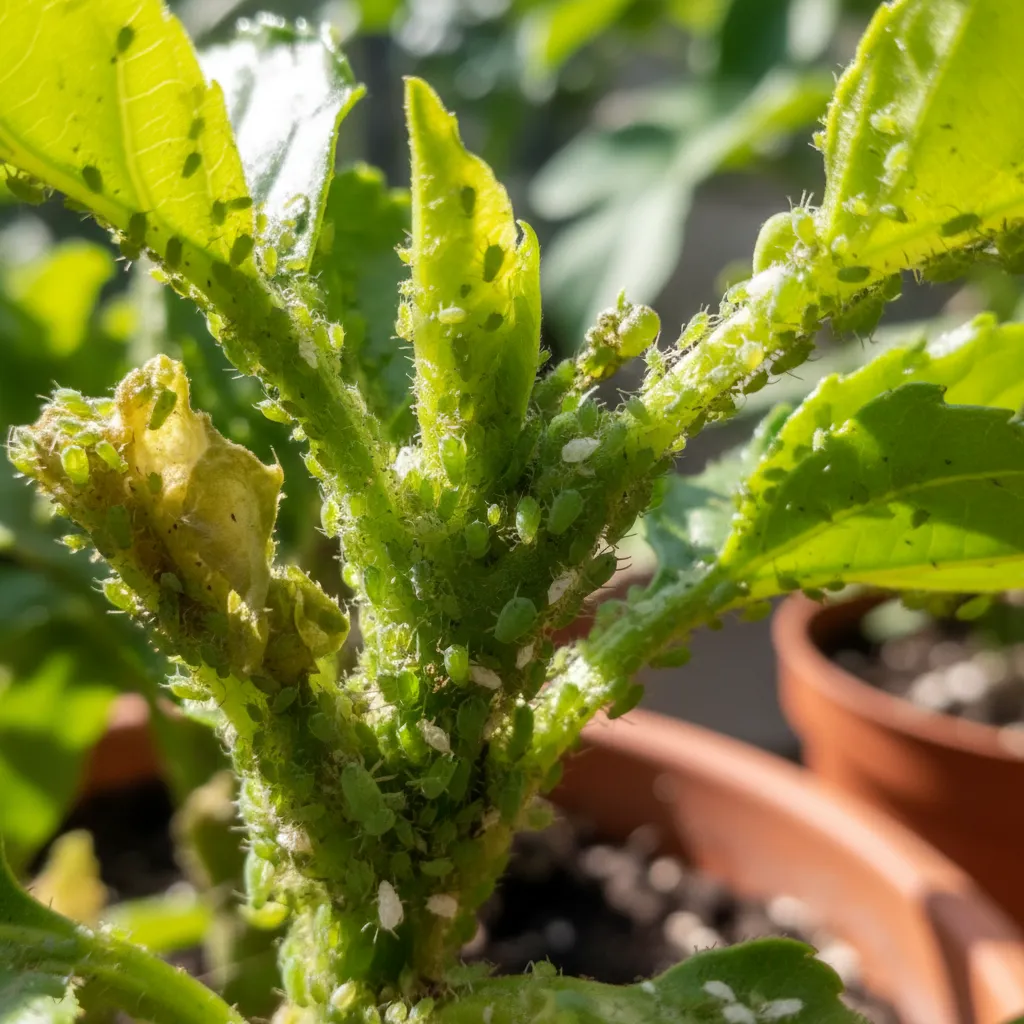
- ✓Pest and Disease Management — Generally hardy, but monitor for common garden pests like aphids and diseases such as powdery mildew; use organic controls if necessary.
- ✓Harvesting — Roots are typically harvested in the fall after 2-3 years of growth, when active compounds are at their peak.
- ✓Propagation — Can also be propagated by root division in early spring or late fall for established plants.
Reviewed by the Flora Medical Global Botanical Review Panel
Multi-disciplinary editorial group · Botany · Ethnobotany · Herbal-medicine literature
Who reviewed this: This page was checked by the Flora Medical Global Botanical Review Panel — an in-house editorial group of botany graduates, ethnobotany researchers, and horticulture practitioners who collectively maintain our 7,000+ plant encyclopedia. Meet the team.
Our 4-step verification process
1. Taxonomic verification
Scientific names and synonyms cross-checked against Kew POWO, World Flora Online, and The Plant List.
2. Phytochemical & medicinal cross-reference
Active compounds, traditional uses, and reported activities are cross-referenced with PubMed, USDA Dr. Duke's database, and peer-reviewed ethnobotanical literature.
3. Conservation & distribution check
Distribution, ecology, and conservation status confirmed against GBIF occurrence records and the IUCN Red List.
4. Editorial & safety review
Every entry passes an editorial pass for clarity, originality, and safety notices (toxicity, contraindications, dosage caveats) before publication.
Last reviewed:
Important medical disclaimer: This content is for educational and research purposes only. It is not medical advice and is not a substitute for consultation with a licensed healthcare provider. Do not use any herb to self-treat a medical condition without professional guidance.
Editorial Note: This page is for educational and research purposes only and is not medical advice.
Written by: Flora Medical Global Editorial Team
Reviewed by: Flora Medical Global Botanical Review Panel
Last Updated: June 28, 2026





Bupleurum — Comments & Community Reviews
Rate this plant
No reviews yet. Be the first!