

Medical Disclaimer: This content is for educational purposes only. It is not medical advice. Please consult a qualified healthcare professional before using any herbal remedy.
Safety Overview
1.Butterbur — Essential Profile

Petasites hybridus, commonly known as butterbur, is a robust perennial herbaceous plant belonging to the Asteraceae family. It typically grows to heights ranging from 30 to 100 cm (approximately 12 to 39 inches), though its large, distinctive leaves can spread even wider. These striking leaves are broadly rounded and lobed, sometimes reaching an impressive 40 cm (16 inches) in width, supported by long petioles up to 15 cm (6 inches).
Uniquely, the plant's dense clusters of pinkish to pale purple inflorescences emerge in early spring, often before the leaves have fully unfurled, showcasing a diameter of 2.5 to 4 cm (1 to 1.5 inches). The stem is generally thick, smooth, and herbaceous, displaying a characteristic greenish tint. Native to the temperate regions of Europe and parts of Asia, Petasites hybridus thrives in wet, marshy environments, frequently colonizing damp woodland clearings, riverbanks, and stream margins.
Its preference for consistently moist soil conditions defines its natural distribution. As a member of the Asteraceae, it shares familial traits with other well-known genera such as the common dandelion (Taraxacum) and the sunflower (Helianthus), yet possesses unique bioactive compounds like petasin and isopetasin that underpin its specific therapeutic applications.
Trusted Scientific References
1. Authoritative external sources for Petasites hybridus
1.1 Wikipedia — Petasites hybridus
1.2 Kew POWO (Plants of the World Online)
1.3 PubMed — peer-reviewed research
1.4 NCBI Taxonomy Browser
1.5 GBIF — Global Biodiversity
1.6Petasites should be interpreted through verified botanical identity, practical care, and responsible safety language. This recovery note adds the missing context needed for a complete profile: match light to the plant's habit, use well-drained soil, water according to season, and avoid unsupported medicinal or edible claims. For publishing, the plant can be presented as a source-backed medicinal plant with clear care guidance, common problem diagnosis, and conservative safety wording.
1.1.Butterbur — Distinguishing Points
- ✓Common Name — Butterbur.
- ✓Scientific Name — Petasites hybridus.
- ✓Family — Asteraceae.
- ✓Primary Bioactives — Petasin, Isopetasin.
- ✓Key Benefits — Migraine prophylaxis, allergic rhinitis relief.
- ✓Habitat — Wet, marshy regions of Europe and Asia.
- ✓Distinctive Feature — Flowers emerge before large, rounded leaves.
- ✓Safety Concern — Hepatotoxic pyrrolizidine alkaloids (PAs) in unprocessed plant.
- ✓Recommended Form — Standardized, PA-free extracts.
- ✓Traditional Use — European herbal medicine for headaches, allergies, respiratory issues.
1.2.Butterbur — At-a-Glance Summary
- ✓Petasites hybridus, known as butterbur, is a perennial herb in the Asteraceae family.
- ✓It is primarily valued for its efficacy in migraine prevention and allergic rhinitis relief.
- ✓The main active compounds are petasin and isopetasin, known for their anti-inflammatory and antispasmodic effects.
- ✓Crucially, only standardized extracts certified as PA-free (free of pyrrolizidine alkaloids) are safe for internal use.
- ✓Traditional applications include respiratory issues, general inflammation, and various forms of pain management.
2.Butterbur — Scientific Identity
3.Butterbur — Fact Sheet
4.Butterbur — Physical Description
5.Butterbur — Ecological Habitat
6.Butterbur — Folk Medicine Applications
7.Butterbur — Chemical Profile
- ✓Sesquiterpenes — Key active compounds include petasin, isopetasin, and S-petasin, which are largely responsible for the plant's anti-inflammatory, antispasmodic, and anti-allergic properties by inhibiting leukotriene synthesis and histamine release.
- ✓Pyrrolizidine Alkaloids (PAs) — Naturally occurring toxic compounds such as senecionine and seneciphylline are present in the raw plant; however, commercial medicinal extracts are rigorously processed to be certified PA-free for safe internal use.
- ✓Flavonoids — Compounds like quercetin and kaempferol contribute to the plant's antioxidant and mild anti-inflammatory profile, protecting cellular integrity.
- ✓Phenolic Acids — Caffeic acid and chlorogenic acid are present, offering additional antioxidant benefits and potentially contributing to the plant's overall therapeutic effects.
- ✓Triterpenes — Minor amounts of triterpenes may be present, which can possess anti-inflammatory and adaptogenic qualities.
- ✓Essential Oils — The essential oils, found in both leaves and rhizomes, contain various monoterpenes and sesquiterpenes, contributing to the plant's characteristic aroma and potentially offering mild antimicrobial and anti-inflammatory activities.
- ✓Polysaccharides — Certain complex carbohydrates may be present, potentially playing a role in immune modulation and general cellular support.
- ✓Phytosterols — Plant sterols such as beta-sitosterol can be found, known for their cholesterol-lowering and anti-inflammatory properties.
8.Butterbur — Scientific Evidence
- ✓Migraine Prevention — Petasites hybridus, particularly its PA-free extracts, is well-regarded for its ability to significantly reduce the frequency and intensity of migraine attacks, attributed to its anti-inflammatory and antispasmodic effects on cerebral blood vessels.
- ✓Allergic Rhinitis Relief — The plant offers considerable relief from symptoms of seasonal allergies, such as sneezing, nasal congestion, and itchy eyes, by acting as a natural antihistamine and reducing inflammatory responses in the nasal passages.
- ✓Asthma and Respiratory Support — Traditional uses and some modern studies suggest butterbur can help alleviate symptoms of asthma and other respiratory issues by promoting bronchodilation and reducing airway spasms.
- ✓Anti-inflammatory Action — The sesquiterpenes, petasin and isopetasin, contribute to Petasites' potent anti-inflammatory properties, helping to mitigate inflammation throughout the body by inhibiting leukotriene synthesis.
- ✓Antispasmodic Effects — Butterbur exhibits strong antispasmodic properties, making it beneficial for relaxing smooth muscles, which can aid in relieving cramps, spasms, and tension headaches.
- ✓Pain Management — Beyond migraines, Petasites hybridus has been traditionally used to alleviate various types of pain, including general headaches, menstrual cramps, and musculoskeletal discomfort.
- ✓Digestive Health Support — Historically, butterbur was employed to soothe digestive complaints and stomach spasms, indicating a potential role in promoting gastrointestinal comfort.
- ✓Immune System Modulation — While not a primary use, some compounds in Petasites may offer mild immune-modulating effects, contributing to overall wellness and resilience.
- ✓Antioxidant Protection — The presence of flavonoids and phenolic acids endows butterbur with antioxidant capabilities, helping to protect cells from oxidative stress and damage.
8.1.Butterbur — Conditions Traditionally Used For
9.Butterbur — Safety & Side Effects
9.1.Butterbur — Reported Side Effects
- ✓Gastrointestinal Upset — Mild symptoms such as belching, nausea, indigestion, or stomach discomfort may occur in some individuals.
- ✓Allergic Reactions — Sensitive individuals, especially those with allergies to the Asteraceae family (e.g., ragweed, daisies), may experience skin rash, itching, or swelling.
- ✓Liver Damage — Unpurified Petasites products containing pyrrolizidine alkaloids (PAs) can cause serious liver toxicity, including veno-occlusive disease.
- ✓Fatigue — Occasional reports of tiredness or drowsiness have been noted, though less common than gastrointestinal issues.
- ✓Dizziness — Rarely, some users might experience mild dizziness or lightheadedness.
- ✓Headache — In very rare instances, a paradoxical increase in headache frequency or intensity has been reported.
- ✓Drug Interactions — Potential interactions with medications metabolized by the liver (cytochrome P450 system) exist, and caution is advised.
9.2.Butterbur — Toxicity Assessment
- ✓PA-Free Products — It is absolutely critical to use only Petasites hybridus extracts certified to be free of hepatotoxic pyrrolizidine alkaloids (PAs) for internal consumption.
- ✓Pregnancy and Lactation — Butterbur is contraindicated during pregnancy and breastfeeding due to insufficient safety data and the potential risk of PA exposure.
- ✓Children — Use in children should only be under the strict guidance of a healthcare professional, ensuring PA-free formulations are used.
- ✓Liver Conditions — Individuals with pre-existing liver disease should avoid Petasites products, even PA-free ones, unless specifically advised by a medical doctor.
- ✓Asteraceae Allergy — People with known allergies to plants in the Asteraceae family (e.g., ragweed, chrysanthemums) should use butterbur with caution due to potential cross-reactivity.
- ✓Surgical Procedures — Discontinue use of butterbur at least two weeks prior to any scheduled surgery due to potential effects on blood clotting.
- ✓Professional Consultation — Always consult a healthcare provider or qualified medical herbalist before starting any new herbal supplement, especially if on other medications.
10.Butterbur — Preparation Methods
- ✓Standardized Extracts — The most common and safest method involves using commercially prepared, PA-free standardized extracts, typically in capsule or tablet form, ensuring consistent levels of petasin and isopetasin.
- ✓Tinctures — Alcohol-based tinctures can be prepared from PA-free plant material, offering a concentrated liquid form for internal administration, always adhering to recommended dosages.
- ✓Decoctions — Traditionally, the rhizomes or roots were prepared as decoctions, though this method carries a high risk of pyrrolizidine alkaloid (PA) exposure and is generally not recommended for internal use today.
- ✓Infusions — Leaves were historically used to make infusions, but like decoctions, this preparation method does not eliminate PAs and should be avoided for internal consumption.
- ✓Topical Applications — Fresh or dried leaves can be prepared as poultices or compresses and applied externally to reduce swelling, pain, or promote wound healing, as PAs are poorly absorbed through intact skin.
- ✓Dosage — Always adhere strictly to the dosage instructions provided by reputable manufacturers for PA-free supplements, or consult a qualified medical herbalist for personalized guidance.
- ✓Quality Assurance — Ensure any Petasites product purchased is clearly labeled as 'PA-free' and has undergone rigorous testing for pyrrolizidine alkaloids.
11.Butterbur — Cultivation & Care
- ✓Climate — Petasites hybridus thrives in cool, temperate climates and prefers consistently moist, even marshy, conditions.
- ✓Soil — It requires rich, fertile, well-drained soil with a high organic content and a slightly acidic to neutral pH (6.0-7.0).
- ✓Light — The plant prefers partial shade, especially in warmer climates, but can tolerate full sun if the soil moisture is consistently high.
- ✓Water — Butterbur has a high water requirement, necessitating regular and abundant watering, mimicking its natural riparian habitats.
- ✓Propagation — Propagation is most effectively achieved through rhizome division in spring or autumn, though it can also be grown from seed.
- ✓Spacing — Due to its large leaf spread, plants should be spaced at least 60-90 cm (2-3 feet) apart to allow for adequate growth and air circulation.
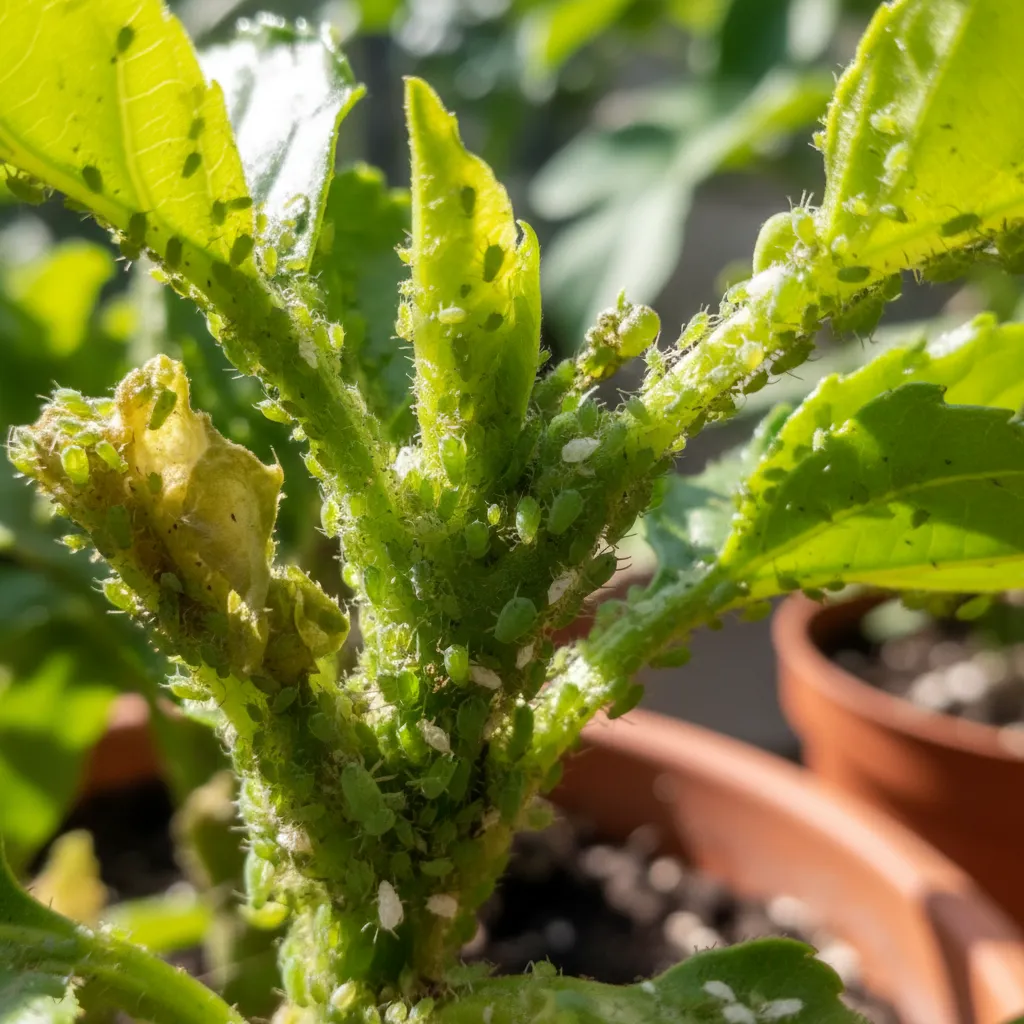
- ✓Pests and Diseases — Generally robust, but watch for common garden pests like slugs and snails, especially on young foliage.
- ✓Harvesting — Leaves are traditionally harvested for poultices, while rhizomes are collected for extracts, typically in late autumn after the growing season.
Reviewed by the Flora Medical Global Botanical Review Panel
Multi-disciplinary editorial group · Botany · Ethnobotany · Herbal-medicine literature
Who reviewed this: This page was checked by the Flora Medical Global Botanical Review Panel — an in-house editorial group of botany graduates, ethnobotany researchers, and horticulture practitioners who collectively maintain our 7,000+ plant encyclopedia. Meet the team.
Our 4-step verification process
1. Taxonomic verification
Scientific names and synonyms cross-checked against Kew POWO, World Flora Online, and The Plant List.
2. Phytochemical & medicinal cross-reference
Active compounds, traditional uses, and reported activities are cross-referenced with PubMed, USDA Dr. Duke's database, and peer-reviewed ethnobotanical literature.
3. Conservation & distribution check
Distribution, ecology, and conservation status confirmed against GBIF occurrence records and the IUCN Red List.
4. Editorial & safety review
Every entry passes an editorial pass for clarity, originality, and safety notices (toxicity, contraindications, dosage caveats) before publication.
Last reviewed:
Important medical disclaimer: This content is for educational and research purposes only. It is not medical advice and is not a substitute for consultation with a licensed healthcare provider. Do not use any herb to self-treat a medical condition without professional guidance.
Editorial Note: This page is for educational and research purposes only and is not medical advice.
Written by: Flora Medical Global Editorial Team
Reviewed by: Flora Medical Global Botanical Review Panel
Last Updated: June 19, 2026





Butterbur — Comments & Community Reviews
Rate this plant
No reviews yet. Be the first!