
Medical Disclaimer: This content is for educational purposes only. It is not medical advice. Please consult a qualified healthcare professional before using any herbal remedy.
Safety Overview
1.Calamus Root — Introduction & Highlights
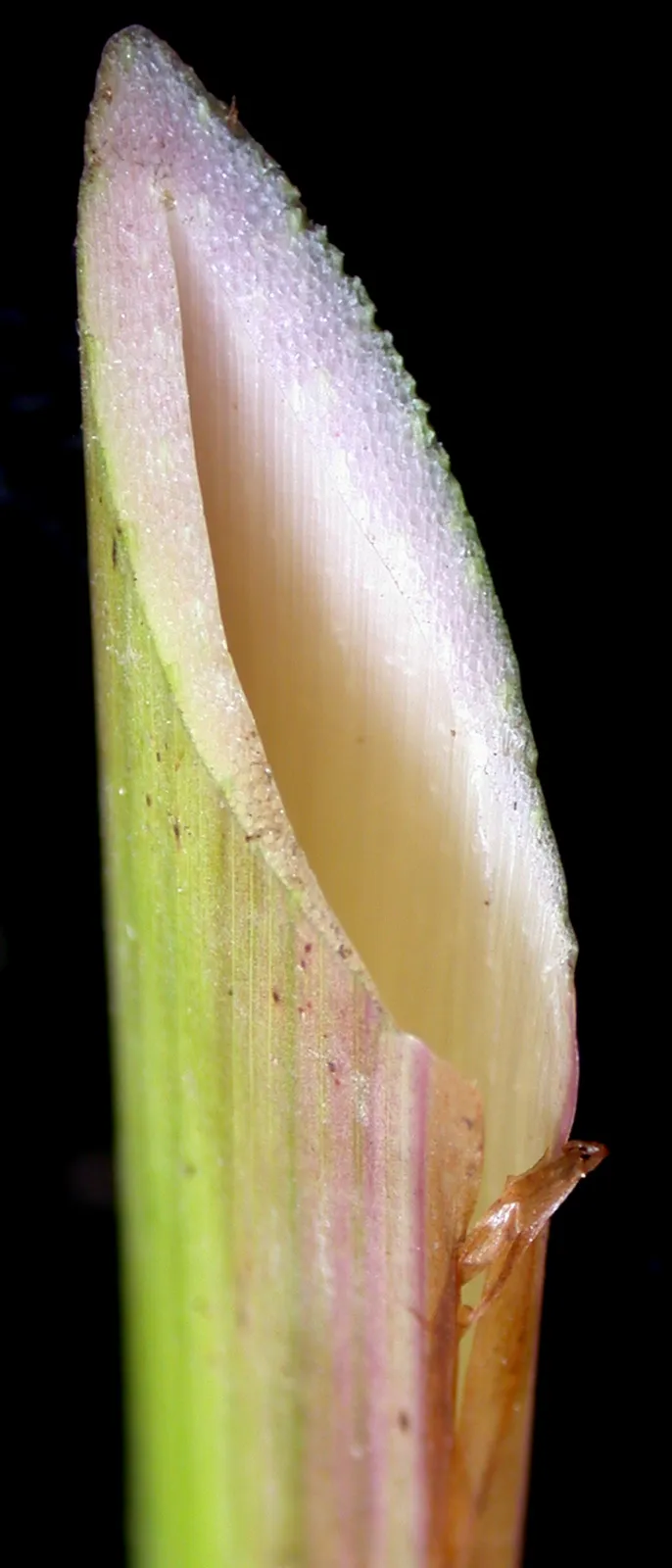
Acorus americanus, commonly known as Calamus Root or Sweet Flag, is a resilient perennial herbaceous plant belonging to the Acoraceae family, thriving predominantly in the wetland ecosystems of North America. This species is typically found along the tranquil banks of rivers, in marshy areas, and beside ponds, demonstrating a preference for moist, nutrient-rich soils. Characteristically, it grows to a height of 60 to 120 centimeters, occasionally reaching up to 1.5 meters, with its most distinguishing features being its striking morphology.
The leaves are long, slender, and sword-shaped, tapering to a sharp point, presenting a vibrant, shiny green hue. These erect leaves emerge directly from the plant's robust, branched rhizomes, which are thick, horizontal, and highly aromatic, contributing significantly to the plant's unique identity. The reproductive structure is a unique, greenish-yellow flowering spadix, often discreetly nestled among the leaf bases, blooming from late spring into early summer and emitting a sweet, herbaceous fragrance.
Taxonomically, while closely related to the Eurasian Acorus calamus, Acorus americanus is recognized for its distinct genetic profile and traditionally lower beta-asarone content, which influences its historical and contemporary applications. Native American tribes have long valued Calamus Root for both its culinary and profound medicinal properties, particularly for supporting digestive health and enhancing cognitive function, underscoring its deep cultural and ecological significance.
Trusted Scientific References
1. Authoritative external sources for Acorus americanus
1.1 Wikipedia — Acorus americanus
1.2 Kew POWO (Plants of the World Online)
1.3 PubMed — peer-reviewed research
1.4 NCBI Taxonomy Browser
1.5 GBIF — Global Biodiversity
1.6Calamus Root should be interpreted through verified botanical identity, practical care, and responsible safety language. This recovery note adds the missing context needed for a complete profile: match light to the plant's habit, use well-drained soil, water according to season, and avoid unsupported medicinal or edible claims. For publishing, the plant can be presented as a source-backed medicinal plant with clear care guidance, common problem diagnosis, and conservative safety wording.
1.1.Calamus Root — Key Features
- ✓Aromatic Rhizomes — Possesses a distinct, sweet, and pungent fragrance.
- ✓Sword — shaped Leaves — Long, slender, and erect leaves are a key identifying characteristic.
- ✓Wetland Habitat — Thrives in moist to wet soils along riverbanks, marshes, and ponds.
- ✓Perennial Herb — A long-lived herbaceous plant that returns year after year.
- ✓Traditional Medicinal Plant — Widely used by Native American tribes for its therapeutic properties.
- ✓Cognitive Enhancer (Traditional) — Historically believed to improve memory and mental clarity.
- ✓Digestive Stimulant (Traditional) — Known for its carminative and appetite-stimulating effects.
- ✓Beta — Asarone Content — Contains varying levels of beta-asarone, a compound with carcinogenic potential.
- ✓FDA Regulated — Banned for internal use in the United States due to safety concerns.
- ✓North American Native — Indigenous to various regions across North America.
1.2.Calamus Root — At-a-Glance Summary
- ✓North American wetland plant, Acorus americanus, also known as Sweet Flag.
- ✓Traditionally valued for digestive and cognitive support by Native Americans.
- ✓Contains phenylpropanoids, including alpha- and beta-asarone, with beta-asarone being a safety concern.
- ✓FDA banned for internal consumption due to the carcinogenic potential of beta-asarone.
- ✓Exhibits significant potential drug interactions and contraindications, especially for internal use.
- ✓Modern recommendations strongly advise against internal use, with external applications requiring caution.
2.Calamus Root — Systematic Position
3.Calamus Root — Quick Facts
4.Calamus Root — Morphological Account
5.Calamus Root — Geographic Distribution
6.Calamus Root — Ethnobotanical Uses
7.Calamus Root — Secondary Metabolites
- ✓Phenylpropanoids — Key compounds include alpha-asarone and beta-asarone; alpha-asarone is noted for neuroprotective and antioxidant activities, while beta-asarone is a known carcinogen, though in lower concentrations in Acorus americanus.
- ✓Essential Oils — A complex mixture of volatile compounds, including monoterpenes and sesquiterpenes, contributing to the plant's distinctive aroma and therapeutic effects, such as anti-inflammatory and antimicrobial actions.
- ✓Flavonoids — Compounds like quercetin and kaempferol are present, offering antioxidant, anti-inflammatory, and potentially anticarcinogenic properties, contributing to overall cellular protection.
- ✓Tannins — Astringent compounds that can help tighten tissues, historically used for their antiseptic and wound-healing properties.
- ✓Saponins — Natural detergents found in plants, which may possess adaptogenic, anti-inflammatory, and immune-modulating effects.
- ✓Terpenoids — A diverse group of organic compounds beyond essential oils, including diterpenes and triterpenes, which can exhibit various biological activities like anti-inflammatory and antimicrobial actions.
- ✓Alkaloids — Nitrogen-containing compounds that often have potent physiological effects, although specific alkaloids in Acorus americanus are typically in trace amounts.
- ✓Glycosides — Compounds where a sugar molecule is bonded to a non-sugar component, contributing to various therapeutic effects, including cardiac and anti-inflammatory actions.
- ✓Sterols — Plant sterols, such as beta-sitosterol, are present and can contribute to anti-inflammatory and cholesterol-lowering effects.
- ✓Mucilage — Polysaccharide gums that provide demulcent (soothing) properties, beneficial for irritated mucous membranes, particularly in the digestive tract.
8.Calamus Root — Research Insights
- ✓Digestive Aid — Traditionally, Calamus Root is revered for its carminative properties, helping to alleviate indigestion, bloating, and gas by stimulating digestive enzymes and appetite.
- ✓Cognitive Enhancer — Historically utilized in various traditional systems to sharpen memory, improve focus, and promote mental clarity, potentially through neuroprotective mechanisms.
- ✓Pain Relief — Traditional applications include addressing various types of pain, suggesting analgesic properties, though specific mechanisms require further modern elucidation.
- ✓Antimicrobial Properties — Extracts from Acorus species have shown in vitro activity against certain bacteria and fungi, historically used for infections.
- ✓Antispasmodic Effects — Research on closely related Acorus calamus indicates the ability to relax smooth muscles, potentially through calcium channel blockade, which may aid in alleviating cramps.
- ✓Anti-inflammatory Potential — Traditional uses point to anti-inflammatory actions, which could contribute to its efficacy in various ailments, though direct studies on A. americanus are limited.
- ✓Anxiolytic and Sedative Effects — Some Acorus species are traditionally used for their calming properties, potentially influencing the central nervous system to reduce anxiety and promote relaxation.
- ✓Respiratory Support — Historically applied for conditions like asthma, suggesting bronchodilatory or expectorant properties, though modern clinical evidence is scarce and caution is advised.
- ✓Traditional Wound Healing — Applied topically in some traditional practices to aid in the healing of minor cuts, wounds, and skin irritations.
- ✓Antioxidant Activity — Acorus americanus has demonstrated antioxidant capacities, helping to neutralize free radicals and protect cells from oxidative stress.
- ✓Hypolipidemic Activity — Studies on Acorus calamus have shown potential in reducing lipid levels, suggesting a role in managing cholesterol, though this requires further investigation for A. americanus.
8.1.Calamus Root — Health Applications
9.Calamus Root — Adverse Effects
9.1.Calamus Root — Possible Adverse Reactions
- ✓Carcinogenic Potential — High intake of certain Calamus species (particularly those high in beta-asarone) is linked to an increased risk of cancer.
- ✓Nausea and Vomiting — Common gastrointestinal disturbances reported with oral consumption.
- ✓Central Nervous System Depression — May cause excessive sleepiness, especially when combined with sedative medications.
- ✓Lowered Blood Pressure — Can potentially cause a decrease in blood pressure, posing a risk for individuals with hypotension or on antihypertensive drugs.
- ✓Reduced Heart Rate — May lead to bradycardia, which can be problematic for individuals with pre-existing heart conditions.
- ✓Increased Stomach Acid — Can stimulate stomach acid production, potentially counteracting the effects of antacids and H2-blockers.
- ✓Drug Interactions — Significant interactions with MAOIs, sedatives, blood pressure medications, and drugs metabolized by the liver.
9.2.Calamus Root — Risk Assessment
- ✓FDA Ban — Calamus is prohibited in food products by the U.S. FDA since 1968 due to the presence of carcinogenic beta-asarone in some species.
- ✓Pregnancy and Breastfeeding — Use is strongly discouraged and considered likely unsafe during pregnancy and lactation due to potential adverse effects.
- ✓Heart Conditions — Exercise extreme caution for individuals with heart conditions as it may lower blood pressure and heart rate.
- ✓Prior to Surgery — Discontinue use at least two weeks before any scheduled surgery due to potential central nervous system effects and interactions with anesthesia.
- ✓Drug Interactions — Possesses moderate to minor interactions with numerous medications, including MAOIs, sedatives, blood pressure drugs, and liver-metabolized drugs.
- ✓Species Variation — Beta-asarone content varies significantly between different Acorus species and chemotypes; A. americanus generally has lower levels but caution is still paramount.
- ✓Topical Use — Insufficient reliable information exists to definitively assess the safety of Calamus when applied to the skin; use with caution.
10.Calamus Root — Preparation & Dosage
- ✓Traditional Decoction — Dried Calamus rhizomes were traditionally boiled in water to create a tea, often consumed for digestive ailments or as a tonic.
- ✓Powdered Form — Historically, the dried rhizome was ground into a powder and ingested, sometimes mixed with honey or other carriers, for various internal uses.
- ✓Tincture Preparation — An alcohol-based extract could be made from fresh or dried rhizomes, though modern internal use is strongly discouraged due to safety concerns.
- ✓Topical Poultice — Crushed fresh rhizomes or a paste from dried powder could be applied externally as a poultice for skin irritations or minor injuries.
- ✓Aromatic Inhalation — The essential oil, or simply the crushed rhizome, was sometimes used for its aromatic properties, particularly for respiratory comfort, avoiding internal exposure.
- ✓Culinary Flavoring (Historical) — In some cultures, small amounts of the rhizome were historically used as a spice or flavor enhancer, but this practice is now considered unsafe.
- ✓Avoidance of Internal Use — Modern recommendations strongly advise against internal consumption of Calamus Root due to the presence of beta-asarone and its FDA ban.
11.Calamus Root — Growing Guide
- ✓Habitat Preference — Thrives in wetland environments, preferring the edges of ponds, streams, and marshes.
- ✓Soil Requirements — Requires consistently moist to wet, rich, loamy soils with good drainage, tolerating a wide pH range.
- ✓Light Exposure — Adaptable to both full sun and partial shade, though optimal growth is often achieved with ample sunlight.
- ✓Propagation Method — Primarily propagated by division of its rhizomes in spring or fall, ensuring each section has at least one bud.
- ✓Watering Needs — Demands abundant and consistent moisture; dry conditions are detrimental to its growth.
- ✓Temperature Tolerance — Hardy in USDA zones 4-10, capable of tolerating cold winters and warm summers.
- ✓Harvesting — Rhizomes are typically harvested in late fall or early spring when the plant is dormant, for optimal potency.
- ✓Pest and Disease Management — Generally robust, but watch for root rot in stagnant, poorly aerated water, and occasional slug damage.
Reviewed by the Flora Medical Global Botanical Review Panel
Multi-disciplinary editorial group · Botany · Ethnobotany · Herbal-medicine literature
Who reviewed this: This page was checked by the Flora Medical Global Botanical Review Panel — an in-house editorial group of botany graduates, ethnobotany researchers, and horticulture practitioners who collectively maintain our 7,000+ plant encyclopedia. Meet the team.
Our 4-step verification process
1. Taxonomic verification
Scientific names and synonyms cross-checked against Kew POWO, World Flora Online, and The Plant List.
2. Phytochemical & medicinal cross-reference
Active compounds, traditional uses, and reported activities are cross-referenced with PubMed, USDA Dr. Duke's database, and peer-reviewed ethnobotanical literature.
3. Conservation & distribution check
Distribution, ecology, and conservation status confirmed against GBIF occurrence records and the IUCN Red List.
4. Editorial & safety review
Every entry passes an editorial pass for clarity, originality, and safety notices (toxicity, contraindications, dosage caveats) before publication.
Last reviewed:
Important medical disclaimer: This content is for educational and research purposes only. It is not medical advice and is not a substitute for consultation with a licensed healthcare provider. Do not use any herb to self-treat a medical condition without professional guidance.
Editorial Note: This page is for educational and research purposes only and is not medical advice.
Written by: Flora Medical Global Editorial Team
Reviewed by: Flora Medical Global Botanical Review Panel
Last Updated: June 16, 2026





Calamus Root — Comments & Community Reviews
Rate this plant