

Medical Disclaimer: This content is for educational purposes only. It is not medical advice. Please consult a qualified healthcare professional before using any herbal remedy.
Safety Overview
1.Camu Camu — Introduction & Highlights
Camu Camu, scientifically known as Myrciaria dubia, is a distinctive small, bushy shrub indigenous to the lush Amazon Basin, where it thrives in the unique ecosystem of wet, swampy areas and along riverbanks. Its native range primarily encompasses Peru and Brazil, extending into Colombia and Venezuela.
This resilient perennial typically grows to a height of 1 to 3 meters, though it can reach slightly taller under optimal conditions. The plant's root system is specifically adapted to its riparian environment, featuring shallow, fibrous roots that provide stability in waterlogged soils and enable it to withstand the seasonal flooding characteristic of its habitat.
The foliage of Myrciaria dubia consists of simple, opposite leaves, typically elliptical to lanceolate in shape, measuring approximately 3 to 9 cm long and 1 to 3 cm wide. These leaves are notable for their vibrant, glossy bright green color, contributing to the plant's luxuriant appearance.
The venation is pinnate, subtly visible on the leaf surface. The bark of the Camu Camu shrub is thin and smooth, transitioning from a lighter brown on younger stems to a more grayish hue as it matures, a smooth texture that often contrasts with other rainforest species.
Flowering involves the emergence of small, delicate white or pale pink blossoms, each about 1 cm in diameter. These inconspicuous yet crucial flowers possess five petal-like structures essential for the plant's reproductive cycle. Following successful pollination, the plant yields its most valuable asset: the Camu Camu fruit.
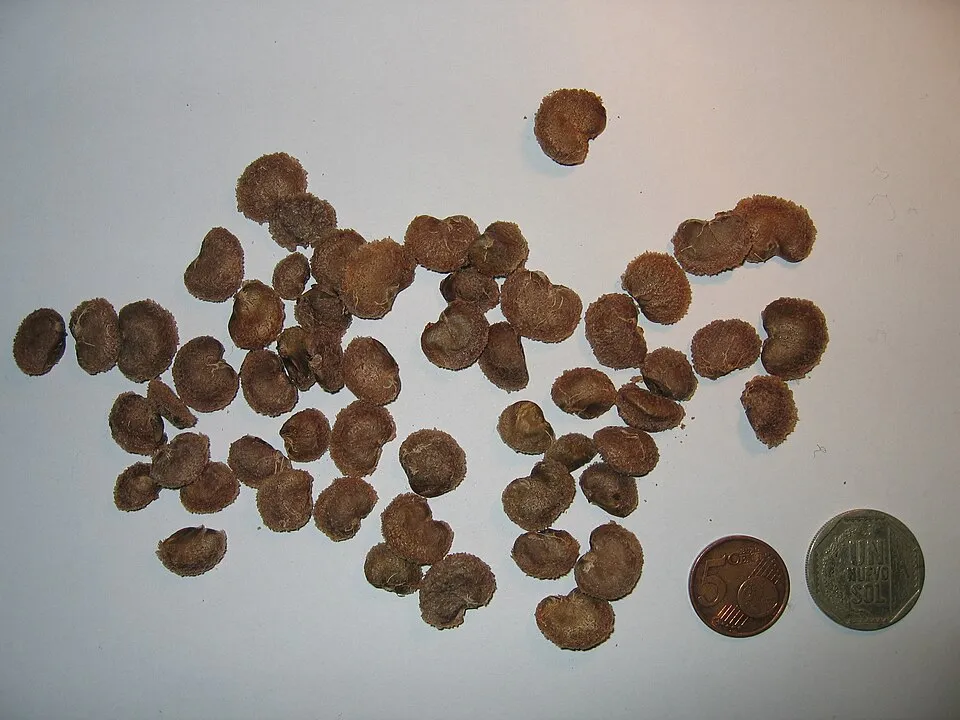
This round berry, generally 2 to 3 cm in diameter, undergoes a striking color transformation during ripening, evolving from green to a deep, lustrous purplish-red, signaling its readiness for harvest. Each fruit typically contains one to four dark brown seeds. Taxonomically, Camu Camu is a member of the diverse Myrtaceae family.
Trusted Scientific References
1. Authoritative external sources for Myrciaria dubia
1.1 Wikipedia — Myrciaria dubia
1.2 Kew POWO (Plants of the World Online)
1.3 PubMed — peer-reviewed research
1.4 NCBI Taxonomy Browser
1.5 GBIF — Global Biodiversity
1.1.Camu Camu — Key Features
- ✓Native to the — Native to the Amazon Basin, thriving in riparian zones.
- ✓Belongs to the — Belongs to the Myrtaceae plant family.
- ✓Exceptionally high Vitamin — Exceptionally high Vitamin C content, surpassing other fruits.
- ✓Rich in diverse — Rich in diverse antioxidants including anthocyanins, flavonols, and carotenoids.
- ✓Exhibits antihyperglycemic, antihypertensive, — Exhibits antihyperglycemic, antihypertensive, and antiobesity bioactivities.
- ✓Produces small, round — Produces small, round berries that ripen to a distinctive purplish-red.
- ✓Traditionally valued by — Traditionally valued by indigenous Amazonian cultures for health and vitality.
- ✓Widely utilized in — Widely utilized in modern functional foods and dietary supplements.
- ✓Supports a robust — Supports a robust immune system and cellular protection.
- ✓Known for its — Known for its tart flavor and vibrant color.
1.2.Camu Camu — Concise Overview
- ✓Myrciaria dubia is an Amazonian superfruit from the Myrtaceae family.
- ✓It is renowned as the richest natural source of Vitamin C on the planet.
- ✓Offers potent antioxidant, anti-inflammatory, and immune-boosting properties.
- ✓Supports cardiovascular health, blood sugar, and weight management.
- ✓Traditionally used by indigenous communities for its revitalizing benefits.
2.Camu Camu — Scientific Profile
3.Camu Camu — Botanical Stats
4.Camu Camu — Plant Morphology
5.Camu Camu — Geographic Distribution
6.Camu Camu — Ethnobotanical Uses
7.Camu Camu — Secondary Metabolites
- ✓Ascorbic Acid (Vitamin C) — Present in exceptionally high concentrations, it is a powerful antioxidant crucial for immune function, collagen synthesis, and protection against oxidative stress.
- ✓Anthocyanins — Including cyanidin-3-O-glucoside and delphinidin-3-O-glucoside, these pigments are responsible for the fruit's red-purple color and provide potent antioxidant and anti-inflammatory effects.
- ✓Flavonols — Such as myricetin and quercetin, these compounds contribute to the fruit's antioxidant capacity and have demonstrated anti-inflammatory and antiproliferative activities.
- ✓Ellagitannins — Primarily ellagic acid and its derivatives, these compounds are strong antioxidants with potential anti-cancer and anti-inflammatory properties, found in various parts of the fruit.
- ✓Proanthocyanidins — These condensed tannins act as powerful antioxidants, contributing to vascular health and offering protective effects against cellular damage.
- ✓Carotenoids — Including lutein, beta-carotene, violaxanthin, and luteoxanthin, these fat-soluble pigments offer antioxidant benefits and are precursors to Vitamin A, supporting vision and skin health.
- ✓Amino Acids — A complex matrix of essential and non-essential amino acids contributes to the fruit's nutritional value, supporting protein synthesis and various metabolic functions.
- ✓Fatty Acids — The fruit contains a profile of fatty acids, which are essential for cellular structure and energy storage, contributing to its overall nutritional composition.
- ✓Minerals — Various essential minerals such as potassium, calcium, and iron are present, supporting electrolyte balance, bone health, and oxygen transport.
- ✓Volatile Compounds — Contribute to the fruit's distinctive aroma and flavor, though their specific bioactivities are still under investigation.
8.Camu Camu — Research Insights
- ✓Potent Antioxidant Support — Camu Camu is exceptionally rich in antioxidants like Vitamin C, anthocyanins, and ellagic acid, which combat oxidative stress by neutralizing free radicals, thereby protecting cells from damage.
- ✓Superior Immune System Boost — With its extraordinary Vitamin C content, Camu Camu significantly enhances immune function, supporting the production and activity of white blood cells essential for defending against pathogens.
- ✓Blood Sugar Regulation — Research indicates that compounds in Camu Camu may exhibit antihyperglycemic activity, helping to modulate blood glucose levels and potentially aiding in the prevention or management of type 2 diabetes.
- ✓Blood Pressure Management — Certain biofunctional properties of Myrciaria dubia have shown antihypertensive effects, contributing to the maintenance of healthy blood pressure levels and supporting cardiovascular health.
- ✓Weight Management Aid — Studies suggest antiobesity activity, where Camu Camu extracts may influence metabolic pathways, potentially assisting in weight management and reducing fat accumulation.
- ✓Anti-Inflammatory Action — The presence of various polyphenols contributes to Camu Camu's anti-inflammatory properties, which can help reduce chronic inflammation throughout the body, a root cause of many diseases.
- ✓Antimicrobial Properties — Extracts from Camu Camu, including its pulp, peel, and seeds, have demonstrated antimicrobial effects, potentially inhibiting the growth of certain bacteria and fungi.
- ✓Liver Protective Effects — Bioactive compounds in Camu Camu exhibit antihepatotoxic activity, offering protective benefits to the liver against toxins and oxidative damage.
- ✓Cell Rejuvenation and Anti-Aging — Its high antioxidant capacity supports cell integrity and regeneration, potentially contributing to anti-aging effects and overall cellular health.
- ✓Mood Enhancement — While not fully elucidated, the broad nutritional profile, including amino acids and high Vitamin C, may support neurotransmitter synthesis, indirectly contributing to improved mood and cognitive function.
8.1.Camu Camu — Indications & Uses
9.Camu Camu — Risk Profile
9.1.Camu Camu — Side Effects & Warnings
- ✓Digestive Upset — High doses of Vitamin C can lead to gastrointestinal discomfort, including diarrhea, nausea, and stomach cramps.
- ✓Kidney Stone Risk — Individuals prone to kidney stones should exercise caution due to the fruit's natural oxalate content, which can contribute to stone formation in susceptible individuals.
- ✓Allergic Reactions — Although rare, some individuals may experience allergic reactions such as skin rashes, itching, or swelling.
- ✓Iron Overload — Extremely high Vitamin C intake can increase iron absorption, which might be problematic for individuals with hemochromatosis or other iron overload disorders.
- ✓Medication Interactions — May potentially interact with certain medications, particularly blood thinners or chemotherapy drugs, due to its high antioxidant and vitamin K content.
- ✓Insomnia — In some sensitive individuals, very high doses taken late in the day might lead to mild insomnia due to its stimulating effect.
9.2.Camu Camu — Safety Overview
- ✓General Consumption — Camu Camu is generally considered safe for consumption in food amounts; however, supplemental doses should be approached with care.
- ✓Pregnancy and Lactation — Pregnant and nursing women should consult a healthcare professional before using Camu Camu supplements due to insufficient research on safety in these populations.
- ✓Children — Use in children should be under medical supervision, with dosages adjusted significantly lower than adult recommendations.
- ✓Kidney Conditions — Individuals with pre-existing kidney conditions, especially a history of kidney stones, should limit intake or avoid high doses due to oxalate content.
- ✓Dosage Adherence — Adhere strictly to recommended dosages on supplement labels, as excessive intake can lead to adverse effects.
- ✓Quality and Purity — Ensure that Camu Camu products are sourced from reputable suppliers and tested for purity, potency, and absence of contaminants.
- ✓Hydration — Maintain adequate hydration when consuming high doses of Vitamin C to help prevent potential kidney-related issues.
10.Camu Camu — Preparation & Dosage
- ✓Fresh Fruit Consumption — While tart, the ripe fruit can be eaten fresh, though it is more commonly processed due to its intense sourness.
- ✓Juice and Smoothie Base — The pulp is widely used to create nutrient-dense juices, nectars, and smoothies, often blended with sweeter fruits to balance its acidity.
- ✓Powdered Supplement — Dried and powdered Camu Camu fruit is a popular dietary supplement, easily mixed into water, yogurt, cereals, or other beverages.
- ✓Capsules and Tablets — Concentrated extracts are encapsulated or pressed into tablets, offering a convenient way to consume its beneficial compounds.
- ✓Functional Food Ingredient — Incorporated into various functional food products like energy bars, health drinks, and desserts for its nutritional and antioxidant boost.
- ✓Traditional Preparation — Indigenous Amazonian communities traditionally consume the fruit as a fresh juice or pulp for its revitalizing and medicinal properties.
- ✓Culinary Applications — Can be used in jams, jellies, sauces, and desserts, where its tartness adds a unique flavor profile and nutritional value.
11.Camu Camu — Growth Requirements
- ✓Climate Requirement — Thrives in tropical and subtropical climates with high humidity and consistent warmth, mimicking its native Amazonian environment.
- ✓Soil Preference — Prefers acidic, well-draining soils rich in organic matter, but demonstrates notable tolerance to waterlogged conditions and seasonal flooding.
- ✓Water Needs — Requires abundant water supply, ideally from rainfall or consistent irrigation, especially during flowering and fruiting stages.
- ✓Light Exposure — Grows best in full sun to partial shade, with full sun promoting higher fruit yield and Vitamin C content.
- ✓Propagation — Can be propagated from seeds, which require specific stratification for germination, or more commonly from stem cuttings for consistent genetic traits.
- ✓Pest and Disease Management — Generally robust, but susceptible to common tropical fruit pests and fungal diseases, requiring integrated pest management approaches.
- ✓Harvest Time — Fruits are typically harvested manually when they transition from green to a purplish-red, indicating optimal ripeness and peak nutrient content.
- ✓Fertilization — Benefits from regular application of organic fertilizers to support vigorous growth and fruit production in nutrient-depleted soils.
Reviewed by the Flora Medical Global Botanical Review Panel
Multi-disciplinary editorial group · Botany · Ethnobotany · Herbal-medicine literature
Who reviewed this: This page was checked by the Flora Medical Global Botanical Review Panel — an in-house editorial group of botany graduates, ethnobotany researchers, and horticulture practitioners who collectively maintain our 7,000+ plant encyclopedia. Meet the team.
Our 4-step verification process
1. Taxonomic verification
Scientific names and synonyms cross-checked against Kew POWO, World Flora Online, and The Plant List.
2. Phytochemical & medicinal cross-reference
Active compounds, traditional uses, and reported activities are cross-referenced with PubMed, USDA Dr. Duke's database, and peer-reviewed ethnobotanical literature.
3. Conservation & distribution check
Distribution, ecology, and conservation status confirmed against GBIF occurrence records and the IUCN Red List.
4. Editorial & safety review
Every entry passes an editorial pass for clarity, originality, and safety notices (toxicity, contraindications, dosage caveats) before publication.
Last reviewed:
Important medical disclaimer: This content is for educational and research purposes only. It is not medical advice and is not a substitute for consultation with a licensed healthcare provider. Do not use any herb to self-treat a medical condition without professional guidance.
Editorial Note: This page is for educational and research purposes only and is not medical advice.
Written by: Flora Medical Global Editorial Team
Reviewed by: Flora Medical Global Botanical Review Panel
Last Updated: June 16, 2026





Camu Camu — Comments & Community Reviews
Rate this plant