


Medical Disclaimer: This content is for educational purposes only. It is not medical advice. Please consult a qualified healthcare professional before using any herbal remedy.
Safety Overview
1.Capers — Plant Snapshot
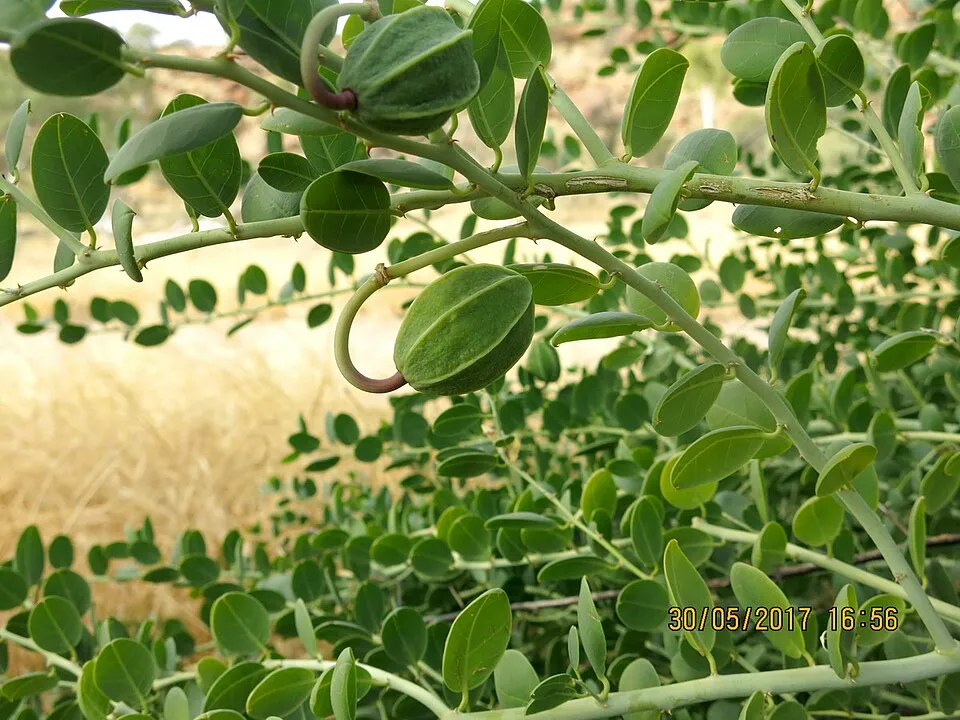
Capparis spinosa, commonly known as capers, is a remarkably resilient perennial shrub belonging to the Capparaceae family. This adaptable plant typically grows to a height of 1 to 2 meters, though it can reach up to 4 meters under optimal conditions. Its broad, ovate to nearly rounded leaves are fleshy, smooth, and can extend up to 10 centimeters in length, a clear adaptation to arid environments.
The caper plant is particularly renowned for its striking, delicate flowers, which bloom in hues of white or pale pink, often adorned with prominent purple stamens, measuring approximately 5 to 7 centimeters across. These showy blossoms, which emerge during the summer months, are the source of the edible caper buds. The bark of the caper bush transitions from a smooth, greenish texture in its youth to a rugged, deeply fissured appearance as it matures, reflecting its hardy nature.
Ecologically, Capparis spinosa exhibits exceptional adaptability, thriving predominantly in arid and semi-arid regions. It is a defining feature of Mediterranean flora, with a vast natural distribution spanning southern Europe, North Africa, the Middle East, and parts of Asia, extending even to Australia and Papua New Guinea. The plant shows a strong preference for limestone soils and is frequently found flourishing in rocky crevices, ancient walls, and coastal areas, often in nutrient-poor substrates.
Its extensive root system, capable of penetrating 6 to 10 meters deep, allows it to access subterranean water sources, making it exceptionally drought-tolerant. As a natural halophyte, it is also capable of thriving in saline conditions. Taxonomically, Capparis spinosa is a polymorphic species, encompassing several subspecies and varieties, each displaying subtle morphological and genetic distinctions adapted to localized environmental pressures.
Trusted Scientific References
1. Authoritative external sources for Capparis spinosa
1.1 Wikipedia — Capparis spinosa
1.2 Kew POWO (Plants of the World Online)
1.3 PubMed — peer-reviewed research
1.4 NCBI Taxonomy Browser
1.5 GBIF — Global Biodiversity
1.1.Capers — Key Features
- ✓Drought — Tolerant Halophyte — Exceptionally adapted to arid, saline environments.
- ✓Edible Flower Buds and Fruits — Valued globally as a culinary ingredient.
- ✓Rich in Bioactive Flavonoids — High concentrations of quercetin and rutin.
- ✓Potent Antioxidant Activity — Fights free radicals and reduces oxidative stress.
- ✓Anti — inflammatory Properties — Helps to alleviate inflammation and pain.
- ✓Hepatoprotective Effects — Supports liver health and detoxification processes.
- ✓Traditional Medicinal Uses — Employed in folk medicine for diverse ailments.
- ✓Culinary Versatility — Enhances flavor in a wide range of dishes.
- ✓Deep Root System — Allows access to deep water sources, aiding survival.
- ✓Polymorphic Species — Exhibits significant morphological and genetic diversity.
1.2.Capers — Concise Overview
- ✓Mediterranean perennial shrub renowned for its edible flower buds.
- ✓Rich in potent antioxidants, particularly flavonoids like quercetin and rutin.
- ✓Exhibits anti-inflammatory, hepatoprotective, and antidiabetic properties.
- ✓Traditionally used for digestive issues, pain, and various infections.
- ✓Widely used in culinary applications, primarily pickled for a tangy, salty flavor.
- ✓High sodium content in pickled form necessitates moderation for some individuals.
2.Capers — Systematic Position
3.Capers — Botanical Stats
4.Capers — Plant Morphology
5.Capers — Geographic Distribution
6.Capers — Ethnobotanical Uses
7.Capers — Active Compounds
- ✓Flavonoids — Key compounds include quercetin, rutin, and kaempferol, known for their potent antioxidant, anti-inflammatory, and vasoprotective effects.
- ✓Glucosinolates — Precursors to isothiocyanates, such as methyl isothiocyanate (from glucocapparin), which contribute to the plant's distinctive flavor and exhibit antimicrobial and potential anti-cancer properties.
- ✓Alkaloids — Various types are present, including stachydrine, which has been traditionally associated with hypotensive effects.
- ✓Phenolic Acids — Compounds like gallic acid and ferulic acid contribute to the overall antioxidant capacity and protective effects against oxidative damage.
- ✓Carotenoids — Beta-carotene and other carotenoids are present, offering antioxidant benefits and serving as precursors to Vitamin A.
- ✓Vitamins — Rich in Vitamin C (ascorbic acid) for immune support, Vitamin E as an antioxidant, and Vitamin K for blood clotting and bone health.
- ✓Minerals — Contains essential minerals such as iron, calcium, magnesium, and potassium, vital for various physiological functions.
- ✓Dietary Fiber — Provides soluble and insoluble fiber, aiding digestive health and promoting gut regularity.
- ✓Triterpenoids — Compounds like lupeol and taraxerol are found, which may contribute to anti-inflammatory and hepatoprotective actions.
- ✓Fatty Acids — Small amounts of beneficial unsaturated fatty acids are present, contributing to overall nutritional value.
8.Capers — What Research Suggests
- ✓Antioxidant Properties — Capers are rich in flavonoids like quercetin and rutin, which scavenge free radicals and mitigate oxidative stress throughout the body.
- ✓Anti-inflammatory Effects — The plant's compounds, particularly polyphenols, help to modulate inflammatory pathways, potentially reducing swelling and pain.
- ✓Hepatoprotective Activity — Research suggests that extracts from Capparis spinosa can protect liver cells from damage, supporting liver detoxification and function.
- ✓Antidiabetic Potential — Studies indicate that caper components may help lower blood glucose levels and improve insulin sensitivity, offering benefits for metabolic health.
- ✓Antimicrobial Action — Certain constituents exhibit antibacterial and antifungal properties, contributing to the plant's traditional use against various infections.
- ✓Analgesic Effects — Traditionally, capers have been used to alleviate pain, a property supported by the presence of compounds with mild pain-relieving actions.
- ✓Neuroprotective Benefits — Some phytochemicals in capers may offer protection to nerve cells, potentially supporting cognitive function and reducing neurological damage.
- ✓Cardiovascular Support — The presence of antioxidants and anti-inflammatory compounds can contribute to heart health by improving vascular function and reducing arterial plaque formation.
- ✓Digestive Aid — In folk medicine, capers have been used to stimulate appetite and improve digestion, possibly due to their bitter compounds.
- ✓Potential Antitumor Activity — Preliminary research suggests that certain caper extracts may inhibit the growth of some cancer cells, though more studies are needed.
8.1.Capers — Therapeutic Indications
9.Capers — Risk Profile
9.1.Capers — Possible Adverse Reactions
- ✓High Sodium Content — Pickled capers are very high in sodium, which can be a concern for individuals with hypertension or those on sodium-restricted diets.
- ✓Allergic Reactions — Although rare, some individuals may experience allergic reactions, such as skin rashes, itching, or digestive upset.
- ✓Gastrointestinal Discomfort — Excessive consumption, particularly of raw or unprocessed parts, may lead to mild stomach upset or diarrhea.
- ✓Medication Interactions — Due to potential effects on blood pressure and blood sugar, capers might interact with antihypertensive or antidiabetic medications.
- ✓Pregnancy and Lactation — Lack of sufficient research warrants caution; pregnant or breastfeeding individuals should consult a healthcare professional before medicinal use.
- ✓Oxalate Content — Capers contain oxalates, which in very high amounts could contribute to kidney stone formation in susceptible individuals.
9.2.Capers — Safety Profile
- ✓Generally Recognized as Safe (GRAS) — When consumed as a food ingredient in moderate amounts, capers are considered safe for most healthy individuals.
- ✓Sodium Intake Monitoring — Individuals with high blood pressure or heart conditions should monitor their sodium intake from pickled capers.
- ✓Professional Consultation — Always consult a healthcare provider before using caper extracts or supplements, especially if pregnant, breastfeeding, or on medication.
- ✓Allergic Sensitivity — Individuals with known allergies to plants in the Capparaceae family or related species should exercise caution.
- ✓Quality Sourcing — Ensure caper products are sourced from reputable suppliers to avoid contamination or adulteration.
- ✓Moderation is Key — Medicinal or concentrated forms should be used in moderation and under expert guidance to prevent potential adverse effects.
- ✓Storage — Store processed capers in a cool, dark place, typically refrigerated after opening, to maintain quality and prevent spoilage.
10.Capers — How to Use
- ✓Pickled Caper Buds — The most common use; unopened flower buds are brined or preserved in vinegar, enhancing their tangy, salty flavor.
- ✓Caper Berries — The ripe fruits (berries) can also be pickled and are often eaten as a snack or appetizer, similar to olives.
- ✓Culinary Ingredient — Pickled capers are widely used in Mediterranean cuisine, added to sauces (e.g., puttanesca), salads, fish dishes, and dressings.
- ✓Medicinal Decoctions — Traditionally, parts of the plant, including roots and bark, were prepared as decoctions for various ailments.
- ✓Herbal Infusions — Leaves and young shoots can be steeped to create herbal infusions, though less common than culinary use of buds.
- ✓Topical Applications — In some traditional practices, crushed leaves or poultices were applied externally for skin conditions or inflammation.
- ✓Caper Paste/Tapenade — Ground capers mixed with olive oil, garlic, and other herbs to create savory spreads or condiments.
- ✓Fresh Leaves — Young, tender caper leaves can be added to salads or cooked as a vegetable in certain regional cuisines.
11.Capers — Propagation & Care
- ✓Soil Preference — Thrives in well-drained, sandy, or rocky soils, often alkaline (limestone-rich), reflecting its natural habitat.
- ✓Sunlight Requirements — Requires full sun exposure for optimal growth and flowering, benefiting from intense sunlight.
- ✓Watering — Highly drought-tolerant once established; requires minimal watering, especially in arid climates.
- ✓Propagation — Can be propagated from seeds, though germination can be challenging and slow; cuttings are often a more reliable method.
- ✓Climate — Prefers warm, dry climates with mild winters, typical of the Mediterranean region.
- ✓Pruning — Regular pruning helps maintain plant shape, encourages branching, and enhances the production of flower buds.
- ✓Pest and Disease Resistance — Generally resistant to most common pests and diseases, due to its hardy nature and secondary metabolites.
- ✓Harvest — Unopened flower buds (capers) are hand-picked before they open, typically in the morning, for best quality.
Reviewed by the Flora Medical Global Botanical Review Panel
Multi-disciplinary editorial group · Botany · Ethnobotany · Herbal-medicine literature
Who reviewed this: This page was checked by the Flora Medical Global Botanical Review Panel — an in-house editorial group of botany graduates, ethnobotany researchers, and horticulture practitioners who collectively maintain our 7,000+ plant encyclopedia. Meet the team.
Our 4-step verification process
1. Taxonomic verification
Scientific names and synonyms cross-checked against Kew POWO, World Flora Online, and The Plant List.
2. Phytochemical & medicinal cross-reference
Active compounds, traditional uses, and reported activities are cross-referenced with PubMed, USDA Dr. Duke's database, and peer-reviewed ethnobotanical literature.
3. Conservation & distribution check
Distribution, ecology, and conservation status confirmed against GBIF occurrence records and the IUCN Red List.
4. Editorial & safety review
Every entry passes an editorial pass for clarity, originality, and safety notices (toxicity, contraindications, dosage caveats) before publication.
Last reviewed:
Important medical disclaimer: This content is for educational and research purposes only. It is not medical advice and is not a substitute for consultation with a licensed healthcare provider. Do not use any herb to self-treat a medical condition without professional guidance.
Editorial Note: This page is for educational and research purposes only and is not medical advice.
Written by: Flora Medical Global Editorial Team
Reviewed by: Flora Medical Global Botanical Review Panel
Last Updated: June 16, 2026





Capers — Comments & Community Reviews
Rate this plant