
Medical Disclaimer: This content is for educational purposes only. It is not medical advice. Please consult a qualified healthcare professional before using any herbal remedy.
Safety Overview
1.Celandine — At a Glance

Celandine, formally known as Chelidonium majus L., is a captivating perennial herbaceous plant within the Papaveraceae family, commonly recognized by a host of vernacular names such as greater celandine, swallowwort, and tetterwort. These names often allude to its historical application in addressing skin conditions and its intriguing association with the seasonal migration of swallows. The genus name 'Chelidonium' itself originates from the Greek 'chelidon,' signifying 'swallow,' a nomenclature believed to stem from the plant's bloom cycle, which purportedly commenced with the swallows' arrival and concluded with their departure, hinting at its traditional use for seasonal ophthalmic issues.
This plant boasts a profound and multifaceted history, intricately woven into ancient medicinal traditions across the vast expanses of Europe and Asia. Esteemed by classical civilizations, including the ancient Greeks and Romans, its therapeutic attributes were meticulously documented by eminent figures such as Pliny the Elder and Dioscorides.
Morphologically, Chelidonium majus typically attains a height of 30 to 120 cm, emerging from a taproot system. Its foliage is characterized by deeply lobed, pinnate leaves, which exhibit a striking glaucous (bluish-green) underside, contrasting with the greener adaxial surface. The plant produces small, delicate four-petaled yellow flowers, which emerge in clusters from the spring through late summer.
These blossoms are succeeded by slender, cylindrical seed pods that bear a resemblance to siliques, containing numerous small, shiny, ovate, and dark seeds, each equipped with an elaiosome, aiding in myrmecochory (seed dispersal by ants). A distinctive bright yellow-orange latex, exuded upon stem breakage, is a central feature of its traditional applications. Greater Celandine thrives in disturbed areas, woodlands, and roadsides, making it a common synanthropic or ruderal plant across temperate Eurasia and now widely naturalized in North America, adapting well to various soil conditions.
Trusted Scientific References
Authoritative external sources for Chelidonium majus L.:
1.1.Celandine — Distinguishing Points
- ✓Distinctive Yellow — Orange Latex — Exudes upon stem breakage, traditionally used for skin conditions.
- ✓Rich in Isoquinoline Alkaloids — Key active compounds responsible for its potent effects.
- ✓Historical Medicinal Significance — Documented uses dating back to ancient Greek and Roman times.
- ✓Traditional Skin Remedy — Widely used for warts, corns, and other epidermal growths.
- ✓Liver and Gallbladder Support (Traditional) — Historically used as a cholagogue, though with modern safety concerns.
- ✓Widespread Distribution — Common ruderal plant across temperate Eurasia and naturalized in North America.
- ✓Papaveraceae Family Member — Related to poppies, sharing some characteristic chemical profiles.
- ✓Spasmolytic Properties — Certain alkaloids can help relax smooth muscles.
- ✓Antimicrobial Potential — Exhibits activity against various pathogens.
- ✓Toxicity Warning — Highly potent and potentially hepatotoxic, requiring extreme caution.
1.2.Celandine — Snapshot Summary
- ✓Potent medicinal herb with a long history of use.
- ✓Known for its distinctive yellow latex and skin applications.
- ✓Rich in isoquinoline alkaloids, including chelidonine and sanguinarine.
- ✓Primarily used topically for warts and skin blemishes.
- ✓Internal use is highly cautioned due to significant liver toxicity risks.
- ✓Not recommended for self-medication; professional guidance is crucial.
2.Celandine — Scientific Identity
3.Celandine — Categories & Tags
4.Celandine — Botanical Description
5.Celandine — Heritage Uses
6.Celandine — Key Phytochemicals
- ✓Isoquinoline Alkaloids — This is the predominant class of active compounds, including chelidonine, sanguinarine, chelerythrine, coptisine, and berberine, which are responsible for most of Celandine's pharmacological actions, from cytotoxic to spasmolytic effects.
- ✓Protopine-Type Alkaloids — Compounds like protopine and allocryptopine contribute to the plant's overall alkaloid profile, often exhibiting sedative and spasmolytic properties.
- ✓Benzophenanthridine Alkaloids — Sanguinarine and chelerythrine are key examples, known for their strong antimicrobial, anti-inflammatory, and cytotoxic activities, particularly relevant for topical applications.
- ✓Quaternary Protoberberine Alkaloids — Berberine and coptisine are well-studied alkaloids with significant antimicrobial, anti-inflammatory, and choleretic properties, influencing gastrointestinal and liver health.
- ✓Flavonoids — These phenolic compounds, such as quercetin derivatives, act as antioxidants and contribute to the plant's anti-inflammatory and protective effects.
- ✓Phenolic Acids — Caffeic acid and ferulic acid are present, contributing to the plant's antioxidant capacity and potentially its anti-inflammatory actions.
- ✓Carotenoids — Responsible for the yellow coloration of the latex, these compounds also possess antioxidant properties.
- ✓Saponins — While less prominent than alkaloids, saponins may contribute to the plant's overall biological activity and traditional uses.
7.Celandine — Evidence-Based Benefits
- ✓Wart and Skin Blemish Removal — The fresh yellow latex of Celandine has been traditionally applied topically to warts, corns, and other skin protuberances, owing to its cytotoxic alkaloid content that helps break down abnormal skin cells.
- ✓Ocular Health Support — Historically, Celandine was used in diluted preparations to address various eye conditions, including conjunctivitis and cataracts, believed to soothe inflammation and improve vision, though modern internal use for eyes is strongly cautioned.
- ✓Cholagogue and Choleretic Action — Certain alkaloids in Chelidonium majus, such as berberine and chelidonine, stimulate bile production and flow, aiding in digestion and supporting liver and gallbladder function, particularly for conditions like dyspepsia.
- ✓Anti-inflammatory Effects — Research indicates that Celandine extracts possess anti-inflammatory properties, potentially beneficial in reducing swelling and pain associated with various inflammatory conditions, acting on cellular pathways.
- ✓Antimicrobial and Antiviral Activity — Studies suggest that compounds within greater Celandine exhibit inhibitory effects against certain bacteria, fungi, and viruses, making it a subject of interest for natural antimicrobial remedies.
- ✓Spasmolytic Properties — Chelidonine, a key alkaloid, is known to exert spasmolytic effects on smooth muscles, which can help alleviate gastrointestinal cramps and spasms, contributing to its traditional use for digestive discomfort.
- ✓Pain Relief — Traditional applications included Celandine for its analgesic properties, particularly for conditions involving muscle spasms or localized pain, though its potent nature requires careful application.
- ✓Potential Anticancer Properties — While highly controversial and requiring significant further research, some preclinical studies and traditional anecdotal evidence from Eastern Europe suggest Celandine compounds may have cytotoxic effects on certain cancer cell lines, but this is not a proven treatment and internal use is dangerous.
7.1.Celandine — Indications & Uses
8.Celandine — Safety & Side Effects
8.1.Celandine — Caution Notes
- ✓Liver Toxicity — The most serious side effect, potentially leading to hepatitis, jaundice, and liver failure, especially with prolonged or high-dose internal use.
- ✓Gastrointestinal Upset — Nausea, vomiting, abdominal pain, and diarrhea can occur with internal consumption, even at moderate doses.
- ✓Skin Irritation/Dermatitis — Direct contact with the fresh latex can cause skin irritation, redness, blistering, or allergic reactions in sensitive individuals.
- ✓Ocular Irritation — Applying the latex directly to eyes can cause severe irritation, inflammation, and potential damage.
- ✓Oral and Mucosal Irritation — Ingestion of fresh plant material can cause burning sensations in the mouth and throat, and irritation of mucous membranes.
- ✓Photosensitivity — Some individuals may experience increased sensitivity to sunlight when using Celandine topically or internally.
- ✓Allergic Reactions — Rashes, itching, and other allergic symptoms are possible, particularly in individuals sensitive to plants in the Papaveraceae family.
8.2.Celandine — Safety Overview
- ✓Contraindicated in Pregnancy and Lactation — Due to its potent alkaloids and potential toxicity, Celandine should not be used by pregnant or breastfeeding women.
- ✓Avoid in Liver Disease — Individuals with pre-existing liver conditions, hepatitis, or liver dysfunction should strictly avoid Celandine due to its hepatotoxic potential.
- ✓Not for Internal Self-Medication — Internal use of Celandine, especially raw plant material or unstandardized preparations, is highly discouraged without strict medical supervision due to severe toxicity risks.
- ✓Pediatric Contraindication — Celandine is not safe for use in children due to their increased susceptibility to toxic effects.
- ✓Drug Interactions — May interact with other hepatotoxic drugs, anticoagulants, or medications metabolized by the liver, increasing the risk of adverse effects.
- ✓Topical Use with Caution — Always perform a patch test before topical application; avoid prolonged contact and apply only to the affected area, not healthy skin.
- ✓Professional Guidance Essential — Any internal or prolonged topical use should only be undertaken under the strict guidance of a qualified healthcare practitioner.
9.Celandine — Usage Guide
- ✓Topical Application of Fresh Latex — For warts and skin blemishes, the fresh yellow-orange latex from a broken stem is carefully applied directly to the affected area, once or twice daily, avoiding surrounding healthy skin.
- ✓Herbal Tinctures — Prepared by steeping dried Celandine herb in alcohol; tinctures are used in highly diluted forms, typically under professional guidance, for internal conditions like liver support.
- ✓Infusions/Teas (External Only) — Dried leaves and flowers can be prepared as an infusion for external washes or compresses, particularly for skin irritations, but internal consumption is generally not recommended due to toxicity.
- ✓Poultices — Crushed fresh leaves can be made into a poultice and applied to skin conditions, similar to latex application, but with caution to avoid prolonged contact.
- ✓Homeopathic Preparations — Celandine is used in highly diluted homeopathic remedies for liver and gallbladder complaints, where the extreme dilution mitigates toxicity.
- ✓Standardized Extracts — In some regions, standardized extracts are available for internal use, but these are strictly regulated and require medical supervision due to the potent alkaloid content.
- ✓Ointments and Creams — Formulations incorporating Celandine extract are available for topical use, offering a safer and more controlled application for skin issues than raw latex.
10.Celandine — Cultivation & Care
- ✓Soil Preference — Celandine thrives in moist, well-drained, humus-rich soils, but it is highly adaptable and can tolerate a range of soil types, including poor and clayey soils.
- ✓Light Requirements — It prefers partial shade, especially in warmer climates, but can tolerate full sun in cooler regions. Direct, intense afternoon sun may scorch its leaves.
- ✓Propagation — Primarily propagated by seed, which often requires a period of cold stratification for optimal germination. It can also self-seed prolifically.
- ✓Watering — Requires consistent moisture, especially during dry spells, but avoid waterlogging as this can lead to root rot.
- ✓Hardiness — A very hardy perennial, typically growing in USDA hardiness zones 4-8, capable of withstanding cold winters.
- ✓Maintenance — Generally low maintenance; can be invasive due to prolific self-seeding, so deadheading spent flowers can help control its spread.
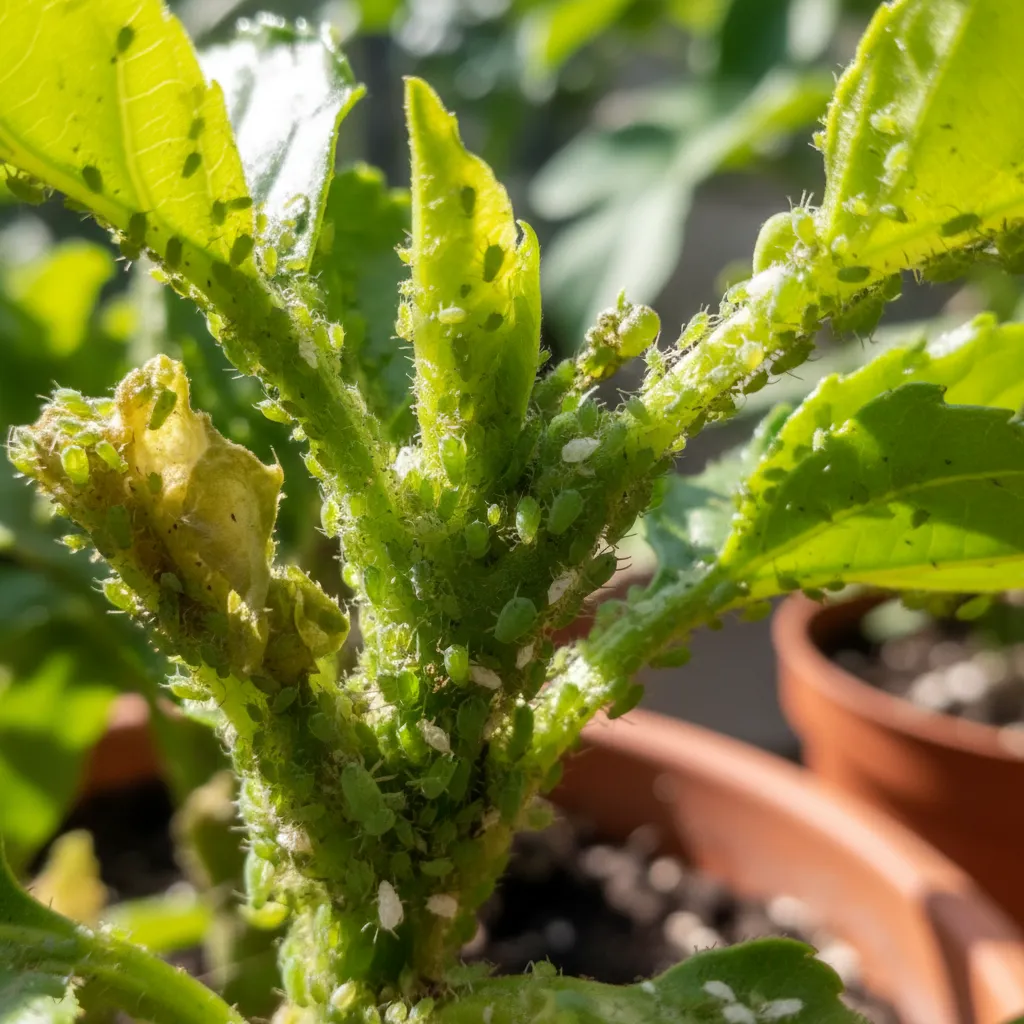
- ✓Pests and Diseases — Relatively resistant to most pests and diseases, though slugs and snails may occasionally feed on young foliage.
Reviewed by the Flora Medical Global Botanical Review Panel
Multi-disciplinary editorial group · Botany · Ethnobotany · Herbal-medicine literature
Who reviewed this: This page was checked by the Flora Medical Global Botanical Review Panel — an in-house editorial group of botany graduates, ethnobotany researchers, and horticulture practitioners who collectively maintain our 7,000+ plant encyclopedia. Meet the team.
Our 4-step verification process
1. Taxonomic verification
Scientific names and synonyms cross-checked against Kew POWO, World Flora Online, and The Plant List.
2. Phytochemical & medicinal cross-reference
Active compounds, traditional uses, and reported activities are cross-referenced with PubMed, USDA Dr. Duke's database, and peer-reviewed ethnobotanical literature.
3. Conservation & distribution check
Distribution, ecology, and conservation status confirmed against GBIF occurrence records and the IUCN Red List.
4. Editorial & safety review
Every entry passes an editorial pass for clarity, originality, and safety notices (toxicity, contraindications, dosage caveats) before publication.
Last reviewed:
Important medical disclaimer: This content is for educational and research purposes only. It is not medical advice and is not a substitute for consultation with a licensed healthcare provider. Do not use any herb to self-treat a medical condition without professional guidance.
Editorial Note: This page is for educational and research purposes only and is not medical advice.
Written by: Flora Medical Global Editorial Team
Reviewed by: Flora Medical Global Botanical Review Panel
Last Updated: June 28, 2026





Celandine — Comments & Community Reviews
Rate this plant
No reviews yet. Be the first!