

Medical Disclaimer: This content is for educational purposes only. It is not medical advice. Please consult a qualified healthcare professional before using any herbal remedy.
Safety Overview
1.Cerastium Tomentosum — Overview
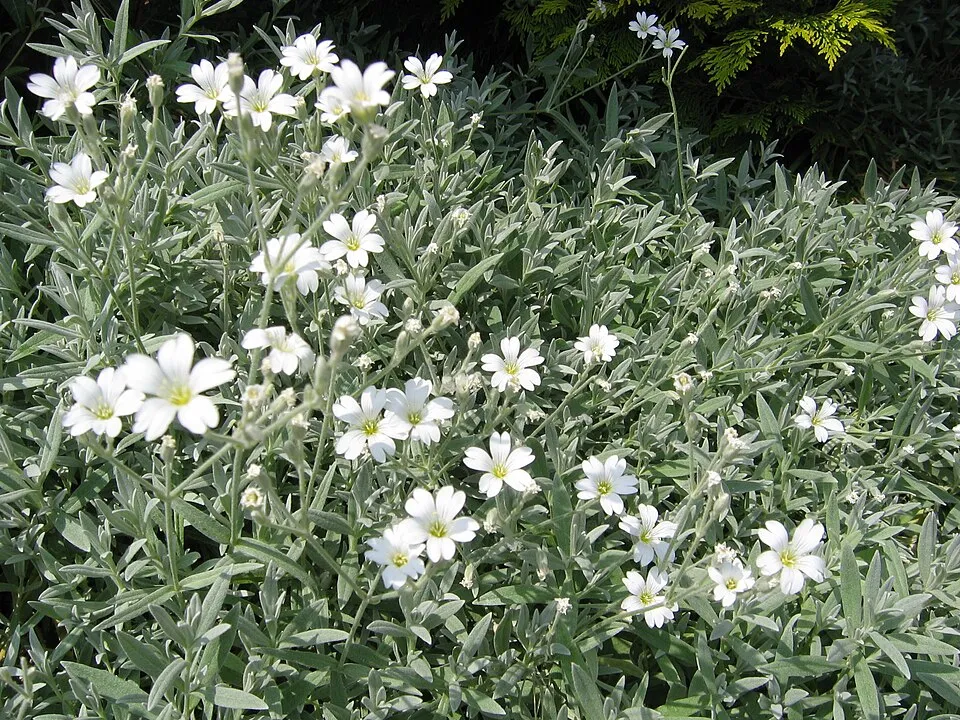
Cerastium tomentosum, widely known as Snow-in-summer, is a distinctive low-growing herbaceous perennial belonging to the Caryophyllaceae family. This species forms a dense, spreading mat, typically reaching heights of 6 to 12 inches, characterized by its striking silvery-gray, woolly foliage. The specific epithet 'tomentosum' directly refers to this dense, soft, matted pubescence covering its narrow, lanceolate leaves and stems, a feature that also contributes to its common name 'Dusty Miller' in some regions.
Leaves are arranged oppositely along the stems, which can spread extensively via underground runners, making it an excellent groundcover. In late spring to early summer, Cerastium tomentosum produces an abundance of showy, star-shaped white flowers, each stem bearing up to 15 blooms that create a carpet-like effect, evoking the appearance of fresh snow—hence its most popular common name, Snow-in-summer. The genus name, Cerastium, derives from the Greek 'keras' meaning horn, alluding to the slightly bent seed capsules found in some species.
Native to Italy, particularly found in mountainous regions, this plant thrives in full sun and prefers poor, dry, sandy, and very well-drained soils. While it exhibits robust drought resistance, it is sensitive to high heat and humidity, which can lead to decline or root rot in poorly drained, moist conditions. Its mat-forming habit and attractive appearance make it a popular ornamental choice for rock gardens, borders, and as a low-maintenance groundcover, though it can become weedy in ideal cool climates.
Trusted Scientific References
1. Authoritative external sources for Cerastium Tomentosum
1.1 Wikipedia — Cerastium Tomentosum
1.2 Kew POWO (Plants of the World Online)
1.3 PubMed — peer-reviewed research
1.4 NCBI Taxonomy Browser
1.5 GBIF — Global Biodiversity
1.6Cerastium Tomentosum should be interpreted through verified botanical identity, practical care, and responsible safety language. This recovery note adds the missing context needed for a complete profile: match light to the plant's habit, use well-drained soil, water according to season, and avoid unsupported medicinal or edible claims. For publishing, the plant can be presented as a source-backed garden plant with clear care guidance, common problem diagnosis, and conservative safety wording.
1.1.Cerastium Tomentosum — Defining Traits
- ✓Botanical Name — Cerastium tomentosum
- ✓Common Names — Snow-in-summer, Dusty Miller, Jerusalem Star, Wooly Mouse-Ear Chickweed
- ✓Plant Type — Herbaceous Perennial Groundcover
- ✓Foliage — Distinctive silvery-gray, woolly, narrow leaves
- ✓Flowers — Showy, pure white, star-shaped blooms
- ✓Bloom Time — Late spring to early summer
- ✓Growth Habit — Mat-forming, spreading via runners, typically 6-12 inches tall
- ✓Habitat — Native to Italy, prefers dry, sunny, well-drained environments
- ✓Medicinal Use — Traditional anti-inflammatory, antioxidant, digestive aid, immune support
- ✓Key Constituents — Flavonoids, Vitamins A, C, K, saponins
- ✓Drought Tolerance — High
- ✓Deer Resistance — Yes
1.2.Cerastium Tomentosum — In Brief
- ✓Cerastium tomentosum, or Snow-in-summer, is a striking perennial groundcover with silvery, woolly foliage.
- ✓Produces abundant star-shaped white flowers in late spring to early summer, creating a 'snowy' landscape.
- ✓Traditionally recognized for potential anti-inflammatory, antioxidant, digestive, and immune-boosting properties.
- ✓Contains beneficial phytochemicals including flavonoids and essential vitamins A, C, and K.
- ✓Thrives in full sun and well-drained, poor soils, but is intolerant of high heat and humidity.
- ✓Valued ornamentally and used in traditional herbal infusions and topical applications for wellness.
2.Cerastium Tomentosum — Taxonomic Classification
3.Cerastium Tomentosum — Reference Facts
4.Cerastium Tomentosum — Structural Profile
5.Cerastium Tomentosum — Habitat & Distribution
6.Cerastium Tomentosum — Historical Applications
7.Cerastium Tomentosum — Secondary Metabolites
- ✓Flavonoids — Key compounds like quercetin and kaempferol derivatives, which are potent antioxidants and contribute to the plant's anti-inflammatory properties.
- ✓Vitamins — Contains essential fat-soluble Vitamin A (as carotenoids) for vision and immune function, water-soluble Vitamin C (ascorbic acid) for immune support and collagen synthesis, and Vitamin K for blood coagulation and bone health.
- ✓Saponins — Triterpenoid saponins are present, a common class in the Caryophyllaceae family, potentially offering expectorant or mild demulcent effects.
- ✓Phenolic Acids — Includes compounds such as chlorogenic acid and caffeic acid derivatives, which further contribute to the plant's antioxidant capacity and protective effects.
- ✓Polysaccharides — Complex carbohydrates that may confer demulcent properties, providing a soothing effect on mucous membranes.
- ✓Tannins — Astringent compounds that can contribute to wound healing and have mild antiseptic properties, often found in various plant parts.
- ✓Essential Minerals — Contains trace amounts of vital minerals necessary for numerous physiological processes, though specific concentrations can vary.
- ✓Carotenoids — Pigments like beta-carotene, precursors to Vitamin A, which act as powerful antioxidants within the plant and when consumed.
- ✓Phytosterols — Plant sterols such as beta-sitosterol, which are known for their potential to support cardiovascular health and possess anti-inflammatory actions.
8.Cerastium Tomentosum — What Research Suggests
- ✓Anti-inflammatory Support — Rich in flavonoids, Cerastium tomentosum is traditionally recognized for its potential to modulate inflammatory responses, helping to soothe minor irritations.
- ✓Antioxidant Activity — The plant contains a spectrum of antioxidants, including vitamins and phenolic compounds, which combat oxidative stress and protect cellular health.
- ✓Digestive Health Enhancement — Historically, preparations from Snow-in-summer have been used to support the digestive system, promoting overall gut wellness.
- ✓Mild Laxative Effect — Traditional applications suggest a gentle laxative action, aiding in regular bowel movements and alleviating mild constipation.
- ✓Immune System Boosting — Infusions were consumed in folk medicine to fortify the body's natural defenses and enhance the immune system's resilience.
- ✓Alleviation of Common Colds — Used traditionally to mitigate symptoms associated with common colds, offering comfort during seasonal ailments.
- ✓Skin Soothing Properties — Due to its purported anti-inflammatory nature, Cerastium tomentosum has been traditionally applied topically to calm minor skin irritations and discomfort.
- ✓Nutritional Supplementation — Provides essential vitamins such as A, C, and K, contributing to general well-being and supporting various bodily functions.
- ✓Diuretic Potential — Some related species and traditional uses suggest a mild diuretic effect, potentially assisting in fluid balance and urinary health.
- ✓Wound Healing Support — Historically, external applications of the herb were believed to aid in the healing process of minor cuts, scrapes, and abrasions.
8.1.Cerastium Tomentosum — Conditions Traditionally Used For
9.Cerastium Tomentosum — Precautions & Warnings
9.1.Cerastium Tomentosum — Side Effects & Warnings
- ✓Allergic Reactions — Individuals sensitive to plants in the Caryophyllaceae family may experience contact dermatitis or allergic reactions upon skin contact or ingestion.
- ✓Gastrointestinal Upset — Consumption of large quantities may lead to mild stomach discomfort, nausea, or diarrhea in susceptible individuals.
- ✓Photosensitivity — While rare, some plant constituents could theoretically increase skin sensitivity to sunlight, particularly with topical application.
- ✓Medication Interactions — Potential, though unverified, for interactions with anticoagulant medications due to its Vitamin K content; consult a healthcare provider.
- ✓Weedy Tendencies — Can become invasive and outcompete other plants in garden settings, especially in favorable cool, dry climates.
- ✓Root Rot — Improper cultivation in poorly drained or overly moist soils can lead to root rot, compromising plant health and vitality.
9.2.Cerastium Tomentosum — Clinical Safety Notes
- ✓Pregnancy and Lactation — Due to insufficient scientific data, Cerastium tomentosum is not recommended for use by pregnant or breastfeeding individuals.
- ✓Children — Use in pediatric populations should be avoided or conducted under strict medical supervision due to a lack of safety research.
- ✓Pre-existing Conditions — Individuals with chronic health conditions, particularly those affecting the liver, kidneys, or blood clotting, should consult a healthcare professional before use.
- ✓Allergic Individuals — Avoid use if there is a known allergy or sensitivity to plants within the Caryophyllaceae family or other botanical allergens.
- ✓Dosage Adherence — Always adhere to recommended dosages for any herbal preparation to minimize potential adverse effects and ensure safety.
- ✓Quality Assurance — Source plant material from reputable suppliers to ensure purity, prevent contamination, and verify correct species identification.
- ✓External Application — Conduct a patch test on a small skin area before widespread topical application to check for any local skin sensitivities or reactions.
10.Cerastium Tomentosum — Preparation & Dosage
- ✓Herbal Infusion — Prepare a tea by steeping 1-2 teaspoons of dried Cerastium tomentosum leaves and flowers in hot water for 5-10 minutes; strain and consume for digestive support or cold relief.
- ✓Topical Poultice — Crush fresh leaves and apply directly as a poultice to minor skin irritations, insect bites, or small superficial wounds for a soothing effect.
- ✓Tincture Preparation — Macerate fresh or dried plant material in a high-proof alcohol solution for several weeks to create a concentrated liquid extract; follow specific dosage instructions.
- ✓Herbal Compress — Soak a clean cloth in a strong, warm infusion of the herb and apply to localized areas of inflammation or muscle discomfort.
- ✓External Wash — Create a decoction by simmering a larger quantity of plant material in water, then use the cooled liquid as a wash for skin conditions or minor abrasions.
- ✓Culinary (Limited) — While primarily ornamental, tender young leaves might be sparingly incorporated into salads or green mixes, similar to common chickweed, after proper identification.
- ✓Herbal Bath — Add a strong infusion of the plant to bathwater to help soothe widespread skin irritations or to promote relaxation.
11.Cerastium Tomentosum — Growing Guide
- ✓Soil Requirements — Thrives in poor, dry, sandy, and well-drained soils; avoid heavy clay or poorly draining conditions to prevent root rot.
- ✓Sun Exposure — Requires full sun, ideally receiving at least 6-8 hours of direct sunlight daily for vigorous growth and abundant flowering.
- ✓Watering — Highly drought-tolerant once established, but benefits from occasional watering during prolonged dry spells; ensure soil dries out between waterings.
- ✓Propagation — Easily propagated by division in spring or fall, from stem cuttings in early summer, or via self-seeding if spent blooms are not removed.
- ✓Maintenance — Prune in early spring to remove any winter damage and to encourage dense, compact growth; large groundcover areas can be mowed on a high setting after flowering.
- ✓Climate Preference — Performs best in cool summer climates; it struggles and may decline in regions with high heat and humidity.
- ✓Pest and Disease Resistance — Generally deer resistant; primary issues include root rot in wet conditions and powdery mildew in humid environments.
- ✓Growth Habit Control — Can be aggressive; consider less invasive cultivars like 'Olympia' or 'Silberteppich' to manage spread in smaller gardens.
Reviewed by the Flora Medical Global Botanical Review Panel
Multi-disciplinary editorial group · Botany · Ethnobotany · Herbal-medicine literature
Who reviewed this: This page was checked by the Flora Medical Global Botanical Review Panel — an in-house editorial group of botany graduates, ethnobotany researchers, and horticulture practitioners who collectively maintain our 7,000+ plant encyclopedia. Meet the team.
Our 4-step verification process
1. Taxonomic verification
Scientific names and synonyms cross-checked against Kew POWO, World Flora Online, and The Plant List.
2. Phytochemical & medicinal cross-reference
Active compounds, traditional uses, and reported activities are cross-referenced with PubMed, USDA Dr. Duke's database, and peer-reviewed ethnobotanical literature.
3. Conservation & distribution check
Distribution, ecology, and conservation status confirmed against GBIF occurrence records and the IUCN Red List.
4. Editorial & safety review
Every entry passes an editorial pass for clarity, originality, and safety notices (toxicity, contraindications, dosage caveats) before publication.
Last reviewed:
Important medical disclaimer: This content is for educational and research purposes only. It is not medical advice and is not a substitute for consultation with a licensed healthcare provider. Do not use any herb to self-treat a medical condition without professional guidance.
Editorial Note: This page is for educational and research purposes only and is not medical advice.
Written by: Flora Medical Global Editorial Team
Reviewed by: Flora Medical Global Botanical Review Panel
Last Updated: June 15, 2026





Cerastium Tomentosum — Comments & Community Reviews
Rate this plant