


Medical Disclaimer: This content is for educational purposes only. It is not medical advice. Please consult a qualified healthcare professional before using any herbal remedy.
Safety Overview
1.Chandraprabha — Introduction & Highlights
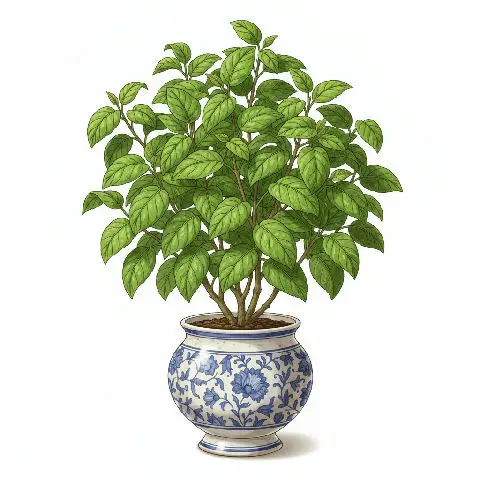
Chandraprabha is not a single botanical species but a revered polyherbal Ayurvedic formulation, traditionally presented as a 'vati' or tablet. Its name, meaning 'lustrous like the moon,' symbolizes its profound efficacy in restoring balance and vitality. While the core essence of Chandraprabha lies in its synergistic blend of numerous herbs and minerals, key botanical contributors often include Dioscorea opposita (Chinese yam), Tribulus terrestris (puncturevine), and Asparagus racemosus (shatavari).
Dioscorea opposita, a perennial vine native to East Asia, is characterized by its slender, twining stems reaching up to 3 meters. Its heart-shaped leaves, typically 10-15 cm long, have a smooth, slightly waxy texture with prominent venation. Inconspicuous yellow to light green flowers emerge in axillary clusters, giving way to winged capsules.
This species thrives in temperate to subtropical woodlands and along riverbanks.
Tribulus terrestris, commonly known as puncturevine, is a prostrate annual herb distinguished by its trailing, hairy stems that can sprawl up to one meter. Its pinnately compound leaves bear numerous small, oval leaflets, each 1-3 cm, arranged in opposing pairs. The plant produces solitary, bright yellow flowers, approximately 2-3 cm in diameter, which mature into distinctive, woody, spiny fruits capable of puncturing tires, hence its common name.
Tribulus is a cosmopolitan weed, flourishing in arid to semi-arid climates across tropical and subtropical regions worldwide, often found in disturbed soils and pastures. Asparagus racemosus, or shatavari, is a robust, perennial climbing herb reaching heights of up to 1-2 meters. It is recognized by its delicate, needle-like cladodes (modified stems functioning as leaves) arranged in fascicles, giving it a soft, feathery appearance.
Small, fragrant white flowers bloom in racemes, followed by small, spherical, purplish-black berries. Shatavari is indigenous to India and the Himalayas, growing in tropical and subtropical forests.
Trusted Scientific References
1. Authoritative external sources for Multiple herbs
1.1 Wikipedia — Multiple herbs
1.2 Kew POWO (Plants of the World Online)
1.3 PubMed — peer-reviewed research
1.4 NCBI Taxonomy Browser
1.5 GBIF — Global Biodiversity
1.1.Chandraprabha — Defining Traits
- ✓Ancient Ayurvedic Formulation — A time-tested polyherbal blend with roots in classical Ayurvedic texts.
- ✓Tridosha Balancer — Effectively harmonizes Vata, Pitta, and Kapha, promoting holistic equilibrium.
- ✓Urinary System Support — Renowned for its efficacy in treating various urinary tract disorders and calculi.
- ✓Metabolic Regulator — Traditionally used to support healthy metabolic functions, including in diabetes management.
- ✓Reproductive Tonic — Beneficial for both male and female reproductive health, addressing various concerns.
- ✓Adaptogenic and Rejuvenative — Enhances the body's resilience to stress and promotes anti-aging effects.
- ✓Broad — Spectrum Benefits — Addresses a wide array of conditions, from digestive issues to skin ailments.
- ✓Natural Aphrodisiac — Helps improve vigor, vitality, and sexual health.
- ✓Mineral — Enriched — Contains purified minerals (Bhasmas) that enhance the therapeutic action of herbs.
- ✓Yogavahi Property — Acts as a catalyst, enhancing the absorption and efficacy of other herbal ingredients.
1.2.Chandraprabha — At-a-Glance Summary
- ✓Chandraprabha Vati is a renowned Ayurvedic polyherbal formulation, meaning 'lustrous like the moon'.
- ✓It is primarily used for urinary tract health, metabolic balance, and reproductive well-being.
- ✓Key botanical components include Dioscorea opposita, Tribulus terrestris, and Asparagus racemosus.
- ✓Traditionally balances Vata, Pitta, and Kapha doshas, offering broad-spectrum health benefits.
- ✓Acts as a rejuvenative, aphrodisiac, and general tonic, enhancing vitality and strength.
- ✓Requires strict medical supervision due to its potent composition and potential interactions.
2.Chandraprabha — Scientific Profile
3.Chandraprabha — Botanical Stats
4.Chandraprabha — Structural Profile
5.Chandraprabha — Where It Grows
6.Chandraprabha — Cultural & Traditional Roles
7.Chandraprabha — Active Compounds
- ✓Saponins — Key compounds like diosgenin from Dioscorea opposita, protodioscin from Tribulus terrestris, and shatavarins from Asparagus racemosus are known for their adaptogenic, hormonal, and diuretic actions.
- ✓Flavonoids — Present in various ingredients such as Emblica officinalis, offering potent antioxidant and anti-inflammatory properties that protect cellular integrity.
- ✓Alkaloids — Compounds like piperine from Piper longum and berberine from Berberis aristata contribute to enhanced bioavailability, antimicrobial, and anti-inflammatory effects.
- ✓Resins and Guggulsterones — Commiphora mukul (Guggulu) provides guggulsterones, which are recognized for their lipid-lowering and anti-inflammatory activities, crucial for metabolic health.
- ✓Curcuminoids — Derived from Curcuma longa (Turmeric), these include curcumin, revered for its powerful anti-inflammatory, antioxidant, and immunomodulatory benefits.
- ✓Phenolic Acids and Tannins — Found in Terminalia chebula, Terminalia bellirica, and Emblica officinalis, these compounds exert astringent, antioxidant, and antimicrobial effects.
- ✓Essential Oils and Volatile Compounds — Ingredients like Cinnamomum camphora (Karpura) and Acorus calamus (Vacha) contribute volatile oils with carminative, antiseptic, and soothing properties.
- ✓Minerals and Bhasmas — The formulation incorporates purified metallic and mineral preparations like Loha Bhasma (iron) and Makshika Dhatu Bhasma, providing essential micronutrients and acting as catalysts for herbal actions.
- ✓Glycosides — Various plants in the blend contribute glycosides, which can have diverse effects, including cardiac, purgative, or anti-inflammatory actions.
- ✓Polysaccharides — Found in ingredients like Tinospora cordifolia, contributing to immunomodulatory and adaptogenic activities.
8.Chandraprabha — Modern Studies
- ✓Supports Urinary Tract Health — Chandraprabha Vati is highly effective in managing urinary tract infections (UTIs), dysuria, and urinary calculi by promoting healthy urine flow and reducing inflammation.
- ✓Aids in Diabetes Management — Traditionally used in Ayurvedic treatment of Prameha (diabetes), it helps regulate blood sugar levels and alleviate associated complications.
- ✓Alleviates Gastrointestinal Discomfort — It provides relief from constipation, bloating, and abdominal colic pain by promoting healthy digestion and bowel movements.
- ✓Boosts Respiratory Wellness — Useful in treating various respiratory conditions such as cold, cough, rhinitis, bronchitis, and asthma by clearing congestion and soothing airways.
- ✓Promotes Skin Health — Employed to address eczema, dermatitis, pruritus, and allergic skin conditions due to its purifying and anti-inflammatory properties.
- ✓Supports Liver and Spleen Function — It is beneficial in treating early stages of liver disorders, anemia (Pandu), jaundice (Kamala), and splenomegaly (Pleehodara), aiding detoxification.
- ✓Addresses Anorectal Conditions — Effectively treats piles (hemorrhoids) and fistula-in-ano by reducing inflammation and promoting healing.
- ✓Enhances Reproductive Health — Utilized for semen defects (Shukra Dosha), painful periods (Artavaruja), and various gynecological problems, supporting overall reproductive vitality.
- ✓Acts as an Aphrodisiac and Rejuvenative — Known as Vrushya (aphrodisiac) and Rasayani (anti-aging), it improves strength, vitality, and overall youthful vigor.
- ✓Balances Tridosha — This formulation harmonizes Vata, Pitta, and Kapha doshas, bringing systemic balance and promoting holistic well-being.
- ✓Reduces Inflammation and Pain — Its blend of herbs contributes to its analgesic and anti-inflammatory effects, beneficial for conditions like low back pain (Kati Shoola).
- ✓Improves Digestion and Appetite — Helps in cases of low digestion strength (Mandagni) and anorexia (Aruchi), stimulating digestive fire and improving nutrient absorption.
8.1.Chandraprabha — Reported Uses
9.Chandraprabha — Risk Profile
9.1.Chandraprabha — Side Effects & Warnings
- ✓Burning Sensation — Over-dosage may occasionally lead to a slight burning sensation in the abdomen for some individuals.
- ✓Blood Pressure Concerns — Individuals with high blood pressure should exercise caution and use this medicine strictly under medical supervision due to its salt content.
- ✓Allergic Reactions — Although rare, some individuals may experience allergic reactions to specific herbal components, manifesting as skin rashes or digestive upset.
- ✓Gastrointestinal Upset — In sensitive individuals, minor gastrointestinal discomfort like nausea or stomach irritation might occur.
- ✓Drug Interactions — Potential interactions with certain Western (allopathic) medications, necessitating a consultation with a healthcare professional.
- ✓Not for Self-Medication — Due to its potent and multi-ingredient nature, self-medication is strongly discouraged.
9.2.Chandraprabha — Safety Profile
- ✓Medical Supervision — Always use Chandraprabha Vati under the direct guidance of a qualified Ayurvedic physician to ensure appropriate dosage and suitability.
- ✓High Blood Pressure Precaution — Patients with hypertension must consult their doctor before use due to the presence of salt ingredients in the formulation.
- ✓Pregnancy and Lactation — Not recommended for pregnant or lactating women without explicit medical advice from a healthcare provider.
- ✓Children — Keep out of reach and sight of children; pediatric use should be strictly supervised by an Ayurvedic specialist.
- ✓Storage — Store in a cool, dry place, away from direct sunlight and moisture, to maintain its efficacy and shelf life.
- ✓Contraindications — Exercise caution in individuals with severe kidney conditions or other chronic illnesses; always disclose full medical history to your physician.
- ✓Interactions with Modern Medicine — If taking allopathic medicines, consult your doctor to manage potential interactions, typically by maintaining a 30-60 minute gap.
10.Chandraprabha — How to Use
- ✓Standard Dosage — The typical adult dosage for Chandraprabha Vati (500 mg tablet) is 1-2 tablets, taken once or twice a day.
- ✓Administration Timing — It is generally advised to take the tablets either before or after food, depending on individual constitution and physician's guidance.
- ✓With Water — The tablets are usually consumed with plain water, making it a simple and convenient method of administration.
- ✓Duration of Use — Chandraprabha Vati is commonly prescribed for a period of 1-2 months, with the dosage gradually decreased as per the Ayurvedic doctor's recommendation.
- ✓Under Medical Supervision — Due to its potent polyherbal nature and specific indications, strict medical supervision from a qualified Ayurvedic practitioner is essential for safe and effective use.
- ✓Specific Anupana — In some cases, it may be advised with specific anupanas (co-drinks) like coconut water if a burning sensation occurs, or as recommended for specific therapeutic effects.
- ✓Formulation — Chandraprabha Vati is created by finely powdering numerous herbal and mineral ingredients, then binding them with Guggulu to form tablets.
11.Chandraprabha — Growing Guide
- ✓Soil Preparation — For the diverse constituent herbs, well-drained, fertile loamy soil with a pH range of 6.0-7.5 is generally ideal, often enriched with organic matter.
- ✓Climate Requirements — The various plants thrive in a range from tropical to temperate climates, requiring adequate sunlight for optimal growth, though some prefer partial shade.
- ✓Propagation Techniques — Propagation varies by species, typically involving seeds, rhizome cuttings (for Dioscorea), rootstock division (for Asparagus), or stem cuttings (for other vines).
- ✓Irrigation Practices — Regular and moderate irrigation is essential, particularly during dry spells, ensuring consistent moisture without waterlogging to support root development.
- ✓Harvesting — Harvesting periods differ; roots/rhizomes (Dioscorea, Asparagus, Curcuma) are typically harvested after maturity, while fruits (Tribulus, Terminalia) are collected when ripe.
- ✓Pest and Disease Management — Organic pest control methods and maintaining good agricultural practices are crucial to ensure healthy growth and prevent chemical contamination of medicinal parts.
- ✓Post-Harvest Processing — Harvested parts are carefully cleaned, dried under controlled conditions to preserve active constituents, and then powdered for formulation.
Reviewed by the Flora Medical Global Botanical Review Panel
Multi-disciplinary editorial group · Botany · Ethnobotany · Herbal-medicine literature
Who reviewed this: This page was checked by the Flora Medical Global Botanical Review Panel — an in-house editorial group of botany graduates, ethnobotany researchers, and horticulture practitioners who collectively maintain our 7,000+ plant encyclopedia. Meet the team.
Our 4-step verification process
1. Taxonomic verification
Scientific names and synonyms cross-checked against Kew POWO, World Flora Online, and The Plant List.
2. Phytochemical & medicinal cross-reference
Active compounds, traditional uses, and reported activities are cross-referenced with PubMed, USDA Dr. Duke's database, and peer-reviewed ethnobotanical literature.
3. Conservation & distribution check
Distribution, ecology, and conservation status confirmed against GBIF occurrence records and the IUCN Red List.
4. Editorial & safety review
Every entry passes an editorial pass for clarity, originality, and safety notices (toxicity, contraindications, dosage caveats) before publication.
Last reviewed:
Important medical disclaimer: This content is for educational and research purposes only. It is not medical advice and is not a substitute for consultation with a licensed healthcare provider. Do not use any herb to self-treat a medical condition without professional guidance.
Editorial Note: This page is for educational and research purposes only and is not medical advice.
Written by: Flora Medical Global Editorial Team
Reviewed by: Flora Medical Global Botanical Review Panel
Last Updated: June 16, 2026





Chandraprabha — Comments & Community Reviews
Rate this plant