


Medical Disclaimer: This content is for educational purposes only. It is not medical advice. Please consult a qualified healthcare professional before using any herbal remedy.
Safety Overview
1.Chinese Hawthorn — Botanical Snapshot

Chinese Hawthorn, scientifically known as Crataegus pinnatifida, is a distinguished deciduous shrub or small tree belonging to the extensive Rosaceae family. It typically achieves a height of 3 to 7 meters (10 to 23 feet), presenting a dense, rounded canopy that offers significant aesthetic appeal throughout the seasons. The foliage consists of dark green, deeply lobed leaves, measuring between 5 to 10 centimeters in length, which serve as a vibrant backdrop for its seasonal transformations.
In the spring, Crataegus pinnatifida bursts forth with an abundance of small, charming clusters of white to pale pink flowers, each blossom typically ranging from 1 to 2 centimeters in diameter. These flowers are not only visually appealing but also act as a strong magnet for a diverse array of pollinators, contributing to local biodiversity.
The bark of the Chinese Hawthorn is initially smooth and grayish-brown, gradually developing a more rugged texture with age, characterized by shallow fissures and a slightly exfoliating appearance. The plant's most notable feature, its fruit, referred to as 'haws,' emerges in late summer and matures into a striking bright red by autumn. These spherical to obovoid fruits typically measure about 1 to 1.5 centimeters in diameter and are highly prized for both their culinary and medicinal value.
Crataegus pinnatifida is indigenous to various regions across China, where it thrives particularly in valleys, on hillsides, and in mountainous terrains. It shows a preference for well-drained soils and requires ample sunlight to flourish, adapting well to temperate climates.
Taxonomically, its placement within the Rosaceae family links it to a vast lineage of economically and ecologically significant plants, including well-known species like apples (Malus domestica) and roses (Rosa spp.), all recognized for their fruits and ornamental qualities. Historically, Chinese Hawthorn holds a profound position in Traditional Chinese Medicine (TCM), where its fruits, leaves, and seeds have been utilized for centuries to address various health concerns, particularly those related to digestion and cardiovascular health.
Its adaptability and robust nature make it a resilient species in its native range.
Trusted Scientific References
Authoritative external sources for Crataegus pinnatifida:
1.1.Chinese Hawthorn — Notable Characteristics
- ✓Native to China — Native to China with a rich history in Traditional Chinese Medicine.
- ✓Deciduous shrub or small tree, reaching 3 — 7 meters in height.
- ✓Produces distinctive bright — Produces distinctive bright red, spherical to obovoid fruits known as 'haws'.
- ✓Contains a high — Contains a high concentration of beneficial flavonoids and triterpenic acids.
- ✓Known for its — Known for its significant cardiovascular and metabolic health benefits.
- ✓Traditionally used to — Traditionally used to aid digestion and reduce blood lipid levels.
- ✓Adaptable to temperate climates, preferring well — drained soil and ample sunlight.
- ✓Flowers are white — Flowers are white to pale pink, attracting a variety of pollinators.
- ✓Fruit is valued — Fruit is valued for both culinary and medicinal applications.
- ✓Exhibits antioxidant, anti — inflammatory, and antithrombotic activities.
1.2.Chinese Hawthorn — Snapshot Summary
- ✓Crataegus pinnatifida is a deciduous shrub native to China, prized for its red 'haws'.
- ✓Traditionally used in TCM for digestion and cardiovascular health.
- ✓Modern research highlights its benefits for metabolic syndrome, hyperlipidemia, and atherosclerosis.
- ✓Rich in flavonoids, triterpenic acids, and proanthocyanidins with antioxidant and cardioprotective properties.
- ✓Caution advised for individuals on heart or blood-thinning medications.
- ✓Available in various forms, including teas, tinctures, powders, and culinary preparations.
2.Chinese Hawthorn — Scientific Identity
3.Chinese Hawthorn — Categories & Tags
4.Chinese Hawthorn — Physical Description
5.Chinese Hawthorn — Traditional Uses
6.Chinese Hawthorn — Phytochemistry
- ✓Flavonoids — Key compounds include hyperoside, vitexin, rutin, and quercetin, primarily found in leaves and flowers, known for their antioxidant and cardioprotective actions.
- ✓Triterpenic Acids — Oleanolic acid, ursolic acid, and crataegolic acid are abundant in the fruit, contributing to lipid-lowering and ACAT enzyme inhibition.
- ✓Proanthocyanidins (Oligomeric Proanthocyanidins - OPCs) — Found in fruits, leaves, and flowers, these are potent antioxidants that support vascular integrity and reduce oxidative stress.
- ✓Phenolic Acids — Chlorogenic acid, caffeic acid, and gallic acid are present, offering significant antioxidant and anti-inflammatory benefits.
- ✓Sesquiterpenes — Specific sesquiterpenes, particularly from the seeds, have been identified for their antithrombotic properties by inhibiting platelet aggregation.
- ✓Organic Acids — Malic acid, citric acid, and tartaric acid contribute to the fruit's characteristic tart flavor and may aid in digestion and metabolism.
- ✓Saponins — These compounds contribute to the plant's overall pharmacological profile, potentially influencing cholesterol absorption.
- ✓Polysaccharides — Found in the fruit, these complex carbohydrates may contribute to immunomodulatory and hypoglycemic effects.
- ✓Vitamins and Minerals — The fruit is a source of Vitamin C and B vitamins, along with various essential minerals, enhancing its nutritional value.
7.Chinese Hawthorn — Pharmacological Findings
- ✓Supports Cardiovascular Health — Crataegus pinnatifida is widely recognized for its cardioprotective effects, helping to strengthen heart muscle function and improve coronary blood flow.
- ✓Manages Hyperlipidemia — Extracts from Chinese Hawthorn fruit have been shown to reduce elevated levels of lipids in the blood, including total cholesterol and triglycerides.
- ✓Lowers LDL Cholesterol — Specific triterpenic acids like oleanolic acid and ursolic acid inhibit ACAT enzyme activity, thereby reducing VLDL and LDL cholesterol levels.
- ✓Aids in Metabolic Syndrome Management — Studies indicate its potential in addressing multiple facets of metabolic syndrome, including dyslipidemia, obesity, and high blood sugar.
- ✓Regulates Blood Sugar Levels — Research suggests Crataegus pinnatifida can contribute to the control and treatment of high blood sugar, a key component of metabolic syndrome.
- ✓Exhibits Antithrombotic Activity — A sesquiterpene found in Chinese Hawthorn seeds has demonstrated the ability to inhibit platelet aggregation, potentially preventing blood clot formation.
- ✓Reduces Atherosclerosis — Flavonoids present in the leaves can significantly reduce the formation and progression of atherosclerotic lesions in arteries.
- ✓Promotes Healthy Digestion — Traditionally used to aid digestion, particularly after consuming fatty foods, by promoting gastric enzyme secretion.
- ✓Possesses Antioxidant Properties — Rich in phenolic compounds, Chinese Hawthorn helps neutralize free radicals, protecting cells from oxidative stress and damage.
- ✓Offers Anti-inflammatory Effects — Various constituents contribute to its anti-inflammatory actions, potentially beneficial in conditions characterized by chronic inflammation.
- ✓Supports Weight Management — Its role in improving lipid metabolism and reducing fat accumulation may indirectly support efforts in managing obesity.
7.1.Chinese Hawthorn — Therapeutic Indications
8.Chinese Hawthorn — Cautions & Contraindications
8.1.Chinese Hawthorn — Warnings
- ✓Dizziness — Some individuals may experience mild dizziness, especially when initiating use or with higher doses.
- ✓Nausea — Occasional reports of stomach upset or nausea have been noted in sensitive individuals.
- ✓Fatigue — A feeling of tiredness or lethargy may occur in a small percentage of users.
- ✓Headache — Mild headaches are a possible, though infrequent, side effect.
- ✓Palpitations — Rarely, heart palpitations or irregular heartbeat can occur, particularly with concurrent heart medications.
- ✓Low Blood Pressure — Due to its hypotensive effects, it can cause blood pressure to drop too low, especially if combined with antihypertensive drugs.
- ✓Gastrointestinal Upset — Diarrhea or constipation may occur, though typically mild and transient.
8.2.Chinese Hawthorn — Clinical Safety Notes
- ✓Pregnancy and Lactation — Not recommended for use during pregnancy or breastfeeding due to insufficient safety data.
- ✓Cardiac Medications — Exercise caution and consult a healthcare professional if taking heart medications (e.g., digoxin, beta-blockers, calcium channel blockers) as hawthorn can potentiate their effects.
- ✓Blood Pressure Medications — May interact with antihypertensive drugs, potentially leading to excessively low blood pressure; monitor closely.
- ✓Bleeding Disorders/Anticoagulants — Due to its anti-platelet activity, use with caution if you have bleeding disorders or are taking anticoagulant/antiplatelet medications (e.g., warfarin, aspirin).
- ✓Surgery — Discontinue use at least two weeks before any scheduled surgery due to potential anti-platelet effects.
- ✓Children — Not typically recommended for children without professional medical supervision.
- ✓Allergic Reactions — Discontinue use if signs of an allergic reaction (e.g., rash, swelling, difficulty breathing) occur.
9.Chinese Hawthorn — Usage Guide
- ✓Decoction (Tea) — Dried hawthorn fruit or leaves are simmered in water for 15-20 minutes to extract medicinal compounds, commonly consumed for digestion and heart health.
- ✓Tincture — A concentrated liquid extract made by steeping hawthorn plant parts in alcohol, used in small, measured doses.
- ✓Powdered Form — Dried fruits are ground into a fine powder, which can be encapsulated or mixed into foods and beverages for convenient consumption.
- ✓Culinary Use (Fruits) — Fresh or dried hawthorn berries (haws) are used in jams, jellies, sauces, wines, and candies, especially in traditional Chinese cuisine.
- ✓Syrup — A sweet preparation made from hawthorn fruit extract, often used for children or those who prefer a more palatable form.
- ✓Capsules/Tablets — Standardized extracts or powdered fruit are available in convenient capsule or tablet forms for consistent dosing.
- ✓Infusion (Leaves/Flowers) — Fresh or dried leaves and flowers can be steeped in hot water for a lighter tea, often for their flavonoid content.
- ✓External Preparations — Less common, but some traditional uses might involve poultices for minor skin ailments, though internal use is primary.
10.Chinese Hawthorn — Cultivation & Care
- ✓Site Selection — Choose a location with full sun exposure (at least 6 hours daily) and well-drained soil.
- ✓Soil Preparation — Crataegus pinnatifida prefers loamy, slightly acidic to neutral soils (pH 6.0-7.5); amend heavy clay or sandy soils with organic matter.
- ✓Planting — Plant bare-root or container-grown trees in spring or fall, ensuring the root collar is level with the soil surface.
- ✓Watering — Water regularly during the first growing season to establish roots; mature plants are moderately drought-tolerant but benefit from supplemental watering during dry spells.
- ✓Fertilization — Apply a balanced, slow-release fertilizer in early spring, especially for young trees or those in poor soil.
- ✓Pruning — Prune in late winter or early spring to remove dead, damaged, or crossing branches, and to shape the canopy.
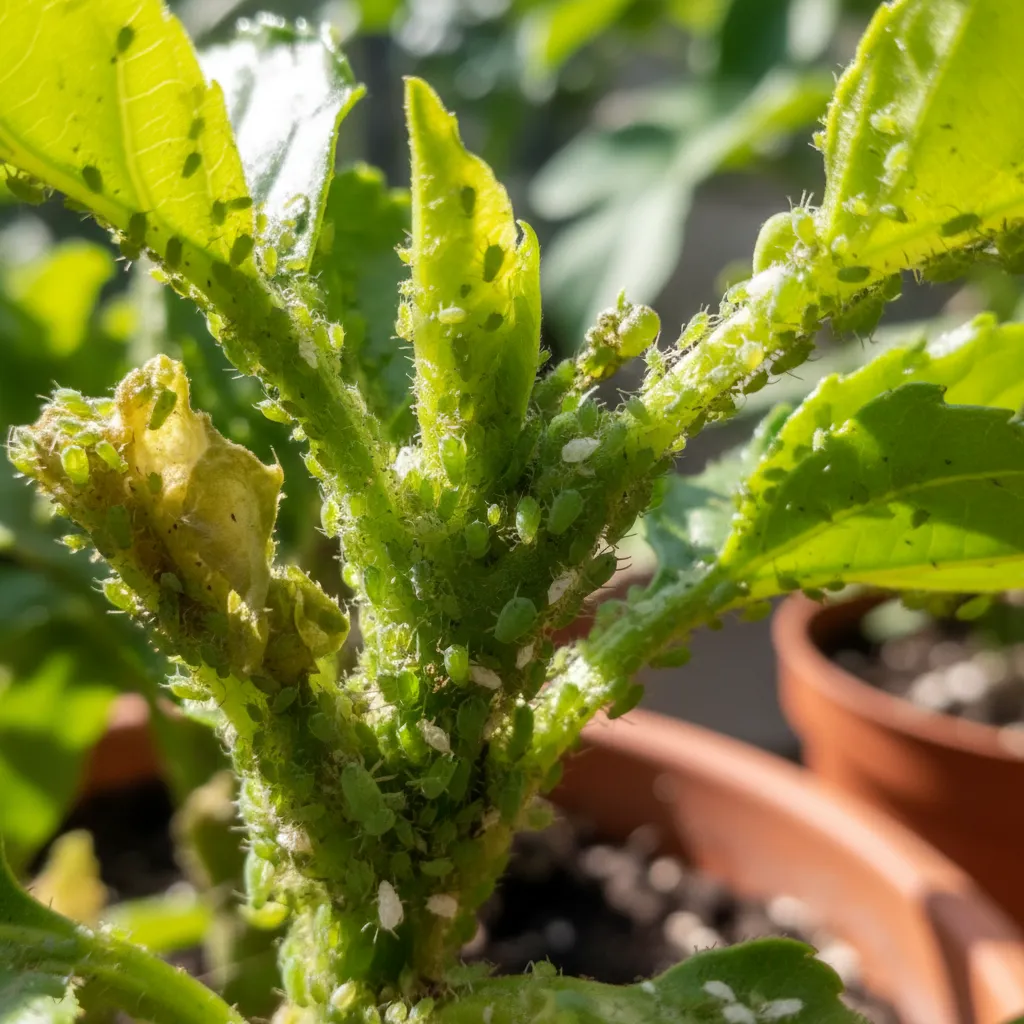
- ✓Pest and Disease Management — Monitor for common hawthorn pests like aphids and diseases like rust or powdery mildew; treat organically if possible.
- ✓Propagation — Can be propagated by seeds (requiring stratification), grafting, or semi-hardwood cuttings.
Reviewed by the Flora Medical Global Botanical Review Panel
Multi-disciplinary editorial group · Botany · Ethnobotany · Herbal-medicine literature
Who reviewed this: This page was checked by the Flora Medical Global Botanical Review Panel — an in-house editorial group of botany graduates, ethnobotany researchers, and horticulture practitioners who collectively maintain our 7,000+ plant encyclopedia. Meet the team.
Our 4-step verification process
1. Taxonomic verification
Scientific names and synonyms cross-checked against Kew POWO, World Flora Online, and The Plant List.
2. Phytochemical & medicinal cross-reference
Active compounds, traditional uses, and reported activities are cross-referenced with PubMed, USDA Dr. Duke's database, and peer-reviewed ethnobotanical literature.
3. Conservation & distribution check
Distribution, ecology, and conservation status confirmed against GBIF occurrence records and the IUCN Red List.
4. Editorial & safety review
Every entry passes an editorial pass for clarity, originality, and safety notices (toxicity, contraindications, dosage caveats) before publication.
Last reviewed:
Important medical disclaimer: This content is for educational and research purposes only. It is not medical advice and is not a substitute for consultation with a licensed healthcare provider. Do not use any herb to self-treat a medical condition without professional guidance.
Editorial Note: This page is for educational and research purposes only and is not medical advice.
Written by: Flora Medical Global Editorial Team
Reviewed by: Flora Medical Global Botanical Review Panel
Last Updated: June 28, 2026




Chinese Hawthorn — Comments & Community Reviews
Rate this plant
No reviews yet. Be the first!