


Medical Disclaimer: This content is for educational purposes only. It is not medical advice. Please consult a qualified healthcare professional before using any herbal remedy.
Safety Overview
1.Chyawanprash — At a Glance
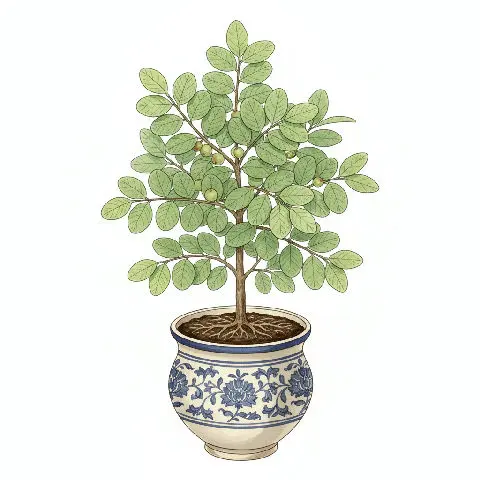
Chyawanprash is a distinguished traditional Ayurvedic polyherbal formulation, rather than a single plant species. Its foundational and most crucial ingredient is Phyllanthus emblica, commonly recognized as Amla or Indian gooseberry. This medium-sized deciduous tree typically attains heights of 8 to 18 meters, characterized by a broad, spreading crown. Its delicate, pale green leaves, measuring approximately 10-25 mm in length, are smoothly textured and arranged oppositely along slender branchlets, creating a distinctive pinnate appearance. The Amla tree yields small, spherical fruits that ripen from a vibrant green to a light greenish-yellow hue, renowned for their intensely sour and tangy taste, which is essential for the authentic Chyawanprash formulation.
The bark of Phyllanthus emblica is thin, light gray-brown, and smooth, with a fibrous quality that often peels in longitudinal strips. Its minute, greenish-yellow flowers emerge in dense clusters, lending a subtle elegance to the tree's overall aesthetic. Phyllanthus emblica thrives in warm, tropical and subtropical climates, predominantly found throughout India, Sri Lanka, and various regions of Southeast Asia, favoring well-drained sandy or loamy soils and abundant sunlight. The broader Chyawanprash formulation represents a sophisticated blend of over 40 diverse herbs, roots, fruits, and minerals, meticulously processed into a unique jam-like consistency. Its taxonomic classification is inherently multi-familial, incorporating plants from families such as Phyllanthaceae (Amla), Solanaceae (Ashwagandha), Menispermaceae (Guduchi), Piperaceae (Pippali), and Zingiberaceae (Ginger), among many others.
Historically, Chyawanprash carries profound cultural and spiritual significance, with its origins deeply embedded in ancient Vedic traditions. Legend attributes its initial formulation to the divine physicians, the Ashwini Kumaras, who aimed to restore youth and vitality to the venerable sage Chyawan Rishi, thus bestowing its name. This potent blend is extensively documented in classical Ayurvedic texts like the Charaka Samhita, where it is revered as a paramount 'Rasayana' or rejuvenating tonic.
Trusted Scientific References
1. Authoritative external sources for Amla-based polyherbal
1.1 Wikipedia — Amla-based polyherbal
1.2 Kew POWO (Plants of the World Online)
1.3 PubMed — peer-reviewed research
1.4 NCBI Taxonomy Browser
1.5 GBIF — Global Biodiversity
1.1.Chyawanprash — Notable Characteristics
- ✓Traditional Ayurvedic Formulation — A time-tested recipe from ancient Indian medicine.
- ✓Amla (Indian Gooseberry) Base — Richest natural source of Vitamin C, a powerful antioxidant.
- ✓Polyherbal Synergy — A complex blend of over 40 herbs working synergistically.
- ✓Rasayana Properties — Designed for rejuvenation, anti-aging, and longevity.
- ✓Immune Modulator — Strengthens the body's natural defense mechanisms.
- ✓Adaptogenic — Helps the body cope with physical and mental stress.
- ✓Digestive Enhancer — Supports healthy metabolism and nutrient absorption.
- ✓Antioxidant Powerhouse — Protects cells from free radical damage.
- ✓Holistic Health Support — Benefits multiple bodily systems including respiratory and cardiovascular.
- ✓Jam — like Consistency — Easy to consume and palatable.
1.2.Chyawanprash — Concise Overview
- ✓Ayurvedic polyherbal jam, primarily Amla-based.
- ✓Revered as a potent Rasayana for rejuvenation and vitality.
- ✓Boosts immunity, enhances digestion, and offers antioxidant protection.
- ✓Contains over 40 diverse herbs, fruits, and minerals.
- ✓Supports overall health, energy, and stress adaptation.
- ✓Traditional use rooted in ancient Vedic texts like the Charaka Samhita.
2.Chyawanprash — Nomenclature & Classification
3.Chyawanprash — Vital Statistics
4.Chyawanprash — Physical Description
5.Chyawanprash — Ecological Habitat
6.Chyawanprash — Folk Medicine Applications
7.Chyawanprash — Key Phytochemicals
- ✓Ascorbic Acid (Vitamin C) — Abundant in Amla, it is a powerful antioxidant crucial for immune function, collagen synthesis, and protecting against oxidative stress.
- ✓Flavonoids — Present in various herbs, these compounds offer antioxidant, anti-inflammatory, and cardioprotective effects.
- ✓Polyphenols — Including tannins (e.g., gallic acid, ellagic acid) from Amla and other ingredients, providing strong antioxidant, astringent, and antimicrobial properties.
- ✓Triterpenoids and Saponins — Found in herbs like Ashwagandha and Guduchi, contributing to adaptogenic, anti-inflammatory, and immune-modulating activities.
- ✓Alkaloids — Such as piperine from Pippali, which acts as a bioenhancer, improving the absorption and bioavailability of other compounds.
- ✓Glycosides — Contribute to various pharmacological activities, including anti-inflammatory and cardio-protective effects.
- ✓Essential Oils — From aromatic spices like cardamom, cinnamon, and clove, providing antimicrobial properties, digestive support, and sensory appeal.
- ✓Minerals and Trace Elements — Naturally present in the herbal components and sometimes added in purified forms, supporting various physiological functions.
- ✓Carotenoids — Precursors to Vitamin A, contributing to antioxidant activity and vision health.
- ✓Amino Acids — Building blocks of proteins, essential for tissue repair and overall metabolic processes.
8.Chyawanprash — Pharmacological Findings
- ✓Immune System Support — Chyawanprash is renowned for strengthening the body's natural defenses, primarily due to its high Vitamin C content from Amla and other immunomodulatory herbs, enhancing resistance against common infections.
- ✓Antioxidant Protection — Rich in polyphenols, flavonoids, and other antioxidants, it effectively scavenges free radicals, protecting cells from oxidative damage and supporting overall cellular health.
- ✓Respiratory Health Enhancement — Traditional use and modern studies suggest it helps maintain healthy respiratory passages, soothing coughs and promoting clear breathing, particularly beneficial during seasonal changes.
- ✓Digestive Aid — The blend of herbs supports healthy digestion by stimulating digestive enzymes, improving appetite, and promoting regular bowel movements, contributing to better nutrient absorption.
- ✓Cognitive Function Improvement — Ingredients like Amla are known for neuroprotective properties, potentially enhancing memory, concentration, and overall brain function.
- ✓Anti-aging and Rejuvenation (Rasayana) — As an Ayurvedic Rasayana, Chyawanprash aims to delay cellular aging, restore vitality, and promote longevity by nourishing tissues and balancing bodily functions.
- ✓Cardiovascular Well-being — Some components may help maintain healthy cholesterol levels and support circulation, contributing to overall heart health.
- ✓Adaptogenic Properties — Many herbs in the formulation act as adaptogens, helping the body manage stress more effectively, reducing fatigue, and promoting emotional balance.
- ✓Energy and Stamina Boost — Regular consumption can help combat fatigue, increase energy levels, and improve physical stamina, supporting an active lifestyle.
- ✓Reproductive Health Support — Traditionally used to enhance reproductive tissue health (Shukra Dhatu) in both men and women, promoting vitality and fertility.
8.1.Chyawanprash — Conditions Traditionally Used For
9.Chyawanprash — Cautions & Contraindications
9.1.Chyawanprash — Possible Adverse Reactions
- ✓Digestive Discomfort — Some individuals may experience mild acidity, indigestion, or loose stools, especially when starting consumption or with high doses.
- ✓Allergic Reactions — Rare, but individuals sensitive to specific herbal ingredients may develop allergic symptoms like rashes or itching.
- ✓Blood Sugar Levels — Due to the presence of honey and other sweetening agents, individuals with diabetes should monitor blood sugar levels carefully.
- ✓Weight Gain — Excessive consumption, particularly in formulations with high sugar content, could contribute to caloric intake and potential weight gain.
- ✓Drug Interactions — May potentially interact with certain medications, such as blood thinners or immunosuppressants, due to its diverse herbal components.
- ✓Acidity — In some sensitive individuals, the sour taste of Amla might temporarily increase stomach acidity.
- ✓Contamination Risk — As a polyherbal product, there's a risk of heavy metal contamination or pesticide residues if not sourced from reputable manufacturers.
9.2.Chyawanprash — Clinical Safety Notes
- ✓Pregnancy and Lactation — Should be avoided or used only under strict medical supervision due to insufficient safety data for specific ingredients in these sensitive periods.
- ✓Diabetes — Individuals with diabetes should choose sugar-free formulations and monitor blood glucose levels closely due to the presence of natural sugars and honey.
- ✓Autoimmune Conditions — Patients with autoimmune disorders should consult a healthcare provider before use, as some immunomodulatory herbs might affect their condition.
- ✓Bleeding Disorders — Due to potential effects on blood clotting by some ingredients, individuals with bleeding disorders or those on anticoagulant medication should exercise caution.
- ✓Children — Generally considered safe for children in appropriate doses, but parental guidance and consultation with a pediatrician or Ayurvedic expert are recommended.
- ✓Pre-existing Medical Conditions — Individuals with chronic health issues should consult a qualified healthcare professional before incorporating Chyawanprash into their routine.
- ✓Quality Assurance — Always purchase from reputable brands that adhere to stringent quality control standards to ensure purity and freedom from contaminants.
10.Chyawanprash — Preparations & Uses
- ✓Standard Dosage — For adults, a common recommendation is 1-2 teaspoons (approximately 10-20 grams) once or twice daily.
- ✓Consumption with Vehicle — Traditionally consumed directly or mixed with warm milk or water to enhance absorption and palatability.
- ✓Timing — Often taken in the morning on an empty stomach or before meals, and sometimes again before bedtime for sustained benefits.
- ✓For Children — A reduced dosage of half to one teaspoon daily is typically recommended, but consulting an Ayurvedic practitioner is advisable.
- ✓Seasonal Use — Traditionally used throughout the year, especially beneficial during seasonal transitions to bolster immunity.
- ✓Consistency — Regular daily intake over an extended period is key to experiencing its full adaptogenic and rejuvenating effects.
- ✓Traditional Preparation — Involves preparing a decoction of the primary herbs, drying the extract, mixing with Amla pulp and honey, and finally adding aromatic powders like clove, cardamom, and cinnamon.
- ✓Storage — Should be stored in a cool, dry place away from direct sunlight to maintain its efficacy and prevent spoilage.
11.Chyawanprash — How to Grow
- ✓Climate — Amla thrives in tropical and subtropical regions, requiring warm temperatures and ample sunlight for optimal growth.
- ✓Soil — Prefers well-drained sandy loam or light clay soils with a pH ranging from 6.0 to 7.5; can tolerate a variety of soil types including slightly alkaline ones.
- ✓Propagation — Primarily propagated through budding or grafting onto seedling rootstock for consistent fruit quality and faster maturity; can also be grown from seeds but with variable results.
- ✓Planting — Young Amla plants are typically planted at the onset of the monsoon season, ensuring sufficient moisture for establishment.
- ✓Watering — Requires regular watering during dry periods, especially when young, but established trees are relatively drought-tolerant.
- ✓Fertilization — Benefits from organic manure and balanced NPK fertilizers applied annually to support vigorous growth and fruit production.
- ✓Pruning — Light pruning is conducted to remove dead or diseased branches and to maintain tree shape, promoting better air circulation and light penetration.
- ✓Harvesting — Fruits are typically harvested during the winter months (November to February) when they reach maturity and develop their characteristic sour taste.
Reviewed by the Flora Medical Global Botanical Review Panel
Multi-disciplinary editorial group · Botany · Ethnobotany · Herbal-medicine literature
Who reviewed this: This page was checked by the Flora Medical Global Botanical Review Panel — an in-house editorial group of botany graduates, ethnobotany researchers, and horticulture practitioners who collectively maintain our 7,000+ plant encyclopedia. Meet the team.
Our 4-step verification process
1. Taxonomic verification
Scientific names and synonyms cross-checked against Kew POWO, World Flora Online, and The Plant List.
2. Phytochemical & medicinal cross-reference
Active compounds, traditional uses, and reported activities are cross-referenced with PubMed, USDA Dr. Duke's database, and peer-reviewed ethnobotanical literature.
3. Conservation & distribution check
Distribution, ecology, and conservation status confirmed against GBIF occurrence records and the IUCN Red List.
4. Editorial & safety review
Every entry passes an editorial pass for clarity, originality, and safety notices (toxicity, contraindications, dosage caveats) before publication.
Last reviewed:
Important medical disclaimer: This content is for educational and research purposes only. It is not medical advice and is not a substitute for consultation with a licensed healthcare provider. Do not use any herb to self-treat a medical condition without professional guidance.
Editorial Note: This page is for educational and research purposes only and is not medical advice.
Written by: Flora Medical Global Editorial Team
Reviewed by: Flora Medical Global Botanical Review Panel
Last Updated: June 16, 2026





Chyawanprash — Comments & Community Reviews
Rate this plant