
Medical Disclaimer: This content is for educational purposes only. It is not medical advice. Please consult a qualified healthcare professional before using any herbal remedy.
Safety Overview
1.Citronella — Plant Snapshot
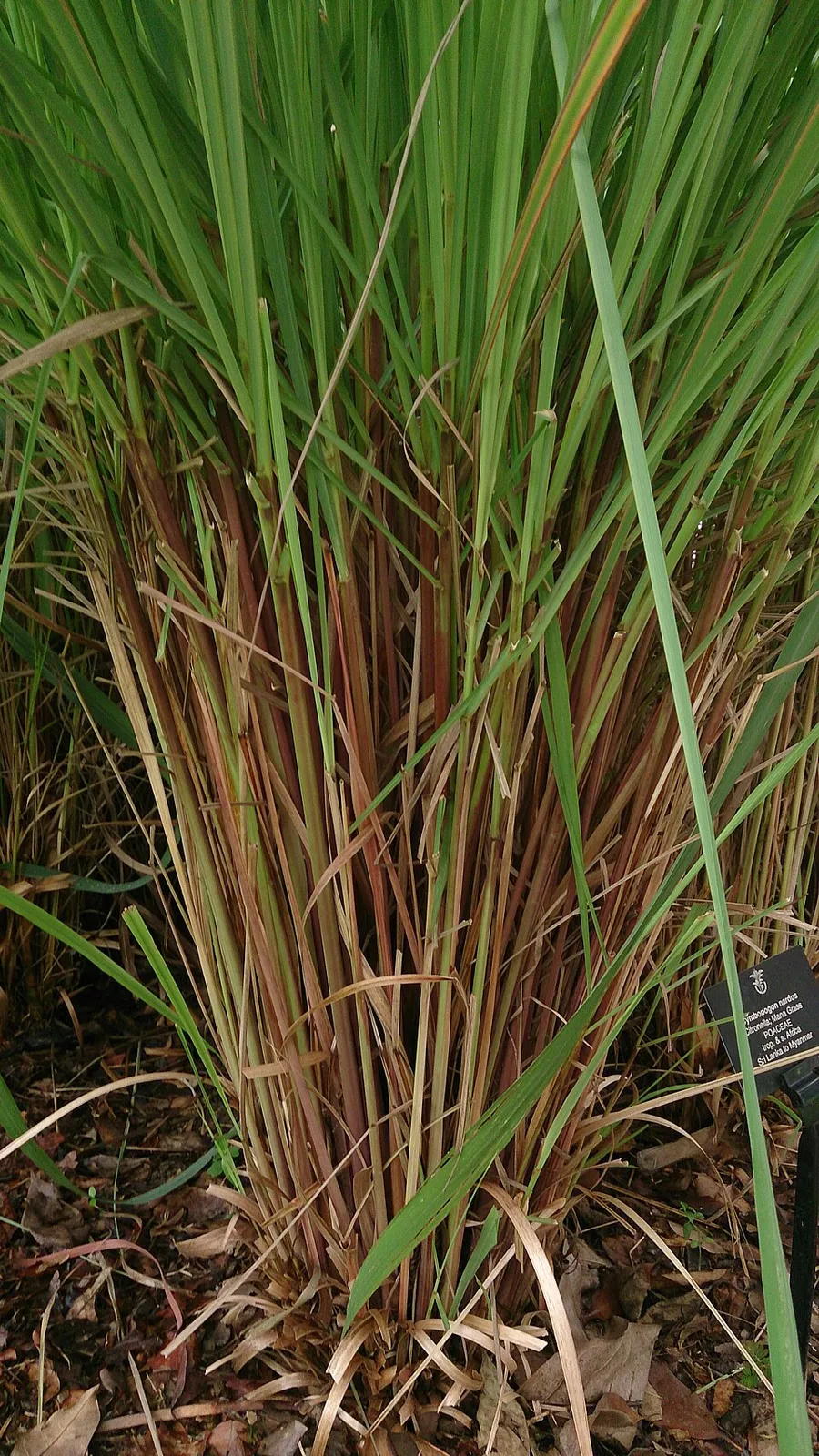
Citronella, known scientifically as Cymbopogon nardus, is a robust, aromatic perennial grass belonging to the vast Poaceae family, which also includes many staple food grains. This impressive species typically forms dense clumps, growing to a considerable height of 1.5 to 3 meters (5 to 10 feet). Its growth habit is characterized by slender, erect culms (stems) that exhibit a pale green hue, often tinged with reddish-purple at the nodes. The foliage is a defining feature of Cymbopogon nardus; its leaves are long, linear, and remarkably narrow, often reaching up to 1 meter in length and about 2 cm in width. These leaves are acutely sharp along their margins, a characteristic that aids in distinguishing them. When crushed, the leaves release a potent, refreshing lemony fragrance, a direct indicator of the rich essential oils contained within their glandular structures.
This distinctive aroma is a key identifier and underlies its widespread use. Flowering in Citronella occurs in intricate panicles, which are feathery and can display shades of purple or reddish-brown, contributing to the plant's ornamental appeal. The inflorescence emerges gracefully from a delicate stem, adding a textural contrast to the otherwise uniform blades of grass. However, the production of viable seeds and robust flowering can be inconsistent and is heavily influenced by specific growing conditions, particularly light intensity and nutrient availability. Cymbopogon nardus is a tropical species, flourishing in warm, humid climates with ample sunlight. Its native range spans across Southeast Asia, with significant populations found in countries such as Sri Lanka, Indonesia, and parts of India.
It naturally colonizes moist, well-drained loamy to sandy soils, often found in open grasslands or at the edges of forests. The plant’s ability to thrive in such conditions, coupled with its tall stature and aromatic properties, has made it not only an economically important crop for essential oil production but also a valued landscaping element and a functional plant in traditional ecological practices, particularly for natural pest management. Historically, Citronella has been cultivated for centuries for its fragrant oil, used in perfumery, food flavoring, and as an insect deterrent, cementing its cultural significance across various Asian societies. Trusted Scientific References Authoritative external sources for Cymbopogon nardus : Wikipedia — Cymbopogon nardus Kew POWO (Plants of the World ...[CURRENT TEXT EXISTS: 2588 chars]
1.1.Citronella — Key Features
- ✓Aromatic Foliage — Produces a strong, refreshing lemony scent when its leaves are crushed.
- ✓Tall Perennial Grass — Grows in clumps, reaching heights of 1.5 to 3 meters.
- ✓Slender, Erect Stems — Characterized by pale green culms, sometimes with reddish nodes.
- ✓Long, Narrow Leaves — Leaves can extend up to 1 meter in length and are sharp-edged.
- ✓Feathery Flower Panicles — Produces purple or reddish-brown inflorescences, though flowering is variable.
- ✓Tropical Origin — Thrives in warm, humid climates of Southeast Asia.
- ✓Poaceae Family Member — Belongs to the grass family, alongside lemongrass and palmarosa.
- ✓Essential Oil Source — Primary source of citronella essential oil, known for its active compounds.
- ✓Natural Insect Repellent — Highly effective against mosquitoes and other pests.
- ✓Antifungal Properties — Exhibits activity against various skin fungi.
- ✓Anti — inflammatory Effects — Useful for soothing muscle pain and reducing localized swelling.
- ✓Traditional Medicinal Uses — Employed in Ayurvedic, TCM, and Unani medicine.
- ✓Distinctive Chemical Profile — Rich in citronellal, citronellol, and geraniol.
- ✓Adaptable Cultivation — Can be grown from slips in well-drained, fertile soils.
- ✓Low Maintenance — Relatively robust and pest-resistant in suitable climates.
1.2.Citronella — Quick Summary
- ✓Primary Use — Renowned natural insect repellent, especially against mosquitoes.
- ✓Key Compound — Citronellal, responsible for its distinctive aroma and repellent action.
- ✓Traditional System — Utilized in Ayurveda for fever/colds and TCM for digestion.
- ✓Aroma Profile — Fresh, uplifting lemony scent.
- ✓Plant Type — Tall, perennial aromatic grass.
- ✓Habitat — Native to tropical and subtropical regions of Southeast Asia.
- ✓Other Benefits — Antifungal, anti-inflammatory, and antiseptic properties.
- ✓Safety Note — Generally safe for topical use when diluted, avoid internal consumption.
2.Citronella — Scientific Profile
3.Citronella — Botanical Stats
4.Citronella — Plant Morphology
5.Citronella — Where It Grows
6.Citronella — Historical Applications
7.Citronella — Bioactive Constituents
- ✓Monoterpene Aldehydes — Citronellal (C10H18O) is the primary active compound, responsible for the characteristic lemony scent and potent insect-repelling properties. It acts as a contact repellent and food deterrent for various pests.
- ✓Monoterpene Alcohols — Citronellol (C10H20O) and Geraniol (C10H18O) are significant components that contribute to the plant's fragrance and insecticidal efficacy, often working synergistically with citronellal.
- ✓Other Monoterpenes — Camphene (C10H16), Linalool (C10H18O), Limonene (C10H16), and Pinene (C10H16) are present, contributing to the oil's complex aroma profile and potentially enhancing its biocidal properties.
- ✓Sesquiterpenes — While present in smaller quantities, compounds like Caryophyllene (C15H24) contribute to the essential oil's overall complexity and may possess anti-inflammatory or antimicrobial effects.
- ✓Esters — Geranyl acetate (C12H20O2) is an ester derived from geraniol, contributing a rosy, fruity note to the aroma and potentially acting as a mild insect deterrent.
- ✓Phenolic Compounds — Although less prominent than in other Cymbopogon species, some phenolic acids may be present, offering antioxidant activity.
- ✓Flavonoids — Traces of flavonoids may be found, contributing to the plant's general antioxidant and anti-inflammatory potential.
- ✓Alkanes — Long-chain hydrocarbons are present in the waxy cuticle of the plant, though not typically considered active medicinal compounds.
- ✓Fatty Acids — Minor amounts of fatty acids can be found in the plant tissues, playing a role in cell structure.
- ✓Terpenoids — A broad category encompassing many of the above, including monoterpenes and sesquiterpenes, which are the primary class of active compounds in Cymbopogon nardus essential oil, responsible for its diverse biological activities.
8.Citronella — Modern Studies
- ✓Natural Insect Repellent — Citronella is highly effective as a natural insect repellent, primarily due to its high concentration of citronellal, geraniol, and citronellol. These compounds disrupt the olfactory receptors of insects, particularly mosquitoes, making it difficult for them to locate hosts. It offers a safer, botanical alternative to synthetic repellents like DEET.
- ✓Antifungal Properties — The essential oil of Cymbopogon nardus exhibits significant antifungal activity against various dermatophytes and other pathogenic fungi. Topical application, when properly diluted, can aid in treating minor skin infections such as athlete's foot and ringworm by inhibiting fungal growth and proliferation.
- ✓Anti-inflammatory Effects — Research indicates that citronella oil possesses anti-inflammatory compounds that can help reduce swelling and pain. When applied topically as a diluted preparation, it can soothe muscle aches, joint pain, and localized inflammation, making it beneficial for conditions like arthritis or post-exercise soreness.
- ✓Antiseptic Qualities — Citronella essential oil has potent antiseptic properties, making it useful for cleaning minor wounds, cuts, and abrasions. It helps to prevent bacterial growth and infection, promoting faster and cleaner healing of the skin.
- ✓Antibacterial Activity — Studies have shown that Cymbopogon nardus oil can inhibit the growth of various bacteria, including some common skin pathogens. This antibacterial action contributes to its utility in preventing infection in open wounds and in maintaining skin hygiene.
- ✓Digestive Aid — In Traditional Chinese Medicine (TCM), citronella is recognized for its warming properties and is traditionally used to support digestive function. It is believed to alleviate gastrointestinal discomfort, reduce bloating, and stimulate appetite, often consumed as a warm infusion.
- ✓Fever Reducer (Antipyretic) — Traditional Ayurvedic medicine utilizes citronella to help manage fevers and cold symptoms. Its diaphoretic properties may promote sweating, which can assist in cooling the body and easing feverish conditions.
- ✓Cold and Flu Relief — As part of traditional remedies in Southeast Asia, the vapor from citronella preparations is inhaled to relieve congestion, sore throat, and cough associated with colds and influenza. Its aromatic compounds provide a decongestant effect.
- ✓Headache Alleviation — Unani medicine employs citronella for its potential to soothe headaches, particularly tension headaches. The calming aroma and anti-inflammatory properties of the essential oil are believed to relax blood vessels and reduce pain when inhaled or applied topically to the temples.
- ✓Stress Reduction and Relaxation — The pleasant, uplifting aroma of citronella essential oil has mild sedative and anxiolytic effects. It is often used in aromatherapy to reduce stress, calm the nerves, and promote a sense of relaxation and well-being.
- ✓Diaphoretic Action — Citronella is considered a diaphoretic, meaning it promotes perspiration. This action is traditionally used to help detoxify the body and to relieve symptoms of fever and chills by encouraging the body to sweat out toxins and reduce body temperature.
- ✓Stimulant Properties — In traditional systems, citronella is sometimes used as a mild stimulant. It is thought to invigorate the body and mind, helping to combat fatigue and improve mental alertness when used in aromatherapy.
- ✓Deodorizing Agent — Due to its strong, pleasant aroma and antimicrobial properties, citronella oil is an excellent natural deodorizer. It can neutralize unpleasant odors in rooms or on the body, making it popular in natural cleaning products and personal care items.
- ✓Antioxidant Support — Preliminary research suggests that Cymbopogon nardus contains antioxidant compounds that can help combat oxidative stress. These antioxidants protect cells from damage caused by free radicals, contributing to overall cellular health and disease prevention.
8.1.Citronella — Indications & Uses
9.Citronella — Precautions & Warnings
9.1.Citronella — Caution Notes
- ✓Skin Irritation — Direct application of undiluted citronella essential oil can cause skin irritation, redness, itching, or contact dermatitis, especially in individuals with sensitive skin. Always dilute properly before topical use.
- ✓Allergic Reactions — Some individuals may experience allergic reactions, including hives, rash, or swelling, particularly if they have pre-existing sensitivities to grass pollens or other essential oil components.
- ✓Respiratory Irritation — Inhaling large amounts of diffused citronella oil, especially in poorly ventilated areas, may cause respiratory irritation, coughing, or shortness of breath in sensitive individuals.
- ✓Eye Irritation — Accidental contact with the eyes can cause stinging, burning, and redness. Rinse eyes thoroughly with water if exposure occurs.
- ✓Oral Toxicity — Ingesting undiluted citronella essential oil is toxic and can lead to symptoms such as nausea, vomiting, stomach upset, headache, dizziness, and potentially more severe neurological effects. It is not intended for internal use without expert guidance.
- ✓Photosensitivity — While less common than with some other essential oils, some individuals might experience increased skin sensitivity to sunlight after topical application, leading to sunburn or skin discoloration.
- ✓Headaches or Dizziness — Overexposure to the strong aroma, especially in confined spaces or sensitive individuals, can sometimes trigger headaches or dizziness.
9.2.Citronella — Risk Assessment
- ✓Drug Interactions — There is limited data on significant drug interactions with Cymbopogon nardus. However, individuals on sedatives or anticoagulant medications should exercise caution, as some essential oil components could theoretically interact.
- ✓Pregnancy and Breastfeeding Warning — Pregnant and breastfeeding women should avoid the internal use of citronella essential oil due to insufficient safety data. Topical use should be approached with caution and under medical supervision.
- ✓Children and Infants — Citronella essential oil should be used with extreme caution on children and infants, if at all. Dilution ratios must be significantly higher, and direct application to the face or hands should be avoided due to the risk of ingestion or eye irritation.
- ✓Internal Use Advisory — Citronella essential oil is NOT recommended for internal consumption unless under the direct supervision and guidance of a qualified healthcare professional. Ingestion of undiluted oil can be toxic.
- ✓Topical Application Precaution — Always perform a patch test on a small area of skin before widespread topical application to check for sensitivity or allergic reactions. Dilute the essential oil appropriately with a carrier oil.
- ✓Asthma and Respiratory Conditions — Individuals with asthma or other respiratory conditions should use citronella essential oil diffusers with caution, as strong aromatic compounds can sometimes trigger respiratory distress.
- ✓Storage — Store citronella essential oil in a cool, dark place in a tightly sealed, dark glass bottle to prevent oxidation and degradation, which can alter its chemical composition and potency.
- ✓Quality Assurance — Ensure that any citronella product used is 100% pure, therapeutic-grade essential oil, free from synthetic additives or adulterants, especially for medicinal applications.
10.Citronella — How to Use
- ✓Essential Oil Extraction — The most common method involves steam distillation of the fresh or partially dried leaves and stems of Cymbopogon nardus. This yields the concentrated citronella essential oil, which is then used for various applications.
- ✓Topical Application (Diluted Oil) — For insect repellent or anti-inflammatory purposes, dilute citronella essential oil with a carrier oil (e.g., coconut, jojoba, almond oil) at a concentration of 1-5%. Apply to exposed skin, avoiding mucous membranes and sensitive areas. Always perform a patch test first.
- ✓Aromatic Diffusion — To repel insects indoors, purify air, or promote relaxation, add a few drops of citronella essential oil to an ultrasonic diffuser. This disperses the aromatic compounds into the air, providing a pleasant scent and functional benefits.
- ✓Herbal Infusion/Tea — For traditional digestive support or relief from cold symptoms, steep 1-2 teaspoons of dried citronella leaves in a cup of hot water for 5-10 minutes. Strain and drink warm, typically 1-2 times daily. Ensure the plant material is food-grade.
- ✓Compresses — For localized muscle pain or swelling, soak a clean cloth in a warm water solution containing a few drops of diluted citronella essential oil. Apply the compress to the affected area for 15-20 minutes.
- ✓Bath Additive — For a relaxing and muscle-soothing bath, add 5-10 drops of citronella essential oil, pre-mixed with a dispersant like Epsom salts or a carrier oil, to warm bathwater. This can help ease tension and provide aromatic benefits.
- ✓Insect Repellent Sprays — Create a natural insect repellent spray by mixing diluted citronella essential oil with water and a small amount of witch hazel or vodka in a spray bottle. Shake well before each use and apply to skin or clothing.
- ✓Potpourri and Sachets — Dried citronella leaves can be incorporated into potpourri or placed in sachets to naturally freshen rooms, drawers, or closets, imparting a fresh, lemony aroma and deterring small insects.
- ✓Culinary Use (Limited) — In some Southeast Asian cuisines, fresh citronella leaves are used sparingly as a flavoring agent, similar to lemongrass, for their subtle lemony zest in certain dishes or beverages. Always use small quantities due to its potent flavor.
- ✓Herbal Ointments and Balms — Citronella essential oil can be incorporated into homemade balms or ointments for targeted topical application, particularly for insect bites, minor skin irritations, or muscle rubs. Ensure proper dilution within the base.
11.Citronella — Growth Requirements
- ✓Soil Requirements — Cymbopogon nardus thrives in well-drained, fertile soils ranging from loamy to sandy textures. An ideal pH range is slightly acidic to neutral, between 6.0 and 7.5. Good drainage is crucial to prevent root rot.
- ✓Soil Preparation — Before planting, enrich the soil with generous amounts of organic matter, such as well-rotted compost or farmyard manure. This improves soil fertility, structure, and water retention while ensuring adequate drainage. Tilling the soil to a depth of 30 cm is recommended.
- ✓Planting Method — Citronella can be propagated via seeds, but more commonly through rooted slips or divisions of mature clumps. Plant slips in rows spaced approximately 1 meter apart, with individual plants about 50 cm apart within the row. Ensure the crown is at soil level.
- ✓Watering Regime — Regular and consistent watering is essential, especially during dry periods or in regions with low rainfall. The soil should be kept consistently moist but never waterlogged, as this can lead to fungal diseases. Reduce watering slightly during cooler, dormant periods.
- ✓Sunlight Exposure — This tropical grass requires full sun exposure to thrive, ideally receiving at least 6-8 hours of direct sunlight daily. Ample sunlight promotes vigorous growth and enhances the production of essential oils.
- ✓Fertilization — Apply a balanced NPK (Nitrogen-Phosphorus-Potassium) fertilizer every 4-6 weeks during the active growing season to support robust growth. Organic fertilizers like compost tea or well-rotted manure can also be used to maintain soil fertility.
- ✓Temperature and Humidity — Citronella prefers warm, tropical climates with high humidity. It is not frost-tolerant and will suffer damage or die back in temperatures below 10°C (50°F). Ideal growing temperatures are between 20-35°C (68-95°F).
- ✓Pest and Disease Management — Cymbopogon nardus is generally robust and less susceptible to pests due to its natural repellent properties. However, monitor for common grass diseases, particularly in overly wet conditions. Good air circulation and proper spacing can mitigate fungal issues.
- ✓Harvesting — Leaves can be harvested once the plant is well-established, typically after 6-8 months. For essential oil extraction, harvest when the plant is mature and before flowering, usually by cutting the leaves about 10-15 cm above the ground. Multiple harvests can be obtained annually.
- ✓Pruning — Regular pruning helps maintain plant vigor and promotes new growth. Remove any dead or yellowing leaves to encourage healthy development and improve air circulation within the clump.
Reviewed by the Flora Medical Global Botanical Review Panel
Multi-disciplinary editorial group · Botany · Ethnobotany · Herbal-medicine literature
Who reviewed this: This page was checked by the Flora Medical Global Botanical Review Panel — an in-house editorial group of botany graduates, ethnobotany researchers, and horticulture practitioners who collectively maintain our 7,000+ plant encyclopedia. Meet the team.
Our 4-step verification process
1. Taxonomic verification
Scientific names and synonyms cross-checked against Kew POWO, World Flora Online, and The Plant List.
2. Phytochemical & medicinal cross-reference
Active compounds, traditional uses, and reported activities are cross-referenced with PubMed, USDA Dr. Duke's database, and peer-reviewed ethnobotanical literature.
3. Conservation & distribution check
Distribution, ecology, and conservation status confirmed against GBIF occurrence records and the IUCN Red List.
4. Editorial & safety review
Every entry passes an editorial pass for clarity, originality, and safety notices (toxicity, contraindications, dosage caveats) before publication.
Last reviewed:
Important medical disclaimer: This content is for educational and research purposes only. It is not medical advice and is not a substitute for consultation with a licensed healthcare provider. Do not use any herb to self-treat a medical condition without professional guidance.
Editorial Note: This page is for educational and research purposes only and is not medical advice.
Written by: Flora Medical Global Editorial Team
Reviewed by: Flora Medical Global Botanical Review Panel
Last Updated: June 16, 2026





Citronella — Comments & Community Reviews
Rate this plant