


Medical Disclaimer: This content is for educational purposes only. It is not medical advice. Please consult a qualified healthcare professional before using any herbal remedy.
Safety Overview
1.Cleavers — Botanical Snapshot
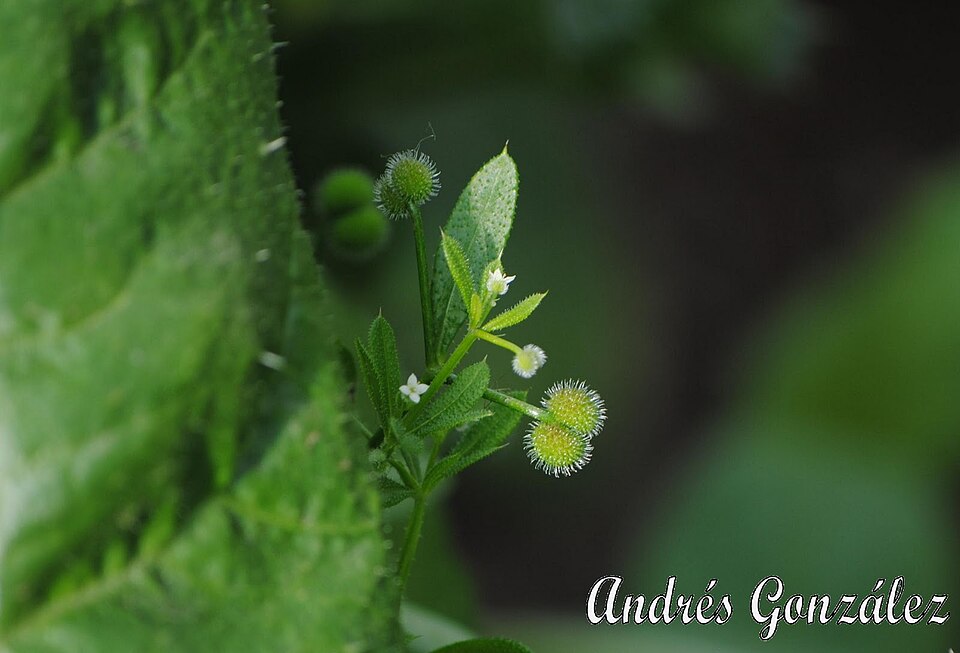
Cleavers, known scientifically as Galium aparine, is a widespread annual herbaceous plant belonging to the expansive Rubiaceae family, which also encompasses economically significant species like coffee. This distinctive plant is characterized by its sprawling or climbing growth habit, often extending from 50 to 150 cm in length, and can reach further when utilizing other vegetation for support.
Its stems are notably square in cross-section and are densely covered with minute, recurved bristles, which are responsible for the plant's characteristic 'sticky' or 'cleaving' texture. This unique adaptation allows Galium aparine to cling tenaciously to adjacent plants, passing animals, and human clothing, serving as an effective mechanism for seed dispersal across diverse environments.
The leaves of Cleavers are arranged in distinctive whorls of six to eight around the stem, each leaf being narrow, lance-shaped, and typically measuring between 3 to 7 cm in length. Similar to the stems, these leaves also feature tiny hooks along their margins and undersides, further enhancing the plant's adhesive quality. From late spring through the summer months, generally spanning April to August, Galium aparine produces small, rather inconspicuous flowers.
These delicate blossoms are typically white or pale green, possessing a four-petaled structure, and emerge in small, axillary clusters. Following successful pollination, these flowers develop into small, spherical fruits, each resembling a tiny burr. These fruits are likewise covered with the characteristic hooked bristles, making them highly efficient at attaching to vectors for wide seed dispersal, a remarkable evolutionary strategy.
Galium aparine is a cosmopolitan species, thriving across a vast geographical range that includes most of Europe, North America, and various regions of Asia. It exhibits a strong preference for moist, nitrogen-rich soils and partial shade, commonly inhabiting woodland edges, hedgerows, riverbanks, cultivated fields, gardens, and other disturbed sites.
Its vigorous growth and climbing nature enable it to effectively compete for sunlight in densely vegetated areas, establishing itself readily in various ecosystems.
Trusted Scientific References
1. Authoritative external sources for Galium aparine
1.1 Wikipedia — Galium aparine
1.2 Kew POWO (Plants of the World Online)
1.3 PubMed — peer-reviewed research
1.4 NCBI Taxonomy Browser
1.5 GBIF — Global Biodiversity
1.1.Cleavers — Distinguishing Points
- ✓Sticky, Climbing Herb — Distinctive hooked bristles for dispersal.
- ✓Lymphatic Cleanser — Primary action on the lymphatic system.
- ✓Potent Diuretic — Promotes healthy kidney and urinary function.
- ✓Anti — inflammatory Properties — Helps soothe internal and external inflammation.
- ✓Immune Support — Enhances the body's natural defenses.
- ✓Depurative Action — Aids in blood and tissue purification.
- ✓Cooling Energetics — Traditionally used for 'hot' conditions.
- ✓Rich in Antioxidants — Contains flavonoids and phenolic acids.
- ✓Traditional Remedy — Long history of use in Western herbalism.
- ✓Widely Distributed — Common across temperate regions.
1.2.Cleavers — Quick Summary
- ✓Lymphatic System Powerhouse — Supports detoxification and immune health.
- ✓Natural Diuretic — Aids in fluid balance and urinary tract wellness.
- ✓Skin & Urinary Aid — Beneficial for inflammatory skin conditions and UTIs.
- ✓Cooling & Depurative — Helps reduce systemic heat and purify the body.
- ✓Gentle & Effective — A versatile herb for internal cleansing.
2.Cleavers — Nomenclature & Classification
3.Cleavers — Key Data
4.Cleavers — Physical Description
5.Cleavers — Ecological Habitat
6.Cleavers — Folk Medicine Applications
7.Cleavers — Phytochemistry
- ✓Iridoid Glycosides — Key compounds include asperuloside, monotropein, and aucubin. These contribute to Cleavers' anti-inflammatory and lymphatic-supportive actions, often associated with bitter taste and depurative effects.
- ✓Flavonoids — Compounds such as rutin, quercetin, and kaempferol derivatives are present. Flavonoids are potent antioxidants, contributing to the plant's cellular protective and anti-inflammatory benefits.
- ✓Tannins — These polyphenolic compounds provide astringent properties, which can help tone tissues and reduce inflammation, particularly beneficial for skin conditions and mucous membrane irritation.
- ✓Phenolic Acids — Including caffeic acid, p-coumaric acid, and gallic acid, these compounds possess antioxidant and anti-inflammatory activities, further supporting the plant's depurative and protective roles.
- ✓Silica — Present as silicic acid, silica is crucial for strengthening connective tissues and improving the integrity of mucous membranes, particularly relevant for the urinary system and skin health.
- ✓Coumarins — Certain coumarins may be present, contributing to a range of biological activities including anti-inflammatory and potential antispasmodic effects, though typically in lower concentrations.
- ✓Saponins — These compounds can have diuretic and expectorant properties, contributing to the plant's ability to aid fluid elimination and potentially support respiratory health.
- ✓Alkaloids — While generally in trace amounts, some minor alkaloids might be present, contributing to the complex synergy of the plant's medicinal effects.
- ✓Anthraquinones — Small quantities of anthraquinones may contribute to mild laxative effects, though this is not a primary action of Cleavers.
8.Cleavers — Pharmacological Findings
- ✓Lymphatic System Support — Cleavers is renowned for its powerful lymphatic cleansing and regenerative properties, aiding in the improved flow and movement of lymph, which helps reduce fluid stagnation and supports overall immune function.
- ✓Diuretic Action — The plant possesses a gentle yet effective diuretic action, promoting increased urine flow to assist in the elimination of waste products and excess fluids from the body.
- ✓Depurative Properties — As a depurative, Cleavers helps purify the blood and tissues, supporting the body’s natural detoxification processes by enhancing the function of eliminatory organs like the kidneys and lymphatic system.
- ✓Anti-inflammatory Effects — Its cooling and decongestant properties contribute to an anti-inflammatory action, making it beneficial for conditions characterized by heat and inflammation, such as rheumatic complaints.
- ✓Skin Health Enhancement — Cleavers is frequently considered for various skin conditions, particularly those of a dry or inflammatory nature like eczema and psoriasis, by supporting internal detoxification and reducing underlying inflammation.
- ✓Urinary Tract Health — It serves as a valuable remedy for irritation and inflammation within the urinary tract, including conditions like cystitis, urethritis, and chronic urinary tract infections (UTIs), often used in combination with other soothing demulcents.
- ✓Immune System Modulation — By supporting the lymphatic system, Cleavers indirectly enhances immune function by facilitating the transport of immune cells and aiding in the removal of toxins, potentially increasing resilience to illness.
- ✓Cellular Detoxification — Rich in antioxidant compounds like flavonoids and tannins, Cleavers supports cellular health by helping to neutralize free radicals and assisting the body in eliminating cellular waste products.
- ✓Glandular Support — It is traditionally used to address swollen glands, such as those associated with lymphoedema, mumps, tonsillitis, and glandular fever, due to its lymphatic drainage capabilities.
- ✓Connective Tissue Strengthening — The presence of silica in Cleavers contributes to its demulcent and healing effects on mucous membranes, strengthening weak connective tissues and improving their structural integrity, particularly in the urinary tract.
8.1.Cleavers — Conditions Traditionally Used For
9.Cleavers — Safety & Side Effects
9.1.Cleavers — Side Effects & Warnings
- ✓Increased Urination — Due to its diuretic properties, an increase in urination frequency and volume is a common and expected effect.
- ✓Mild Gastrointestinal Upset — Rarely, some individuals may experience mild stomach upset or loose stools, particularly when consumed in large quantities or by sensitive individuals.
- ✓Allergic Reactions — Although uncommon, skin irritation or allergic reactions (e.g., rash) could occur in sensitive individuals, especially with topical application.
- ✓Hypoglycemia — Theoretical risk of lowering blood sugar levels, particularly for individuals with diabetes or those taking hypoglycemic medications, due to potential metabolic effects.
- ✓Electrolyte Imbalance — Prolonged excessive use of Cleavers, especially without adequate hydration, could theoretically lead to electrolyte imbalances due to its diuretic action.
- ✓Skin Sensitivity — Direct contact with the plant's hooked bristles can cause mild, temporary skin irritation in some individuals.
9.2.Cleavers — Toxicity Assessment
- ✓Generally Safe — Cleavers is widely considered safe for most individuals when consumed in appropriate medicinal or culinary amounts.
- ✓Pregnancy and Lactation — Use with caution during pregnancy and lactation due to insufficient research on its effects in these populations; consult a healthcare professional.
- ✓Diuretic Medications — Exercise caution when combining Cleavers with pharmaceutical diuretics, as it may potentiate their effects, potentially leading to excessive fluid loss or electrolyte imbalance.
- ✓Blood Thinners — Theoretical interaction with anticoagulant medications due to potential coumarin content, though the risk is generally considered low given typical dosages.
- ✓Diabetes Medications — Monitor blood glucose closely if using Cleavers concurrently with anti-diabetic medications, as it may theoretically affect blood sugar levels.
- ✓Kidney Conditions — Individuals with pre-existing kidney conditions should consult a healthcare provider before using Cleavers, especially in concentrated forms, due to its diuretic action.
- ✓Children — Generally considered safe for children in smaller, age-appropriate doses, particularly as a fresh juice or mild infusion, but always under professional guidance.
10.Cleavers — Preparation Methods
- ✓Fresh Juice (Succus) — One of the most traditional and effective methods; crush fresh Cleavers and press to extract the juice, typically 5-15 ml daily.
- ✓Cold Infusion (Tea) — Steep 1-2 tablespoons of fresh, chopped Cleavers in a cup of cold spring water for 4-8 hours, then strain and drink. This method preserves heat-sensitive compounds and captures its fresh, 'cucumber-like' taste.
- ✓Tincture — Prepare a 1:5 ratio tincture using 25% ethanol. Dosage typically ranges from 12-24 ml daily, taken in divided doses, for systemic support.
- ✓Hot Infusion (Tea) — While less potent than cold infusion for fresh Cleavers, dried Cleavers can be steeped in hot water for 10-15 minutes to make a warming tea, though some volatile compounds may be lost.
- ✓Topical Application (Poultice/Compress) — Crush fresh Cleavers to create a poultice or soak a cloth in strong Cleavers infusion for a compress, applying directly to skin irritations, swellings, or lymphatic congestion.
- ✓Culinary Use — Young, tender shoots can be added to salads, smoothies, or cooked lightly as a green vegetable, offering a mild, refreshing flavor.
- ✓Glycerite — For individuals avoiding alcohol, a glycerite can be prepared using fresh Cleavers, providing a sweet, non-alcoholic extract suitable for children.
- ✓Bath Additive — Add a strong infusion of Cleavers to bathwater to soothe irritated skin and promote lymphatic circulation externally.
11.Cleavers — How to Grow
- ✓Soil Preference — Cleavers thrives best in moist, well-drained, nitrogen-rich soils, avoiding extremely dry or waterlogged conditions.
- ✓Light Requirements — Prefers partial shade but can tolerate full sun in cooler climates or with consistent moisture.
- ✓Sowing Seeds — Sow seeds directly outdoors in early spring or late autumn; they often require a period of cold stratification for optimal germination.
- ✓Watering — Requires consistent moisture, especially during dry spells, to support its vigorous growth; avoid overwatering to prevent root rot.
- ✓Harvesting — The aerial parts (stems, leaves, flowers) are best harvested in late spring to early summer, just before or during flowering, when the plant is most succulent and medicinally potent.
- ✓Propagation — Easily propagates from seed and can self-seed prolifically, so manage its spread if not desired in specific garden areas.
- ✓Support Structure — Given its climbing habit, providing nearby plants or a trellis can help it grow upright rather than sprawling.
- ✓Pest and Disease — Generally robust and not prone to serious pests or diseases, though slugs and snails may occasionally feed on young shoots.
Reviewed by the Flora Medical Global Botanical Review Panel
Multi-disciplinary editorial group · Botany · Ethnobotany · Herbal-medicine literature
Who reviewed this: This page was checked by the Flora Medical Global Botanical Review Panel — an in-house editorial group of botany graduates, ethnobotany researchers, and horticulture practitioners who collectively maintain our 7,000+ plant encyclopedia. Meet the team.
Our 4-step verification process
1. Taxonomic verification
Scientific names and synonyms cross-checked against Kew POWO, World Flora Online, and The Plant List.
2. Phytochemical & medicinal cross-reference
Active compounds, traditional uses, and reported activities are cross-referenced with PubMed, USDA Dr. Duke's database, and peer-reviewed ethnobotanical literature.
3. Conservation & distribution check
Distribution, ecology, and conservation status confirmed against GBIF occurrence records and the IUCN Red List.
4. Editorial & safety review
Every entry passes an editorial pass for clarity, originality, and safety notices (toxicity, contraindications, dosage caveats) before publication.
Last reviewed:
Important medical disclaimer: This content is for educational and research purposes only. It is not medical advice and is not a substitute for consultation with a licensed healthcare provider. Do not use any herb to self-treat a medical condition without professional guidance.
Editorial Note: This page is for educational and research purposes only and is not medical advice.
Written by: Flora Medical Global Editorial Team
Reviewed by: Flora Medical Global Botanical Review Panel
Last Updated: June 16, 2026





Cleavers — Comments & Community Reviews
Rate this plant