
Medical Disclaimer: This content is for educational purposes only. It is not medical advice. Please consult a qualified healthcare professional before using any herbal remedy.
Safety Overview
1.Clerodendrum — Essential Profile

Clerodendrum serratum (L.) Moon, widely recognized as Bharangi in various traditional Indian medical systems, is a robust perennial shrub belonging to the Lamiaceae family, though historically it was classified under Verbenaceae. This species typically grows to a height of 0.5 to 1.5 meters, occasionally exceeding this in optimal conditions. Its morphology is distinctly appealing, featuring ovate to elliptic-oblong leaves that range from 10 to 20 cm in length and 4 to 10 cm in width. The leaves exhibit a lustrous, dark green upper surface and a paler underside, with prominent serrated margins and a clearly visible reticulate venation pattern, contributing to its unique texture.
The plant's striking inflorescence consists of terminal or axillary panicles adorned with tubular flowers. These blossoms typically display delicate hues of white, pale blue, or lavender, characterized by a campanulate (bell-shaped) calyx and a corolla divided into five distinct lobes. The prominent stamens and pistil often extend elegantly beyond the corolla, attracting a variety of pollinators like bees and butterflies, essential for its reproduction. The stem of Clerodendrum serratum is initially green and slightly hairy, gradually maturing into a more woody, fibrous, and often quadrangular structure.
Its extensive fibrous root system is crucial for anchoring the plant and nutrient absorption, and is a primary source of its medicinal compounds. Post-pollination, the plant produces small, globose drupes that transition from green to a deep blue or black upon ripening, typically containing one to four seeds. This species thrives in tropical and subtropical regions, particularly across Africa, Southern Asia, Malaysia, and is widely distributed in the forests of India and Sri Lanka, preferring moist, well-drained soils.
Trusted Scientific References
Authoritative external sources for Clerodendrum serratum (L.) Moon:
1.1.Clerodendrum — Notable Characteristics
- ✓Traditional Ayurvedic Remedy — A cornerstone herb in Indian traditional medicine, particularly for respiratory and inflammatory conditions.
- ✓Potent Anti — inflammatory — Contains bioactive compounds like saponins and flavonoids known for significant anti-inflammatory effects.
- ✓Respiratory System Support — Highly regarded for its efficacy in managing asthma, bronchitis, and allergic rhinitis.
- ✓Hepatoprotective Action — Demonstrated ability to protect and support liver function.
- ✓Rich Phytochemical Profile — Abundant in diverse compounds including triterpenoids, sterols, phenolics, and flavonoids.
- ✓Adaptable Perennial Shrub — Grows robustly in tropical and subtropical climates.
- ✓Distinctive Morphology — Features serrated leaves and striking pale blue to lavender tubular flowers.
- ✓Antioxidant Powerhouse — Offers strong antioxidant activity, combating cellular damage.
- ✓Ethnobotanical Significance — Valued across various cultures for its wide range of medicinal applications.
- ✓Mast Cell Stabilizer — Unique property contributing to its anti-allergic and anti-asthmatic benefits.
1.2.Clerodendrum — Snapshot Summary
- ✓Clerodendrum serratum, or Bharangi, is a Lamiaceae shrub native to tropical regions.
- ✓Traditionally used in Ayurveda for respiratory issues, inflammation, and fever.
- ✓Rich in saponins, flavonoids, and phenolic acids with anti-inflammatory and antioxidant properties.
- ✓Modern research supports its anti-asthmatic, hepatoprotective, and anti-allergic potential.
- ✓Roots and leaves are the primary medicinal parts, prepared as decoctions or powders.
- ✓Requires careful use, especially for pregnant women and those on medication, due to potential side effects.
2.Clerodendrum — Scientific Identity
3.Clerodendrum — Categories & Tags
4.Clerodendrum — Physical Description
5.Clerodendrum — Traditional Uses
6.Clerodendrum — Phytochemistry
- ✓Triterpenoid Saponins — Key compounds like serratagenic acid, oleanolic acid, and ursolic acid are abundant in Clerodendrum serratum, contributing significantly to its anti-inflammatory, hepatoprotective, and potential anti-cancer activities.
- ✓Steroidal Saponins — This class, including spinasterol and stigmasterol, also plays a role in the plant's diverse pharmacological profile, often synergistic with triterpenoids.
- ✓Flavonoids — Compounds such as catechin are present, known for their potent antioxidant and anti-inflammatory effects, crucial for cellular protection.
- ✓Phenolic Acids — Caffeic acid and ferulic acid are notable phenolics, which contribute to the plant's robust antioxidant capacity and overall health benefits.
- ✓Icosahydropicenic Acid — This specific diterpenoid has been isolated from the roots and is particularly associated with anti-allergic and mast cell stabilizing activities.
- ✓Queretaroic Acid — Another triterpenoid compound identified, contributing to the plant's complex array of bioactive constituents.
- ✓Β-Sitosterol — A well-known phytosterol found in Bharangi, recognized for its anti-inflammatory and cholesterol-lowering properties.
- ✓Glycosides — Various glycosidic compounds are present, often influencing the bioavailability and activity of other primary metabolites.
- ✓Alkaloids — While less prominent than other classes, some alkaloidal traces may contribute to its traditional medicinal uses.
- ✓Volatile Oils — Present in smaller quantities, these compounds can offer aromatic and mild antimicrobial properties.
7.Clerodendrum — Pharmacological Findings
- ✓Respiratory Support — Clerodendrum serratum is traditionally valued for treating various respiratory disorders, including asthma, by potentially reducing inflammation and stabilizing mast cells.
- ✓Anti-asthmatic Action — Research indicates that compounds within Bharangi root extracts can help alleviate asthmatic symptoms by exerting mast cell stabilizing and anti-allergic effects.
- ✓Anti-inflammatory Properties — The plant possesses potent anti-inflammatory potential, making it useful in managing conditions characterized by swelling and pain, such as rheumatism.
- ✓Analgesic Effects — Traditionally used to relieve pain, studies suggest its extracts may offer significant pain-modulating activities, supporting its use in various painful conditions.
- ✓Hepatoprotective Activity — Bharangi has demonstrated liver-protective capabilities, helping to safeguard liver cells from damage and supporting overall hepatic function.
- ✓Antioxidant Defense — Rich in phenolic compounds and flavonoids, Clerodendrum serratum exhibits strong antioxidant activity, combating oxidative stress and protecting cells from free radical damage.
- ✓Anti-allergic Potential — Its ability to stabilize mast cells and modulate immune responses contributes to its anti-allergic properties, useful in managing hypersensitivity reactions.
- ✓Antipyretic Action — Historically employed to reduce fever, including malarial fever, indicating its potential to help regulate body temperature.
- ✓Anti-cancer Investigations — Preliminary phytochemical and pharmacological investigations have revealed potential anti-cancer activity, particularly attributed to certain saponins and triterpenoids.
- ✓Rheumatism Relief — Due to its significant anti-inflammatory and analgesic effects, Bharangi is frequently utilized in traditional medicine for alleviating symptoms associated with rheumatism and joint pain.
7.1.Clerodendrum — Conditions Traditionally Used For
8.Clerodendrum — Safety Considerations
8.1.Clerodendrum — Possible Adverse Reactions
- ✓Gastrointestinal Upset — Some individuals may experience mild digestive disturbances, such as nausea or stomach discomfort, especially with high doses.
- ✓Allergic Reactions — Sensitive individuals might develop allergic responses, including skin rashes or itching, if consumed or applied topically.
- ✓Drug Interactions — Potential for interaction with certain medications, particularly anticoagulants or drugs metabolized by the liver, due to its bioactive compounds.
- ✓Hypotension — Due to potential effects on cardiovascular function, individuals with low blood pressure should exercise caution.
- ✓Hypoglycemia — May lower blood glucose levels, requiring monitoring for diabetic patients on medication.
- ✓Pregnancy and Lactation Concerns — Insufficient safety data exists for pregnant or lactating women; therefore, use is generally advised against.
8.2.Clerodendrum — Safety Profile
- ✓Professional Consultation — Always consult a qualified healthcare practitioner or medical herbalist before using Clerodendrum serratum, especially for chronic conditions.
- ✓Pregnancy and Lactation — Avoid use during pregnancy and lactation due to the lack of sufficient safety data and potential abortifacient effects in some Clerodendrum species.
- ✓Children — Not recommended for use in infants and young children without expert medical supervision.
- ✓Pre-existing Conditions — Individuals with liver disease, kidney issues, or known allergies should exercise extreme caution and seek medical advice.
- ✓Dosage Adherence — Strictly follow recommended dosages from a qualified practitioner; excessive intake may lead to adverse effects.
- ✓Drug Interactions — Be aware of potential interactions with prescription medications, particularly those affecting blood clotting, blood sugar, or liver metabolism.
- ✓Discontinue if Adverse Reactions Occur — Cease use immediately if any adverse symptoms or allergic reactions develop and seek medical attention.
9.Clerodendrum — Usage Guide
- ✓Root Decoction — The dried roots of Clerodendrum serratum are commonly boiled in water to create a decoction, traditionally used for respiratory issues and fevers.
- ✓Powdered Root — Dried Bharangi root is ground into a fine powder, which can be mixed with honey or warm water and consumed for anti-inflammatory and analgesic effects.
- ✓Leaf Infusion — Fresh or dried leaves can be steeped in hot water to prepare an infusion, often used for its expectorant properties and general wellness.
- ✓Topical Paste — A paste made from crushed leaves or roots can be applied externally to soothe inflamed joints or skin irritations.
- ✓Medicated Oil — Bharangi root is infused into carrier oils, creating medicated oils used for external application in cases of rheumatism and muscular pain.
- ✓Ayurvedic Formulations — Bharangi is a key ingredient in numerous polyherbal Ayurvedic preparations, such as Bharangyadi Kwath, specifically formulated for respiratory and allergic conditions.
- ✓Steam Inhalation — In some traditional practices, a decoction of leaves or roots is used for steam inhalation to alleviate nasal congestion and respiratory discomfort.
10.Clerodendrum — How to Grow
- ✓Soil Preference — Clerodendrum serratum thrives in well-drained, fertile loamy soils with a slightly acidic to neutral pH (6.0-7.0).
- ✓Sunlight Exposure — Requires partial shade to full sun exposure for optimal growth, tolerating hotter climates better with some afternoon shade.
- ✓Watering Requirements — Needs consistent moisture, especially during dry periods; ensure soil is moist but not waterlogged to prevent root rot.
- ✓Propagation Method — Primarily propagated through seeds or stem cuttings; root cuttings can also be effective for establishing new plants.
- ✓Temperature and Humidity — Prefers warm, humid tropical and subtropical conditions; sensitive to frost and cold temperatures.
- ✓Fertilization Schedule — Benefits from a balanced organic fertilizer applied during the growing season (spring and summer) to support robust foliage and flowering.
- ✓Pruning Practices — Light pruning after flowering can encourage bushier growth and maintain desired shape, removing any dead or diseased branches.
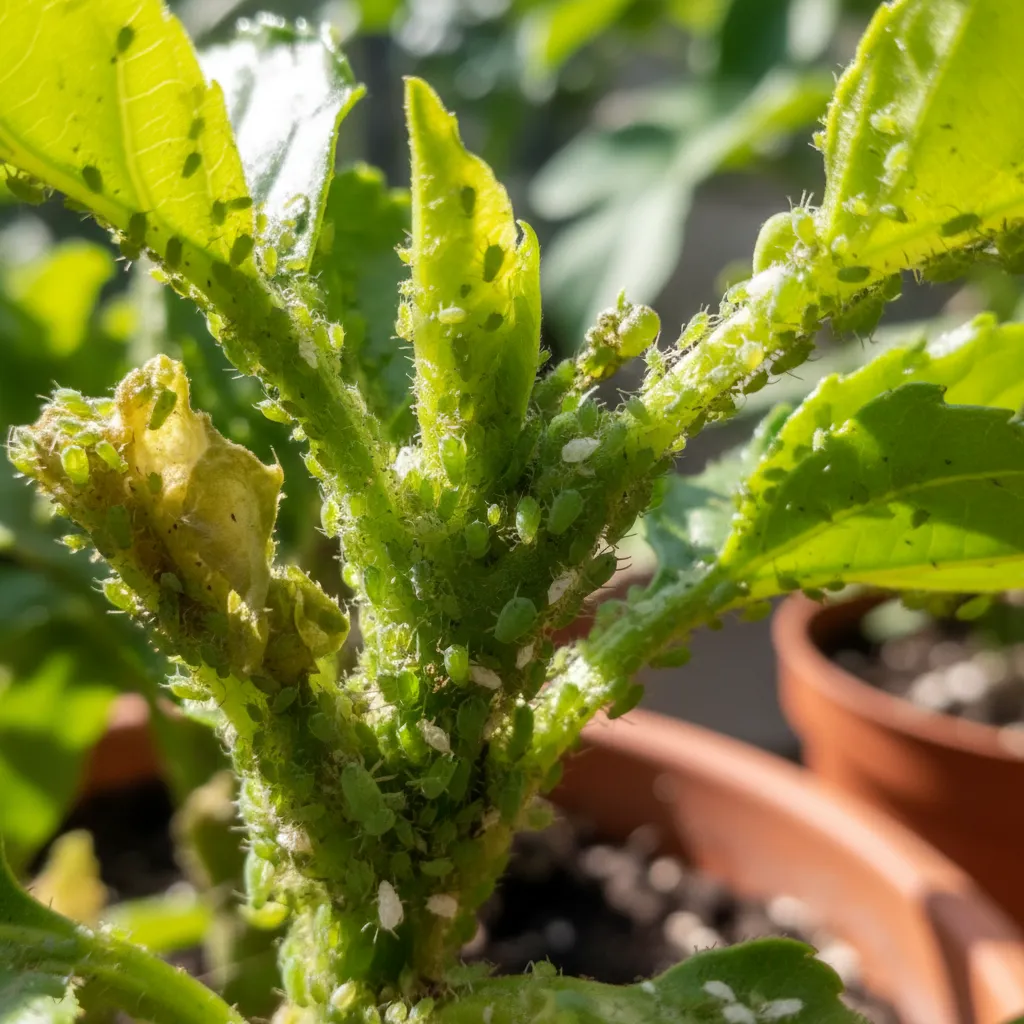
- ✓Pest and Disease Management — Generally robust, but monitor for common garden pests like aphids or scale insects, and treat organically if necessary.
Reviewed by the Flora Medical Global Botanical Review Panel
Multi-disciplinary editorial group · Botany · Ethnobotany · Herbal-medicine literature
Who reviewed this: This page was checked by the Flora Medical Global Botanical Review Panel — an in-house editorial group of botany graduates, ethnobotany researchers, and horticulture practitioners who collectively maintain our 7,000+ plant encyclopedia. Meet the team.
Our 4-step verification process
1. Taxonomic verification
Scientific names and synonyms cross-checked against Kew POWO, World Flora Online, and The Plant List.
2. Phytochemical & medicinal cross-reference
Active compounds, traditional uses, and reported activities are cross-referenced with PubMed, USDA Dr. Duke's database, and peer-reviewed ethnobotanical literature.
3. Conservation & distribution check
Distribution, ecology, and conservation status confirmed against GBIF occurrence records and the IUCN Red List.
4. Editorial & safety review
Every entry passes an editorial pass for clarity, originality, and safety notices (toxicity, contraindications, dosage caveats) before publication.
Last reviewed:
Important medical disclaimer: This content is for educational and research purposes only. It is not medical advice and is not a substitute for consultation with a licensed healthcare provider. Do not use any herb to self-treat a medical condition without professional guidance.
Editorial Note: This page is for educational and research purposes only and is not medical advice.
Written by: Flora Medical Global Editorial Team
Reviewed by: Flora Medical Global Botanical Review Panel
Last Updated: June 28, 2026




Clerodendrum — Comments & Community Reviews
Rate this plant
No reviews yet. Be the first!