
Medical Disclaimer: This content is for educational purposes only. It is not medical advice. Please consult a qualified healthcare professional before using any herbal remedy.
Safety Overview
1.Coleus Forskohlii — Plant Snapshot
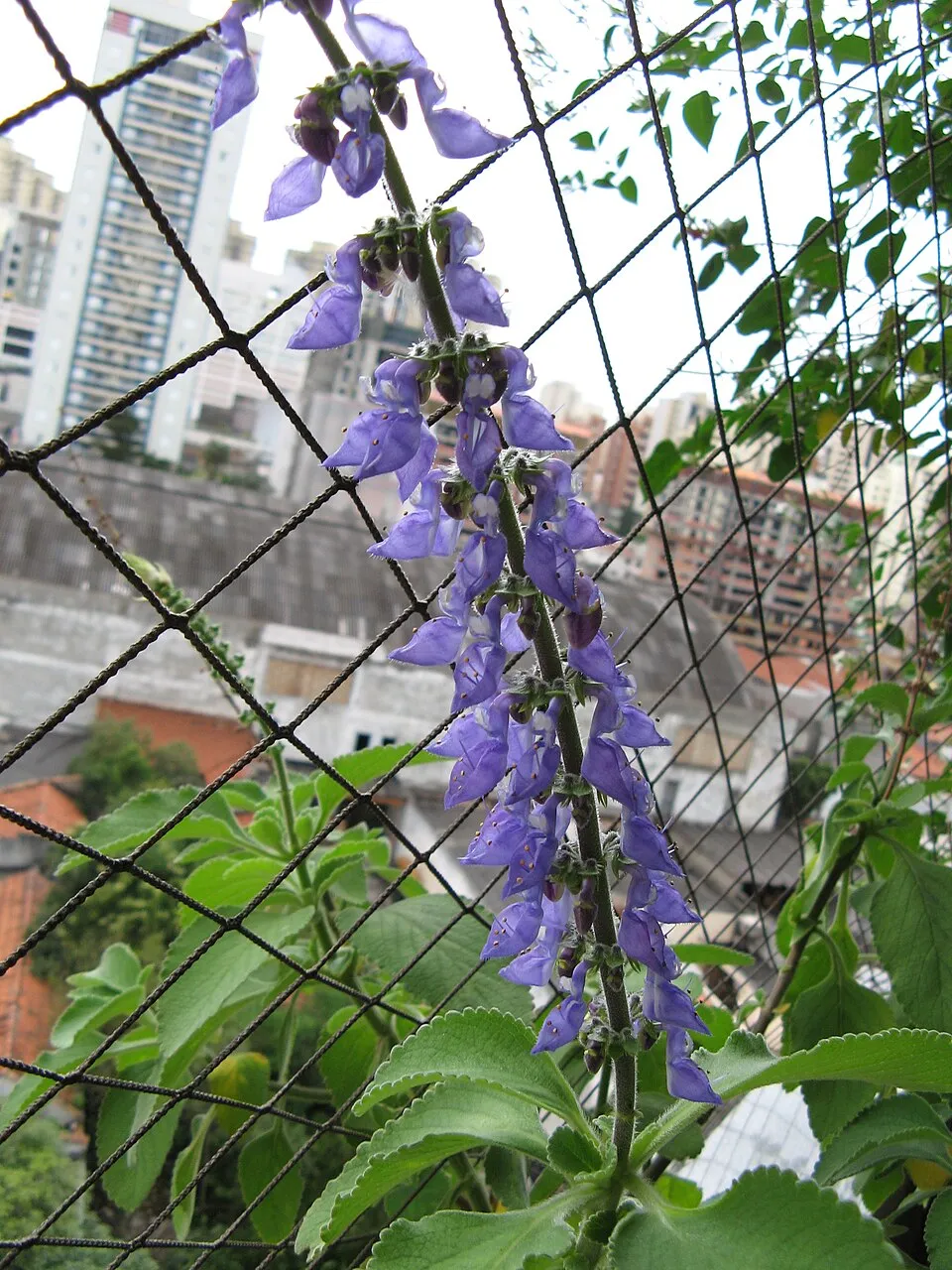
Coleus Forskohlii, officially known as Coleus barbatus (syn. Plectranthus barbatus), is a resilient perennial herbaceous plant native to the subtropical and tropical regions of India, Nepal, Thailand, and parts of Southeast Asia. It belongs to the expansive Lamiaceae family, commonly referred to as the mint family, and is celebrated for its distinctive morphology and medicinal properties. This robust plant typically reaches heights of 30 to 100 cm (1 to 3 feet), characterized by its prominent square-shaped stems, which can display hues from vibrant green to a deep reddish-brown and are often covered with fine, delicate hairs.
Its foliage is equally captivating, featuring ovate to heart-shaped leaves that usually measure 5 to 10 cm (2 to 4 inches) in length. These leaves present a smooth upper surface contrasting with subtly serrated or crenate margins, and their coloration can vary significantly, ranging from rich deep green to striking purple, influenced by specific varieties and environmental conditions. During the warmer seasons, typically from mid to late summer, Coleus barbatus produces an array of delicate, tubular flowers. These blossoms exhibit charming shades of lavender to violet and are elegantly arranged in raceme-like spikes that emerge terminally from the stems, serving as vital attractants for a diverse range of pollinators, including bees and butterflies.
The plant's most significant feature, however, lies beneath the soil: its tuberous, fleshy roots are the primary repository for its potent active compound, forskolin, a key diterpenoid responsible for much of its therapeutic efficacy. Historically, Coleus Forskohlii holds profound cultural significance within traditional Ayurvedic medicine, where its roots have been utilized for centuries.
Trusted Scientific References
1. Authoritative external sources for Coleus barbatus
1.1 Wikipedia — Coleus barbatus
1.2 Kew POWO (Plants of the World Online)
1.3 PubMed — peer-reviewed research
1.4 NCBI Taxonomy Browser
1.5 GBIF — Global Biodiversity
1.1.Coleus Forskohlii — Standout Qualities
- ✓Botanical Classification — Perennial herbaceous plant in the Lamiaceae (mint) family.
- ✓Active Compound — Rich source of the diterpenoid forskolin, concentrated in its tuberous roots.
- ✓Traditional Medicine — Deeply rooted in Ayurvedic practices for centuries.
- ✓Cardiovascular Support — Noted for its potential to lower blood pressure and support heart function.
- ✓Respiratory Aid — Traditionally used and studied for its bronchodilatory effects in asthma.
- ✓Metabolic Influence — Explored for its role in fat metabolism and weight management.
- ✓Intraocular Pressure — Topical applications show promise in reducing eye pressure.
- ✓Distinctive Morphology — Features square stems, ovate leaves, and lavender-to-violet flowers.
- ✓Geographical Origin — Native to tropical and subtropical regions of India and Southeast Asia.
- ✓Broad Spectrum Effects — Influences numerous physiological processes via cAMP activation.
1.2.Coleus Forskohlii — In Brief
- ✓Coleus barbatus is a potent Ayurvedic herb from the mint family.
- ✓Its roots contain forskolin, the primary active compound.
- ✓Known for potential benefits in blood pressure, asthma, and weight management.
- ✓Acts by increasing cyclic AMP (cAMP) levels in cells.
- ✓Important safety precautions include interactions with medications and use during pregnancy.
- ✓Traditionally used in India and Nepal for various health conditions.
2.Coleus Forskohlii — Systematic Position
3.Coleus Forskohlii — Quick Facts
4.Coleus Forskohlii — Structural Profile
5.Coleus Forskohlii — Habitat & Distribution
6.Coleus Forskohlii — Ethnobotanical Uses
7.Coleus Forskohlii — Secondary Metabolites
- ✓Diterpenoids — Primarily forskolin (also known as colforsin), a labdane diterpene that is the most recognized active compound, activating adenylate cyclase and increasing intracellular cAMP levels, crucial for its broad therapeutic actions.
- ✓Flavonoids — A diverse group of polyphenolic compounds known for their antioxidant, anti-inflammatory, and cardioprotective properties, contributing to the plant's overall health benefits.
- ✓Triterpenes — Compounds with various biological activities, including anti-inflammatory and adaptogenic effects, supporting the plant's medicinal profile.
- ✓Essential Oils — Volatile aromatic compounds that contribute to the plant's characteristic scent and may possess antimicrobial, anti-inflammatory, and calming properties.
- ✓Phenolic Acids — Naturally occurring organic acids with antioxidant and anti-inflammatory activities, further enhancing the plant's protective mechanisms.
- ✓Sterols — Plant sterols are compounds structurally similar to cholesterol, often associated with cardiovascular health benefits.
- ✓Glycosides — Various glycosides that may contribute to the plant's pharmacological effects, often influencing absorption and bioavailability.
- ✓Alkaloids — Nitrogen-containing organic compounds that can have significant physiological effects, though less prominent than forskolin in Coleus barbatus.
- ✓Saponins — Natural detergents found in plants, which can have expectorant, anti-inflammatory, and cholesterol-lowering properties.
8.Coleus Forskohlii — What Research Suggests
- ✓Blood Pressure Regulation — Forskolin's ability to activate adenylate cyclase leads to increased cyclic AMP (cAMP) levels, which can relax smooth muscle in blood vessels, promoting vasodilation and potentially lowering high blood pressure.
- ✓Bronchodilation — By increasing intracellular cAMP, forskolin can relax the smooth muscles of the bronchi, making it potentially beneficial for managing symptoms of asthma and other respiratory conditions.
- ✓Cardiac Support — Studies suggest forskolin may exert positive inotropic effects, enhancing the heart's pumping strength, which could be beneficial in certain forms of heart failure.
- ✓Intraocular Pressure Reduction — Topical application of forskolin has been shown to reduce intraocular pressure by decreasing aqueous humor inflow, offering potential aid for conditions like glaucoma.
- ✓Weight Management — Forskolin is thought to stimulate the breakdown of stored fat (lipolysis) and may promote a favorable shift in body composition, supporting weight loss efforts.
- ✓Anti-inflammatory Action — The modulation of cAMP pathways can lead to anti-inflammatory effects, potentially alleviating symptoms associated with various inflammatory conditions.
- ✓Platelet Aggregation Inhibition — Forskolin may inhibit platelet aggregation and increase blood flow, which could reduce the risk of clot formation and improve circulation.
- ✓Metabolic Boost — By influencing cellular metabolism through cAMP, Coleus Forskohlii may help regulate various bodily functions, including thyroid hormone activity.
- ✓Skin Health Support — Its anti-inflammatory properties may contribute to alleviating skin conditions like eczema, while its potential to enhance circulation could promote overall skin vitality.
- ✓Digestive Aid — Traditional uses point to its application in addressing various digestive discomforts, potentially due to its influence on smooth muscle function in the gastrointestinal tract.
8.1.Coleus Forskohlii — Conditions Traditionally Used For
9.Coleus Forskohlii — Risk Profile
9.1.Coleus Forskohlii — Side Effects & Warnings
- ✓Gastrointestinal Upset — Oral consumption, especially in larger doses, may lead to diarrhea, constipation, or vomiting.
- ✓Throat Irritation — Inhaled forskolin powder can cause throat irritation, coughing, tremor, and restlessness.
- ✓Ocular Stinging — Eye drop formulations containing forskolin may cause temporary stinging or discomfort in the eyes.
- ✓Increased Bleeding Risk — Forskolin can slow blood clotting, increasing the risk of bruising and bleeding, particularly with concurrent anticoagulant use.
- ✓Blood Pressure Drop — May cause blood pressure to drop too low, especially in individuals with pre-existing low blood pressure or those on hypotensive medications.
- ✓Cardiac Interference — Could potentially interfere with medications or treatments for heart conditions due to its effects on heart function and blood pressure.
- ✓Allergic Reactions — Rare instances of allergic reactions, including skin rashes or itching, may occur in sensitive individuals.
9.2.Coleus Forskohlii — Risk Assessment
- ✓Pregnancy — Coleus Forskohlii is possibly unsafe during pregnancy; it may slow or stop fetal growth and should be avoided.
- ✓Breastfeeding — Insufficient reliable information exists regarding its safety during breastfeeding; it is best to avoid use.
- ✓Bleeding Disorders — Individuals with bleeding disorders or those undergoing surgery should avoid Coleus Forskohlii due to its potential to increase bleeding risk.
- ✓Low Blood Pressure — Use with caution in individuals with naturally low blood pressure, as it may cause an excessive drop.
- ✓Heart Conditions — Patients with pre-existing heart conditions should consult a healthcare professional, as forskolin may interact with cardiac medications.
- ✓Scheduled Surgery — Discontinue use at least two weeks prior to any scheduled surgery to minimize the risk of increased bleeding.
- ✓Medication Interactions — Potentially interacts with blood pressure medications, anticoagulants, nitrates, and drugs metabolized by certain liver enzymes (CYP2C9, CYP3A4); professional consultation is essential.
10.Coleus Forskohlii — Preparation & Dosage
- ✓Oral Supplements — Most commonly consumed as encapsulated extracts standardized for forskolin content, taken daily with water.
- ✓Herbal Teas — Dried Coleus Forskohlii leaves can be steeped in hot water to make an herbal infusion, though forskolin is primarily in the roots.
- ✓Tinctures — Alcohol-based extracts of the root are prepared to concentrate the active compounds for easy sublingual or oral administration.
- ✓Topical Preparations — Forskolin-containing creams or gels are used for skin conditions or localized fat reduction due to its lipolytic properties.
- ✓Eye Drops — Specific pharmaceutical formulations containing forskolin are used for managing intraocular pressure under medical supervision.
- ✓Inhalation Powders — Forskolin powder can be inhaled for respiratory benefits, typically in controlled clinical settings due to potential side effects.
- ✓Ayurvedic Decoctions — Traditional Ayurvedic preparations involve boiling the roots to create potent decoctions for various internal ailments.
- ✓Culinary Use (Limited) — While not a common culinary herb, some parts might be used in traditional dishes in its native regions.
11.Coleus Forskohlii — Propagation & Care
- ✓Climate Preference — Thrives in warm, tropical to subtropical climates, intolerant of frost.
- ✓Soil Requirements — Prefers well-draining, fertile soil with a slightly acidic to neutral pH (6.0-7.0).
- ✓Light Exposure — Requires full sun to partial shade; full sun promotes more robust growth and higher forskolin content.
- ✓Watering — Needs consistent moisture but avoid waterlogging; water regularly, especially during dry periods.
- ✓Propagation — Easily propagated from stem cuttings or by seed; cuttings root readily in moist soil or water.
- ✓Fertilization — Benefits from balanced organic fertilizer during the growing season to support vigorous root development.
- ✓Harvesting — Roots are typically harvested after 1-2 years of growth when the plant is mature and forskolin content is optimal.
- ✓Pest and Disease Management — Generally robust, but watch for common garden pests like aphids and mealybugs; ensure good air circulation to prevent fungal issues.
Reviewed by the Flora Medical Global Botanical Review Panel
Multi-disciplinary editorial group · Botany · Ethnobotany · Herbal-medicine literature
Who reviewed this: This page was checked by the Flora Medical Global Botanical Review Panel — an in-house editorial group of botany graduates, ethnobotany researchers, and horticulture practitioners who collectively maintain our 7,000+ plant encyclopedia. Meet the team.
Our 4-step verification process
1. Taxonomic verification
Scientific names and synonyms cross-checked against Kew POWO, World Flora Online, and The Plant List.
2. Phytochemical & medicinal cross-reference
Active compounds, traditional uses, and reported activities are cross-referenced with PubMed, USDA Dr. Duke's database, and peer-reviewed ethnobotanical literature.
3. Conservation & distribution check
Distribution, ecology, and conservation status confirmed against GBIF occurrence records and the IUCN Red List.
4. Editorial & safety review
Every entry passes an editorial pass for clarity, originality, and safety notices (toxicity, contraindications, dosage caveats) before publication.
Last reviewed:
Important medical disclaimer: This content is for educational and research purposes only. It is not medical advice and is not a substitute for consultation with a licensed healthcare provider. Do not use any herb to self-treat a medical condition without professional guidance.
Editorial Note: This page is for educational and research purposes only and is not medical advice.
Written by: Flora Medical Global Editorial Team
Reviewed by: Flora Medical Global Botanical Review Panel
Last Updated: June 16, 2026





Coleus Forskohlii — Comments & Community Reviews
Rate this plant