
Medical Disclaimer: This content is for educational purposes only. It is not medical advice. Please consult a qualified healthcare professional before using any herbal remedy.
Safety Overview
1.Coriolus — Essential Profile
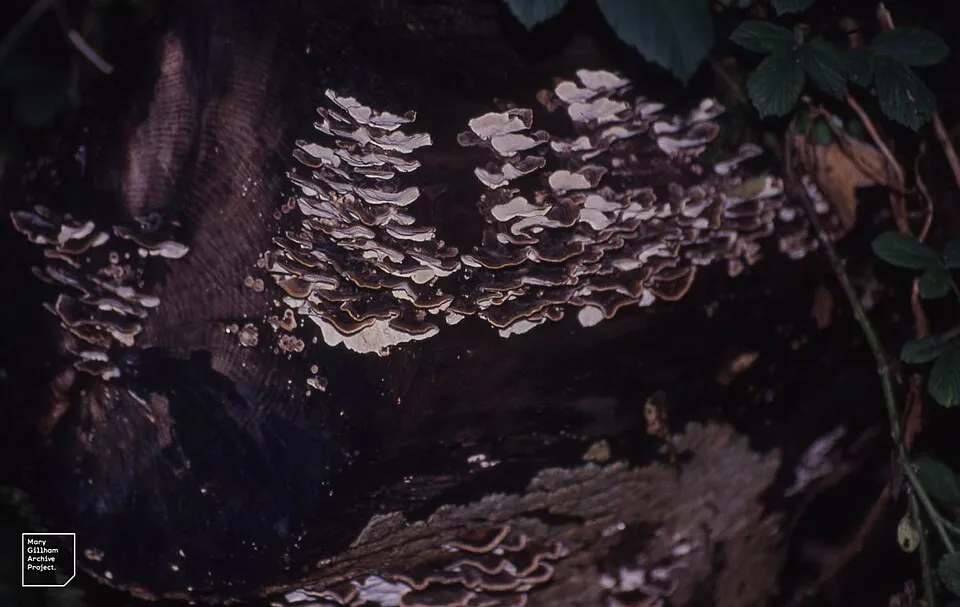
Coriolus versicolor, widely known as Turkey Tail mushroom, is a captivating and ubiquitous polypore fungus belonging to the family Polyporaceae. This saprophytic organism is distinguished by its fan-shaped or semicircular fruiting body, typically ranging from 2 to 10 cm in diameter. The cap of Coriolus versicolor exhibits an extraordinary palette of colors, arranged in concentric zones that fluidly transition from deep earthy browns and grays to more vivid oranges, blues, and even subtle greenish tones, strikingly reminiscent of a fanned turkey's tail.
Its surface is characterized by a velvety texture, attributed to fine, stiff hairs, which gradually smooth out towards the margin. Unlike gilled mushrooms, Coriolus versicolor features a distinctive pore surface on its underside, composed of minute, labyrinthine pores where its white to pale gray spores are produced—a defining feature of the Polyporaceae family.
This mushroom plays a vital ecological role as a decomposer, primarily thriving on decaying hardwood trees such as oak, maple, and beech. Its activity is crucial for nutrient cycling within forest ecosystems, as it efficiently breaks down complex lignin and cellulose. Coriolus versicolor enjoys a wide distribution across temperate forests globally, found throughout regions of North America, Europe, and Asia.
It exhibits a robust presence, frequently fruiting from late summer through early autumn, but can persist and be observed year-round in suitably moist conditions. Its growth typically occurs from ground level up to approximately one meter on fallen logs, stumps, and dead branches. Historically and culturally, Coriolus versicolor has been deeply valued for centuries, particularly in East Asian traditional medicine systems, where it is known as 'Yun Zhi' in Traditional Chinese Medicine (TCM) and 'Kawaratake' in Japan, revered for its perceived health-promoting properties and ability to support vitality.
Trusted Scientific References
1. Authoritative external sources for Coriolus versicolor
1.1 Wikipedia — Coriolus versicolor
1.2 Kew POWO (Plants of the World Online)
1.3 PubMed — peer-reviewed research
1.4 NCBI Taxonomy Browser
1.5 GBIF — Global Biodiversity
1.1.Coriolus — Notable Characteristics
- ✓Distinctive Appearance — Fan-shaped fruiting body with concentric, multicolored zones resembling a turkey's tail.
- ✓Saprophytic Decomposer — Crucial ecological role in breaking down decaying hardwood and nutrient cycling.
- ✓Immunomodulatory Powerhouse — Rich in Polysaccharide Krestin (PSK) and Polysaccharide Peptide (PSP).
- ✓Centuries of Traditional Use — Highly valued in Traditional Chinese Medicine and Japanese traditional medicine.
- ✓Adjuvant to Cancer Treatments — Clinically studied for its supportive role alongside chemotherapy and radiation.
- ✓Potent Antioxidant Properties — Helps protect cells from damage caused by free radicals.
- ✓Anti — inflammatory Benefits — Contributes to reducing systemic inflammation throughout the body.
- ✓Supports Gut Health — Contains prebiotics that foster a balanced and healthy gut microbiome.
- ✓Adaptogenic Qualities — Traditionally used to enhance vitality and reduce fatigue.
- ✓Wide Distribution — Found abundantly across temperate forests on decaying wood globally.
1.2.Coriolus — Quick Summary
- ✓Immune System Support — Potent polysaccharides like PSK and PSP enhance immune function.
- ✓Adjuvant Cancer Therapy — Used to improve outcomes and mitigate side effects alongside conventional cancer treatments.
- ✓Rich in Bioactive Compounds — Contains beta-glucans, triterpenes, and antioxidants.
- ✓Traditional Asian Medicine Staple — Revered as 'Yun Zhi' and 'Kawaratake' for centuries.
- ✓Antioxidant and Anti-inflammatory — Helps combat oxidative stress and chronic inflammation.
- ✓Global Distribution — A common saprophytic fungus found in temperate forests worldwide.
2.Coriolus — Nomenclature & Classification
3.Coriolus — Key Data
4.Coriolus — Physical Description
5.Coriolus — Origin & Spread
6.Coriolus — Folk Medicine Applications
7.Coriolus — Key Phytochemicals
- ✓Polysaccharide-K (PSK) — A protein-bound polysaccharide that is a key active compound, known for its potent immunomodulatory and anti-cancer effects.
- ✓Polysaccharide Peptide (PSP) — Another significant active polysaccharide, similar to PSK, with strong immune-stimulating and anti-tumor properties.
- ✓Beta-glucans — A class of polysaccharides that are well-known for their immune-boosting capabilities and prebiotic effects.
- ✓Flavonoids — Antioxidant compounds that help neutralize free radicals and reduce oxidative stress.
- ✓Phenolic Compounds — A diverse group of antioxidants that contribute to the mushroom's protective effects against cellular damage.
- ✓Triterpenes — Compounds that have shown anti-inflammatory, antiviral, and potential anti-cancer activities.
- ✓Ergothioneine — A potent antioxidant amino acid that protects cells from oxidative damage.
8.Coriolus — Pharmacological Findings
- ✓Immune System Support — Coriolus versicolor, also known as Turkey Tail, is renowned for its potent immunomodulatory properties. It contains polysaccharides, particularly Polysaccharide-K (PSK) and Polysaccharide Peptide (PSP), which have been extensively studied for their ability to stimulate and regulate the immune system. These compounds can enhance the activity of various immune cells, including natural killer (NK) cells, T-cells, and macrophages, thereby improving the body's defense against pathogens and abnormal cells. This makes it a valuable adjunct in supporting overall immune health and resilience.
- ✓Antioxidant Properties — The mushroom is rich in antioxidants, including flavonoids and phenolic compounds, which help combat oxidative stress in the body. Oxidative stress, caused by an imbalance of free radicals and antioxidants, is linked to chronic diseases and aging. By neutralizing free radicals, Coriolus versicolor can protect cells from damage, potentially reducing the risk of various chronic conditions and promoting cellular health.
- ✓Anti-inflammatory Effects — Chronic inflammation is a root cause of many diseases. Coriolus versicolor has demonstrated anti-inflammatory effects by modulating inflammatory pathways and reducing the production of pro-inflammatory cytokines. This can be beneficial in managing inflammatory conditions and supporting a balanced inflammatory response within the body.
- ✓Potential Anti-cancer Activity — While not a cure, Coriolus versicolor has shown promising results in preclinical and clinical studies as an adjunct therapy for cancer. PSK and PSP have been investigated for their ability to inhibit tumor growth, prevent metastasis, and enhance the efficacy of conventional cancer treatments like chemotherapy and radiation. They may work by activating immune responses against cancer cells and directly affecting tumor cells.
- ✓Gut Health Improvement — The prebiotic properties of Coriolus versicolor can support a healthy gut microbiome. The polysaccharides act as food for beneficial gut bacteria, promoting their growth and diversity. A balanced gut microbiome is crucial for digestion, nutrient absorption, immune function, and even mental well-being.
- ✓Liver Protection — Studies suggest that Coriolus versicolor may offer protective effects for the liver. Its antioxidant and anti-inflammatory compounds can help shield liver cells from damage caused by toxins and oxidative stress, supporting optimal liver function.
- ✓Antiviral Properties — Research indicates that Coriolus versicolor may possess antiviral activity against certain viruses. Its immune-boosting compounds can help the body mount a stronger defense against viral infections.
- ✓Antibacterial Effects — Some studies have shown that extracts from Coriolus versicolor can inhibit the growth of certain pathogenic bacteria, contributing to its broad antimicrobial spectrum.
- ✓Cardiovascular Support — The antioxidant and anti-inflammatory properties may contribute to cardiovascular health by protecting blood vessels from oxidative damage and reducing inflammation associated with heart disease.
- ✓Blood Sugar Regulation — Emerging research suggests that Coriolus versicolor may play a role in helping to regulate blood sugar levels, potentially by improving insulin sensitivity.
- ✓Energy Enhancement — By supporting immune function and reducing oxidative stress, Coriolus versicolor may contribute to increased energy levels and reduced fatigue.
- ✓Skin Health — The antioxidant compounds can help protect skin cells from damage caused by environmental factors and aging, potentially leading to improved skin health and appearance.
- ✓Respiratory Health — Its immunomodulatory and anti-inflammatory effects may also benefit respiratory health by supporting the immune defenses in the airways and reducing inflammation.
- ✓Stress Reduction — While not a primary effect, by supporting overall bodily balance and immune resilience, it may indirectly contribute to better stress management.
8.1.Coriolus — Reported Uses
9.Coriolus — Safety & Side Effects
9.1.Coriolus — Side Effects & Warnings
- ✓Coriolus versicolor is generally considered safe for most people when taken orally for medicinal purposes.
- ✓However, some individuals may experience mild gastrointestinal discomfort, such as nausea, diarrhea, or stomach upset.
- ✓It is also possible to have an allergic reaction, although this is rare.
- ✓Due to its immune-stimulating effects, individuals with autoimmune diseases should consult a healthcare professional before use.
9.2.Coriolus — Risk Assessment
- ✓Coriolus versicolor has a good safety profile, with limited reports of serious adverse effects.
- ✓It is typically well-tolerated, especially when used as an adjunct therapy under medical supervision.
- ✓However, pregnant or breastfeeding women, and individuals with a history of organ transplant or those taking immunosuppressant medications, should avoid using Coriolus versicolor due to potential interactions and effects on the immune system.
10.Coriolus — Preparation Methods
- ✓Teas/Decoctions — Dried slices of Coriolus versicolor can be simmered in water for an extended period (1-2 hours) to create a potent decoction, which is traditionally consumed for its medicinal benefits.
- ✓Tinctures — Dual-extraction methods, involving both hot water and alcohol, are often used to create concentrated tinctures that capture both water-soluble (polysaccharides) and alcohol-soluble compounds.
- ✓Encapsulated Powder — Dried and finely ground Coriolus versicolor powder can be encapsulated for convenient oral consumption, providing a standardized dose of the whole mushroom.
- ✓Standardized Extracts — Commercial supplements often feature standardized extracts, particularly of PSK or PSP, ensuring a consistent concentration of key active compounds per dose.
- ✓Culinary Integration — While not typically eaten for texture, small amounts of powdered or finely chopped Turkey Tail can be added to soups, broths, and stews to impart its health benefits.
- ✓Topical Preparations — Less common, but extracts or infused oils of Coriolus versicolor can be incorporated into topical applications for potential skin health benefits, though research is limited.
- ✓Dosage Guidelines — Dosage varies significantly based on the form (whole mushroom, extract, standardized PSK/PSP) and individual needs; consulting a healthcare practitioner is always recommended for personalized guidance.
11.Coriolus — Cultivation & Care
- ✓Substrate Preparation — Coriolus versicolor is typically cultivated on hardwood logs, such as oak, maple, or beech, or on sawdust blocks enriched with nutritional supplements.
- ✓Sterilization — The chosen substrate must be sterilized, usually through autoclaving, to eliminate competing microorganisms and create a clean environment for mycelial growth.
- ✓Inoculation — Sterilized substrate is inoculated with Coriolus versicolor spawn, which can be in the form of grain spawn, sawdust spawn, or dowel plugs inserted into logs.
- ✓Incubation — Following inoculation, the substrate is kept in warm, dark, and humid conditions for several weeks to months, allowing the mycelium to fully colonize the substrate.
- ✓Fruiting Conditions — Once colonized, the substrate is exposed to specific fruiting conditions: cooler temperatures (18-24°C), high humidity (85-95%), increased fresh air exchange, and indirect light to stimulate fruiting body formation.
- ✓Harvesting — Turkey Tail mushrooms are harvested when their caps are fully developed and firm, typically before they begin to release a large number of spores, ensuring optimal potency.
- ✓Sustainable Practices — Commercial cultivation provides a sustainable alternative to wild harvesting, ensuring consistent quality and protecting natural populations and forest ecosystems.
Reviewed by the Flora Medical Global Botanical Review Panel
Multi-disciplinary editorial group · Botany · Ethnobotany · Herbal-medicine literature
Who reviewed this: This page was checked by the Flora Medical Global Botanical Review Panel — an in-house editorial group of botany graduates, ethnobotany researchers, and horticulture practitioners who collectively maintain our 7,000+ plant encyclopedia. Meet the team.
Our 4-step verification process
1. Taxonomic verification
Scientific names and synonyms cross-checked against Kew POWO, World Flora Online, and The Plant List.
2. Phytochemical & medicinal cross-reference
Active compounds, traditional uses, and reported activities are cross-referenced with PubMed, USDA Dr. Duke's database, and peer-reviewed ethnobotanical literature.
3. Conservation & distribution check
Distribution, ecology, and conservation status confirmed against GBIF occurrence records and the IUCN Red List.
4. Editorial & safety review
Every entry passes an editorial pass for clarity, originality, and safety notices (toxicity, contraindications, dosage caveats) before publication.
Last reviewed:
Important medical disclaimer: This content is for educational and research purposes only. It is not medical advice and is not a substitute for consultation with a licensed healthcare provider. Do not use any herb to self-treat a medical condition without professional guidance.
Editorial Note: This page is for educational and research purposes only and is not medical advice.
Written by: Flora Medical Global Editorial Team
Reviewed by: Flora Medical Global Botanical Review Panel
Last Updated: June 16, 2026





Coriolus — Comments & Community Reviews
Rate this plant