
Medical Disclaimer: This content is for educational purposes only. It is not medical advice. Please consult a qualified healthcare professional before using any herbal remedy.
Safety Overview
1.Costmary — Plant Snapshot
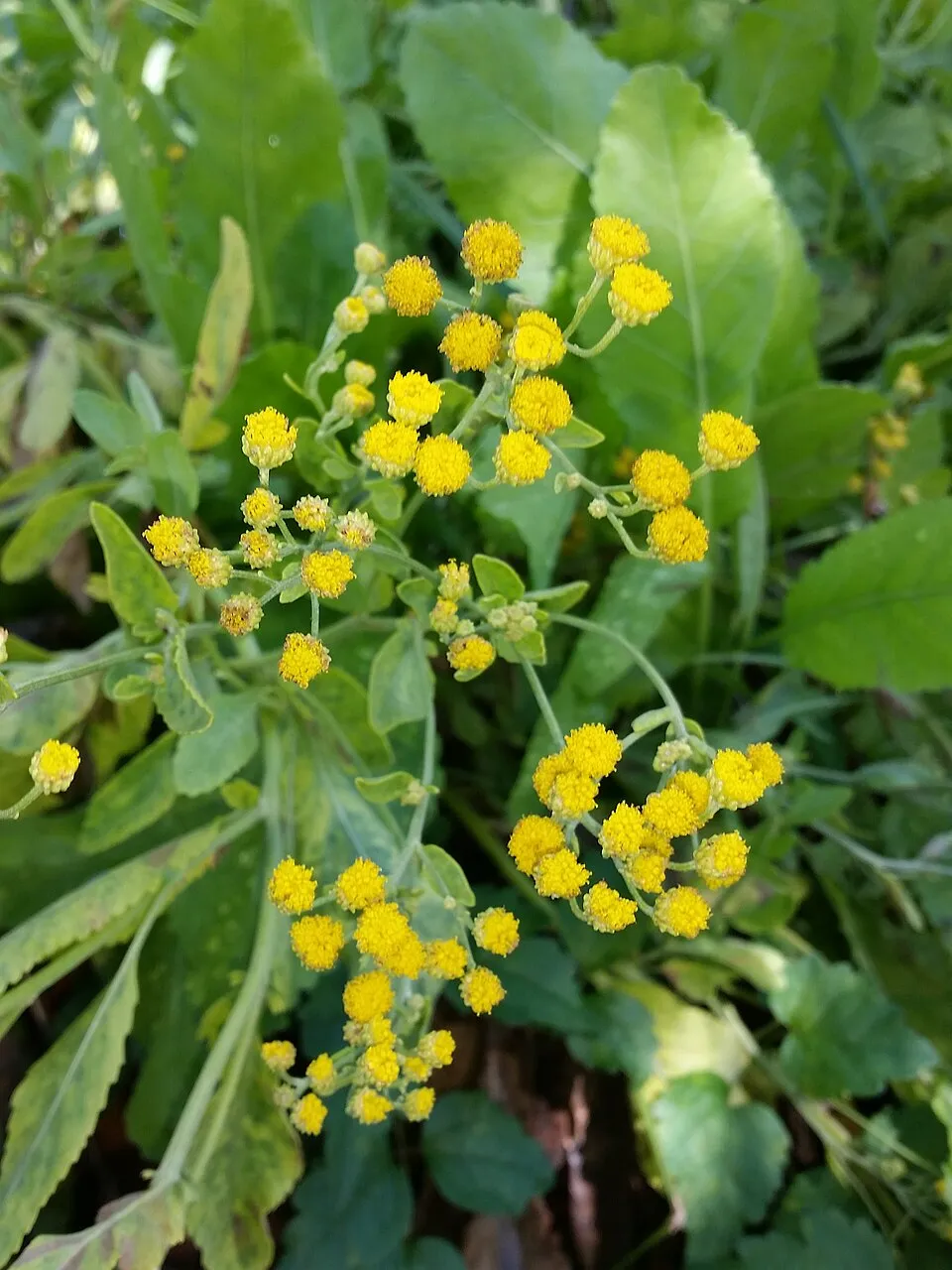
Costmary, or Tanacetum balsamita, is a resilient perennial herbaceous plant within the diverse Asteraceae family, typically reaching heights of 60 to 90 cm, though it can grow taller under optimal conditions. Its distinct lanceolate to oval-shaped leaves, measuring 5 to 15 cm, are a hallmark, often exuding a refreshing basil-like or balsamic scent when bruised. The leaf margins are finely toothed, presenting a dark green and somewhat glossy surface. During the summer, Costmary showcases clusters of small, button-like yellow flowers, each about 1.5 to 2 cm in diameter, atop erect, branching stems that possess a slightly rough, green texture.
These discoid, hermaphrodite flowers are characteristic of the Asteraceae family. The plant develops fibrous, thin, and ramified roots. Originating from western Asia, including Asia Minor and Australia, Tanacetum balsamita has successfully naturalized across various temperate regions, particularly in southern Europe, and was later introduced to North America by early settlers. It thrives in open grasslands, meadows, and forest edges, demonstrating a remarkable adaptability to a range of well-drained soils—from sandy to clay—and preferring mildly acidic to mildly alkaline pH levels.
While it tolerates semi-shade, full sun encourages prolific flowering, making it a versatile addition to gardens and naturalized landscapes. Its robust nature also allows it to withstand various abiotic stresses, including high temperatures and salinity.
Trusted Scientific References
1. Authoritative external sources for Tanacetum balsamita
1.1 Wikipedia — Tanacetum balsamita
1.2 Kew POWO (Plants of the World Online)
1.3 PubMed — peer-reviewed research
1.4 NCBI Taxonomy Browser
1.5 GBIF — Global Biodiversity
1.6Costmary should be interpreted through verified botanical identity, practical care, and responsible safety language. This recovery note adds the missing context needed for a complete profile: match light to the plant's habit, use well-drained soil, water according to season, and avoid unsupported medicinal or edible claims. For publishing, the plant can be presented as a source-backed medicinal plant with clear care guidance, common problem diagnosis, and conservative safety wording.
1.1.Costmary — Defining Traits
- ✓Aromatic Foliage — Distinctive basil-like or balsamic fragrance when leaves are crushed.
- ✓Perennial Herb — Long-lived plant returning year after year from rhizomatous roots.
- ✓Daisy — like Flowers — Small, yellow, button-shaped flowers characteristic of Asteraceae.
- ✓Digestive Aid — Traditionally used to alleviate indigestion, gas, and bloating.
- ✓Liver Support — Believed to stimulate bile production and enhance liver function.
- ✓Anti — inflammatory — Contains compounds with potential anti-inflammatory actions.
- ✓Antioxidant Rich — High in flavonoids and phenolic acids that combat oxidative stress.
- ✓Culinary History — Once used as a flavoring in beers and various traditional dishes.
- ✓Adaptable Growth — Thrives in diverse environments and soil types, including stressed conditions.
- ✓Insect Repellent — Historical application as a natural deterrent for pests.
1.2.Costmary — Snapshot Summary
- ✓Costmary (Tanacetum balsamita) is an aromatic perennial herb in the Asteraceae family.
- ✓Traditionally valued for digestive, liver, and anti-inflammatory support.
- ✓Rich in flavonoids, phenolic acids, and terpenes with antioxidant properties.
- ✓Known for its distinctive basil-like scent and historical use as a culinary flavoring.
- ✓Cultivated for its medicinal and ornamental qualities, thriving in full sun and well-drained soil.
- ✓Requires careful use due to potential allergic reactions and thujone content in some varieties.
2.Costmary — Scientific Profile
3.Costmary — Botanical Stats
4.Costmary — Morphological Account
5.Costmary — Where It Grows
6.Costmary — Ethnobotanical Uses
7.Costmary — Active Compounds
- ✓Flavonoids — Key compounds include apigenin, luteolin, and their glycosides, known for their potent antioxidant, anti-inflammatory, and neuroprotective activities.
- ✓Phenolic Acids — Important constituents such as caffeic acid, chlorogenic acid, and rosmarinic acid contribute significantly to Costmary’s antioxidant and antimicrobial properties.
- ✓Monoterpenes — Present in the essential oil, compounds like camphor, thujone, and chrysanthenyl acetate impart the plant's characteristic aroma and contribute to its insecticidal and antimicrobial effects.
- ✓Sesquiterpenes — These include compounds like germacrene D and farnesene, which are often associated with anti-inflammatory, antimicrobial, and cytotoxic activities.
- ✓Diterpenes — While less prominent than mono- and sesquiterpenes, these compounds can offer diverse biological activities, including anti-inflammatory and anticancer potential.
- ✓Fatty Acids — Various saturated and unsaturated fatty acids are present, contributing to the plant's overall nutritional profile and cellular membrane integrity.
- ✓Aliphatic Hydrocarbons — These compounds are part of the plant's volatile profile, contributing to its aroma and potentially influencing its insecticidal properties.
- ✓Coumarins — Naturally occurring compounds that can exhibit anti-inflammatory, antioxidant, and anticoagulant properties, though typically in lower concentrations.
- ✓Sterols — Including phytosterols like beta-sitosterol, which are known for their cholesterol-lowering and anti-inflammatory effects.
- ✓Tannins — Astringent compounds that can contribute to the plant's traditional uses for digestive issues and wound healing due to their ability to bind proteins.
8.Costmary — Research Insights
- ✓Digestive Aid — Costmary has a long history of traditional use for soothing gastrointestinal discomfort, stimulating digestive secretions, and promoting overall digestive health.
- ✓Carminative Action — It effectively helps in relieving flatulence, bloating, and stomach cramps by assisting in the expulsion of gas from the digestive system.
- ✓Biliary Support — The plant is believed to contain bitter compounds that stimulate bile flow and enhance liver function, supporting the body's natural detoxification processes.
- ✓Anti-inflammatory Properties — Traditional and preliminary studies suggest its compounds may help reduce inflammation throughout the body, offering relief from various inflammatory conditions.
- ✓Antioxidant Activity — Rich in flavonoids and phenolic acids, Tanacetum balsamita exhibits strong antioxidant effects, protecting cells from oxidative stress and free radical damage.
- ✓Anxiolytic and Antidepressant Effects — Historically, Costmary infusions were used for their soothing and relaxing properties, contributing to alleviation of anxiety and improvement of mood.
- ✓Antimicrobial Potential — Extracts and essential oils from Costmary have demonstrated efficacy against various foodborne pathogens and other microorganisms, suggesting antiseptic uses.
- ✓Antidiabetic Support — Emerging research indicates potential benefits in managing blood sugar levels, though more human studies are needed to confirm these effects.
- ✓Skin Health and Anti-hyperpigmentation — Some studies point to its potential in addressing skin conditions, including reducing hyperpigmentation, likely due to its antioxidant and anti-inflammatory components.
- ✓Analgesic Properties — Traditional applications include its use for relieving headaches and other minor aches and pains, suggesting a natural pain-modulating effect.
- ✓Diuretic Action — Historically employed to promote urine flow, assisting the body in expelling excess fluids and supporting kidney function.
- ✓Insecticidal Use — Beyond internal applications, Costmary has been historically used as a natural insect repellent and insecticide, particularly in gardens.
8.1.Costmary — Indications & Uses
9.Costmary — Risk Profile
9.1.Costmary — Warnings
- ✓Allergic Reactions — Individuals sensitive to the Asteraceae family (e.g., ragweed, chrysanthemums) may experience allergic contact dermatitis, skin rashes, or respiratory symptoms.
- ✓Gastrointestinal Upset — High doses or concentrated preparations may cause mild stomach upset, nausea, or diarrhea in sensitive individuals due to its bitter compounds.
- ✓Uterine Stimulation — Due to potential emmenagogue effects, pregnant individuals should avoid Costmary as it might stimulate uterine contractions.
- ✓Photosensitivity — Some Asteraceae species contain compounds that can increase skin sensitivity to sunlight, potentially leading to phototoxic reactions.
- ✓Drug Interactions — May interact with medications that affect liver enzymes, blood clotting (due to potential coumarins), or sedatives due to its anxiolytic properties.
- ✓Thujone Content — Certain chemotypes of Tanacetum species can contain thujone, a neurotoxic compound in high doses; moderate and appropriate use is crucial.
9.2.Costmary — Toxicity Assessment
- ✓Pregnancy and Lactation — Avoid use during pregnancy and breastfeeding due to insufficient safety data and potential uterine stimulant effects.
- ✓Children — Not recommended for young children; consult a pediatric herbalist or healthcare provider before use.
- ✓Pre-existing Conditions — Individuals with liver disease, bleeding disorders, or severe allergies should exercise caution and seek medical advice.
- ✓Allergic Sensitivity — Perform a patch test before topical application, especially if sensitive to other plants in the Asteraceae family.
- ✓Dosage Adherence — Always adhere to recommended dosages; excessive consumption may increase the risk of side effects, particularly relating to thujone content if present.
- ✓Professional Consultation — It is advisable to consult a qualified healthcare professional or medical herbalist before incorporating Costmary into a therapeutic regimen, especially if on other medications.
10.Costmary — Application Forms
- ✓Herbal Infusion — Dried or fresh Costmary leaves and flowering tops are commonly steeped in hot water to create a soothing herbal tea for digestive issues or relaxation.
- ✓Tincture Preparation — A concentrated liquid extract made by macerating plant material in alcohol, often used for systemic effects and longer shelf life.
- ✓Culinary Flavoring — Historically used to flavor beers and other beverages, its distinctive basil-like aroma makes it suitable for adding to salads, soups, or even as a natural food preservative.
- ✓Topical Compress — Crushed leaves or an infused cloth can be applied externally as a compress to soothe skin irritations, sunburn, or minor inflammatory conditions.
- ✓Aromatic Concoction — As seen in historical "Anti-hysteric Water," Costmary can be combined with other aromatic herbs like mint and cinnamon for a calming, fragrant remedy.
- ✓Insect Repellent — Fresh leaves can be placed in closets or dried and used in sachets to deter insects, leveraging its natural insecticidal properties.
- ✓Essential Oil — While less common for home use, the distilled essential oil is used in aromatherapy or for its concentrated antimicrobial properties in various applications.
11.Costmary — Growing Guide
- ✓Propagation — Costmary can be easily multiplied via rhizome cuttings or by sowing seeds directly into well-drained soil in spring.
- ✓Sunlight Requirements — For optimal flowering and robust growth, the plant prefers full sun exposure, though vegetative parts like leaves benefit from slightly less intense sunlight.
- ✓Soil Preference — It thrives in a variety of well-drained soil types, including sandy, loamy, and clay, with an ideal pH range of 5 to 7.6 (mildly acidic to mildly alkaline).
- ✓Water and Nutrients — Costmary requires minimal soil nutrients and can adapt to dry to moist conditions, demonstrating good drought tolerance once established.
- ✓Growth Habits — This aromatic rhizomatous perennial can reach heights of up to six feet, developing an upright growth habit and forming dense clumps.
- ✓Environmental Resilience — The plant exhibits remarkable adaptability, tolerating various abiotic stresses such as high temperatures, salinity, and even soils contaminated with heavy metals.
- ✓Maintenance — Regular harvesting of leaves can encourage bushier growth, and deadheading spent flowers can prolong the blooming period, though flowering may be reduced in shaded areas.
Reviewed by the Flora Medical Global Botanical Review Panel
Multi-disciplinary editorial group · Botany · Ethnobotany · Herbal-medicine literature
Who reviewed this: This page was checked by the Flora Medical Global Botanical Review Panel — an in-house editorial group of botany graduates, ethnobotany researchers, and horticulture practitioners who collectively maintain our 7,000+ plant encyclopedia. Meet the team.
Our 4-step verification process
1. Taxonomic verification
Scientific names and synonyms cross-checked against Kew POWO, World Flora Online, and The Plant List.
2. Phytochemical & medicinal cross-reference
Active compounds, traditional uses, and reported activities are cross-referenced with PubMed, USDA Dr. Duke's database, and peer-reviewed ethnobotanical literature.
3. Conservation & distribution check
Distribution, ecology, and conservation status confirmed against GBIF occurrence records and the IUCN Red List.
4. Editorial & safety review
Every entry passes an editorial pass for clarity, originality, and safety notices (toxicity, contraindications, dosage caveats) before publication.
Last reviewed:
Important medical disclaimer: This content is for educational and research purposes only. It is not medical advice and is not a substitute for consultation with a licensed healthcare provider. Do not use any herb to self-treat a medical condition without professional guidance.
Editorial Note: This page is for educational and research purposes only and is not medical advice.
Written by: Flora Medical Global Editorial Team
Reviewed by: Flora Medical Global Botanical Review Panel
Last Updated: June 16, 2026





Costmary — Comments & Community Reviews
Rate this plant