

Medical Disclaimer: This content is for educational purposes only. It is not medical advice. Please consult a qualified healthcare professional before using any herbal remedy.
Safety Overview
1.Cotton Root — Introduction & Highlights

Cotton Root, scientifically known as Gossypium herbaceum, is a robust, perennial shrub belonging to the Malvaceae family, a diverse group that also includes hibiscus and okra. This species typically reaches a height of 1 to 2 meters, characterized by an erect, often ridged stem that matures from green to a grayish-brown. Its leaves are distinctively palmate, ranging from 10 to 15 cm in width, featuring five to seven deep lobes and a glossy, dark green adaxial surface, with a lighter, sometimes pubescent abaxial surface. The foliage is arranged spirally along the stem, providing a dense canopy. The flowers of Gossypium herbaceum are solitary or appear in pairs in the leaf axils, showcasing a striking appearance.
They typically emerge as a creamy white or pale yellow, gradually deepening to a rose or purplish hue as they age, with a prominent reddish-purple blotch at the base of each petal. These ephemeral blooms last only a day, giving way to the development of the fruit—a leathery, ovoid to spherical capsule known as a 'boll.' As the boll matures, it dehisces to reveal the iconic cotton fibers, which are epidermal outgrowths from the seeds, varying in length and fineness depending on the cultivar. The root system is a stout taproot, often branching, with a smooth bark that is typically green in younger plants and becomes grayish with age. Native to the tropical and subtropical regions of Asia, Africa, and the Indian subcontinent, Gossypium herbaceum thrives in well-drained, fertile soils under conditions of ample sunlight and warmth. Its natural habitat often includes semi-arid plains and riverine areas, where it can access sufficient moisture.
Taxonomically, it is an Old World cotton species, distinct from the New World species like Gossypium hirsutum (Upland cotton), though all share the characteristic cotton fiber production. Historically, Cotton Root has been cultivated for millennia, not only for its valuable fibers but also for its profound medicinal significance across various traditional healing systems. Ancient cultures in India, China, and Africa recognized the plant's potent properties, utilizing different parts, particularly the root bark and seeds, in their pharmacopoeias.
Trusted Scientific References
Authoritative external sources for Gossypium Herbaceum:
1.1.Cotton Root — Key Features
- ✓Botanical Classification — Gossypium herbaceum belongs to the Malvaceae family, known for its economic and medicinal plants.
- ✓Palmate Leaves — Features distinctive palmate leaves with five to seven deep lobes, a common characteristic in its genus.
- ✓Ephemeral Flowers — Its creamy white to yellow flowers with a reddish-purple center bloom for only a day, changing color as they age.
- ✓Cotton Bolls — Produces characteristic fruit capsules known as bolls, which dehisce to reveal cotton fibers.
- ✓Root Bark — The primary medicinal part, traditionally harvested for its active constituents.
- ✓Oxytocic Properties — Known for its traditional use in stimulating uterine contractions.
- ✓Emmenagogue Action — Historically used to promote and regulate menstrual flow.
- ✓Gossypol Content — Contains gossypol, a potent compound with male antifertility and other pharmacological activities.
- ✓Perennial Shrub — Grows as a robust perennial shrub, reaching 1 to 2 meters in height.
- ✓Tropical/Subtropical Habitat — Thrives in warm climates across Asia, Africa, and the Indian subcontinent.
- ✓Astringent Qualities — Possesses tannins that confer astringent properties, useful for digestive and wound issues.
- ✓Antioxidant Rich — Contains flavonoids and phenolic acids, contributing to its free radical scavenging capabilities.
- ✓Traditional Contraceptive — Historically explored for its role in male birth control due to gossypol.
- ✓Cultural Significance — Deeply embedded in traditional medicine systems for centuries.
- ✓Distinct from Upland Cotton — An Old World cotton species, genetically distinct from commercial New World varieties.
1.2.Cotton Root — In Brief
- ✓Primary Use — Traditionally used as a uterine tonic and for menstrual regulation.
- ✓Key Compound — Gossypol, known for male antifertility effects and other bioactivities.
- ✓Traditional System — Valued in Ayurvedic, TCM, and African traditional medicine.
- ✓Safety Concern — LIKELY UNSAFE in pregnancy due to uterine stimulant effects.
- ✓Male Contraception — Investigated for its irreversible male birth control properties.
- ✓Habitat — Native to tropical and subtropical regions of Asia, Africa, and India.
- ✓Plant Family — Member of the Malvaceae family, sharing traits with hibiscus.
- ✓Medicinal Part — Primarily the root bark, though seeds also hold importance.
2.Cotton Root — Scientific Identity
3.Cotton Root — Categories & Tags
4.Cotton Root — Plant Morphology
5.Cotton Root — Cultural & Traditional Roles
6.Cotton Root — Bioactive Constituents
- ✓Flavonoids — Quercetin, Kaempferol, Gossypitrin. These compounds are potent antioxidants and anti-inflammatory agents, contributing to the plant's protective and soothing effects.
- ✓Terpenoids — Gossypol, Gossypolone. Gossypol is a major sesquiterpene aldehyde known for its antifertility effects in males and potential antimalarial and antiviral activities, while gossypolone is a related compound.
- ✓Alkaloids — Small amounts of various alkaloids may be present, contributing to diverse pharmacological actions, though specific alkaloids in Gossypium herbaceum are less studied than other constituent classes.
- ✓Phenolic Acids — Gallic acid, Caffeic acid, Chlorogenic acid. These are strong antioxidants with anti-inflammatory and antimicrobial properties, crucial for cellular protection.
- ✓Tannins — Hydrolyzable and condensed tannins. Possess astringent properties, contributing to its traditional use for diarrhea and wound healing, as well as antioxidant effects.
- ✓Sterols — Beta-sitosterol, Stigmasterol. Plant sterols are known for their anti-inflammatory potential and role in modulating cholesterol absorption.
- ✓Fatty Acids — Linoleic acid, Oleic acid, Palmitic acid. Primarily found in the seeds, these are essential components of cell membranes and precursors to signaling molecules.
- ✓Sugars and Polysaccharides — Various simple sugars and complex carbohydrates are present, contributing to the plant's structural integrity and potential prebiotic effects.
- ✓Saponins — Triterpenoid saponins. May contribute to immune-modulating and anti-inflammatory activities, though their specific role in Cotton Root is still being investigated.
- ✓Anthocyanins — Present in the flowers, contributing to their changing color. These are powerful antioxidants with potential benefits for cardiovascular health.
- ✓Lignans — Compounds with potential estrogenic or anti-estrogenic activities, contributing to hormonal modulation effects.
- ✓Volatile Oils — Trace amounts of essential oils may be present, contributing to the plant's aroma and potential antimicrobial properties.
- ✓Glycosides — Various glycosides are present, often responsible for the biological activity of their attached aglycone (e.g., flavonoid glycosides).
7.Cotton Root — Research Insights
- ✓Uterine Tonic — Cotton Root bark has a long history of traditional use as a uterine tonic, particularly noted for its oxytocic properties. It is believed to stimulate uterine contractions, making it historically valuable in folk medicine for inducing labor and facilitating childbirth, as well as expelling the afterbirth.
- ✓Menstrual Regulation — Traditionally, Gossypium herbaceum has been employed to help regulate menstrual flow and address amenorrhea (absence of menstruation). Its emmenagogue action is thought to promote and normalize menstruation, offering relief for various menstrual disorders.
- ✓Menopausal Symptom Relief — In some traditional practices, Cotton Root has been used to alleviate symptoms associated with menopause, such as hot flashes and mood swings. This is attributed to its potential influence on hormonal balance, though more research is needed to substantiate these claims.
- ✓Anti-inflammatory Support — The presence of various flavonoids and terpenoids in Cotton Root contributes to its traditional use as an anti-inflammatory agent. It is believed to help reduce inflammation throughout the body, offering relief from conditions characterized by inflammatory responses.
- ✓Immune System Modulation — Certain constituents within Cotton Root are thought to possess immunomodulatory effects, supporting a healthy immune response. Traditionally, it has been used to bolster the body's natural defenses against various pathogens and general illness.
- ✓Digestive Health Promotion — Cotton Root has been traditionally used to address various digestive complaints, including diarrhea and dysentery. Its astringent properties may help to soothe irritated mucosal linings and reduce excessive fluid loss.
- ✓Headache Alleviation — In traditional herbal medicine, preparations from Cotton Root have been applied or ingested to alleviate headaches. This use is likely linked to its potential anti-inflammatory and analgesic properties, offering natural relief from discomfort.
- ✓Fever Reduction — Cotton Root has been historically utilized as a febrifuge in several cultures to help reduce fever. Its diaphoretic properties may promote sweating, which can aid in cooling the body and breaking a fever.
- ✓Nausea Management — Traditional remedies often included Cotton Root for its antiemetic properties, helping to calm the stomach and reduce feelings of nausea. This could be particularly useful for morning sickness or general digestive upset.
- ✓Malaria Parasite Elimination — Early research suggests that certain preparations containing Cotton Root, in combination with other herbs, may help in eliminating malaria parasites. This indicates a potential antimalarial activity, warranting further scientific investigation.
- ✓Male Contraception — Notably, the seeds of certain Gossypium species, particularly through the compound gossypol, have been investigated for their male contraceptive properties. Gossypol selectively inhibits sperm production and motility, offering a unique, albeit irreversible, birth control option.
- ✓Nerve Pain Relief — In some traditional systems, Cotton Root was applied or ingested to alleviate nerve pain (neuralgia). Its constituents may possess analgesic properties that help to soothe irritated nerves and reduce discomfort.
- ✓Wound Healing Support — Extracts from Cotton Root have been traditionally used topically for their potential to aid in wound healing. Its antibacterial and antioxidant properties may contribute to tissue repair and protection against infection.
- ✓Antioxidant Activity — Rich in phenolic compounds and flavonoids, Cotton Root exhibits significant antioxidant activity. These compounds help to neutralize free radicals, protecting cells from oxidative damage and contributing to overall cellular health and anti-aging effects.
- ✓Antifungal Properties — Some traditional uses and preliminary studies suggest that Cotton Root extracts may possess antifungal properties. This could make it useful in combating certain fungal infections, both internally and externally.
7.1.Cotton Root — Conditions Traditionally Used For
8.Cotton Root — Precautions & Warnings
8.1.Cotton Root — Possible Adverse Reactions
- ✓Male Infertility — Gossypol, a key constituent, can cause irreversible sterility in men by inhibiting sperm production and motility. This effect is a significant concern for men using cotton for birth control.
- ✓Uterine Contractions — Due to its oxytocic properties, Cotton Root can stimulate uterine contractions, which is a serious risk for pregnant women as it may lead to miscarriage or premature labor.
- ✓Kidney Dysfunction — Individuals with pre-existing kidney conditions should avoid Cotton Root, as some constituents may exacerbate kidney problems or interfere with renal function.
- ✓Reproductive System Issues — Use of Cotton Root is contraindicated in individuals with known reproductive system disorders, as it may interfere with hormonal balance or exacerbate existing conditions.
- ✓Hypokalemia — High doses of gossypol have been associated with hypokalemia (low potassium levels) in some individuals, which can lead to muscle weakness, fatigue, and cardiac irregularities.
- ✓Gastrointestinal Upset — Some individuals may experience mild gastrointestinal symptoms such as nausea, stomach cramps, or diarrhea, particularly with higher doses.
- ✓Allergic Reactions — As with any plant-based product, allergic reactions such as skin rashes, itching, or respiratory symptoms are possible in sensitive individuals.
- ✓Drug Interactions — Cotton Root may interact with certain medications, particularly those affecting hormone levels, blood clotting, or kidney function. Caution is advised.
8.2.Cotton Root — Risk Assessment
- ✓Pregnancy Warning — Cotton Root is LIKELY UNSAFE during pregnancy due to its potent oxytocic properties, which can stimulate uterine contractions and potentially induce miscarriage or premature labor. It should be strictly avoided by pregnant individuals.
- ✓Breast-feeding Warning — Insufficient reliable information exists regarding the safety of Cotton Root during breast-feeding. Due to the presence of potent compounds, it is best to err on the side of caution and avoid its use while nursing.
- ✓Kidney Conditions — Individuals with pre-existing kidney problems or impaired renal function should NOT use Cotton Root, as it may worsen their condition or interfere with kidney function.
- ✓Reproductive System Disorders — Persons with any known reproductive system conditions, whether male or female, should avoid Cotton Root due to its potential impact on hormonal regulation and reproductive processes.
- ✓Male Contraceptive Use — Men considering Cotton Root for birth control must be fully aware of the risk of irreversible sterility associated with gossypol. This is a permanent effect and should be carefully considered.
- ✓Dosage and Professional Guidance — There is insufficient scientific data to establish a safe and effective dosage range for Cotton Root in medicinal contexts. It is crucial to consult a qualified healthcare professional or medical herbalist before use.
- ✓Drug Interactions — Cotton Root may interact with medications that influence hormone levels, such as hormonal contraceptives or hormone replacement therapy, as well as drugs affecting blood clotting or renal function. Use with caution and professional advice.
- ✓Avoid Cottonseed Extract (Gossypol) — Do not confuse Cotton Root bark with concentrated cottonseed extract or isolated gossypol, which has distinct and potent pharmacological effects and higher risks.
- ✓Children and Elderly — Due to lack of safety data, Cotton Root is generally not recommended for use in children or the elderly without strict medical supervision.
9.Cotton Root — Application Forms
- ✓Decoction/Tea — For internal use, a decoction of Cotton Root bark is commonly prepared. Use 1-2 teaspoons of dried, shredded root bark per cup of water. Simmer for 15-20 minutes, then strain. Dosage is typically 1-2 cups per day, traditionally used for menstrual issues or as a uterine tonic. Always consult a healthcare professional for proper dosage.
- ✓Tincture — A tincture is made by macerating dried Cotton Root bark in an alcohol-water solution (e.g., 1:5 ratio with 40-60% alcohol). Steep for 2-4 weeks, shaking daily, then strain. Standard dosage may be 1-5 ml, 2-3 times daily, under professional guidance, especially for uterine-related applications.
- ✓Poultice — For topical applications, a poultice can be made from powdered Cotton Root bark mixed with a small amount of warm water to form a paste. Apply directly to affected areas, such as minor wounds or inflammatory skin conditions, and cover with a clean cloth. Change every few hours.
- ✓External Wash — A weaker decoction can be used as an external wash for skin irritations, minor cuts, or as an astringent. Prepare a decoction as above, allow it to cool, and then use it to gently cleanse the affected area with a soft cloth.
- ✓Capsules/Powder — Dried and powdered Cotton Root bark can be encapsulated for convenient oral administration. Follow recommended dosages on commercially prepared products or as advised by a qualified herbalist. Typical doses might range from 500 mg to 1 gram per dose.
- ✓Infused Oil — While less common for the root bark, the seeds can be used to make an infused oil (cottonseed oil) which has its own set of applications. For root bark, a carrier oil can be infused with the bark for topical use, though this is less traditional for its primary indications.
- ✓Herbal Syrups — To mask the potentially bitter taste, a decoction of Cotton Root can be reduced and combined with honey or glycerin to create a medicinal syrup. This can be beneficial for children or individuals who find the taste of teas unpalatable.
- ✓Vaginal Suppositories — In some traditional practices, preparations involving Cotton Root have been used in vaginal suppositories, particularly for reproductive health concerns. This method should only be undertaken under strict medical supervision due to potential risks.
- ✓Combination Formulas — Cotton Root is often used in traditional herbal formulas alongside other synergistic herbs to enhance its effects or mitigate potential side effects. Always ensure compatibility and safety when combining herbs.
10.Cotton Root — Growth Requirements
- ✓Soil Requirements — Cotton Root (Gossypium herbaceum) thrives best in well-drained, fertile loamy or sandy-loamy soils with a pH range of 6.0 to 7.5. Good aeration is crucial to prevent root rot, and the soil should be rich in organic matter for optimal growth.
- ✓Sunlight — This species requires full sun exposure, ideally 6-8 hours of direct sunlight daily, to promote robust growth, flowering, and boll development. Insufficient light can lead to stunted growth and reduced yield.
- ✓Climate and Temperature — Gossypium herbaceum is a warm-season plant, preferring tropical and subtropical climates. Ideal growing temperatures range from 20°C to 30°C (68°F to 86°F). It is sensitive to frost and requires a long, warm growing season.
- ✓Watering — Consistent and adequate moisture is essential, especially during flowering and boll formation. While it tolerates some drought, regular deep watering is recommended, allowing the topsoil to dry slightly between waterings to prevent waterlogging.
- ✓Propagation — Primarily propagated from seeds. Seeds should be planted directly into the soil after the last frost when soil temperatures are consistently above 18°C (65°F). Germination typically occurs within 7-14 days.
- ✓Spacing — When planting, allow sufficient space between plants, typically 30-45 cm (12-18 inches) apart in rows, with rows spaced 90-120 cm (3-4 feet) apart. This ensures adequate air circulation and nutrient availability.
- ✓Fertilization — A balanced fertilizer can be applied during the growing season, particularly before flowering. Nitrogen is important for vegetative growth, while phosphorus and potassium support flower and fruit development.
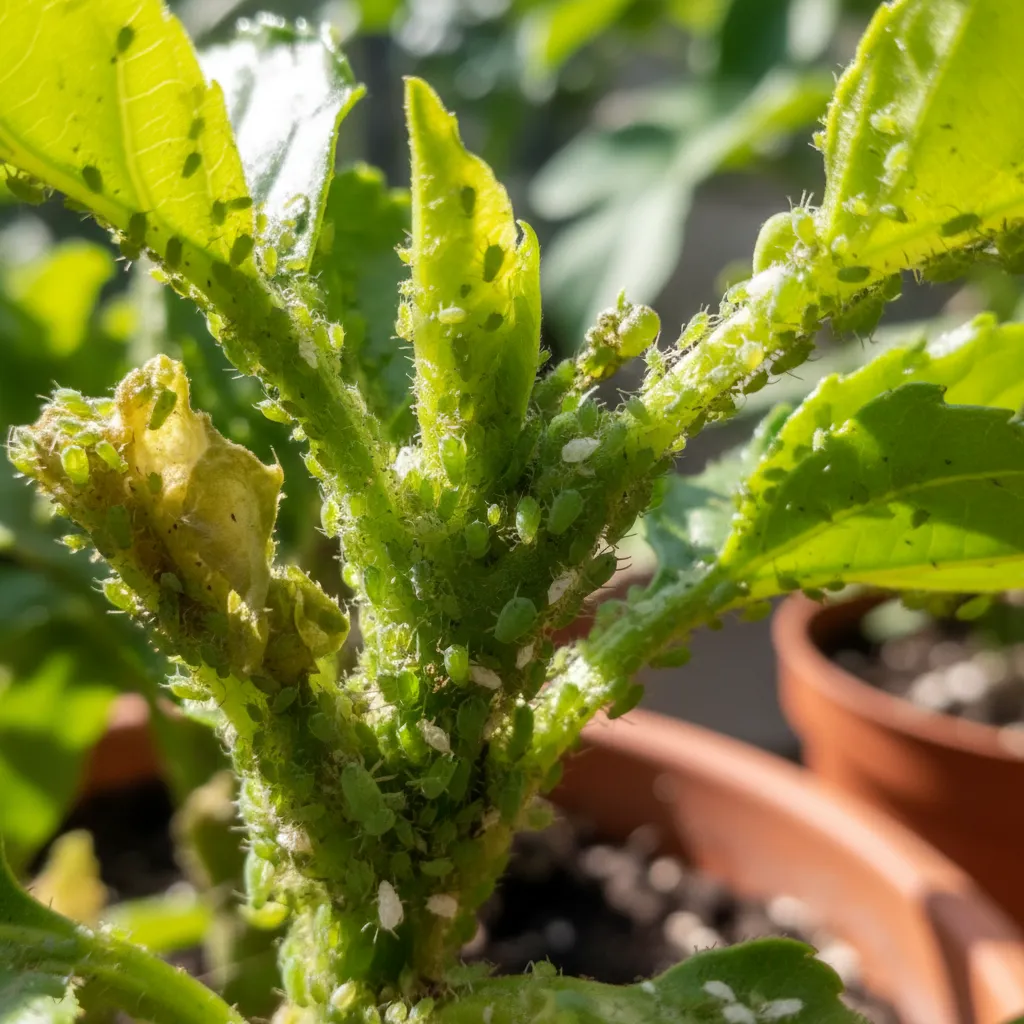
- ✓Pest and Disease Management — Common pests include aphids, bollworms, and spider mites. Organic pest control methods, such as neem oil or insecticidal soaps, are recommended. Fungal diseases like Fusarium wilt can be managed through crop rotation and ensuring good soil drainage.
- ✓Harvesting — The root bark, which is the primary medicinal part, is typically harvested from mature plants, usually after the first year of growth. The roots are carefully dug up, cleaned, and the bark is stripped, then dried for storage.
- ✓Pruning — Light pruning can be done to encourage branching and improve air circulation, though it is not strictly necessary for this species. Remove any dead or diseased branches to maintain plant health.
Reviewed by the Flora Medical Global Botanical Review Panel
Multi-disciplinary editorial group · Botany · Ethnobotany · Herbal-medicine literature
Who reviewed this: This page was checked by the Flora Medical Global Botanical Review Panel — an in-house editorial group of botany graduates, ethnobotany researchers, and horticulture practitioners who collectively maintain our 7,000+ plant encyclopedia. Meet the team.
Our 4-step verification process
1. Taxonomic verification
Scientific names and synonyms cross-checked against Kew POWO, World Flora Online, and The Plant List.
2. Phytochemical & medicinal cross-reference
Active compounds, traditional uses, and reported activities are cross-referenced with PubMed, USDA Dr. Duke's database, and peer-reviewed ethnobotanical literature.
3. Conservation & distribution check
Distribution, ecology, and conservation status confirmed against GBIF occurrence records and the IUCN Red List.
4. Editorial & safety review
Every entry passes an editorial pass for clarity, originality, and safety notices (toxicity, contraindications, dosage caveats) before publication.
Last reviewed:
Important medical disclaimer: This content is for educational and research purposes only. It is not medical advice and is not a substitute for consultation with a licensed healthcare provider. Do not use any herb to self-treat a medical condition without professional guidance.
Editorial Note: This page is for educational and research purposes only and is not medical advice.
Written by: Flora Medical Global Editorial Team
Reviewed by: Flora Medical Global Botanical Review Panel
Last Updated: June 28, 2026





Cotton Root — Comments & Community Reviews
Rate this plant
No reviews yet. Be the first!