


Medical Disclaimer: This content is for educational purposes only. It is not medical advice. Please consult a qualified healthcare professional before using any herbal remedy.
Safety Overview
1.Dang Shen — At a Glance

Dang Shen, known scientifically as Codonopsis pilosula var., is a fascinating herbaceous perennial plant belonging to the Campanulaceae family, commonly recognized for its significant role in traditional Chinese medicine. This robust plant typically grows to heights ranging from 30 to 150 centimeters, showcasing a graceful yet resilient presence in its native mountainous habitats. The foliage of Dang Shen is quite distinctive, featuring elongated leaves that are ovate to lanceolate in shape, usually measuring between 5 to 10 centimeters in length. These leaves exhibit smooth margins and prominent venation, contributing to their vibrant green hue and overall aesthetic appeal. During the late summer months, Codonopsis pilosula var. produces charming bell-shaped flowers.
Each flower typically displays a pale green coloration, often adorned with subtle reddish-purple markings or veins, which serve to attract a variety of pollinators. The stems of Dang Shen are slender and often covered with fine hairs, adding to the plant's unique textural characteristics. Below ground, the plant develops a substantial root system, which is the primary part harvested for its medicinal properties. These roots are often plump and can vary in shape, appearing cylindrical, conical, spindle-shaped, block-shaped, oval, spherical, or even bead-like (rosary-shaped), and can be fleshy or woody depending on age and growing conditions. The presence of tumor-like stem marks on older roots is also a distinguishing feature. Dang Shen thrives in specific ecological niches, preferring mild and cool climates with well-drained, moist soils.
It exhibits a notable cold tolerance, allowing its roots to successfully overwinter in the open ground. Its natural distribution is predominantly found in the mountainous regions of China, particularly at altitudes ranging from 1560 to 3100 meters, often nestled at forest edges and within shrublands. Key provinces where it is indigenous include Shaanxi, Ningxia, Gansu, Sichuan, Yunnan, and Tibet, with extensive cultivation now occurring across many parts of China due to its high demand. Taxonomically, Codonopsis pilosula var. is classified under the kingdom Plantae, division Angiosperms, class Eudicots, order Asterales, and family Campanulaceae.
Trusted Scientific References
Authoritative external sources for Codonopsis Pilosula Var.:
1.1.Dang Shen — Distinguishing Points
- ✓Adaptogenic Properties — Highly valued for its ability to help the body adapt to various forms of stress.
- ✓Qi Tonic — A fundamental herb in TCM for tonifying Qi, particularly of the spleen and lungs.
- ✓Bell — shaped Flowers — Produces pale green, bell-shaped flowers often marked with reddish-purple.
- ✓Elongated Leaves — Features ovate to lanceolate leaves with smooth edges and prominent venation.
- ✓Fleshy, Varied Roots — Develops plump roots that can be cylindrical, conical, or rosary-shaped, serving as the main medicinal part.
- ✓Cold Tolerant — Capable of overwintering in open ground, indicating good resilience to cold climates.
- ✓Mountain Habitat — Naturally thrives in mountainous regions of China at high altitudes.
- ✓Immunomodulatory — Contains polysaccharides that enhance immune system function.
- ✓Anti — fatigue Effects — Traditionally used to combat fatigue and boost energy levels.
- ✓Digestive Aid — Supports spleen function, improving appetite and digestion.
- ✓Cardiovascular Support — May offer protective benefits for heart health and circulation.
- ✓Low Toxicity Profile — Generally considered very safe with a low incidence of side effects.
- ✓Versatile Preparation — Can be used in decoctions, powders, tinctures, and medicated meals.
- ✓Historical Significance — Has been used in Chinese medicine for centuries as a milder alternative to ginseng.
- ✓Distinctive Stem Marks — Older roots often exhibit characteristic tumor-like stem marks.
1.2.Dang Shen — Snapshot Summary
- ✓Primary Use — Renowned adaptogen and Qi tonic in Traditional Chinese Medicine.
- ✓Key Compound — Rich in polysaccharides and saponins, contributing to its immune-modulating effects.
- ✓Traditional System — A cornerstone herb in Traditional Chinese Medicine (TCM) for invigorating spleen and lung Qi.
- ✓Common Name — Dang Shen, also known as Poor Man's Ginseng.
- ✓Botanical Family — Belongs to the Campanulaceae family, characterized by bell-shaped flowers.
- ✓Plant Part Used — The root is the primary medicinal part, valued for its restorative properties.
- ✓Key Benefit — Supports immune function, combats fatigue, and enhances digestive health.
- ✓Safety Profile — Generally considered safe with minimal side effects, but caution advised for certain conditions.
2.Dang Shen — Scientific Identity
3.Dang Shen — Categories & Tags
4.Dang Shen — Botanical Description
5.Dang Shen — Heritage Uses
6.Dang Shen — Phytochemistry
- ✓Polysaccharides — Codonopsis pilosula is notably rich in various polysaccharides, such as Dangshen polysaccharides (DPS), which are primary contributors to its immunomodulatory, anti-fatigue, and antioxidant activities, enhancing cellular energy and immune responses.
- ✓Saponins — Triterpenoid saponins, including codonopsides and related glycosides, are key active compounds. These contribute to the plant's adaptogenic, anti-inflammatory, and cardiovascular protective effects, influencing cellular signaling pathways.
- ✓Alkaloids — Various alkaloids are present in Dang Shen, though typically in lower concentrations compared to other constituents. These compounds can have diverse pharmacological actions, including potential neuroprotective and circulatory effects.
- ✓Flavonoids — A range of flavonoids, such as quercetin and kaempferol derivatives, contribute to Dang Shen's antioxidant and anti-inflammatory properties. They help scavenge free radicals and modulate immune responses.
- ✓Terpenoids — Both mono- and sesquiterpenoids are found, contributing to the plant's aromatic profile and some of its pharmacological activities, including anti-inflammatory and potential antimicrobial effects.
- ✓Phenolic Acids — Compounds like chlorogenic acid and caffeic acid are present, known for their strong antioxidant and anti-inflammatory activities, supporting cellular health and protecting against oxidative stress.
- ✓Lignans — These phytochemicals are found in Dang Shen and can exert antioxidant, anti-inflammatory, and potential hormone-modulating effects, contributing to overall physiological balance.
- ✓Steroids — Plant steroids, or phytosterols, are present, which may contribute to the plant's anti-inflammatory and endocrine-regulating properties, influencing cell membrane integrity and hormone synthesis.
- ✓Alkynes and Polyacetylenes — These unique compounds are characteristic of the Campanulaceae family and are being investigated for their potential biological activities, including anti-inflammatory and cytotoxic effects.
- ✓Organic Acids — Various organic acids, such as malic acid and succinic acid, are present, contributing to the plant's overall metabolic activity and potentially influencing its adaptogenic and energy-boosting properties.
- ✓Volatile Oils — Although not a primary constituent for its adaptogenic effects, trace amounts of volatile oils contribute to the plant's subtle aroma and may possess mild antimicrobial or calming properties.
- ✓Amino Acids — Dang Shen contains essential and non-essential amino acids, which are fundamental building blocks for proteins and contribute to its nutritive value and overall restorative effects on the body.
- ✓Trace Elements — The root also contains various essential trace elements and minerals, such as zinc, iron, and selenium, which are vital for numerous enzymatic reactions and physiological functions, supporting general health.
7.Dang Shen — Evidence-Based Benefits
- ✓Immune System Modulation — Dang Shen is traditionally used to bolster immune function. Its polysaccharides and saponins are thought to enhance the activity of various immune cells, including macrophages and lymphocytes, contributing to a more robust defense against pathogens and supporting overall immune resilience.
- ✓Adaptogenic Support — As a revered adaptogen, Dang Shen helps the body adapt to various stressors, both physical and psychological. It aids in balancing physiological processes, reducing the impact of fatigue and promoting a sense of well-being, similar to ginseng but often considered milder.
- ✓Spleen and Lung Qi Tonification — In Traditional Chinese Medicine (TCM), Dang Shen is highly valued for tonifying Qi, particularly of the Spleen and Lung meridians. This action helps to improve digestion, nutrient absorption, and respiratory function, addressing symptoms like poor appetite, fatigue, and shortness of breath.
- ✓Enhancing Digestive Health — Dang Shen's ability to strengthen Spleen Qi directly benefits the digestive system. It can improve appetite, reduce symptoms of indigestion, and protect the gastrointestinal mucosa, potentially aiding in anti-ulcer effects and promoting a healthier gut environment.
- ✓Cardiovascular Protection — Research indicates that compounds in Dang Shen may exert protective effects on the cardiovascular system. This includes potential benefits for improving blood circulation, regulating blood pressure, and supporting heart muscle function, contributing to overall cardiac wellness.
- ✓Improving Hematopoietic Function — Dang Shen has been traditionally used to nourish the blood and improve hematopoietic function, which is the process of blood cell formation. This makes it beneficial in cases of qi and blood deficiency, often manifested as a pale complexion, palpitations, and general weakness.
- ✓Anti-fatigue Properties — By tonifying Qi and enhancing metabolic efficiency, Dang Shen helps combat general fatigue and increases endurance. It's often used by individuals experiencing chronic tiredness or those needing to restore energy after illness.
- ✓Antioxidant Activity — The presence of flavonoids and phenolic acids in Dang Shen contributes to its significant antioxidant capacity. These compounds help neutralize harmful free radicals, protecting cells from oxidative damage and supporting anti-aging processes.
- ✓Anti-inflammatory Effects — Dang Shen exhibits anti-inflammatory properties, which can help mitigate inflammatory responses in the body. This is beneficial for managing various inflammatory conditions and reducing discomfort associated with inflammation.
- ✓Neuroprotective Effects — Emerging research suggests that certain constituents of Dang Shen may offer neuroprotective benefits. This could involve supporting cognitive function, protecting nerve cells from damage, and potentially aiding in conditions related to neurological health.
- ✓Endocrine System Regulation — Dang Shen may play a role in regulating the endocrine system, helping to balance hormone levels. This adaptogenic influence can contribute to overall systemic harmony and improved physiological function.
- ✓Respiratory Support — As a lung tonic in TCM, Dang Shen is used to alleviate symptoms like coughing and deficient panting, strengthening the respiratory system and improving lung capacity, especially in cases of chronic weakness or illness.
- ✓Anti-tumor Potential — Preliminary studies indicate that some compounds in Dang Shen may possess anti-tumor properties, potentially inhibiting the growth of certain cancer cells. This area requires further extensive research but shows promising therapeutic avenues.
- ✓Fluid Production and Thirst Relief — Dang Shen is traditionally used to promote the production of body fluids, making it beneficial for alleviating thirst associated with internal heat or fluid deficiency. It helps restore balance and hydration within the body.
- ✓Supporting Post-Illness Recovery — Due to its Qi-tonifying and immune-boosting properties, Dang Shen is frequently incorporated into recovery regimens after illness, surgery, or childbirth to help restore vitality, strength, and overall health.
- ✓Blood Pressure Regulation — Some traditional applications and modern studies suggest Dang Shen may assist in regulating blood pressure, particularly in cases of hypotension (low blood pressure), helping to stabilize circulatory function.
- ✓Gastrointestinal Mucosa Protection — Specific components within Dang Shen have been shown to protect the lining of the stomach and intestines, which can be beneficial in preventing ulcers and maintaining the integrity of the digestive tract.
- ✓Anti-aging Effects — Through its potent antioxidant and cellular protective actions, Dang Shen contributes to anti-aging processes by reducing cellular damage and supporting cellular regeneration, promoting longevity and vitality.
7.1.Dang Shen — Reported Uses
8.Dang Shen — Cautions & Contraindications
8.1.Dang Shen — Caution Notes
- ✓Mild Gastrointestinal Discomfort — Some individuals may experience mild stomach upset, bloating, or diarrhea, especially when first starting Dang Shen or consuming higher doses.
- ✓Allergic Reactions — Although rare, allergic reactions such as skin rashes, itching, or hives can occur in sensitive individuals. Discontinue use if such symptoms appear.
- ✓Dizziness or Lightheadedness — In very rare instances, particularly with high doses or in sensitive individuals, slight dizziness or lightheadedness has been reported.
- ✓Headaches — A small number of users might experience mild headaches, which usually resolve with reduced dosage or discontinuation.
- ✓Increased Alertness/Insomnia — Due to its energizing properties, taking Dang Shen late in the day might interfere with sleep for some sensitive individuals, leading to increased alertness or mild insomnia.
- ✓Changes in Blood Pressure — While generally considered to help regulate blood pressure, individuals with pre-existing conditions should monitor their blood pressure as it may subtly influence it. However, it's typically mild and non-significant.
- ✓Dry Mouth — A very infrequent side effect reported by some users, potentially due to its fluid-promoting but sometimes mildly drying nature.
8.2.Dang Shen — Clinical Safety Notes
- ✓Drug Interactions — Dang Shen may interact with certain medications. It is advised to consult a healthcare professional if taking immunosuppressants, anticoagulants (blood thinners), or medications for blood pressure or diabetes, as it might subtly influence their effects.
- ✓Pregnancy Warning — Due to insufficient safety data, pregnant women are generally advised to avoid Dang Shen, especially in the first trimester, or to use it only under strict medical supervision.
- ✓Lactation Warning — Nursing mothers should exercise caution and consult a healthcare provider before using Dang Shen, as its effects on infants are not well-established.
- ✓Pre-existing Conditions — Individuals with acute infections, severe fevers, or those undergoing organ transplantation should avoid Dang Shen, especially due to its immune-modulating properties.
- ✓Surgical Procedures — Discontinue use of Dang Shen at least two weeks before any scheduled surgery due to its potential, albeit mild, effects on blood coagulation or blood pressure.
- ✓Children — Use in children should be approached with caution and only under the guidance of a qualified healthcare practitioner, with dosages adjusted significantly based on age and weight.
- ✓Dosage Adherence — Always adhere to recommended dosages. Excessive intake of Dang Shen, while generally considered safe, may increase the likelihood of experiencing mild side effects.
- ✓Quality and Purity — Ensure sourcing Dang Shen from reputable suppliers to guarantee product quality, purity, and freedom from contaminants like heavy metals or pesticides, which can compromise safety.
- ✓Acute Conditions — While a tonic, Dang Shen is generally not recommended for acute, excess conditions such as severe colds, flu with high fever, or acute inflammation, where a different class of herbs might be more appropriate.
9.Dang Shen — Usage Guide
- ✓Decoction/Tea — The most common method involves preparing a decoction. Typically, 9-30 grams of dried Dang Shen root are simmered in 500-700 ml of water for 30-60 minutes until the liquid is reduced by about one-third. The resulting tea can be consumed 1-2 times daily. It is often combined with other herbs in TCM formulas.
- ✓Powdered Form — Dried Dang Shen root can be ground into a fine powder. A common dosage is 3-9 grams of powder taken daily, mixed with water or encapsulated. This method allows for convenient consumption and consistent dosing.
- ✓Tincture — Dang Shen can be extracted into an alcohol-based tincture. Typically, 1:5 ratio (herb to alcohol) with 40-60% alcohol is used. Dosage might range from 2-5 ml, 2-3 times per day, diluted in water. Tinctures offer concentrated benefits and good shelf stability.
- ✓Medicated Meals/Soups — As a popular tonic, Dang Shen is frequently incorporated into Chinese cuisine, such as soups, stews, and porridges. It can be added to chicken soup, bone broth, or vegetarian broths to impart its tonic properties and mild, sweet flavor. The root pieces are usually simmered until soft and can be consumed along with the meal.
- ✓Herbal Syrups — For respiratory support, Dang Shen can be prepared into a medicinal syrup, often combined with other lung-tonifying herbs and a sweetener like honey. This is particularly useful for coughs and shortness of breath.
- ✓External Application (Limited) — While primarily an internal tonic, in some traditional practices, a strong decoction might be used externally as a wash for general skin tonicity, though this is less common than internal use.
- ✓Infused Oils (Rare) — Less common, but dried Dang Shen could be infused into carrier oils for potential topical benefits, though its primary actions are systemic and achieved through internal consumption.
- ✓Congee/Porridge Additive — For individuals with weakened digestion or poor appetite, Dang Shen can be cooked into a nourishing congee (rice porridge) to enhance its restorative effects and improve digestibility. Use 10-20g of sliced root per serving.
- ✓Combination Formulas — Dang Shen is rarely used alone in TCM but is a staple in many classical formulas, often combined with herbs like Astragalus (Huang Qi), Atractylodes (Bai Zhu), and Licorice (Gan Cao) to enhance its Qi-tonifying effects and address specific imbalances.
- ✓Health Beverages — Commercial health drinks and teas sometimes include Dang Shen extract or pieces, offering a convenient way to consume the herb for general wellness and energy support.
10.Dang Shen — Garden Cultivation
- ✓Climate Requirements — Dang Shen thrives in cool, temperate climates with distinct seasons, preferring mild summers and cold winters. It is cold-tolerant, allowing its roots to survive freezing temperatures in the soil.
- ✓Soil Requirements — The plant requires well-drained, fertile loam soil rich in organic matter. A slightly acidic to neutral pH (6.0-7.0) is ideal for optimal growth and root development.
- ✓Sunlight Exposure — Dang Shen prefers partial shade to full sun. In hotter climates, some afternoon shade is beneficial to prevent stress, while in cooler regions, more sun encourages robust growth.
- ✓Watering — Consistent moisture is crucial, especially during the growing season. The soil should be kept evenly moist but not waterlogged to prevent root rot. Reduce watering in cooler months.
- ✓Propagation — Primarily propagated by seeds, which require a period of cold stratification to break dormancy. Seeds can be sown in spring after the last frost or in late autumn for natural stratification.
- ✓Planting Depth and Spacing — Seeds should be sown about 0.5 cm deep. For seedlings or root divisions, plant at a depth that covers the crown, with plants spaced 30-45 cm apart to allow for root expansion.
- ✓Fertilization — Amend the soil with well-rotted compost or a balanced organic fertilizer before planting. A light feed during the growing season can support vigorous growth, but avoid over-fertilization.
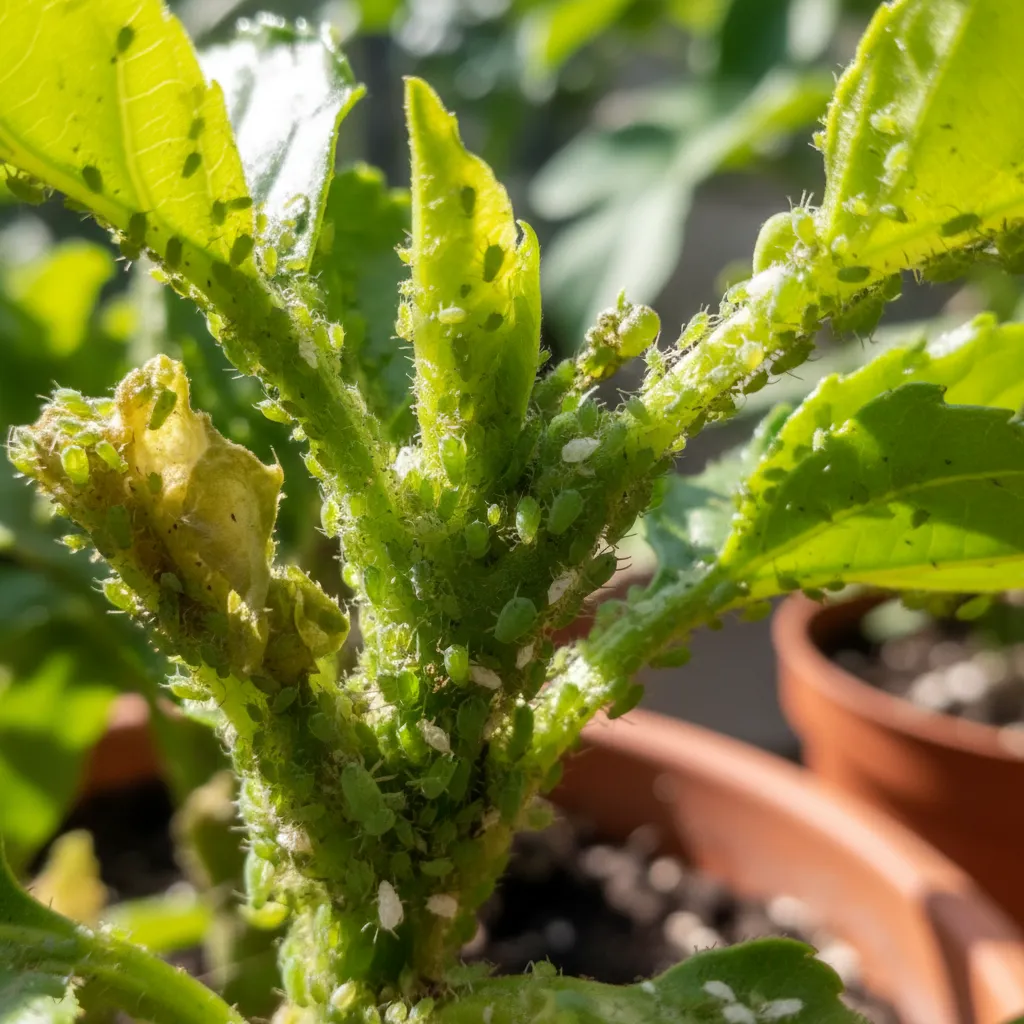
- ✓Pest and Disease Management — Generally robust, but watch for common garden pests like aphids or slugs. Good air circulation and proper drainage help prevent fungal diseases. Organic pest control methods are recommended.
- ✓Harvesting — The roots are typically harvested in autumn, usually after 2-3 years of growth, when they have reached a substantial size and their active compounds are at peak concentration. Carefully dig up the roots to avoid damage.
- ✓Post-Harvest Processing — After harvesting, the roots should be thoroughly washed to remove soil, then dried. They can be air-dried in a well-ventilated area or using low-heat dehydrators until completely dry and firm.
- ✓Winter Care — In regions with very harsh winters, a layer of mulch can provide additional protection for the overwintering roots, although the plant is generally tolerant of cold.
Reviewed by the Flora Medical Global Botanical Review Panel
Multi-disciplinary editorial group · Botany · Ethnobotany · Herbal-medicine literature
Who reviewed this: This page was checked by the Flora Medical Global Botanical Review Panel — an in-house editorial group of botany graduates, ethnobotany researchers, and horticulture practitioners who collectively maintain our 7,000+ plant encyclopedia. Meet the team.
Our 4-step verification process
1. Taxonomic verification
Scientific names and synonyms cross-checked against Kew POWO, World Flora Online, and The Plant List.
2. Phytochemical & medicinal cross-reference
Active compounds, traditional uses, and reported activities are cross-referenced with PubMed, USDA Dr. Duke's database, and peer-reviewed ethnobotanical literature.
3. Conservation & distribution check
Distribution, ecology, and conservation status confirmed against GBIF occurrence records and the IUCN Red List.
4. Editorial & safety review
Every entry passes an editorial pass for clarity, originality, and safety notices (toxicity, contraindications, dosage caveats) before publication.
Last reviewed:
Important medical disclaimer: This content is for educational and research purposes only. It is not medical advice and is not a substitute for consultation with a licensed healthcare provider. Do not use any herb to self-treat a medical condition without professional guidance.
Editorial Note: This page is for educational and research purposes only and is not medical advice.
Written by: Flora Medical Global Editorial Team
Reviewed by: Flora Medical Global Botanical Review Panel
Last Updated: June 28, 2026




Dang Shen — Comments & Community Reviews
Rate this plant
No reviews yet. Be the first!