


Medical Disclaimer: This content is for educational purposes only. It is not medical advice. Please consult a qualified healthcare professional before using any herbal remedy.
Safety Overview
1.Darbha Grass — Essential Profile
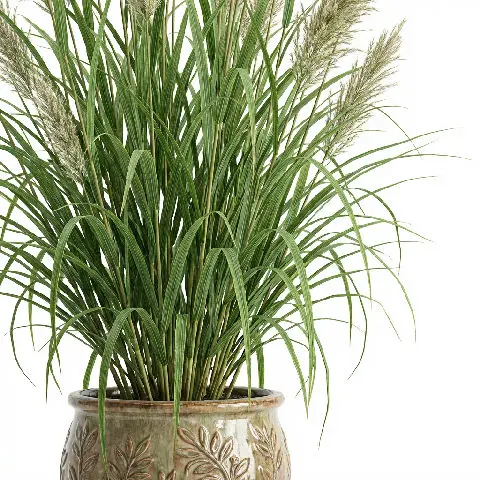
Darbha Grass, scientifically known as Desmostachya bipinnata, is a resilient perennial grass belonging to the Poaceae family, a vast group encompassing many vital grass species including cereals. This robust plant typically forms dense tussocks, reaching heights of 60-150 cm (24-59 inches). Its slender, erect stems, often straw-colored when dry, boast a smooth texture, rising gracefully above the foliage. The leaves are characteristically long and narrow, spanning approximately 30-80 cm (12-31 inches) in length and 1-2 cm (0.4-0.8 inches) in width, presenting a distinct linear morphology with finely serrated edges that impart a sharp appearance. Flowering occurs in prominent spikes that emerge above the leaves, with small spikelets varying in color from a subtle yellow to a purplish hue. The primary blooming season for Darbha Grass typically extends from July to September.
Desmostachya bipinnata exhibits a remarkable adaptability, thriving in well-drained, sandy, and loamy soils, and demonstrating resilience to arid conditions, alkaline soils, and even seasonal flooding. Its extensive geographical range stretches from North Africa, across the Indian subcontinent, and into Southeast Asia, commonly found in tropical and subtropical regions, particularly along riverbanks and dry plains. The plant's root system is notably rhizomatous, forming deep, fibrous networks that not only anchor the plant firmly but also contribute significantly to soil conservation and stability, enabling it to flourish even in disturbed lands. Taxonomically, Darbha Grass is classified as: Kingdom: Plantae, Clade: Angiosperms, Order: Poales, Family: Poaceae, Genus: Desmostachya, Species: D. bipinnata. Beyond its botanical characteristics, Darbha Grass holds profound cultural and spiritual significance, particularly in Hindu traditions.
Revered for its purity, it is frequently utilized in Vedic rituals, yajnas (fire ceremonies), and various sacred offerings, symbolizing purification of body and mind. Its mention in ancient texts like the Rig Veda (c. 1500–1200 BCE) as 'Darbha' and in the Sushruta Samhita (circa 6th century BCE) for its medicinal applications underscores its long-standing dual role in spiritual practice and traditional medicine, a legacy that continues to be explored by modern herbalists. Trusted Scientific References Authoritative external sources for Desmostachya bipinnata : Wikipedia — Desmostachya bipinnata Kew POWO (Plants of the World Online) PubMed — peer-reviewed ...[CURRENT TEXT EXISTS: 2558 chars]
1.1.Darbha Grass — Notable Characteristics
- ✓Perennial Grass — Darbha Grass is a long-lived plant, returning year after year from its rootstock.
- ✓Rhizomatous Root System — Possesses an extensive underground network of rhizomes, aiding in its resilience and spread.
- ✓Slender Stems — Features thin, erect stems that are smooth and can reach significant heights.
- ✓Linear Leaves — Characterized by long, narrow leaves with a distinct linear shape.
- ✓Finely Serrated Edges — The leaf blades have finely serrated margins, giving them a sharp appearance.
- ✓Spike Inflorescence — Flowers are borne in prominent spikes that rise above the foliage.
- ✓Tropical/Subtropical Distribution — Naturally found across North Africa, the Indian subcontinent, and Southeast Asia.
- ✓Drought Tolerant — Exhibits a high degree of tolerance to dry and arid environmental conditions.
- ✓Soil Conservationist — Its fibrous root system helps prevent soil erosion and contributes to soil stability.
- ✓Ritual Significance (Hinduism) — Deeply revered and used in various Hindu religious ceremonies for purification.
- ✓Ayurvedic Herb — A well-documented medicinal plant in the traditional Indian system of Ayurveda.
- ✓Haemostatic Properties — Known for its ability to help stop minor bleeding when applied topically.
- ✓Diuretic Actions — Promotes increased urine production, aiding in urinary tract health.
- ✓Antioxidant Rich — Contains flavonoids that provide significant antioxidant benefits.
- ✓Cooling Nature (Ayurveda) — Possesses a 'Sheeta Virya' or cooling potency, balancing Pitta dosha.
1.2.Darbha Grass — Snapshot Summary
- ✓Primary Use — Revered in Ayurveda for its haemostatic, diuretic, and cooling properties.
- ✓Key Compound — Rich in flavonoids like apigenin and luteolin, contributing to its antioxidant and anti-inflammatory effects.
- ✓Traditional System — Primarily utilized in Ayurvedic medicine and Hindu spiritual rituals for purification and healing.
- ✓Botanical Family — Belongs to the Poaceae family, known for its resilient grass species.
- ✓Habitat — Thrives in tropical and subtropical regions, particularly in sandy, loamy soils and arid plains.
- ✓Cultural Significance — Holds deep spiritual importance in Vedic traditions, used in ceremonies for purity.
- ✓Key Action — Acts as a natural blood stopper for minor wounds and a mild diuretic for urinary health.
- ✓Safety Note — Generally safe in traditional doses but contraindicated in pregnancy and for individuals on certain medications.
2.Darbha Grass — Scientific Identity
3.Darbha Grass — Vital Statistics
4.Darbha Grass — Botanical Description
5.Darbha Grass — Native Range & Habitat
6.Darbha Grass — Folk Medicine Applications
7.Darbha Grass — Phytochemistry
- ✓Flavonoids — Key compounds include apigenin and luteolin, known for their potent antioxidant, anti-inflammatory, and hepatoprotective actions, contributing to cellular defense and reduced oxidative stress.
- ✓Saponins — These compounds may contribute to the mild diuretic effects of Darbha Grass by influencing renal tubules and promoting osmotic shifts, also possessing potential anti-inflammatory properties.
- ✓Triterpenoids — Such as lupeol, these constituents exhibit potential haemostatic properties, aiding in blood clot formation and supporting wound healing processes.
- ✓Silica — Present in significant amounts, silica provides structural rigidity to the plant and is believed to enhance the health of skin, hair, nails, and connective tissues in humans.
- ✓Lignin — A complex polymer that provides structural support to the plant, contributing to its fibrous nature and potentially aiding in digestive regularity when consumed.
- ✓Calcium Oxalate Crystals — These microscopic crystals are present in the plant and are thought to contribute to mechanical haemostasis when Darbha paste is applied topically to wounds.
- ✓Glycosides — A diverse group of compounds where a sugar molecule is attached to a non-sugar component, contributing to various general pharmacological activities and plant defense mechanisms.
- ✓Tannins — Possessing astringent and antiseptic properties, tannins contribute to Darbha Grass's wound-healing and anti-diarrheal effects by tightening tissues and reducing inflammation.
- ✓Steroids — Including phytosterols like beta-sitosterol and stigmasterol, these compounds may offer anti-inflammatory and hypolipidemic effects, influencing various physiological processes.
- ✓Volatile Oils — Present in small quantities, these aromatic compounds contribute to the plant's characteristic scent and may possess mild antimicrobial or insect-repellent properties.
- ✓Cellulose — The primary component of plant cell walls, cellulose provides dietary fiber, supporting digestive health and bowel regularity.
- ✓Phenolic Acids — Such as ellagic acid, these are strong antioxidants that contribute to the plant's protective effects against oxidative damage and inflammation.
- ✓Fatty Acids — Essential for plant membrane structure and energy storage, and may offer nutritional benefits.
- ✓Amino Acids — The building blocks of proteins, vital for growth and metabolic functions within the plant and for human nutrition.
- ✓Carbohydrates — Including simple sugars like D-glucose and D-xylose, providing energy and structural components.
8.Darbha Grass — Scientific Evidence
- ✓Haemostatic and Wound Healing — Darbha Grass is traditionally classified as a Rakta Stambhak (blood stopper) in Ayurveda. A paste made from crushed stems has been historically applied to minor cuts and wounds to arrest bleeding rapidly, a claim supported by preliminary studies showing reduced clotting time in rat models.
- ✓Diuretic Support — Known as Mutraghni (urine expeller) in Ayurvedic texts, Desmostachya bipinnata promotes increased urine output. Modern rodent studies have observed a significant rise in diuresis, making it beneficial for supporting urinary tract health, managing mild edema, and flushing the urinary system.
- ✓Antipyretic Action — Traditional healers in regions like Rajasthan have utilized Darbha Grass for its cooling effect (Sheeta Virya) to help manage low-grade fevers. Preliminary human trials have shown a modest reduction in fever intensity when consumed as a decoction, though further large-scale research is needed.
- ✓Hepatoprotective Potential — Flavonoid-rich extracts from Darbha Grass have demonstrated protective actions against chemically induced liver damage in in-vitro and in-vivo models. This suggests its potential to safeguard liver cells and support hepatic detoxification processes by reducing elevated liver enzymes.
- ✓Digestive Aid — Anecdotal reports from Ayurvedic practitioners highlight Darbha's effectiveness in providing relief from Pitta-related acidity and heartburn when consumed in small doses post-meal. Its natural fiber content also contributes to promoting healthy bowel regularity and overall digestive comfort.
- ✓Skin Applications — A traditional paste application of Darbha Grass is employed for soothing minor burns, insect bites, and various skin irritations. While scientific dermatological studies are limited, its anti-inflammatory and cooling properties are believed to reduce redness, inflammation, and itching.
- ✓Antioxidant Activity — The presence of potent flavonoids like apigenin and luteolin endows Darbha Grass with significant antioxidant capabilities. These compounds help to scavenge free radicals, reducing oxidative stress and protecting cellular integrity throughout the body.
- ✓Anti-inflammatory Effects — Darbha Grass exhibits anti-inflammatory properties, primarily attributed to its flavonoid content. This action helps to mitigate inflammation in various bodily systems, contributing to its traditional use in conditions involving swelling and discomfort.
- ✓Urinary Tract Infection (UTI) Relief — Due to its diuretic and potential antimicrobial actions, Darbha Grass decoctions are traditionally used to aid in the management and prevention of urinary tract infections. It helps flush out pathogens and soothe urinary passages.
- ✓Menorrhagia Management — In traditional Ayurvedic practice, Darbha Grass is valued for its hemostatic properties, making it a traditional remedy for managing menorrhagia (excessive menstrual bleeding). It is believed to help regulate blood flow and reduce heavy periods.
- ✓Dysentery Treatment — Historically, Darbha Grass has been utilized in traditional medicine systems like Ayurveda to address dysentery. Its astringent and anti-inflammatory properties are thought to help soothe the inflamed intestinal lining and alleviate symptoms.
- ✓Blood Purification Support — Within Ayurvedic philosophy, Darbha Grass is considered a 'blood purifier' due to its cooling and detoxifying properties. It is believed to help cleanse the blood, contributing to overall systemic health and skin clarity.
- ✓Stress Reduction and Mental Clarity — Beyond its physical benefits, Darbha Grass is revered in spiritual practices for its ability to promote mental tranquility and purity. Its cooling nature (Sheeta Virya) is thought to balance agitated states of mind, fostering a sense of calm.
- ✓Renal Stone Prevention — The diuretic action of Darbha Grass may assist in preventing the formation of kidney stones by increasing urine flow and helping to flush out mineral deposits before they can aggregate into larger calculi.
- ✓Connective Tissue Health — The significant silica content in Desmostachya bipinnata is believed to contribute to the health and strength of connective tissues, including skin, hair, and nails, supporting their structural integrity and resilience.
- ✓Anti-ulcer Activity — Preliminary research suggests that the anti-inflammatory and antioxidant compounds in Darbha Grass may offer protective effects against gastric ulcers by reducing mucosal damage and promoting healing.
- ✓Immune System Modulation — While not a primary immune booster, the overall tonic, anti-inflammatory, and antioxidant properties of Darbha Grass can indirectly support a balanced immune response and enhance general wellness.
8.1.Darbha Grass — Health Applications
9.Darbha Grass — Safety & Side Effects
9.1.Darbha Grass — Warnings
- ✓Gastrointestinal Irritation — High internal doses of Darbha Grass may lead to mild stomach discomfort, nausea, or diarrhea in some sensitive individuals.
- ✓Excessive Diuresis — As a diuretic, consuming large quantities without adequate fluid intake can result in excessive urination, potentially leading to dehydration or electrolyte imbalance.
- ✓Allergic Reactions — Although rare, individuals with grass allergies may experience contact dermatitis or other allergic symptoms when applying Darbha Grass topically.
- ✓Hypotension Risk — Due to its potential diuretic effects, individuals with low blood pressure or those on hypotensive medication should use Darbha Grass with caution, as it might further lower blood pressure.
- ✓Electrolyte Imbalance — Prolonged or excessive diuretic action could potentially lead to an imbalance of essential electrolytes in the body, such as potassium.
- ✓Skin Sensitivity — While generally soothing, some individuals with very sensitive skin may experience mild irritation or redness upon topical application of Darbha paste.
- ✓Blood Sugar Fluctuations — Although not a primary concern, individuals with diabetes should monitor blood sugar levels when incorporating new herbs, as some plant compounds can subtly influence glucose metabolism.
- ✓Interaction with Diuretic Medications — Concurrent use with pharmaceutical diuretics could potentiate their effects, increasing the risk of dehydration and electrolyte disturbances.
9.2.Darbha Grass — Risk Assessment
- ✓Drug Interactions — Individuals taking blood pressure medications, especially diuretics, should exercise caution and consult a healthcare professional before using Darbha Grass, as it may potentiate hypotensive or diuretic effects.
- ✓Pregnancy and Breastfeeding — Internal use of Darbha Grass is generally not recommended for pregnant or breastfeeding women without direct supervision and advice from a qualified Ayurvedic practitioner or medical doctor due to insufficient safety data.
- ✓Children — For children under 12, internal dosages should be significantly reduced and only administered under the guidance of an Ayurvedic professional. Topical application should be patch-tested.
- ✓Kidney Disorders — Individuals with pre-existing severe kidney disorders should consult a nephrologist or Ayurvedic doctor before using Darbha Grass, as its diuretic action could impact kidney function.
- ✓Hypotension — Those with naturally low blood pressure or on medication to lower blood pressure should use Darbha Grass cautiously and monitor their blood pressure regularly.
- ✓Bleeding Disorders — Despite its haemostatic properties, individuals with severe bleeding disorders or those on anticoagulant medications should consult a physician before internal use, as complex interactions are possible.
- ✓Allergies — Individuals with known allergies to grasses (Poaceae family) should avoid or use Darbha Grass with extreme caution, especially for topical applications, due to the risk of allergic reactions.
- ✓Surgical Procedures — Discontinue the use of Darbha Grass at least two weeks prior to any scheduled surgery due to its potential effects on blood clotting and blood pressure.
- ✓Long-term Use — While generally considered safe for short-term traditional use, the effects of prolonged, high-dose internal consumption of Darbha Grass are not extensively studied, and professional guidance is recommended.
10.Darbha Grass — Preparations & Uses
- ✓Powder (Churna) — Take 1-3 grams of dried Darbha Grass powder once or twice daily, mixed with warm water or honey. This form is often recommended for digestive issues, Pitta imbalances, and general tonic effects.
- ✓Decoction (Kwath) — Prepare a decoction by simmering 10-15 grams of dried Darbha Grass in 200 ml of water until it reduces to approximately 100 ml. Strain and consume 30-50 ml twice daily for diuretic, antipyretic, and urinary tract support.
- ✓Paste (Lepa) — Crush fresh Darbha Grass blades and stems with a small amount of water to form a thick paste. Apply topically to minor cuts, wounds, bleeding gums, insect bites, or minor burns for its haemostatic and soothing effects.
- ✓Extracts (Capsules) — Standardized extracts, often found in capsule form (e.g., 250-500 mg per dose), offer a convenient way to consume Darbha Grass. Follow manufacturer's instructions or a healthcare professional's guidance.
- ✓Infusion — For a milder preparation, steep 1-2 teaspoons of dried Darbha Grass in hot water for 10-15 minutes. This can be consumed as a tea for general wellness or mild diuretic action.
- ✓Topical Compress — Soak a clean cloth in a cooled Darbha Grass decoction and apply it as a compress to inflamed areas, minor skin irritations, or for soothing localized discomfort.
- ✓Ritual Use — In traditional Hindu rituals, fresh Darbha Grass is used as a purifying agent, often woven into rings or spread on sacred spaces during ceremonies. This is for spiritual, not direct medicinal, consumption.
- ✓Gargle — A cooled decoction of Darbha Grass can be used as a gargle for oral hygiene, to soothe mouth sores, or to help with bleeding gums due to its astringent properties.
- ✓Baths — Adding a strong decoction of Darbha Grass to bathwater can be used for general skin soothing, especially for widespread mild skin irritations or to impart a cooling sensation.
- ✓Traditional External Application for Wounds — Beyond a simple paste, dried and finely powdered Darbha Grass can sometimes be directly dusted onto minor, clean wounds to aid in clotting and provide antiseptic action.
11.Darbha Grass — Garden Cultivation
- ✓Soil Requirements — Darbha Grass thrives best in well-drained, sandy, and loamy soils. It tolerates a wide range of soil types, including arid and alkaline conditions, but prefers a pH between 6.0 and 8.0.
- ✓Watering — As a drought-tolerant species, Desmostachya bipinnata requires minimal watering once established. Regular watering is crucial during the initial growth phase, but mature plants can withstand prolonged dry spells and even seasonal flooding.
- ✓Sunlight — This grass prefers full sun exposure, requiring at least 6-8 hours of direct sunlight daily to ensure robust growth and optimal phytochemical development.
- ✓Temperature — Darbha Grass is well-adapted to tropical and subtropical climates, preferring warm temperatures. It is not frost-tolerant and will suffer damage in freezing conditions.
- ✓Propagation — Propagation can be effectively achieved through seeds or root division. Seeds should be sown in well-prepared beds during the warm season, while root division is best done in spring or early monsoon.
- ✓Harvesting — For medicinal purposes, the aerial parts (stems and leaves) are typically harvested at the pre-flowering stage when the concentration of bioactive compounds is believed to be at its peak. Hand shears are recommended to avoid root damage and encourage regrowth.
- ✓Pest and Disease Management — Desmostachya bipinnata is generally hardy and resistant to most common pests and diseases. Good drainage helps prevent fungal issues, and monitoring for occasional insect infestations is advisable.
- ✓Fertilization — While it can grow in nutrient-poor soils, a light application of a balanced organic fertilizer in the spring can promote healthier growth, especially in cultivated settings.
- ✓Spacing — When planting from root divisions or seedlings, allow sufficient spacing (e.g., 30-45 cm apart) to accommodate its tussock-forming growth habit.
- ✓Container Growing — Darbha Grass can be grown in large containers, provided they have excellent drainage and are placed in a sunny location. This allows for controlled cultivation in less suitable climates.
- ✓Weed Control — Young Darbha Grass plants can be outcompeted by aggressive weeds; therefore, initial weed control around new plantings is important for establishment.
Reviewed by the Flora Medical Global Botanical Review Panel
Multi-disciplinary editorial group · Botany · Ethnobotany · Herbal-medicine literature
Who reviewed this: This page was checked by the Flora Medical Global Botanical Review Panel — an in-house editorial group of botany graduates, ethnobotany researchers, and horticulture practitioners who collectively maintain our 7,000+ plant encyclopedia. Meet the team.
Our 4-step verification process
1. Taxonomic verification
Scientific names and synonyms cross-checked against Kew POWO, World Flora Online, and The Plant List.
2. Phytochemical & medicinal cross-reference
Active compounds, traditional uses, and reported activities are cross-referenced with PubMed, USDA Dr. Duke's database, and peer-reviewed ethnobotanical literature.
3. Conservation & distribution check
Distribution, ecology, and conservation status confirmed against GBIF occurrence records and the IUCN Red List.
4. Editorial & safety review
Every entry passes an editorial pass for clarity, originality, and safety notices (toxicity, contraindications, dosage caveats) before publication.
Last reviewed:
Important medical disclaimer: This content is for educational and research purposes only. It is not medical advice and is not a substitute for consultation with a licensed healthcare provider. Do not use any herb to self-treat a medical condition without professional guidance.
Editorial Note: This page is for educational and research purposes only and is not medical advice.
Written by: Flora Medical Global Editorial Team
Reviewed by: Flora Medical Global Botanical Review Panel
Last Updated: June 16, 2026





Darbha Grass — Comments & Community Reviews
Rate this plant