


Medical Disclaimer: This content is for educational purposes only. It is not medical advice. Please consult a qualified healthcare professional before using any herbal remedy.
Safety Overview
1.Davidson Plum — At a Glance

The Davidson Plum, scientifically known as Davidsonia pruriens, is a captivating small to medium-sized tree or robust shrub endemic to the lush subtropical rainforests of north-eastern Queensland, Australia, from Cardwell to Cooktown. While typically reaching heights of 6 to 10 meters, mature wild specimens can occasionally surpass this range. A distinguishing botanical feature of Davidsonia pruriens, shared with its close relatives Davidsonia jerseyana and Davidsonia johnsonii (found in south-eastern Queensland and north-eastern New South Wales), is its cauliflorous nature. This means its delicate, small flowers and subsequent fruits emerge directly from the main trunk or thick branches, rather than from more slender twigs, presenting a truly unique spectacle. The flowers, appearing mainly from September to December, are usually white to pale yellow, lacking true petals but featuring conspicuous pink sepals and striking stamens, exuding a sweet fragrance that attracts various pollinators.
Its leaves are simple, elliptical, and can measure between 6 to 12 centimeters in length. They boast a smooth, glossy green surface that transitions into a rich maroon hue as autumn progresses, adding to the tree's ornamental value. The bark of the Davidson Plum is dark brown or gray, characterized by a rough texture that develops prominent fissures as the tree ages. Davidsonia pruriens thrives in environments with well-drained, moist soils, high humidity, and partial shade, mirroring its native rainforest conditions. Taxonomically, Davidsonia pruriens belongs to the Cunoniaceae family, a diverse group that also includes the well-known Sydney Christmas Bush (Ceratopetalum gummiferum) and Coachwood (Ceratopetalum apetalum).
This family is recognized for its species' distinctive fruit morphologies, often featuring fleshy, edible drupes. The fruit itself, typically 2 to 4 cm in diameter (though some varieties can reach 12 cm), is a dark purple to almost black drupe when ripe, often covered in a protective blue-grey bloom. Beneath the thin, leathery skin lies a vibrant, ruby-red flesh that is soft, juicy, and contains 1 to 2 elongated seeds that cling tightly. Known for its intensely tart, sour, and astringent flavor, the Davidson Plum fruit has a low sugar content and high acidity, making it generally unpalatable raw for most.
Trusted Scientific References
Authoritative external sources for Davidsonia Pruriens:
1.1.Davidson Plum — Notable Characteristics
- ✓Cauliflorous Fruiting — Flowers and fruits directly emerge from the tree's trunk or thick branches, a distinctive botanical trait.
- ✓High Anthocyanin Content — Exceptionally rich in deep purple pigments, potent antioxidants beneficial for health.
- ✓Endemic to Australian Rainforests — Naturally found in specific subtropical regions of Queensland and NSW.
- ✓Intense Tart Flavor — Characterized by a strong sour and astringent taste, necessitating cooking or sweetening for palatability.
- ✓Nutrient — Dense Fruit — Packed with Vitamin C, Vitamin E, calcium, magnesium, potassium, zinc, lutein, and folate.
- ✓Ornamental Value — Glossy green leaves turn maroon in autumn, adding aesthetic appeal to landscapes.
- ✓Traditional Bush Tucker — Historically a significant food source and medicinal plant for Indigenous Australians.
- ✓Cunoniaceae Family Member — Part of a diverse plant family related to Sydney Christmas Bush.
- ✓Frost Sensitive — Requires warm, humid climates and protection from cold temperatures.
- ✓Well — Drained Soil Preference — Thrives in moist, fertile, and well-drained acidic to neutral soils.
- ✓Culinary Versatility (Cooked) — Excellent for jams, sauces, juices, and baked goods when sweetened.
- ✓Immune Boosting — High vitamin C content supports a robust immune system.
- ✓Eye Health Support — Contains lutein, a crucial carotenoid for maintaining healthy vision.
- ✓Anti — inflammatory Properties — Bioactive compounds contribute to reducing inflammation.
1.2.Davidson Plum — Concise Overview
- ✓Primary Use — Renowned for its exceptional antioxidant content, particularly anthocyanins, offering comprehensive cellular protection.
- ✓Key Compound — Rich in anthocyanins, vitamin C, lutein, calcium, magnesium, and potassium, contributing to its diverse health benefits.
- ✓Traditional System — Valued as 'Bush Tucker' by Indigenous Australians for millennia, used for general wellness and nutritional sustenance.
- ✓Flavor Profile — Intensely tart and sour, making it primarily suited for cooked culinary applications with added sweeteners.
- ✓Habitat — Native to the subtropical rainforests of north-eastern Queensland, Australia, thriving in humid, partially shaded conditions.
- ✓Unique Feature — Displays cauliflory, where flowers and fruits grow directly on the trunk and thick branches.
- ✓Health Benefits — Supports immune function, cardiovascular health, vision, digestion, and offers anti-inflammatory effects.
- ✓Safety Note — High acidity may cause gastric upset; caution advised for pregnant women and those with gastrointestinal sensitivities.
2.Davidson Plum — Scientific Identity
3.Davidson Plum — Categories & Tags
4.Davidson Plum — Physical Description
5.Davidson Plum — Heritage Uses
6.Davidson Plum — Key Phytochemicals
- ✓Anthocyanins — Delphinidin-3-O-glucoside, Cyanidin-3-O-glucoside, Malvidin-3-O-glucoside, Petunidin-3-O-glucoside. These water-soluble pigments are responsible for the fruit's vibrant red-purple color and exhibit potent antioxidant, anti-inflammatory, and cardioprotective activities.
- ✓Phenolic Acids — Gallic acid, Ellagic acid, Caffeic acid, Chlorogenic acid. These compounds contribute significantly to the plant's antioxidant capacity and have shown anti-inflammatory, antimicrobial, and potential anti-cancer properties.
- ✓Flavonoids — Quercetin, Kaempferol, Myricetin. These widely distributed plant pigments possess strong antioxidant, anti-inflammatory, and immune-modulating effects, supporting overall cellular health.
- ✓Carotenoids — Lutein, Zeaxanthin. Lutein is particularly abundant, crucial for eye health, filtering harmful blue light, and protecting against macular degeneration. Zeaxanthin also supports retinal health.
- ✓Vitamins — Ascorbic acid (Vitamin C), Tocopherols (Vitamin E), Folate (Vitamin B9). Vitamin C is a powerful antioxidant and immune booster; Vitamin E provides lipid protection; Folate is essential for cell division and DNA synthesis.
- ✓Minerals — Potassium (K), Calcium (Ca), Magnesium (Mg), Zinc (Zn), Iron (Fe), Copper (Cu). These essential micronutrients are vital for numerous physiological functions, including bone health, nerve function, muscle contraction, and enzymatic activities.
- ✓Organic Acids — Citric acid, Malic acid, Tartaric acid. These acids contribute to the fruit's characteristic tart flavor and play roles in metabolism, nutrient absorption, and have mild astringent properties.
- ✓Terpenoids — Monoterpenes, Sesquiterpenes. While not as dominant as in some other plants, these compounds contribute to the plant's aroma and may possess anti-inflammatory and antimicrobial activities.
- ✓Fatty Acids — Linoleic acid, Oleic acid. Present in the seeds, these essential fatty acids are important for cellular structure, hormone production, and skin health.
- ✓Polysaccharides — Pectin, Dietary Fiber. These complex carbohydrates contribute to digestive health, regulate blood sugar, and provide prebiotic benefits, supporting gut microbiota.
- ✓Phytosterols — Beta-sitosterol. These plant sterols are known for their potential to lower cholesterol levels and exhibit anti-inflammatory effects.
7.Davidson Plum — Pharmacological Findings
- ✓Potent Antioxidant Protection — Davidson Plum is exceptionally rich in anthocyanins, particularly in its dark skin and flesh, which are powerful antioxidants. These compounds help neutralize harmful free radicals in the body, protecting cells from oxidative stress and reducing the risk of chronic diseases.
- ✓Robust Immune System Support — Abundant in vitamin C, Davidson Plum significantly contributes to immune function. Vitamin C is crucial for the production and function of white blood cells, enhancing the body's defense mechanisms against infections and illnesses.
- ✓Anti-inflammatory Actions — The high concentration of anthocyanins and other phenolic compounds in Davidson Plum exhibits notable anti-inflammatory properties. These phytochemicals can modulate inflammatory pathways, potentially alleviating symptoms associated with inflammatory conditions.
- ✓Cardiovascular Health Enhancement — Anthocyanins are known to support heart health by improving blood vessel function, reducing blood pressure, and lowering levels of 'bad' LDL cholesterol. Regular consumption of Davidson Plum may contribute to a healthier cardiovascular system.
- ✓Digestive System Regulation — The fruit's natural acidity and fiber content can aid in healthy digestion. It may stimulate digestive enzymes and promote regular bowel movements, contributing to overall gut wellness and preventing constipation.
- ✓Vision and Eye Health Maintenance — Davidson Plum contains lutein, a vital carotenoid known for its role in eye health. Lutein accumulates in the retina, helping to filter harmful blue light and protect against age-related macular degeneration and cataracts.
- ✓Bone Density and Strength — Rich in essential minerals such as calcium and magnesium, Davidson Plum supports bone health. These minerals are fundamental for maintaining bone density, strength, and preventing conditions like osteoporosis.
- ✓Electrolyte Balance and Hydration — The presence of potassium in Davidson Plum is crucial for maintaining proper fluid balance within the body and supporting nerve and muscle function. This contributes to overall cellular hydration and electrolyte equilibrium.
- ✓Skin Health and Anti-aging — The combined action of antioxidants (Vitamin C, E, anthocyanins) helps protect skin cells from environmental damage and promotes collagen production. This can lead to improved skin elasticity, reduced signs of aging, and a healthier complexion.
- ✓Metabolic Regulation Assistance — Preliminary research suggests that the bioactive compounds may play a role in glucose metabolism, potentially assisting in blood sugar regulation. This makes Davidson Plum a subject of interest for metabolic health support.
- ✓Natural Antimicrobial Properties — Anthocyanins and other phytochemicals present in Davidson Plum have demonstrated mild antimicrobial effects. This traditional application suggests potential for fighting certain bacterial or fungal pathogens.
- ✓Energy and Vitality Boost — The array of vitamins and minerals, including zinc and B-vitamins (like folate), contributes to cellular energy production and overall vitality. Consuming Davidson Plum can help combat fatigue and enhance general well-being.
- ✓Detoxification Support — The antioxidant properties assist the body's natural detoxification processes by neutralizing toxins and supporting liver function. This helps cleanse the body at a cellular level.
- ✓Oral Health Benefits — The antimicrobial and anti-inflammatory compounds may contribute to improved oral hygiene by reducing bacterial growth and soothing gum inflammation, a traditional application in some native practices.
- ✓Cognitive Function Support — Antioxidants protect brain cells from oxidative damage, which is linked to cognitive decline. The neuroprotective effects of anthocyanins may support memory and overall brain health.
- ✓Mood and Stress Management — While not a direct anxiolytic, the comprehensive nutrient profile, including magnesium and B vitamins, supports nervous system health and can indirectly contribute to better mood regulation and stress resilience.
7.1.Davidson Plum — Therapeutic Indications
8.Davidson Plum — Cautions & Contraindications
8.1.Davidson Plum — Reported Side Effects
- ✓Gastric Upset — The high acidity of Davidson Plum can cause stomach irritation, heartburn, or acid reflux in sensitive individuals, especially when consumed in large quantities or on an empty stomach.
- ✓Dental Erosion — Frequent consumption of highly acidic fruits like Davidson Plum may contribute to dental enamel erosion over time.
- ✓Allergic Reactions — Although rare, individuals may experience allergic reactions, including skin rashes, itching, or digestive discomfort.
- ✓Laxative Effect — Due to its fiber content and organic acids, excessive consumption might have a mild laxative effect in some individuals.
- ✓Mouth and Throat Irritation — The astringent nature of the raw fruit can cause a puckering sensation or mild irritation in the mouth and throat.
- ✓Blood Sugar Fluctuations — While beneficial for metabolic health, individuals with diabetes should monitor blood sugar levels, especially if consuming sweetened products made with Davidson Plum, due to added sugars.
8.2.Davidson Plum — Clinical Safety Notes
- ✓Pregnancy and Lactation — Due to insufficient research on its effects during pregnancy and breastfeeding, it is advisable for pregnant and lactating women to avoid medicinal doses of Davidson Plum.
- ✓Gastrointestinal Sensitivity — Individuals with pre-existing conditions like GERD, ulcers, or irritable bowel syndrome (IBS) should exercise caution due to the fruit's high acidity, which may exacerbate symptoms.
- ✓Drug Interactions — While specific interactions are not well-documented, the high antioxidant content could theoretically interact with anticoagulant medications. Consult a healthcare provider if on prescription medications.
- ✓Dental Health Concern — Regular or high consumption of Davidson Plum, especially in unsweetened forms, may contribute to dental enamel erosion. Rinsing the mouth with water after consumption is recommended.
- ✓Children — Due to its intense tartness and lack of specific pediatric safety data, Davidson Plum should be given to children in moderation and preferably in cooked, sweetened forms.
- ✓Dosage — Adhere to recommended dosages for powdered supplements or extracts. For culinary use, moderation is key, especially for those sensitive to acidic foods.
- ✓Allergic Predisposition — Individuals with known allergies to other fruits in the Cunoniaceae family or general fruit allergies should approach Davidson Plum with caution.
- ✓Kidney Conditions — Due to its potassium content, individuals with severe kidney disease should consult a doctor before consuming large amounts of Davidson Plum.
9.Davidson Plum — Preparation Methods
- ✓Culinary Preparation (Cooked) — Due to its intense tartness, Davidson Plum is rarely eaten raw. It is best used in cooked applications with added sweeteners to balance its acidity. Common uses include jams, jellies, sauces, and chutneys.
- ✓Juices and Syrups — The fruit can be pressed to extract its vibrant, ruby-red juice, which can then be sweetened and used in beverages, cordials, or as a base for gourmet syrups.
- ✓Baked Goods — Incorporate Davidson Plum puree or chopped fruit into cakes, muffins, pies, tarts, and biscuits. Its unique flavor pairs well with spices like cinnamon and vanilla, and its acidity can act as a natural leavening agent.
- ✓Savory Sauces and Marinades — The tartness of Davidson Plum makes it an excellent ingredient for savory applications, such as marinades for meats (beef, poultry, kangaroo) or as a vibrant sauce to accompany roasted dishes.
- ✓Fermented Products (Wine/Liqueurs) — Its high sugar content after sweetening, combined with its unique flavor, makes it suitable for producing artisanal wines, liqueurs, and vinegars.
- ✓Powdered Supplement — Commercially available in powdered form, Davidson Plum can be mixed into smoothies, yogurts, chia puddings, or used as a nutritional booster in various recipes. Recommended dosage varies, often 1-2 teaspoons daily.
- ✓Herbal Infusion/Tea — While not a traditional tea herb, a small amount of dried Davidson Plum, especially the skin, can be steeped in hot water to create a tart, antioxidant-rich infusion. Use 1 teaspoon per cup, steep for 5-10 minutes.
- ✓Topical Application (Extracts) — Due to its anti-inflammatory and antioxidant properties, extracts from Davidson Plum might be incorporated into skincare products for soothing irritated skin or providing anti-aging benefits. Apply as directed by product formulation.
- ✓Pickling — The tart fruit can be pickled, similar to other acidic fruits or vegetables, to create a unique condiment that complements various dishes.
- ✓Frozen or Pureed — For extended use, fresh Davidson Plums can be frozen whole or pureed and frozen into ice cubes or blocks, retaining their nutritional value and flavor for later culinary applications.
10.Davidson Plum — Garden Cultivation
- ✓Climate Requirements — Davidson Plum thrives in tropical to subtropical climates, ideally with high humidity and consistent warmth. It is sensitive to frost, so protection is essential in cooler zones.
- ✓Sunlight Exposure — Prefers partial shade, especially during the hottest parts of the day, mimicking its understory rainforest origins. While it can tolerate full sun, growth may be slower and require more frequent watering.
- ✓Soil Requirements — Requires well-drained, fertile, and moist soil with a slightly acidic to neutral pH (5.5-7.0). Enriching the soil with compost or well-rotted organic matter is highly beneficial.
- ✓Watering — Needs consistent moisture, particularly during dry spells and fruit development. Regular deep watering is preferred over frequent shallow watering. Avoid waterlogging, which can lead to root rot.
- ✓Propagation — Can be propagated from fresh seeds, which benefit from scarification or stratification to improve germination rates. Cuttings can also be used, though success rates may vary.
- ✓Fertilization — Benefits from regular feeding with a balanced organic fertilizer, especially during active growth phases and flowering/fruiting. A slow-release granular fertilizer or liquid feed can be applied.
- ✓Pruning — Light pruning can be done to maintain shape and encourage bushier growth. Remove any dead or diseased branches to promote overall plant health.
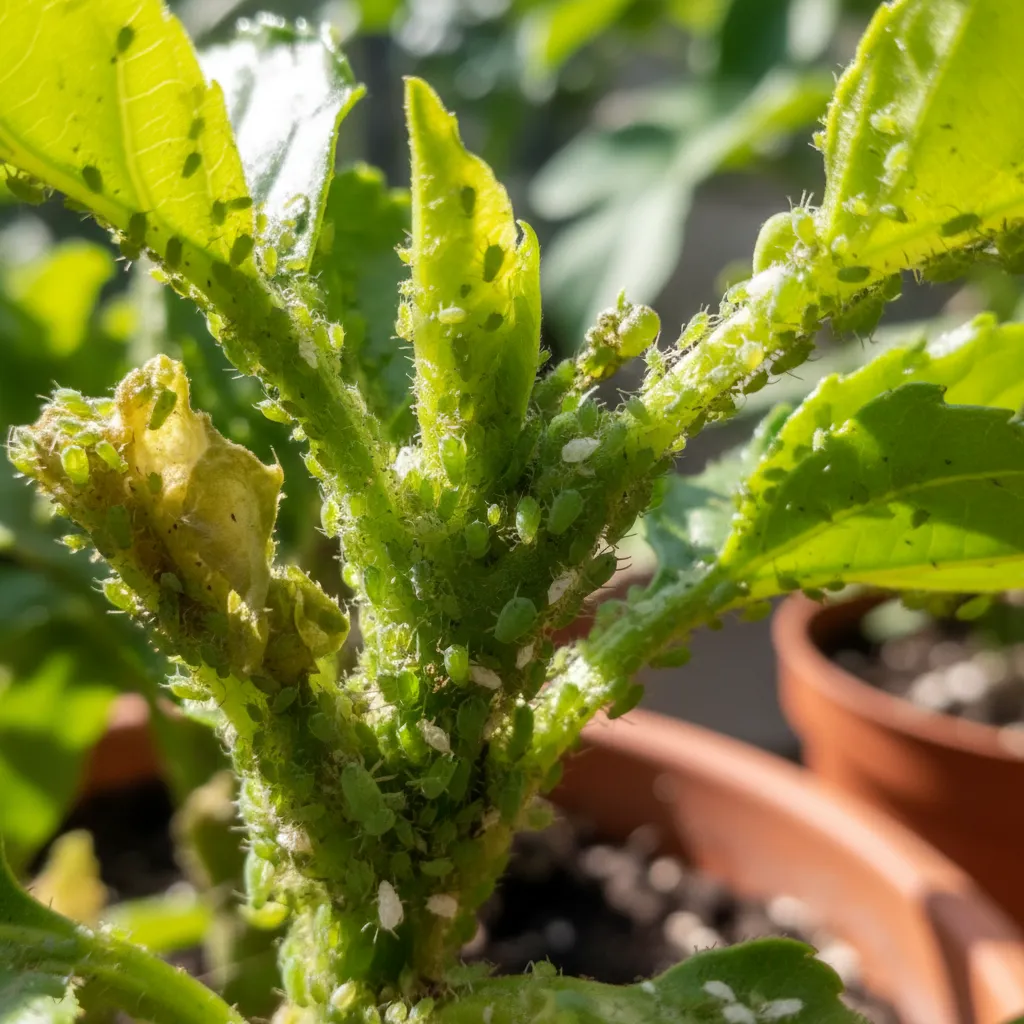
- ✓Pests and Diseases — Generally robust, but watch for common garden pests like aphids or scale insects. Good air circulation and proper watering can prevent fungal issues.
- ✓Container Growing — Younger plants can be grown in large pots with good drainage, allowing them to be moved indoors during colder periods. Ensure the container size is adequate for root development.
- ✓Harvesting — Fruits are typically ready for harvest from December to January (Southern Hemisphere summer) when they turn dark purple to black. They often fall from the tree when ripe, making collection easy.
Reviewed by the Flora Medical Global Botanical Review Panel
Multi-disciplinary editorial group · Botany · Ethnobotany · Herbal-medicine literature
Who reviewed this: This page was checked by the Flora Medical Global Botanical Review Panel — an in-house editorial group of botany graduates, ethnobotany researchers, and horticulture practitioners who collectively maintain our 7,000+ plant encyclopedia. Meet the team.
Our 4-step verification process
1. Taxonomic verification
Scientific names and synonyms cross-checked against Kew POWO, World Flora Online, and The Plant List.
2. Phytochemical & medicinal cross-reference
Active compounds, traditional uses, and reported activities are cross-referenced with PubMed, USDA Dr. Duke's database, and peer-reviewed ethnobotanical literature.
3. Conservation & distribution check
Distribution, ecology, and conservation status confirmed against GBIF occurrence records and the IUCN Red List.
4. Editorial & safety review
Every entry passes an editorial pass for clarity, originality, and safety notices (toxicity, contraindications, dosage caveats) before publication.
Last reviewed:
Important medical disclaimer: This content is for educational and research purposes only. It is not medical advice and is not a substitute for consultation with a licensed healthcare provider. Do not use any herb to self-treat a medical condition without professional guidance.
Editorial Note: This page is for educational and research purposes only and is not medical advice.
Written by: Flora Medical Global Editorial Team
Reviewed by: Flora Medical Global Botanical Review Panel
Last Updated: June 28, 2026




Davidson Plum — Comments & Community Reviews
Rate this plant
No reviews yet. Be the first!