
Medical Disclaimer: This content is for educational purposes only. It is not medical advice. Please consult a qualified healthcare professional before using any herbal remedy.
Safety Overview
1.Desert Date — Overview
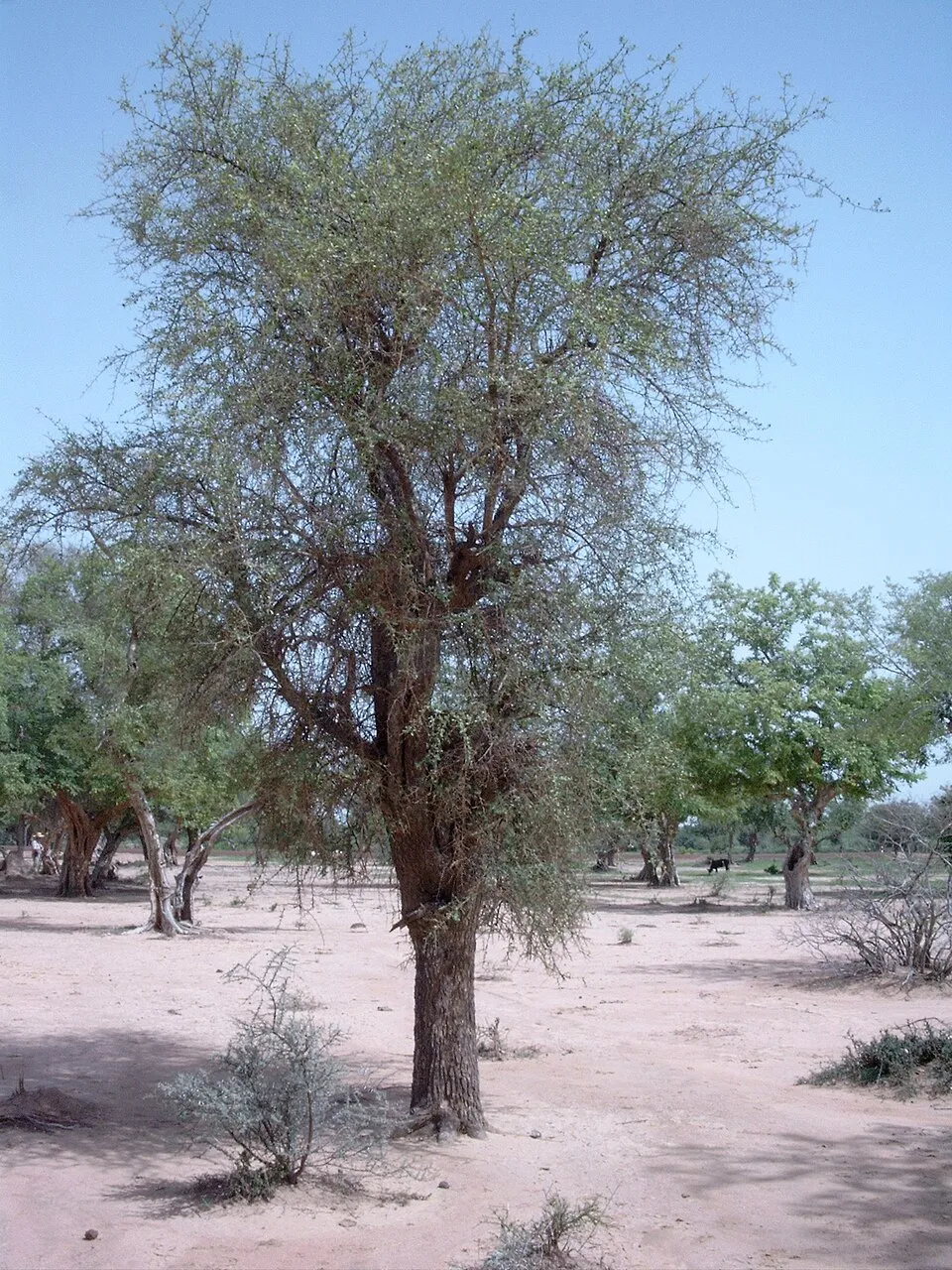
Balanites aegyptiaca, widely recognized as the Desert Date, and known by various regional names such as Egyptian Balsam and Thorn Tree, is a robust, thorny, evergreen tree belonging to the Zygophyllaceae family. This resilient species thrives in the arid and semi-arid regions spanning Africa, the Middle East, and parts of South Asia, demonstrating a remarkable capacity to survive in harsh climatic conditions. Typically reaching heights of 3 to 10 meters, the Desert Date is characterized by its distinctive long, rigid, green thorns, which can extend up to 8 cm on its branches. Its bark is notably fissured and dark grey, presenting a rugged appearance.
The leaves are bifoliate, meaning they consist of two leaflets. Small, fragrant, greenish-yellow flowers emerge in axillary clusters, often appearing with or just before the leaves. The fruit, an oblong drupe, transitions from green to a ripe yellow or reddish-brown, strongly resembling a small, elongated date. Inside this fruit lies a single, hard seed encased in a fibrous, sticky pulp.
The deep historical significance of Balanites aegyptiaca is evident from its presence in ancient Egyptian pharmacopoeia, with archaeological findings in pharaonic tombs dating back millennia. Every part of the plant—including its roots, bark, leaves, flowers, fruit pulp, and seed oil—has been traditionally utilized for a diverse array of medicinal, nutritional, and industrial applications. Contemporary pharmacological research continues to unveil the scientific basis of these long-held traditional claims, pinpointing a rich spectrum of bioactive compounds, predominantly steroidal saponins, flavonoids, and phytosterols, that contribute to the Desert Date's therapeutic value.
Trusted Scientific References
1. Authoritative external sources for Balanites aegyptiaca
1.1 Wikipedia — Balanites aegyptiaca
1.2 Kew POWO (Plants of the World Online)
1.3 PubMed — peer-reviewed research
1.4 NCBI Taxonomy Browser
1.5 GBIF — Global Biodiversity
1.6Desert Date should be interpreted through verified botanical identity, practical care, and responsible safety language. This recovery note adds the missing context needed for a complete profile: match light to the plant's habit, use well-drained soil, water according to season, and avoid unsupported medicinal or edible claims. For publishing, the plant can be presented as a source-backed medicinal plant with clear care guidance, common problem diagnosis, and conservative safety wording.
1.1.Desert Date — Standout Qualities
- ✓Common Name — Desert Date, Egyptian Balsam, Thorn Tree
- ✓Scientific Name — Balanites aegyptiaca (L.) Delile
- ✓Family — Zygophyllaceae
- ✓Habitat — Arid and semi-arid zones across Africa, Middle East, and South Asia
- ✓Edible Parts — Fruit pulp, young leaves, seed oil
- ✓Key Bioactive Compounds — Steroidal saponins (Balanitins), flavonoids, phenolic acids, phytosterols
- ✓Traditional Medicine Systems — African Traditional Medicine, Ayurveda, Unani
- ✓Principal Therapeutic Actions — Antioxidant, antidiabetic, anti-inflammatory, antimicrobial, anthelmintic
- ✓Distinctive Morphology — Thorny evergreen tree with bifoliate leaves and oblong, date-like drupes
- ✓Versatile Uses — Medicinal, nutritional, fodder, timber, charcoal, seed oil for biodiesel
1.2.Desert Date — In Brief
- ✓Resilient thorny tree native to arid regions of Africa and Asia.
- ✓Historically significant, used in ancient Egyptian and traditional African/Ayurvedic medicine.
- ✓Rich in steroidal saponins, flavonoids, and phytosterols.
- ✓Known for antioxidant, antidiabetic, anti-inflammatory, and antimicrobial properties.
- ✓Traditional uses include treating malaria, worms, jaundice, and stomach pains.
- ✓Critical safety warning — Contraindicated in pregnancy due to abortifacient potential; always consult a healthcare professional.
2.Desert Date — Scientific Profile
3.Desert Date — Reference Facts
4.Desert Date — Plant Morphology
5.Desert Date — Habitat & Distribution
6.Desert Date — Historical Applications
7.Desert Date — Secondary Metabolites
- ✓Steroidal Saponins — The most prominent active compounds, including Balanitin-1, -2, and -3, found abundantly in the mesocarp, seeds, bark, and leaves. These are responsible for significant antidiabetic, antimicrobial, and molluscicidal activities.
- ✓Phenolic Acids — Compounds like gallic acid contribute to the plant's strong antioxidant capacity, protecting against oxidative stress.
- ✓Flavonoids — Such as quercetin, these compounds are present in leaves and fruits, offering potent antioxidant and anti-inflammatory benefits.
- ✓Coumarins — A class of organic compounds found in various parts, contributing to diverse pharmacological actions.
- ✓Alkaloids — Present in smaller quantities, these compounds can exert various physiological effects, though specific active alkaloids in Balanites are less studied.
- ✓Phytosterols (Polysterols) — Including beta-sitosterol, found in seeds and bark, known for their anti-inflammatory and cholesterol-lowering properties.
- ✓Fatty Acids — The seed oil and fruit pulp are rich in essential fatty acids, notably oleic acid (~37%) and linoleic acid (~28%), alongside palmitic acid (~22%), providing nutritional and emollient benefits.
- ✓Carbohydrates — The fruit pulp is a significant source, comprising over 60% of its composition, providing energy.
- ✓Proteins — Present in the fruit pulp (around 9%), contributing to its nutritional value.
- ✓Minerals — The fruit is a good source of essential minerals including calcium, magnesium, phosphorus, potassium, and sodium, with trace amounts of iron, copper, and manganese.
8.Desert Date — What Research Suggests
- ✓Antioxidant Activity — Rich in phenolic compounds and flavonoids, Balanites aegyptiaca helps neutralize harmful free radicals, protecting cells from oxidative damage.
- ✓Antidiabetic Potential — Studies indicate its extracts may help regulate blood glucose levels and improve insulin sensitivity, contributing to diabetes management.
- ✓Anti-inflammatory Effects — Various plant parts possess compounds that can mitigate inflammatory responses, offering relief from conditions like edema and general inflammation.
- ✓Antimicrobial Properties — Extracts from the Desert Date have demonstrated efficacy against a range of bacteria and fungi, supporting its traditional use in treating infections.
- ✓Hepatoprotective Action — The plant is traditionally used and scientifically investigated for its ability to protect liver cells from damage and support overall liver function.
- ✓Anthelmintic Benefits — Traditionally, decoctions from the roots and bark are used as a purgative to expel intestinal worms and parasites.
- ✓Antimalarial Use — In traditional African medicine, root decoctions of Balanites aegyptiaca are employed to combat symptoms and progression of malaria.
- ✓Molluscicidal Activity — The saponins within the plant are effective in killing freshwater snails, which are vectors for schistosomiasis, a significant public health concern.
- ✓Laxative Properties — The seed oil is traditionally used as a gentle laxative to alleviate constipation and promote bowel regularity.
- ✓Jaundice Treatment — The fruit and seed oil have been traditionally used in regions like Sudan to support liver function and treat conditions associated with jaundice.
- ✓Gastrointestinal Aid — Boiled roots are traditionally consumed to relieve stomach pains and discomfort, highlighting its role in digestive health.
- ✓Antidote Properties — In some West African traditional practices, bark decoctions are used as an antidote for certain toxins, although this requires extreme caution.
8.1.Desert Date — Conditions Traditionally Used For
9.Desert Date — Precautions & Warnings
9.1.Desert Date — Side Effects & Warnings
- ✓Gastrointestinal Upset — High doses, particularly of purgative parts like roots and bark, can lead to nausea, vomiting, and diarrhea.
- ✓Abortifacient Risk — Bark decoctions have traditional use as abortifacients, making them strictly contraindicated during pregnancy due to severe risk.
- ✓Potential Toxicity — Improper preparation or excessive doses can lead to toxic effects, especially from the saponin-rich parts.
- ✓Allergic Reactions — Sensitive individuals may experience allergic skin reactions or respiratory symptoms upon exposure to plant material.
- ✓Drug Interactions — Limited research exists on potential interactions with conventional medications, necessitating caution and professional consultation.
- ✓Liver and Kidney Strain — Overuse or pre-existing conditions affecting these organs could be exacerbated by certain plant compounds.
- ✓Hypotension — Some compounds may potentially lower blood pressure, which could be problematic for individuals already on antihypertensive medication.
9.2.Desert Date — Toxicity Assessment
- ✓Pregnancy and Lactation — Absolutely contraindicated due to documented abortifacient properties; avoid use during pregnancy and breastfeeding periods.
- ✓Children and Infants — Use with extreme caution and only under the direct supervision of a qualified medical professional, due to potential toxicity.
- ✓Pre-existing Conditions — Individuals with liver disease, kidney impairment, or gastrointestinal disorders should exercise caution and consult a healthcare provider before use.
- ✓Dosage Adherence — Strict adherence to expert-recommended dosages is crucial to prevent adverse effects, especially with internal preparations.
- ✓Professional Consultation — Always seek guidance from a qualified medical herbalist or physician before using Balanites aegyptiaca for medicinal purposes.
- ✓External Application — Perform a patch test on a small skin area before widespread topical use to check for allergic reactions or irritation.
- ✓Quality and Purity — Ensure that all plant materials are sourced from reputable suppliers to guarantee authenticity and freedom from contaminants.
10.Desert Date — How to Use
- ✓Fruit Pulp Consumption — The ripe fruit pulp can be eaten raw, processed into refreshing beverages, or fermented to produce liquor, offering nutritional benefits.
- ✓Seed Oil Extraction — The seeds yield an edible oil used as a laxative, for cooking, and topically for skin conditions or as a base for traditional remedies.
- ✓Leaf Preparation — Young leaves and tender shoots are cooked and consumed as a vegetable, providing nutrients, or used as fodder for livestock.
- ✓Bark and Root Decoctions — Dried bark and roots are boiled to create decoctions, traditionally used internally for malaria, deworming, stomach pains, and externally for various ailments.
- ✓Powdered Herbal Remedies — Dried plant parts, such as bark, leaves, or fruit mesocarp, are ground into a powder for use in traditional medicines, often mixed with water or food.
- ✓Topical Applications — Extracts or poultices made from leaves and bark are applied externally to treat skin conditions, wounds, or inflammatory issues.
- ✓Traditional Antidote Use — In some regions, specific bark preparations are traditionally used as an antidote, though this practice carries significant risks and requires expert knowledge.
- ✓Animal Feed Supplement — Leaves and fruits serve as valuable fodder for livestock, especially in arid regions where other feed sources are scarce.
11.Desert Date — Growing Guide
- ✓Climate Requirements — Thrives in hot, arid, and semi-arid tropical and subtropical climates, highly tolerant to drought and high temperatures.
- ✓Soil Preferences — Adapts well to a variety of well-drained soils, including sandy, loamy, and even poor, degraded soils, showing resilience to salinity.
- ✓Propagation Techniques — Primarily propagated from seeds, which often require scarification (e.g., soaking in hot water or mechanical abrasion) to break dormancy and improve germination rates.
- ✓Watering Regimen — Once established, Balanites aegyptiaca is extremely drought-tolerant and requires minimal watering; young plants need regular but moderate irrigation.
- ✓Sunlight Exposure — Requires full sun exposure for optimal growth and fruit production, as it is a desert-adapted species.
- ✓Spacing Considerations — Due to its potential size and extensive root system, plants should be spaced adequately, typically 5-10 meters apart, to allow for mature growth.
- ✓Pest and Disease Resistance — Generally robust and resistant to most common pests and diseases, making it a low-maintenance species.
- ✓Harvesting — Fruits are typically harvested when they change color from green to yellow or reddish-brown, indicating ripeness.
Reviewed by the Flora Medical Global Botanical Review Panel
Multi-disciplinary editorial group · Botany · Ethnobotany · Herbal-medicine literature
Who reviewed this: This page was checked by the Flora Medical Global Botanical Review Panel — an in-house editorial group of botany graduates, ethnobotany researchers, and horticulture practitioners who collectively maintain our 7,000+ plant encyclopedia. Meet the team.
Our 4-step verification process
1. Taxonomic verification
Scientific names and synonyms cross-checked against Kew POWO, World Flora Online, and The Plant List.
2. Phytochemical & medicinal cross-reference
Active compounds, traditional uses, and reported activities are cross-referenced with PubMed, USDA Dr. Duke's database, and peer-reviewed ethnobotanical literature.
3. Conservation & distribution check
Distribution, ecology, and conservation status confirmed against GBIF occurrence records and the IUCN Red List.
4. Editorial & safety review
Every entry passes an editorial pass for clarity, originality, and safety notices (toxicity, contraindications, dosage caveats) before publication.
Last reviewed:
Important medical disclaimer: This content is for educational and research purposes only. It is not medical advice and is not a substitute for consultation with a licensed healthcare provider. Do not use any herb to self-treat a medical condition without professional guidance.
Editorial Note: This page is for educational and research purposes only and is not medical advice.
Written by: Flora Medical Global Editorial Team
Reviewed by: Flora Medical Global Botanical Review Panel
Last Updated: June 16, 2026





Desert Date — Comments & Community Reviews
Rate this plant