
Medical Disclaimer: This content is for educational purposes only. It is not medical advice. Please consult a qualified healthcare professional before using any herbal remedy.
Safety Overview
1.Dicentra Spectabilis — At a Glance
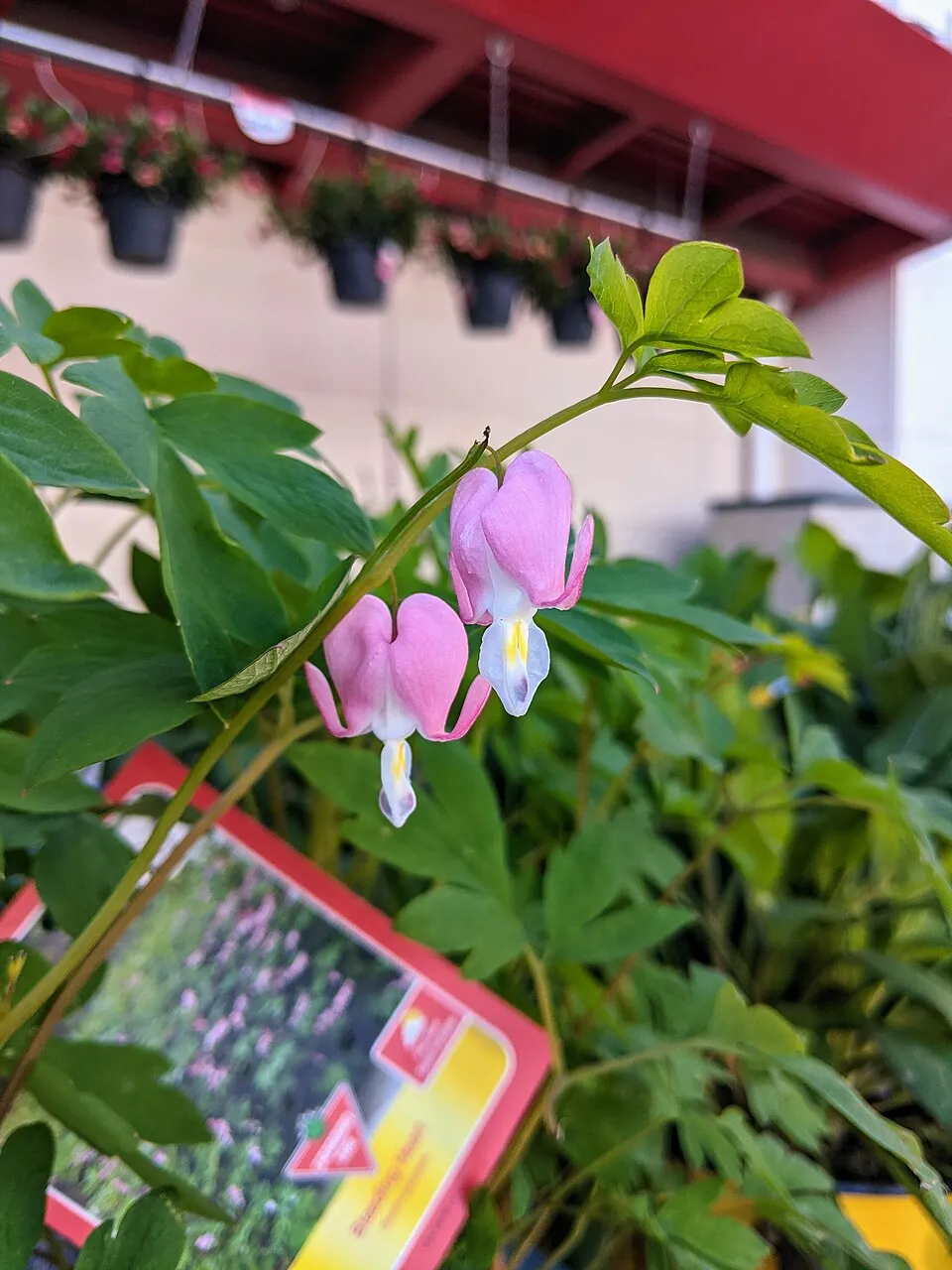
Dicentra spectabilis, now botanically recognized as Lamprocapnos spectabilis, is an exquisite herbaceous perennial belonging to the Fumariaceae family. Commonly known as Bleeding Heart, Chinese Pants, or Lady’s Locket, it is native to the woodlands of Eastern Asia, specifically northern China, Korea, and Japan.
This plant forms lush, bushy clumps, typically reaching heights of up to 3 feet and spreading outwards to 4 feet. Its distinctive reddish new foliage emerges in very early spring, rapidly developing into powdery-green leaves deeply divided into three leaflets, which remain attractive until the plant enters its summer dormancy.
The most striking feature of Dicentra spectabilis is its unique, heart-shaped pendant flowers, which are typically 1 to 2 inches long. Each delicate bloom showcases two rose-pink outer petals that pouch outwards, with two white inner petals gracefully protruding from the bottom, accompanied by a small white stamen. These captivating flowers dangle in a one-sided horizontal raceme from arching, leafless stems, blooming from late spring into early summer.
Following flowering, the plant produces elongate seed pods. Adaptable and hardy in USDA zones 2-8, Bleeding Heart thrives in light shade and consistently moist, well-drained soils rich in organic matter, making it a beloved ornamental in cottage and woodland gardens worldwide. Its tendency to senesce and go dormant by mid-summer, especially in hotter or drier conditions, is a key characteristic of its growth cycle.
Trusted Scientific References
1. Authoritative external sources for Dicentra Spectabilis
1.1 Wikipedia — Dicentra Spectabilis
1.2 Kew POWO (Plants of the World Online)
1.3 PubMed — peer-reviewed research
1.4 NCBI Taxonomy Browser
1.5 GBIF — Global Biodiversity
1.6Dicentra Spectabilis should be interpreted through verified botanical identity, practical care, and responsible safety language. This recovery note adds the missing context needed for a complete profile: match light to the plant's habit, use well-drained soil, water according to season, and avoid unsupported medicinal or edible claims. For publishing, the plant can be presented as a source-backed garden plant with clear care guidance, common problem diagnosis, and conservative safety wording.
1.1.Dicentra Spectabilis — Highlights
- ✓Distinctive heart — shaped, pendant flowers in pink or white.
- ✓Early spring blooming — Early spring blooming period, often one of the first perennials to flower.
- ✓Foliage typically senesces and goes dormant by mid — summer.
- ✓Hardy in USDA Zones 2 — 8, adapting to various temperate climates.
- ✓Prefers light shade — Prefers light shade and consistently moist, organically rich soil.
- ✓Contains toxic isoquinoline — Contains toxic isoquinoline alkaloids throughout all plant parts.
- ✓Primarily cultivated for — Primarily cultivated for its significant ornamental and aesthetic garden value.
- ✓Forms bushy clumps, — Forms bushy clumps, reaching up to 3 feet in height and 4 feet in width.
- ✓Relatively low maintenance — Relatively low maintenance once established in its preferred growing conditions.
- ✓Ideal for woodland — Ideal for woodland gardens, shaded borders, and cottage garden designs.
1.2.Dicentra Spectabilis — Snapshot Summary
- ✓Ornamental perennial known for distinctive heart-shaped flowers.
- ✓Native to Eastern Asia, thrives in light shade and moist, well-drained soil.
- ✓All plant parts are toxic due to the presence of isoquinoline alkaloids.
- ✓Not used in traditional or modern internal medicine due to its toxicity.
- ✓Provides vibrant early spring garden interest before entering summer dormancy.
- ✓Requires minimal maintenance once established in suitable conditions.
2.Dicentra Spectabilis — Scientific Identity
3.Dicentra Spectabilis — Vital Statistics
4.Dicentra Spectabilis — Botanical Description
5.Dicentra Spectabilis — Native Range & Habitat
6.Dicentra Spectabilis — Folk Medicine Applications
7.Dicentra Spectabilis — Phytochemistry
- ✓Isoquinoline Alkaloids — A predominant class of toxic compounds found throughout the plant, including protopine, cryptopine, sanguinarine, and chelerythrine, responsible for its emetic and neurotoxic properties.
- ✓Protopine — A significant isoquinoline alkaloid present in various plant parts, contributing substantially to the gastrointestinal distress and other adverse effects upon ingestion.
- ✓Cryptopine — Another major isoquinoline alkaloid structurally related to protopine, found in the roots and aerial parts, playing a role in the plant's toxicity.
- ✓Sanguinarine — A potent and cytotoxic isoquinoline alkaloid, particularly concentrated in the sap, known to cause contact dermatitis and severe internal irritation.
- ✓Chelerythrine — An alkaloid also exhibiting cytotoxic and potentially antimicrobial properties, contributing to the plant's defense mechanisms and overall toxicity.
- ✓Flavonoids — Present in smaller, non-toxic quantities, these phenolic compounds offer minor antioxidant activity but are overshadowed by the high concentration of alkaloids.
- ✓Organic Acids — Various organic acids are part of the plant's primary metabolic processes, though they are not typically associated with its toxic effects.
- ✓Glycosides — While not the primary toxic agents, some glycosides may be present, contributing to the plant's overall chemical complexity.
- ✓Lipids — Seeds of Dicentra spectabilis contain various fatty acids, but these are not the focus of its known physiological or toxicological properties.
- ✓Pigments — Anthocyanins are responsible for the vibrant pink and red hues of the flowers and new foliage, while chlorophylls are essential for photosynthesis.
8.Dicentra Spectabilis — Evidence-Based Benefits
- ✓Ornamental Value — Highly prized for its unique heart-shaped flowers, making it a popular choice in garden landscapes for its aesthetic appeal.
- ✓Early Spring Interest — Provides vibrant color and distinctive form as one of the first perennials to bloom, significantly enhancing garden aesthetics after winter.
- ✓Shade Garden Suitability — Thrives exceptionally well in light to partial shade, making it an ideal candidate for woodland gardens, shaded borders, and underplanting.
- ✓Pollinator Attraction (limited) — Its early-season flowers can attract some early pollinators like bees, contributing to local garden biodiversity and ecosystem health.
- ✓Erosion Control (minor) — The fibrous root system of established clumps can offer minor soil stabilization in appropriate sloped or loose soil settings.
- ✓Historical Significance — Has a long-standing history as a cultivated ornamental, reflecting its enduring popularity and cultural significance in gardening since the 19th century.
- ✓Low Maintenance (after establishment) — Once properly established, Dicentra spectabilis generally requires minimal ongoing care, aside from managing its natural summer dormancy.
- ✓Ecological Role (limited) — During its active growth phase, the dense foliage can provide temporary shelter and habitat for small garden creatures.
- ✓Air Quality Improvement (minor) — Like all green plants, it contributes to localized air quality improvements through the process of photosynthesis.
- ✓Educational Value — Serves as an excellent botanical specimen for educational purposes, demonstrating unique floral morphology and a distinct perennial life cycle.
- ✓Garden Design Element — Frequently used by landscape designers to create visual contrast and texture when combined with other shade-loving plants such as ferns and hostas.
- ✓Cut Flower Potential — Its arching stems with multiple heart-shaped flowers make it a charming and long-lasting addition to fresh cut flower arrangements.
8.1.Dicentra Spectabilis — Reported Uses
9.Dicentra Spectabilis — Cautions & Contraindications
9.1.Dicentra Spectabilis — Reported Side Effects
- ✓Gastrointestinal Distress — Ingestion of any part of Dicentra spectabilis can lead to symptoms such as severe nausea, vomiting, diarrhea, and abdominal cramps.
- ✓Skin Irritation — Direct contact with the plant's sap, especially from broken stems or leaves, can cause contact dermatitis, characterized by redness, itching, and skin inflammation.
- ✓Neurological Symptoms — In more severe cases of ingestion, particularly in animals or with large quantities, isoquinoline alkaloids may induce tremors, convulsions, and other neurological disturbances.
- ✓Cardiac Effects — Certain alkaloids present in the plant have the potential to affect cardiac function, though severe cardiac toxicity is less commonly reported in human exposures.
- ✓Animal Toxicity — The plant is highly toxic to pets and livestock, with ingestion often resulting in severe gastrointestinal upset, lethargy, and potentially fatal neurological issues.
- ✓Allergic Reactions — Beyond direct irritation, some individuals may experience systemic allergic reactions to plant compounds or pollen, though this is relatively rare.
9.2.Dicentra Spectabilis — Clinical Safety Notes
- ✓Do Not Ingest — All parts of Dicentra spectabilis are considered toxic if consumed, primarily due to the presence of isoquinoline alkaloids.
- ✓Keep Away from Children and Pets — Ensure the plant is situated in areas inaccessible to young children and domestic animals to prevent accidental ingestion.
- ✓Handle with Care — Always wear protective gloves when handling the plant, especially during pruning, dividing, or transplanting, to prevent skin irritation from the sap.
- ✓External Use Caution — Avoid direct skin contact with the plant's sap, as it can cause contact dermatitis; wash any exposed skin thoroughly with soap and water.
- ✓Consult Poison Control — In the event of accidental ingestion by humans or animals, seek immediate medical attention or contact a poison control center.
- ✓No Traditional Medicinal Internal Use — This plant has no established traditional or modern internal medicinal uses due to its inherent toxicity.
- ✓Ornamental Only — Strictly consider Dicentra spectabilis as an ornamental garden plant, and never for culinary, herbal, or any other internal therapeutic applications.
10.Dicentra Spectabilis — Preparation Methods
- ✓Ornamental Garden Planting — Integrate Dicentra spectabilis into shaded borders, woodland gardens, or cottage garden settings to capitalize on its early spring floral display.
- ✓Companion Planting — Strategically pair with later-emerging shade-loving plants such as hostas, ferns, astilbes, or hardy geraniums to fill in the visual gaps left when its foliage senesces in summer.
- ✓Cut Flower Arrangements — Harvest entire flowering stems for indoor floral displays; the unique heart-shaped blooms provide a charming and long-lasting element, staying fresh for up to two weeks.
- ✓Container Cultivation — Grow in large, well-drained containers in shaded areas, ensuring regular watering and protection from extreme temperatures, particularly in warmer climates.
- ✓Naturalizing — Allow the plant to self-seed in appropriate woodland-like conditions to create a naturalized effect, though its self-seeding is not considered aggressive.
- ✓Seasonal Interest — Utilize its early emergence and vibrant, distinctive blooms to provide crucial seasonal interest and color before most other perennials begin to flourish.
- ✓Educational Display — Feature in botanical gardens or educational landscapes to highlight its unique morphology, life cycle, and reclassification from Dicentra to Lamprocapnos.
- ✓Visual Screening — In early spring, groups of Dicentra spectabilis can offer a temporary low-level visual barrier or enhance the foreground of larger plantings.
11.Dicentra Spectabilis — Cultivation & Care
- ✓Site Selection — Plant in a location offering light to partial shade, ideally with morning sun and protection from intense afternoon heat; full sun is tolerated only in consistently cool, moist climates.
- ✓Soil Requirements — Ensure well-drained soil rich in organic matter; while adaptable to clay or sandy soils, proper moisture management is critical to prevent waterlogging or excessive dryness.
- ✓Watering — Maintain consistent soil moisture throughout the growing season, especially during dry spells, but avoid overly saturated conditions which can lead to root rot.
- ✓Propagation — Propagate primarily by dividing the fleshy roots in late fall or very early spring, or by sowing fresh seeds, which require cold stratification.
- ✓Seed Germination — Fresh seeds need a period of cold, moist stratification for several weeks to months to overcome dormancy and promote successful germination.
- ✓Post-Flowering Care — Consider cutting back the foliage hard after the blooming period to potentially delay its natural summer dormancy, though this is not always necessary.
- ✓Pest and Disease Management — Generally a robust plant with few serious pests; however, monitor for occasional aphid infestations on inflorescences and slug damage on leaves.
- ✓Winter Protection — In colder regions, applying a layer of organic mulch around the plant base in late fall can provide additional root protection, though it is hardy to Zone 2.
Reviewed by the Flora Medical Global Botanical Review Panel
Multi-disciplinary editorial group · Botany · Ethnobotany · Herbal-medicine literature
Who reviewed this: This page was checked by the Flora Medical Global Botanical Review Panel — an in-house editorial group of botany graduates, ethnobotany researchers, and horticulture practitioners who collectively maintain our 7,000+ plant encyclopedia. Meet the team.
Our 4-step verification process
1. Taxonomic verification
Scientific names and synonyms cross-checked against Kew POWO, World Flora Online, and The Plant List.
2. Phytochemical & medicinal cross-reference
Active compounds, traditional uses, and reported activities are cross-referenced with PubMed, USDA Dr. Duke's database, and peer-reviewed ethnobotanical literature.
3. Conservation & distribution check
Distribution, ecology, and conservation status confirmed against GBIF occurrence records and the IUCN Red List.
4. Editorial & safety review
Every entry passes an editorial pass for clarity, originality, and safety notices (toxicity, contraindications, dosage caveats) before publication.
Last reviewed:
Important medical disclaimer: This content is for educational and research purposes only. It is not medical advice and is not a substitute for consultation with a licensed healthcare provider. Do not use any herb to self-treat a medical condition without professional guidance.
Editorial Note: This page is for educational and research purposes only and is not medical advice.
Written by: Flora Medical Global Editorial Team
Reviewed by: Flora Medical Global Botanical Review Panel
Last Updated: June 15, 2026





Dicentra Spectabilis — Comments & Community Reviews
Rate this plant