

Medical Disclaimer: This content is for educational purposes only. It is not medical advice. Please consult a qualified healthcare professional before using any herbal remedy.
Safety Overview
1.Dioscorea Nipponica — Botanical Snapshot

Dioscorea nipponica, widely recognized as Japanese yam, is a robust perennial climbing plant indigenous to East Asia, thriving particularly in Japan, Korea, and various regions of China. This herbaceous vine exhibits vigorous growth, capable of ascending to heights of up to 3 meters (approximately 10 feet) by twining around supporting structures. Its foliage is characterized by alternating, cordate (heart-shaped) leaves, which typically span 10 to 20 centimeters (4 to 8 inches) in length and possess a delicate covering of fine hairs, imparting a soft tactile quality. The plant's floral display is subtle and often overlooked; its inconspicuous flowers are usually greenish-white or yellowish, clustered in slender inflorescences.
While not visually striking, these flowers are essential for the plant's reproductive cycle. Beneath the soil, Dioscorea nipponica develops substantial cylindrical tubers, which are its most distinctive and economically important feature. These tubers can be quite impressive, frequently reaching lengths of 30 centimeters (12 inches) and often weighing in excess of 1 kilogram (2.2 pounds). The bark of the vine is smooth and greenish to light brown in its younger stages, gradually maturing to become more fibrous and darker in coloration as the plant ages.
This species predominantly favors moist, shaded woodland habitats, indicative of its preference for understory environments, but it also adapts well to cultivated areas, reflecting its historical use by humans. Taxonomically, Dioscorea nipponica is a member of the extensive Dioscorea genus within the Dioscoreaceae family, a group comprising around 600 species of mostly twining herbaceous vines. Its close botanical relatives include other significant species such as Dioscorea alata, commonly known as winged yam, which is also valued for its edible tubers and medicinal properties, underscoring the genus's importance in both culinary and traditional medicine.
Trusted Scientific References
Authoritative external sources for Dioscorea nipponica:
1.1.Dioscorea Nipponica — Distinguishing Points
- ✓Perennial Climbing Vine — Dioscorea nipponica is a long-lived plant that grows by twining upwards, often reaching several meters in height.
- ✓Heart — Shaped Leaves — Its foliage is characterized by distinctive alternate, cordate leaves, typically 10-20 cm long.
- ✓Inconspicuous Flowers — The plant produces small, greenish-white or yellowish flowers in clusters, which are not visually prominent.
- ✓Substantial Cylindrical Tubers — The most notable feature, these tubers can grow up to 30 cm long and weigh over 1 kg, serving as the primary medicinal part.
- ✓East Asian Native — Indigenous to Japan, Korea, and parts of China, thriving in specific regional climates.
- ✓Woodland Habitat Preference — Favors moist, shaded woodland environments but adapts to cultivation.
- ✓Diosgenin Source — A significant natural source of diosgenin, a steroidal sapogenin with pharmaceutical importance.
- ✓Cardioprotective Properties — Research highlights its ability to protect the heart against damage and improve cardiovascular markers.
- ✓Antithrombotic Activity — Contains compounds that inhibit platelet aggregation and prolong clotting times, supporting healthy blood flow.
- ✓Neuroprotective Effects — Saponins contribute to brain health by reducing neurological damage and inflammation.
- ✓Anti — inflammatory Action — Traditionally and scientifically recognized for its ability to reduce inflammation.
- ✓Antidiabetic Potential — Shows promise in improving insulin sensitivity and glucose uptake, beneficial for type 2 diabetes.
- ✓Traditional Chinese Medicine Use — Valued in TCM for relieving cough, asthma, rheumatic aches, and enhancing circulation.
- ✓Rich in Saponins and Flavonoids — Its diverse phytochemical profile underpins its wide range of medicinal benefits.
- ✓Edible and Medicinal — While primarily medicinal, its tubers are also consumed as food in some cultures.
1.2.Dioscorea Nipponica — At-a-Glance Summary
- ✓Primary Use — Traditionally valued for cardiovascular health, anti-inflammatory, and neuroprotective properties.
- ✓Key Compound — Diosgenin, a steroidal sapogenin, is a major bioactive component known for diverse pharmacological actions.
- ✓Traditional System — Widely used in Traditional Chinese Medicine (TCM) for conditions like rheumatic aches, cough, and improving circulation.
- ✓Botanical Description — A perennial climbing vine with heart-shaped leaves and substantial cylindrical tubers.
- ✓Habitat — Native to East Asia, preferring moist, shaded woodland areas.
- ✓Medicinal Forms — Commonly consumed as decoctions, powders, tinctures, and culinary additions.
- ✓Safety Note — Caution advised with anticoagulants, antidiabetics, and during pregnancy due to potential interactions and hormonal effects.
- ✓Health Benefits — Supports heart health, blood circulation, neurological function, and helps manage inflammation and blood sugar.
2.Dioscorea Nipponica — Scientific Identity
3.Dioscorea Nipponica — Categories & Tags
4.Dioscorea Nipponica — Botanical Description
5.Dioscorea Nipponica — Traditional Uses
6.Dioscorea Nipponica — Key Phytochemicals
- ✓Steroidal Saponins — Diosgenin, Protodioscin (102), Methylprotodioscin (103), Dioscine (104). These are key raw materials for pharmaceutical steroids and exhibit antithrombotic, cardioprotective, neuroprotective, anti-inflammatory, and antidiabetic activities.
- ✓Flavonoids — Various flavonoids are present, contributing to the plant's antioxidant and anti-inflammatory properties, and potentially offering cardioprotective benefits.
- ✓Terpenoids — A diverse group of compounds with potential anti-inflammatory, antimicrobial, and antioxidant effects.
- ✓Phenolic Acids — These compounds contribute significantly to the plant's overall antioxidant capacity and may have anti-inflammatory and protective cellular actions.
- ✓Alkaloids — Present in smaller quantities, alkaloids can contribute to a range of pharmacological effects, though specific actions in Dioscorea nipponica are less studied than saponins.
- ✓Polysaccharides — Including resistant starch and other complex carbohydrates, these contribute to dietary fiber, support gut health, and may have immunomodulatory effects.
- ✓Dioscorin — A storage protein found in yam tubers, known for its potential to inhibit angiotensin-converting enzyme (ACE) and possess antioxidant activity, contributing to cardiovascular health.
- ✓Anthocyanins — Especially in purple yam varieties, these pigments are powerful antioxidants and contribute to the plant's anti-inflammatory profile.
- ✓Phytosterols — Compounds like sitosterol contribute to cholesterol-lowering effects and may play a role in preventing atherosclerosis.
- ✓Ethyl Linoleic Acid — An essential fatty acid that has been associated with anti-atherosclerotic effects and inhibition of inflammatory mediators.
- ✓Vitamins — Contains various vitamins, including B-complex vitamins and Vitamin C, contributing to general nutritional value and metabolic support.
- ✓Minerals — Rich in essential minerals like potassium, magnesium, and phosphorus, vital for numerous physiological functions.
- ✓Mucilage — A complex carbohydrate that provides a viscous texture, offering soothing properties for mucous membranes and aiding digestion.
7.Dioscorea Nipponica — Evidence-Based Benefits
- ✓Cardioprotective Activity — Dioscorea nipponica has demonstrated significant cardioprotective effects, particularly through its saponin content. These compounds help to mitigate myocardial ischemia by reducing markers of cardiac damage like creatine kinase and lactate dehydrogenase, while increasing antioxidant enzyme activities such as SOD and catalase.
- ✓Antithrombotic Action — The total steroid saponins and diosgenin found in Japanese yam exhibit potent antithrombotic activity. They work by inhibiting platelet aggregation and prolonging coagulation times, which can be beneficial in preventing blood clot formation and supporting cardiovascular health.
- ✓Neuroprotective Effects — Saponins from Dioscorea nipponica have shown strong neuroprotective properties, particularly in models of cerebral ischemia-reperfusion injury. They help to attenuate neurological deficits, reduce cerebral infarction volume and edema, and protect neurons through anti-inflammatory and antiapoptotic mechanisms.
- ✓Anti-inflammatory Support — Traditional Chinese Medicine (TCM) has long utilized Dioscorea nipponica for its anti-inflammatory properties. Modern research supports this by showing that its compounds can reduce inflammatory cytokines and inhibit inflammatory mediators, contributing to its efficacy in conditions like rheumatic aches.
- ✓Antioxidant Power — Rich in various bioactive compounds, Dioscorea nipponica possesses strong antioxidant capacities. It helps to neutralize free radicals, reduce oxidative stress, and increase the body's total antioxidant capacity, thereby protecting cells from damage.
- ✓Anti-diabetic Potential — Saponins, including protodioscin and dioscine, are recognized for their antidiabetic activity. They improve insulin resistance, promote insulin secretion, and enhance peripheral glucose uptake by increasing GLUT4 protein expression and p-AKT activation, making Dioscorea nipponica a promising agent for type 2 diabetes management.
- ✓Immune System Modulation — Traditionally, Japanese yam has been valued for its role in immune support. While specific mechanisms are still under investigation, its diverse phytochemical profile, including flavonoids and saponins, likely contributes to a balanced immune response and overall wellness.
- ✓Pain Relief — In traditional medicine systems like TCM, Dioscorea nipponica is used to alleviate pain, particularly rheumatic aches. Its anti-inflammatory and circulatory enhancing properties likely contribute to its analgesic effects.
- ✓Respiratory Health — Historically, Dioscorea nipponica has been employed to relieve cough and asthma. This traditional use suggests a bronchodilatory or expectorant action, possibly linked to its anti-inflammatory compounds that soothe respiratory passages.
- ✓Improved Blood Circulation — Traditional uses highlight the plant's ability to improve blood circulation. This aligns with its antithrombotic properties, which help maintain blood fluidity and prevent blockages, ensuring efficient nutrient and oxygen delivery throughout the body.
- ✓Anti-atherosclerotic Benefits — Research indicates that Dioscorea species can prevent atherosclerosis. Extracts rich in compounds like sitosterol and ethyl linoleic acid inhibit inflammatory mediators and the development of atherosclerotic lesions, contributing to arterial health.
- ✓Gastroprotective Effects — While not explicitly stated for D. nipponica, other Dioscorea species and yam extracts have shown beneficial effects in preclinical experiments for conditions like colitis, suggesting potential gastroprotective or gut-healing properties due to their polyphenols, polysaccharides, and steroidal sapogenins.
- ✓Anti-apoptotic Activity — Diosgenin and other saponins from Dioscorea nipponica have been observed to exert anti-apoptotic effects, meaning they help prevent programmed cell death. This is particularly relevant in neuroprotection and reducing damage in various tissues.
- ✓Reduction of Myocardial Fibrosis — Diosgenin has been shown to reduce myocardial fibrosis, a stiffening of heart tissue that impairs function. This benefit is linked to its antioxidant and anti-inflammatory actions, contributing to overall cardiac tissue health.
- ✓Antihypertensive Properties — Some Dioscorea species, such as Dioscorea opposita, have demonstrated antihypertensive effects by inhibiting endothelin-converting enzymes and exhibiting antioxidant activity, leading to reductions in mean arterial pressure and improvement in cardiovascular markers.
7.1.Dioscorea Nipponica — Reported Uses
8.Dioscorea Nipponica — Cautions & Contraindications
8.1.Dioscorea Nipponica — Reported Side Effects
- ✓Gastrointestinal Upset — High doses of Dioscorea nipponica, particularly its saponin content, may cause mild gastrointestinal discomfort such as nausea, diarrhea, or stomach upset in sensitive individuals.
- ✓Allergic Reactions — Although rare, some individuals may experience allergic reactions, including skin rashes, itching, or more severe systemic responses, especially if hypersensitive to plants in the Dioscoreaceae family.
- ✓Hormonal Effects — Due to the presence of diosgenin, a precursor to steroid hormones, there is a theoretical potential for hormonal effects, although direct evidence in humans from whole plant consumption is limited. Individuals with hormone-sensitive conditions should exercise caution.
- ✓Blood Thinning — The antithrombotic properties of Dioscorea nipponica mean it can prolong bleeding and clotting times. This effect could increase the risk of bruising or bleeding, particularly in individuals with bleeding disorders or those undergoing surgery.
- ✓Hypoglycemia — For individuals with diabetes, the antidiabetic effects of Japanese yam could potentially lead to hypoglycemia if used concurrently with conventional antidiabetic medications without proper monitoring.
- ✓Liver Toxicity (High Doses) — While generally safe, extremely high or prolonged doses of certain plant constituents could theoretically stress the liver, though this is not commonly reported for typical medicinal use.
- ✓Skin Irritation — Topical application of fresh tubers might cause mild skin irritation or dermatitis in some sensitive individuals.
8.2.Dioscorea Nipponica — Risk Assessment
- ✓Drug Interactions — Dioscorea nipponica can interact with anticoagulant and antiplatelet medications (e.g., warfarin, aspirin) due to its blood-thinning properties, increasing the risk of bleeding. It may also interact with antidiabetic drugs, potentially leading to hypoglycemia. Consult a healthcare professional before use if on medication.
- ✓Pregnancy Warning — Due to the potential hormonal effects of diosgenin and a lack of sufficient safety data, Dioscorea nipponica is generally not recommended for use during pregnancy or lactation. The effects on fetal development or infants are not well-established.
- ✓Children — The use of Dioscorea nipponica in children is not well-studied, and it is generally advisable to avoid its use or consult a pediatric herbalist/doctor before administering to minors.
- ✓Hormone-Sensitive Conditions — Individuals with hormone-sensitive conditions such as breast cancer, uterine fibroids, or endometriosis should use Dioscorea nipponica with caution due to the theoretical potential for diosgenin to influence hormone levels.
- ✓Bleeding Disorders and Surgery — Due to its antithrombotic effects, individuals with bleeding disorders or those scheduled for surgery should discontinue use of Dioscorea nipponica at least two weeks prior to any procedure to minimize bleeding risk.
- ✓Diabetes Management — Diabetics using Japanese yam should monitor their blood glucose levels closely, as it may enhance the effects of antidiabetic medications. Dosage adjustments may be necessary under medical supervision.
- ✓Autoimmune Conditions — While some studies suggest anti-inflammatory effects, individuals with autoimmune diseases should consult a healthcare provider before using Dioscorea nipponica, as its immunomodulatory effects might vary.
- ✓Purity and Sourcing — Ensure that Dioscorea nipponica products are sourced from reputable suppliers to avoid contamination with heavy metals, pesticides, or other adulterants.
9.Dioscorea Nipponica — Preparation Methods
- ✓Decoction/Tea — For internal use, a decoction is commonly prepared from the dried and sliced tubers of Dioscorea nipponica. Typically, 10-15 grams of dried tuber are simmered in 500ml of water for 20-30 minutes until the volume is reduced by half. This tea can be consumed 1-2 times daily.
- ✓Tincture — A tincture can be made by soaking dried, chopped tubers in high-proof alcohol (e.g., 40-60% ethanol) for 4-6 weeks, shaking daily. Strain and store in a dark bottle. Dosage typically ranges from 2-5ml, 2-3 times per day, diluted in water.
- ✓Powdered Form — Dried Dioscorea nipponica tubers can be ground into a fine powder. This powder can be encapsulated or mixed into water, juice, or smoothies. A common dosage is 1-3 grams per day, divided into doses.
- ✓Topical Application (Poultice) — For external use, such as alleviating rheumatic aches or localized inflammation, fresh or rehydrated dried tubers can be mashed into a paste. This poultice is then applied directly to the affected area and covered with a cloth, left on for 30-60 minutes or overnight.
- ✓Culinary Inclusion — While primarily medicinal, the tubers can be prepared and consumed as a food, similar to other yams, especially in traditional East Asian cuisine. They can be boiled, steamed, roasted, or stir-fried, providing both nutritional and medicinal benefits.
- ✓Syrups — For respiratory complaints like coughs, a syrup can be prepared by simmering the decoction with honey or other natural sweeteners. This provides a soothing and medicated preparation.
- ✓Extracts — Standardized extracts of Dioscorea nipponica, often concentrating diosgenin or total saponins, are available commercially. Follow the manufacturer's recommended dosage for these concentrated forms.
- ✓Herbal Compress — A cloth soaked in a warm decoction of Dioscorea nipponica can be applied as a compress to relieve pain or reduce swelling, similar to a poultice but with less direct plant material contact.
- ✓Wine Infusion — In some traditional practices, the dried tubers may be infused in rice wine or other spirits for an extended period, creating a medicinal tonic consumed in small doses.
10.Dioscorea Nipponica — How to Grow
- ✓Soil Requirements — Dioscorea nipponica thrives in well-drained, fertile soil that is rich in organic matter. A slightly acidic to neutral pH (6.0-7.0) is ideal for optimal tuber development.
- ✓Sunlight Exposure — While the plant is often found in moist, shaded woodland habitats, it requires adequate sunlight for vigorous growth and good tuber yield. Partial shade to full sun (4-6 hours direct sun) is generally suitable.
- ✓Watering — Consistent moisture is crucial, especially during the growing season when tubers are developing. The soil should be kept evenly moist but never waterlogged to prevent rot.
- ✓Temperature and Climate — This species prefers temperate to subtropical climates. It is relatively cold-hardy for a yam, tolerating cooler temperatures but performing best in warm, humid conditions during its active growth phase.
- ✓Support Structure — As a climbing vine, Dioscorea nipponica requires a robust support structure such as a trellis, fence, or stakes to allow its tendrils to twine and grow upwards, maximizing light exposure and air circulation.
- ✓Propagation — Japanese yam can be propagated from tuber sections, ensuring each section has at least one 'eye' or bud. Seeds can also be used, but tuber propagation is faster and more reliable for consistent plant characteristics.
- ✓Fertilization — Incorporate compost or well-rotted manure into the soil before planting. During the growing season, a balanced organic fertilizer can be applied periodically to support healthy foliage and tuber growth.
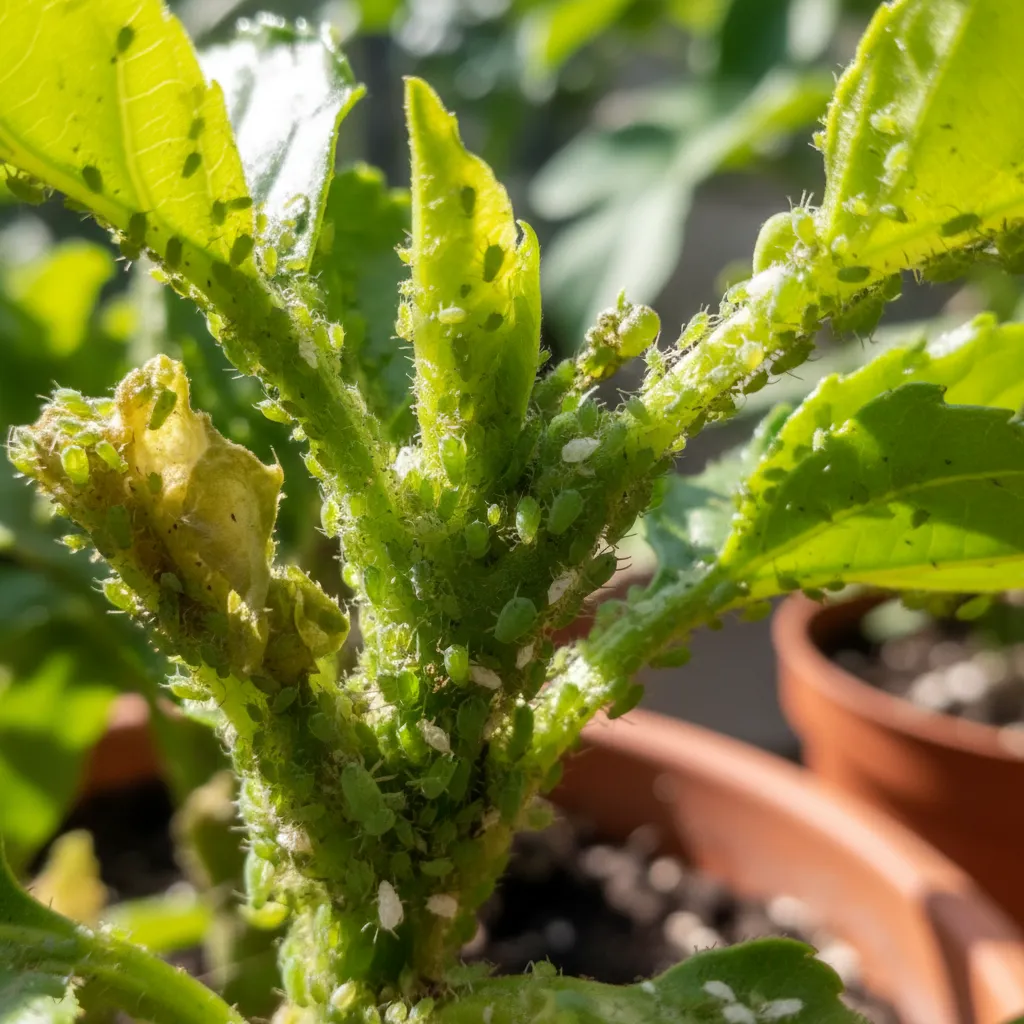
- ✓Pest and Disease Management — While generally robust, watch for common garden pests like aphids or spider mites. Good air circulation and proper watering practices help prevent fungal diseases. Use organic pest control methods if necessary.
- ✓Harvesting — Tubers are typically harvested in late autumn or early winter after the foliage begins to die back. Carefully dig around the base of the plant to avoid damaging the tubers.
- ✓Storage — Harvested tubers should be cured in a warm, well-ventilated area for a few days before storing in a cool, dry, dark place. This helps to extend their shelf life and improve flavor.
Reviewed by the Flora Medical Global Botanical Review Panel
Multi-disciplinary editorial group · Botany · Ethnobotany · Herbal-medicine literature
Who reviewed this: This page was checked by the Flora Medical Global Botanical Review Panel — an in-house editorial group of botany graduates, ethnobotany researchers, and horticulture practitioners who collectively maintain our 7,000+ plant encyclopedia. Meet the team.
Our 4-step verification process
1. Taxonomic verification
Scientific names and synonyms cross-checked against Kew POWO, World Flora Online, and The Plant List.
2. Phytochemical & medicinal cross-reference
Active compounds, traditional uses, and reported activities are cross-referenced with PubMed, USDA Dr. Duke's database, and peer-reviewed ethnobotanical literature.
3. Conservation & distribution check
Distribution, ecology, and conservation status confirmed against GBIF occurrence records and the IUCN Red List.
4. Editorial & safety review
Every entry passes an editorial pass for clarity, originality, and safety notices (toxicity, contraindications, dosage caveats) before publication.
Last reviewed:
Important medical disclaimer: This content is for educational and research purposes only. It is not medical advice and is not a substitute for consultation with a licensed healthcare provider. Do not use any herb to self-treat a medical condition without professional guidance.
Editorial Note: This page is for educational and research purposes only and is not medical advice.
Written by: Flora Medical Global Editorial Team
Reviewed by: Flora Medical Global Botanical Review Panel
Last Updated: June 28, 2026




Dioscorea Nipponica — Comments & Community Reviews
Rate this plant
No reviews yet. Be the first!