

Medical Disclaimer: This content is for educational purposes only. It is not medical advice. Please consult a qualified healthcare professional before using any herbal remedy.
Safety Overview
1.Dragon Fruit Cactus — Introduction & Highlights
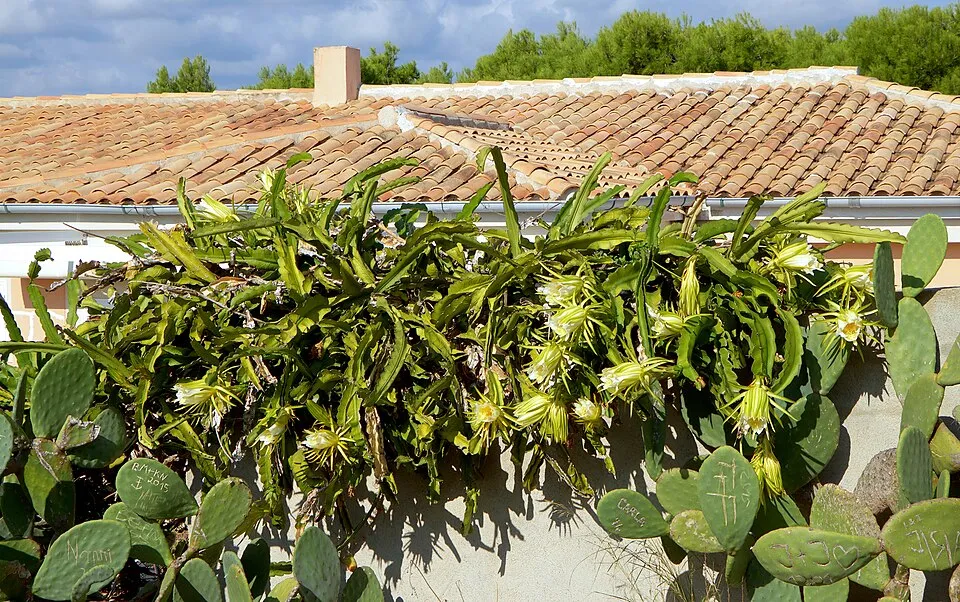
Hylocereus undatus, commonly known as the Dragon Fruit Cactus or Pitaya, is a fascinating epiphytic or lithophytic climbing cactus belonging to the Cactaceae family. Native to southern Mexico, Central America, and parts of South America, its cultivation has now spread widely across tropical and subtropical regions globally, including Southeast Asia, Australia, and Florida, owing to its striking appearance and valuable fruit. The plant exhibits a distinct morphology characterized by its tall, angular, and often segmented stems, which are typically bright green and can reach impressive lengths of up to 10 meters, though usually maintained at 3 to 4 meters in cultivation. These three-ribbed stems, 5 to 10 cm wide, feature prominent tubercles from which small spines emerge, serving a protective role. Unlike many plants, Hylocereus undatus does not possess traditional leaves; instead, its succulent stems are the primary sites for photosynthesis, a characteristic adaptation to arid environments. One of the most captivating features of the Dragon Fruit Cactus is its nocturnal bloom.
It produces extraordinarily large, fragrant, trumpet-shaped flowers that can measure up to 30 cm in diameter. These magnificent white flowers, often referred to as 'moonflowers' or 'Queen of the Night', unfurl after dusk and typically close by dawn, relying on nocturnal pollinators like bats and moths. The sheer size and ephemeral beauty of these blooms contribute significantly to the plant's ornamental appeal. Following successful pollination, the plant yields its iconic fruit, also known as dragon fruit. This fruit is a vibrant, often bright pink or yellow, spiky or scaly orb, weighing anywhere from 150 grams to over 600 grams. Its exterior is adorned with prominent green, leaf-like bracts, giving it a truly exotic and dragon-like appearance.
The interior typically reveals white or red flesh speckled with numerous small, edible black seeds. Ecologically, Hylocereus undatus is well-adapted to poor, well-draining soils and thrives under full sun exposure, although it appreciates some partial shade in intensely hot climates. Its ability to grow on other plants (epiphytic) or rocks (lithophytic) is facilitated by its aerial roots, which cling to surfaces and absorb moisture and nutrients from the air and rain. This unique growth habit distinguishes it from terrestrial cacti. Taxonomically, it falls under the genus Hylocereus within the Cactoideae subfamily. Historically and culturally, ...[CURRENT TEXT EXISTS: 3139 chars]
1.1.Dragon Fruit Cactus — Defining Traits
- ✓Night — Blooming Flowers — Produces large, fragrant white flowers that open only at night, often called 'moonflowers'.
- ✓Vibrant Fruit Color — Fruit typically features bright pink, red, or yellow skin with green bracts.
- ✓Climbing Cactus — An epiphytic or lithophytic plant that requires a support structure to grow vertically.
- ✓Aerial Roots — Develops adventitious roots along its stems to cling to supports and absorb moisture.
- ✓High Antioxidant Content — Rich in betalains, flavonoids, and Vitamin C, offering significant oxidative stress protection.
- ✓Prebiotic Fiber Source — Contains beneficial fibers that nourish gut microbiota and support digestive health.
- ✓Betalain Pigments — Responsible for the striking red-purple flesh of some varieties, also potent bioactive compounds.
- ✓Tropical/Subtropical Native — Thrives in warm, humid climates, originating from Central and South America.
- ✓Ornamental and Edible — Valued both for its exotic appearance in landscapes and its nutritious fruit.
- ✓Drought Tolerant — Exhibits adaptations to withstand periods of low water availability, typical of cacti.
- ✓Unique Scaly Appearance — The fruit's exterior has distinct, overlapping bracts resembling dragon scales.
- ✓CAM Photosynthesis — Utilizes Crassulacean Acid Metabolism, opening stomata at night to conserve water.
- ✓Succulent Stems — Photosynthesis occurs primarily in its thick, angular, green stems rather than traditional leaves.
- ✓Adaptable to Various Soils — Tolerates a range of well-draining soil types, though prefers organic-rich conditions.
- ✓Supports Gut Health — Its fiber and prebiotic content are highly beneficial for maintaining a balanced gut microbiome.
1.2.Dragon Fruit Cactus — In Brief
- ✓Primary Use — Rich in antioxidants and fiber, supporting digestive and cardiovascular health.
- ✓Key Compounds — Betalains, flavonoids, phenolic acids, Vitamin C, and prebiotic fibers.
- ✓Traditional System — Valued in indigenous diets and recognized in some traditional medicine systems for digestive support.
- ✓Key Benefit — Potent antioxidant and anti-inflammatory effects.
- ✓Botanical Feature — Night-blooming, large, fragrant flowers and vibrant, scaly fruit.
- ✓Cultivation Note — Climbing cactus requiring support, thrives in tropical full sun.
- ✓Safety Note — Generally safe as food, but caution with medications and excessive consumption.
- ✓Nutritional Value — Low in calories, high in water, essential vitamins, and minerals.
2.Dragon Fruit Cactus — Scientific Profile
3.Dragon Fruit Cactus — Botanical Stats
4.Dragon Fruit Cactus — Morphological Account
5.Dragon Fruit Cactus — Where It Grows
6.Dragon Fruit Cactus — Historical Applications
7.Dragon Fruit Cactus — Active Compounds
- ✓Betalains — Betacyanins (e.g., Betanin, Phyllocactin, Isocactine) and Betaxanthins (e.g., Indigodine); these are vibrant nitrogen-containing pigments responsible for the fruit's red-purple color and exhibit potent antioxidant, anti-inflammatory, and anti-cancer properties.
- ✓Flavonoids — Quercetin, Kaempferol, Myricetin, Catechin; these polyphenolic compounds are powerful antioxidants, contributing to anti-inflammatory, cardioprotective, and neuroprotective effects.
- ✓Phenolic Acids — Gallic acid, Caffeic acid, Ferulic acid, p-Coumaric acid; these compounds are known for their significant antioxidant, anti-inflammatory, and antimicrobial activities.
- ✓Vitamins — Ascorbic Acid (Vitamin C), Thiamine (B1), Riboflavin (B2), Niacin (B3), Pyridoxine (B6); essential for immune function, collagen synthesis, energy metabolism, and nervous system health.
- ✓Minerals — Magnesium, Calcium, Iron, Phosphorus, Potassium, Zinc; crucial for bone health, muscle function, nerve transmission, enzyme activity, and red blood cell formation.
- ✓Dietary Fiber — Pectin, Mucilage, Lignin; a complex mixture of soluble and insoluble fibers that support digestive health, regulate blood sugar, and contribute to satiety.
- ✓Fatty Acids — Linoleic acid (omega-6), Oleic acid (omega-9); found predominantly in the seeds, these unsaturated fatty acids are beneficial for skin health, reducing inflammation, and cardiovascular well-being.
- ✓Carotenoids — Beta-carotene, Lycopene; pigments with antioxidant properties, acting as precursors to Vitamin A and supporting eye health.
- ✓Prebiotics — Oligosaccharides (e.g., Fructooligosaccharides); non-digestible carbohydrates that selectively stimulate the growth and activity of beneficial bacteria in the gut.
- ✓Polysaccharides — Gums, mucilages; complex carbohydrates that contribute to the fruit's texture and may possess immunomodulatory and prebiotic effects.
- ✓Phytosterols — Beta-sitosterol; plant sterols structurally similar to cholesterol, which can help reduce cholesterol absorption in the gut.
- ✓Triterpenoids — Saponins; a class of compounds that may exhibit anti-inflammatory, immunomodulatory, and cholesterol-lowering properties.
8.Dragon Fruit Cactus — Research Insights
- ✓Digestive Health Support — Dragon Fruit Cactus is exceptionally rich in dietary fiber, both soluble and insoluble, which is crucial for maintaining a healthy digestive system. This high fiber content aids in promoting regular bowel movements, preventing constipation, and adding bulk to stool, thereby facilitating smooth passage through the gut. It also acts as a prebiotic, nourishing beneficial gut bacteria.
- ✓Antioxidant Powerhouse — The fruit and stem of Hylocereus undatus are packed with powerful antioxidants, including betalains (betacyanins and betaxanthins), flavonoids, phenolic acids, and Vitamin C. These compounds combat oxidative stress by neutralizing free radicals, thereby protecting cells from damage and reducing the risk of chronic diseases.
- ✓Immune System Enhancement — With its significant Vitamin C content and diverse array of antioxidants, Dragon Fruit Cactus plays a vital role in bolstering the immune system. Vitamin C is essential for the production and function of white blood cells, enhancing the body's ability to fight off infections and illnesses.
- ✓Anti-inflammatory Properties — Betalains and other phenolic compounds found in Dragon Fruit Cactus exhibit strong anti-inflammatory effects. These properties can help reduce systemic inflammation throughout the body, potentially alleviating symptoms associated with inflammatory conditions like arthritis and metabolic syndrome.
- ✓Cardiovascular Health Promotion — Regular consumption of Dragon Fruit Cactus may contribute to better heart health. Its fiber content helps reduce LDL ('bad') cholesterol levels, while its antioxidants and monounsaturated fats (from the seeds) support healthy blood vessel function and may help regulate blood pressure, thus lowering the risk of cardiovascular diseases.
- ✓Blood Sugar Regulation — The high fiber content in Hylocereus undatus helps to slow down sugar absorption in the bloodstream, preventing rapid spikes in blood glucose levels. This makes it a beneficial fruit for individuals managing type 2 diabetes or those at risk of developing the condition, as recognized in traditional dietary practices.
- ✓Gut Microbiome Modulation — Dragon fruit contains prebiotic fibers, particularly oligosaccharides, which selectively stimulate the growth and activity of beneficial gut bacteria like Bifidobacteria and Lactobacilli. This promotes a balanced and diverse gut microbiome, crucial for digestive efficiency, nutrient synthesis, and overall well-being.
- ✓Anti-cancer Potential — Research suggests that the betalains, flavonoids, and other phytochemicals in Dragon Fruit Cactus possess anti-proliferative and cytotoxic effects against various cancer cell lines in vitro. While more clinical research is needed, these compounds show promise in inhibiting cancer cell growth and inducing apoptosis.
- ✓Skin Health and Anti-aging — The high concentration of Vitamin C and other antioxidants in Dragon Fruit Cactus contributes to healthy, radiant skin. Vitamin C is vital for collagen production, maintaining skin elasticity, while antioxidants protect against UV damage and environmental pollutants, reducing signs of premature aging.
- ✓Bone Health Support — Dragon fruit is a good source of essential minerals like magnesium, calcium, and phosphorus, all of which are critical for maintaining strong and healthy bones. Magnesium, in particular, plays a role in bone formation and density.
- ✓Anemia Prevention and Management — The fruit contains iron, an essential mineral for hemoglobin production, and Vitamin C, which significantly enhances the absorption of non-heme iron from plant-based foods. This combination makes Dragon Fruit Cactus beneficial for preventing and managing iron-deficiency anemia.
- ✓Detoxification Aid — The rich fiber content and potent antioxidants in Hylocereus undatus support the body's natural detoxification processes. Fiber aids in the elimination of toxins through the digestive tract, while antioxidants protect the liver and other organs from damage by harmful compounds.
- ✓Weight Management — Being low in calories and high in fiber and water content, Dragon Fruit Cactus can promote satiety and reduce overall calorie intake, making it a valuable addition to weight management diets. Its nutrient density provides essential vitamins and minerals without excessive energy.
- ✓Eye Health Maintenance — While not as rich as some other fruits, Dragon Fruit Cactus contains trace amounts of carotenoids like beta-carotene, which are precursors to Vitamin A. Vitamin A is crucial for good vision and protecting eye health.
- ✓Kidney Health Support — The fruit's high water content and mild diuretic properties can support kidney function by promoting urine production and flushing out toxins. Its antioxidant profile also helps protect kidney cells from oxidative damage.
- ✓Neuroprotective Effects — The antioxidants present in Dragon Fruit Cactus, such as betalains and phenolic acids, may offer neuroprotective benefits by reducing oxidative stress and inflammation in brain cells. This could potentially contribute to cognitive health and reduce the risk of neurodegenerative diseases.
- ✓Antimicrobial Properties — Extracts from Dragon Fruit Cactus have demonstrated mild antimicrobial activity against certain bacteria and fungi in preliminary studies, suggesting a potential role in inhibiting the growth of pathogens.
8.1.Dragon Fruit Cactus — Indications & Uses
9.Dragon Fruit Cactus — Risk Profile
9.1.Dragon Fruit Cactus — Side Effects & Warnings
- ✓Allergic Reactions — While rare, some individuals may experience allergic reactions to Dragon Fruit Cactus, manifesting as itching, swelling, hives, or gastrointestinal discomfort. Discontinue use if such symptoms occur.
- ✓Gastrointestinal Upset — Excessive consumption of Dragon Fruit Cactus, particularly due to its high fiber content, can lead to gastrointestinal issues such as bloating, gas, abdominal cramps, or diarrhea in sensitive individuals.
- ✓Reddish Urine or Stool — The betalain pigments in red-fleshed Dragon Fruit Cactus can cause urine or stool to appear reddish or pink, a harmless phenomenon known as pseudohematuria or beeturia, which can be mistaken for blood.
- ✓Hypotension Risk — Certain compounds in Dragon Fruit Cactus might have mild hypotensive effects. Individuals already on blood pressure-lowering medications should monitor their blood pressure to avoid excessive drops.
- ✓Hypoglycemia Risk — While beneficial for blood sugar regulation, consuming large amounts of Dragon Fruit Cactus, especially in conjunction with anti-diabetic medications, could potentially lead to hypoglycemia (low blood sugar) in susceptible individuals.
- ✓Interference with Medications — The high fiber content may theoretically interfere with the absorption of some oral medications if consumed simultaneously. It is advisable to consume Dragon Fruit Cactus a few hours apart from medication doses.
- ✓Oxalate Content — Dragon Fruit Cactus contains oxalates, though generally in moderate amounts. Individuals prone to kidney stones should consume it in moderation and consult with a healthcare provider.
9.2.Dragon Fruit Cactus — Risk Assessment
- ✓Drug Interactions — Dragon Fruit Cactus may interact with certain medications. Individuals taking blood-thinning agents (anticoagulants), anti-diabetic medications, or blood pressure-lowering drugs should consult their healthcare provider before consuming large quantities, as it may potentiate their effects.
- ✓Pregnancy and Lactation Warning — While generally considered safe as a food, specific medicinal dosages or concentrated extracts of Dragon Fruit Cactus are not sufficiently studied in pregnant or breastfeeding women. Caution is advised, and consultation with a doctor is recommended.
- ✓Children's Use — Dragon Fruit Cactus is generally safe for children as part of a balanced diet. However, moderation is key to prevent potential gastrointestinal upset due to its high fiber content.
- ✓Pre-existing Conditions — Individuals with pre-existing conditions such as diabetes, hypotension, or a history of kidney stones should consume Dragon Fruit Cactus in moderation and discuss its inclusion in their diet with a healthcare professional.
- ✓Dosage Considerations — For general dietary consumption, Dragon Fruit Cactus is safe. However, for therapeutic purposes using concentrated extracts or specific plant parts, adhere strictly to recommended dosages and consult an expert to avoid adverse effects.
- ✓Quality and Sourcing — Ensure that Dragon Fruit Cactus fruit and products are sourced from reputable growers to minimize exposure to pesticides, heavy metals, or microbial contaminants. Organic certification is preferable.
- ✓Allergy Testing — If there is a history of allergies to cacti or other exotic fruits, perform a patch test for topical applications or consume a small amount first to check for any adverse reactions.
- ✓Consultation with Healthcare Professional — Always consult a qualified healthcare provider or medical herbalist before using Dragon Fruit Cactus for medicinal purposes, especially if you have underlying health conditions or are on medication.
10.Dragon Fruit Cactus — Preparation & Dosage
- ✓Fresh Fruit Consumption — The most common and direct method is to consume the fresh fruit. Simply cut the Dragon Fruit Cactus fruit in half lengthwise and scoop out the pulp with a spoon. It can be eaten on its own or added to fruit salads.
- ✓Smoothies and Juices — Blend the fresh pulp of Dragon Fruit Cactus with other fruits, vegetables, or liquid bases like water, coconut water, or plant-based milk to create nutritious and vibrant smoothies or juices. This is an excellent way to incorporate its benefits into a daily diet.
- ✓Dried Fruit — The pulp can be sliced and dried, either in a dehydrator or oven at low temperatures, to create a chewy, nutrient-dense snack. Dried Dragon Fruit Cactus retains many of its minerals and fiber.
- ✓Fruit Puree/Pulp — Process the fresh fruit pulp into a smooth puree, which can then be used in various culinary applications such as sauces, jams, jellies, sorbets, ice creams, yogurts, or as a topping for desserts.
- ✓Teas and Infusions (from Dried Flowers/Fruit) — While less common, the dried flowers or dried fruit pieces of Hylocereus undatus can be steeped in hot water to make a mild, antioxidant-rich herbal tea. Use about 1-2 teaspoons of dried material per cup of boiling water, steep for 5-10 minutes.
- ✓Topical Application (Pulp Masks) — The fresh pulp of Dragon Fruit Cactus can be mashed and applied directly to the skin as a face mask. Its Vitamin C and antioxidant content may help brighten skin, reduce inflammation, and provide hydration. Leave on for 15-20 minutes before rinsing.
- ✓Seed Oil — The small black seeds of Dragon Fruit Cactus can be cold-pressed to extract a light oil rich in essential fatty acids (linoleic and oleic acid). This oil can be used topically for skin moisturization, anti-aging, or as a carrier oil in aromatherapy.
- ✓Culinary Additions — Beyond fresh consumption, Dragon Fruit Cactus can be incorporated into savory dishes, such as salsas, ceviches, or even as a colorful garnish for various meals. Its mild sweetness and unique texture add an exotic touch.
- ✓Powdered Extract — Dried and powdered Dragon Fruit Cactus fruit or peel can be encapsulated or mixed into water, smoothies, or food as a concentrated supplement. Dosage typically ranges from 1-3 grams per day, depending on the concentration and desired effect.
11.Dragon Fruit Cactus — Propagation & Care
- ✓Soil Requirements — Dragon Fruit Cactus thrives in well-draining, slightly acidic to neutral soils (pH 6.0-7.0) rich in organic matter. Sandy loam or loamy soils are ideal, as waterlogging can quickly lead to root rot.
- ✓Watering — As a cactus, Hylocereus undatus is drought-tolerant but requires consistent moisture, especially during flowering and fruiting periods. Water deeply when the top 2-3 inches of soil are dry, typically once a week in hot climates and less frequently in cooler or humid conditions. Avoid overwatering.
- ✓Light Requirements — Full sun exposure (at least 6-8 hours daily) is essential for optimal growth and fruit production. While it can tolerate partial shade, too little light will result in leggy growth and poor fruiting.
- ✓Temperature and Humidity — Dragon Fruit Cactus prefers tropical and subtropical climates with temperatures between 20°C and 35°C (68°F-95°F). It can tolerate brief periods of heat up to 40°C but is sensitive to frost and prolonged cold, which can cause significant damage.
- ✓Propagation — The most common and effective propagation method is through stem cuttings. Cuttings should be 20-30 cm long, allowed to callus for a few days, and then planted in well-draining soil. Seeds can also be used but take much longer to produce fruit.
- ✓Support Structure — Being a climbing cactus, Hylocereus undatus requires a sturdy support structure like a trellis, pole, or wall to climb. The plant develops aerial roots that cling to these supports, and proper training is crucial for vertical growth and maximizing fruit exposure to sunlight.
- ✓Pruning — Regular pruning is necessary to manage plant size, remove dead or diseased stems, and encourage new growth and flowering. Pruning should be done after the fruiting season, removing excess branches to improve air circulation and light penetration.
- ✓Fertilization — Fertilize every 2-3 months during the growing season with a balanced, slow-release granular fertilizer or a liquid fertilizer high in phosphorus and potassium to promote flowering and fruiting. Reduce fertilization in winter.
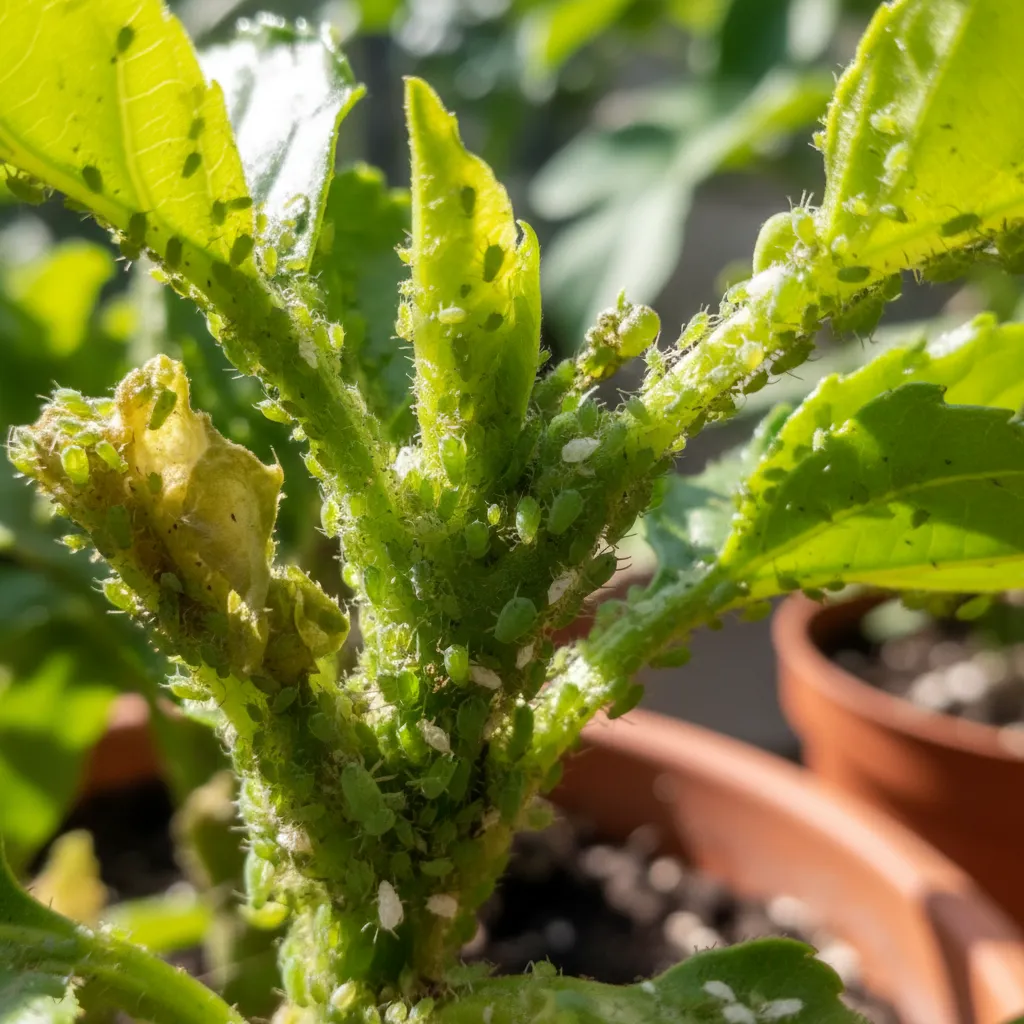
- ✓Pest and Disease Management — Common pests include ants, mealybugs, aphids, and fruit flies. Diseases like stem rot, anthracnose, and fungal spots can occur, especially in humid conditions or with poor air circulation. Integrated pest management and good cultural practices are key.
- ✓Harvesting — Dragon fruit is typically ready for harvest 27-30 days after flowering. The fruit's color will intensify, and the bracts will start to dry and turn yellow. Harvest by twisting or cutting the fruit from the stem, ensuring it's fully ripe for the best flavor and nutritional content.
Reviewed by the Flora Medical Global Botanical Review Panel
Multi-disciplinary editorial group · Botany · Ethnobotany · Herbal-medicine literature
Who reviewed this: This page was checked by the Flora Medical Global Botanical Review Panel — an in-house editorial group of botany graduates, ethnobotany researchers, and horticulture practitioners who collectively maintain our 7,000+ plant encyclopedia. Meet the team.
Our 4-step verification process
1. Taxonomic verification
Scientific names and synonyms cross-checked against Kew POWO, World Flora Online, and The Plant List.
2. Phytochemical & medicinal cross-reference
Active compounds, traditional uses, and reported activities are cross-referenced with PubMed, USDA Dr. Duke's database, and peer-reviewed ethnobotanical literature.
3. Conservation & distribution check
Distribution, ecology, and conservation status confirmed against GBIF occurrence records and the IUCN Red List.
4. Editorial & safety review
Every entry passes an editorial pass for clarity, originality, and safety notices (toxicity, contraindications, dosage caveats) before publication.
Last reviewed:
Important medical disclaimer: This content is for educational and research purposes only. It is not medical advice and is not a substitute for consultation with a licensed healthcare provider. Do not use any herb to self-treat a medical condition without professional guidance.
Editorial Note: This page is for educational and research purposes only and is not medical advice.
Written by: Flora Medical Global Editorial Team
Reviewed by: Flora Medical Global Botanical Review Panel
Last Updated: June 16, 2026





Dragon Fruit Cactus — Comments & Community Reviews
Rate this plant