
Medical Disclaimer: This content is for educational purposes only. It is not medical advice. Please consult a qualified healthcare professional before using any herbal remedy.
Safety Overview
1.Galangal — Plant Snapshot
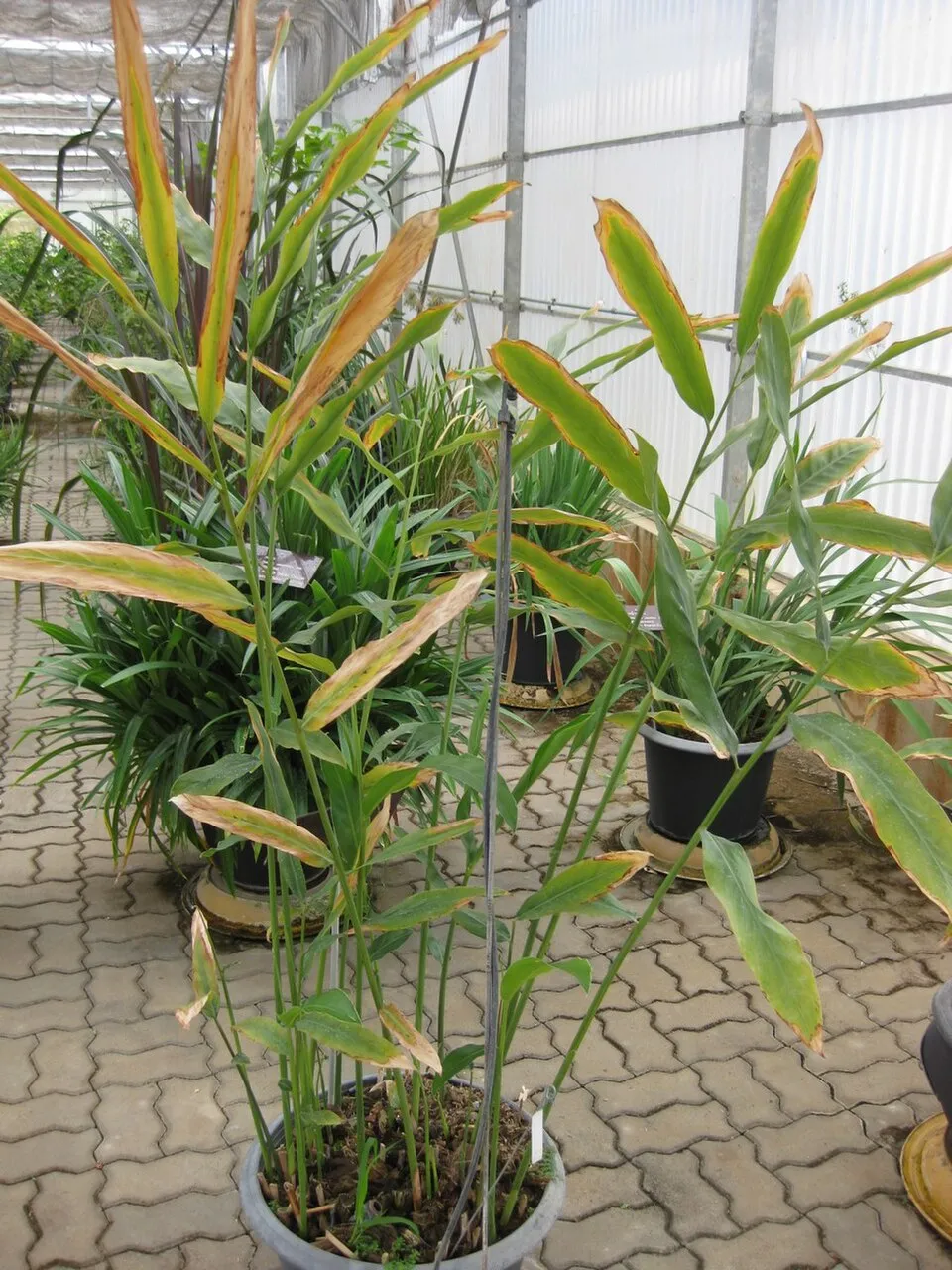
Alpinia galanga, widely recognized as greater galangal, is an impressive perennial herb thriving in the warmth of tropical and subtropical climates, particularly native to Southeast Asia, including Southern China and the Indo-Malayan region. This robust member of the Zingiberaceae family, which also encompasses ginger and turmeric, is primarily valued for its aromatic rhizomes.
The plant typically attains a height of 1 to 2 meters, characterized by its long, lanceolate leaves that can extend up to 50 cm, spirally arranged along the stem. Its inflorescence presents as dense terminal panicles of distinctive pale greenish-white flowers, each featuring a striking deep red labellum, adding to its ornamental appeal.
The rhizome itself is the most prized part, exhibiting a reddish-brown outer skin and a pale yellow to whitish interior. Its unique aromatic profile is a complex blend of pungent, peppery, camphorous, and citrus notes, which distinctly differentiates it from lesser galangal (Alpinia officinarum) and common ginger (Zingiber officinale). Historically, greater galangal has been a staple in both culinary and medicinal practices for over a millennium.
Introduced to medieval Europe by Arab traders, it was a coveted spice for flavoring foods and brewing beverages, as well as a versatile remedy for various ailments. Traditional medicine systems such as Ayurveda, Traditional Chinese Medicine (TCM), and Unani have long utilized Alpinia galanga for its potential to address digestive disorders, respiratory issues, and inflammatory conditions. Modern scientific investigations continue to explore and validate these traditional applications, identifying key bioactive compounds like diarylheptanoids, phenylpropanoids, and essential oils responsible for its therapeutic effects.
Trusted Scientific References
1. Authoritative external sources for Alpinia galanga
1.1 Wikipedia — Alpinia galanga
1.2 Kew POWO (Plants of the World Online)
1.3 PubMed — peer-reviewed research
1.4 NCBI Taxonomy Browser
1.5 GBIF — Global Biodiversity
1.1.Galangal — Standout Qualities
- ✓Botanical Name — Alpinia galanga (Greater Galangal).
- ✓Family — Zingiberaceae (Ginger family).
- ✓Primary Part Used — Highly aromatic and pungent rhizome.
- ✓Native Region — Southeast Asia (Indo-Malayan region, Southern China).
- ✓Flavor Profile — Distinctly pungent, peppery, camphorous, and citrusy.
- ✓Key Bioactives — Diarylheptanoids (e.g., 1'-acetoxychavicol acetate), Flavonoids (e.g., galangin), Essential Oils.
- ✓Traditional Uses — Digestive aid, anti-inflammatory, respiratory support, pain relief.
- ✓Modern Research — Validates antimicrobial, antioxidant, and potential antitumor activities.
- ✓Culinary Applications — Essential in Thai, Indonesian, Malaysian cuisines for curries, soups, and marinades.
- ✓Distinguishing Feature — Larger rhizome and more intense aroma compared to lesser galangal (A. officinarum).
1.2.Galangal — Quick Summary
- ✓Greater galangal (Alpinia galanga) is a pungent, aromatic rhizome from the ginger family, native to Southeast Asia.
- ✓Valued in traditional medicine (Ayurveda, TCM) and culinary arts for its unique flavor and health benefits.
- ✓Rich in bioactive compounds like diarylheptanoids, flavonoids, and essential oils.
- ✓Exhibits potent anti-inflammatory, antimicrobial, antioxidant, and digestive aid properties.
- ✓Used for conditions ranging from digestive issues and inflammation to respiratory complaints.
- ✓Caution advised for pregnant/nursing individuals and those on specific medications.
2.Galangal — Systematic Position
3.Galangal — Reference Facts
4.Galangal — Plant Morphology
5.Galangal — Where It Grows
6.Galangal — Ethnobotanical Uses
7.Galangal — Secondary Metabolites
- ✓Diarylheptanoids — Key compounds include 1'-acetoxychavicol acetate (ACA) and galangalol, known for their potent anti-inflammatory, antitumor, and antioxidant activities.
- ✓Phenylpropanoids — Such as galangol, contribute to the characteristic aroma and possess antimicrobial and antioxidant properties.
- ✓Flavonoids — Important examples are galangin, kaempferide, and quercetin, which are powerful antioxidants and contribute to the plant's anti-inflammatory effects.
- ✓Lignans — Compounds like dehydrogalangol and galangalin are present, offering additional antioxidant and potential anticancer benefits.
- ✓Essential Oils — Composed of cineole (eucalyptol), methyl cinnamate, alpha-pinene, beta-pinene, and alpha-terpineol, these volatile oils provide the pungent aroma and contribute antimicrobial and carminative actions.
- ✓Terpenoids — Various monoterpenes and sesquiterpenes are found, enhancing the plant's aromatic profile and contributing to its biological activities.
- ✓Phenolic Acids — Including ferulic acid and caffeic acid, which are recognized for their antioxidant and anti-inflammatory properties.
- ✓Polysaccharides — Contribute to the plant's potential immunomodulatory effects, supporting the body's immune response.
- ✓Tannins — Present in smaller amounts, contributing to astringent properties and antioxidant capacity.
- ✓Steroids — Minor constituents that may contribute to some of the plant's biological effects.
8.Galangal — Research Insights
- ✓Anti-inflammatory — Contains compounds like diarylheptanoids and flavonoids that help reduce inflammation pathways, offering relief for conditions such as rheumatism and arthritis.
- ✓Antimicrobial — The essential oils and phenolic compounds in galangal exhibit significant activity against various bacteria and fungi, making it useful in combating infections.
- ✓Antioxidant — Rich in flavonoids and lignans, Alpinia galanga effectively scavenges free radicals, protecting cells from oxidative damage and supporting overall cellular health.
- ✓Digestive Aid — Traditionally used to alleviate a range of gastrointestinal complaints including flatulence, stomach-ache, indigestion, and diarrhea by promoting healthy digestive function.
- ✓Antitumor/Anticancer — Pre-clinical studies suggest that specific diarylheptanoids, such as 1'-acetoxychavicol acetate, may possess properties that inhibit the growth of cancer cells.
- ✓Respiratory Support — Employed in traditional medicine to address respiratory issues, potentially helping to clear congestion and soothe irritated airways.
- ✓Pain Relief — Exhibits analgesic properties, particularly beneficial for alleviating pain associated with inflammatory conditions.
- ✓Neuroprotective — Traditional Ayurvedic uses indicate potential benefits for neurodegenerative diseases, possibly due to its antioxidant and anti-inflammatory effects protecting neuronal cells.
- ✓Antidiabetic — Historically used in some traditional systems for managing blood sugar levels, though more research is needed to fully understand this mechanism.
- ✓Immunomodulatory — Certain constituents may help modulate the immune system, enhancing the body's natural defense mechanisms.
- ✓Antiemetic — May help reduce feelings of nausea and prevent vomiting, similar to its close relative, ginger.
8.1.Galangal — Indications & Uses
9.Galangal — Risk Profile
9.1.Galangal — Reported Side Effects
- ✓Gastrointestinal Upset — High doses may lead to mild stomach discomfort, heartburn, nausea, or indigestion in sensitive individuals.
- ✓Allergic Reactions — Although rare, individuals sensitive to plants in the Zingiberaceae family may experience skin rashes, itching, or other allergic responses.
- ✓Blood Thinning — There is a theoretical risk that very high doses could interact with anticoagulant medications due to potential antiplatelet activity.
- ✓Hypotension Risk — Could potentially lower blood pressure, which warrants caution for individuals already on antihypertensive drugs or those with low blood pressure.
- ✓Pregnancy/Lactation Concerns — Insufficient safety data advises against its medicinal use during pregnancy and breastfeeding.
- ✓Drug Interactions — Potential for interaction with certain medications metabolized by the liver's cytochrome P450 enzymes.
- ✓Skin Irritation — Direct topical application of concentrated fresh galangal juice or extracts may cause localized skin irritation in some individuals.
9.2.Galangal — Toxicity Assessment
- ✓General Safety — Alpinia galanga is generally considered safe when consumed in culinary amounts as a spice.
- ✓Pregnancy & Breastfeeding — Not recommended for medicinal use during pregnancy or lactation due to a lack of comprehensive safety studies.
- ✓Medical Conditions — Individuals with gallstones, bleeding disorders, or consistently low blood pressure should consult a healthcare professional before medicinal use.
- ✓Medication Interactions — Exercise caution if taking anticoagulant medications (blood thinners) or antihypertensive drugs, as galangal may potentiate their effects.
- ✓Dosage Adherence — Always adhere to recommended dosages for supplemental forms; excessive intake can increase the risk of adverse effects.
- ✓Allergic Sensitivity — Discontinue use immediately if any signs of an allergic reaction, such as skin rash or itching, develop.
- ✓Purity and Sourcing — Ensure that galangal products are sourced from reputable suppliers to guarantee purity and prevent contamination or adulteration.
10.Galangal — How to Use
- ✓Fresh Rhizome — Sliced, minced, or crushed, it is a staple in Southeast Asian cuisine, adding a pungent, peppery flavor to curries, soups, stir-fries, and marinades.
- ✓Dried Powder — The dried and ground rhizome can be used as a spice in cooking, brewed into teas, or encapsulated for convenient medicinal supplementation.
- ✓Herbal Tea/Infusion — Thin slices of fresh or dried galangal steeped in hot water create a warming tea, traditionally used for digestive complaints or respiratory congestion.
- ✓Tincture — An alcoholic extract of the rhizome, offering a concentrated form for therapeutic use, typically administered in drops under professional guidance.
- ✓Essential Oil — Extracted via steam distillation, the essential oil is used in aromatherapy for its invigorating aroma or topically (diluted) for its anti-inflammatory properties.
- ✓Poultice/Compress — Crushed fresh galangal rhizome can be applied topically as a poultice to soothe inflammatory conditions, muscle aches, or skin irritations.
- ✓Decoction — Simmering the rhizome in water for an extended period yields a potent decoction, often preferred in traditional medicine for extracting deeper medicinal compounds.
- ✓Culinary Paste — Blended with other spices and aromatics to form curry pastes, sambals, and other traditional flavor bases.
11.Galangal — Propagation & Care
- ✓Climate — Thrives in tropical and subtropical regions, requiring ample sunlight and a consistently humid environment for optimal growth.
- ✓Soil — Prefers well-drained, fertile, loamy soil with a rich organic matter content and a slightly acidic to neutral pH range (6.0-7.0).
- ✓Propagation — Primarily propagated vegetatively by dividing the rhizomes into sections, ensuring each piece has at least one 'eye' or bud.
- ✓Planting — Rhizome pieces should be planted shallowly, approximately 5-10 cm deep, with the buds facing upwards, spaced about 30-60 cm apart.
- ✓Watering — Requires regular and consistent moisture, especially during dry spells, but it is crucial to avoid waterlogging to prevent rhizome rot.
- ✓Fertilization — Benefits from periodic application of balanced organic fertilizers or compost to support vigorous growth and rhizome development.
- ✓Harvest — Rhizomes are typically ready for harvest 8-12 months after planting, usually indicated by the yellowing of the plant's leaves.
- ✓Pests and Diseases — Generally robust, but can be susceptible to common ginger pests like shoot borers and rhizome rot in poorly drained conditions.
Reviewed by the Flora Medical Global Botanical Review Panel
Multi-disciplinary editorial group · Botany · Ethnobotany · Herbal-medicine literature
Who reviewed this: This page was checked by the Flora Medical Global Botanical Review Panel — an in-house editorial group of botany graduates, ethnobotany researchers, and horticulture practitioners who collectively maintain our 7,000+ plant encyclopedia. Meet the team.
Our 4-step verification process
1. Taxonomic verification
Scientific names and synonyms cross-checked against Kew POWO, World Flora Online, and The Plant List.
2. Phytochemical & medicinal cross-reference
Active compounds, traditional uses, and reported activities are cross-referenced with PubMed, USDA Dr. Duke's database, and peer-reviewed ethnobotanical literature.
3. Conservation & distribution check
Distribution, ecology, and conservation status confirmed against GBIF occurrence records and the IUCN Red List.
4. Editorial & safety review
Every entry passes an editorial pass for clarity, originality, and safety notices (toxicity, contraindications, dosage caveats) before publication.
Last reviewed:
Important medical disclaimer: This content is for educational and research purposes only. It is not medical advice and is not a substitute for consultation with a licensed healthcare provider. Do not use any herb to self-treat a medical condition without professional guidance.
Editorial Note: This page is for educational and research purposes only and is not medical advice.
Written by: Flora Medical Global Editorial Team
Reviewed by: Flora Medical Global Botanical Review Panel
Last Updated: June 16, 2026





Galangal — Comments & Community Reviews
Rate this plant