


Medical Disclaimer: This content is for educational purposes only. It is not medical advice. Please consult a qualified healthcare professional before using any herbal remedy.
Safety Overview
1.Gray Nicker Bean — At a Glance
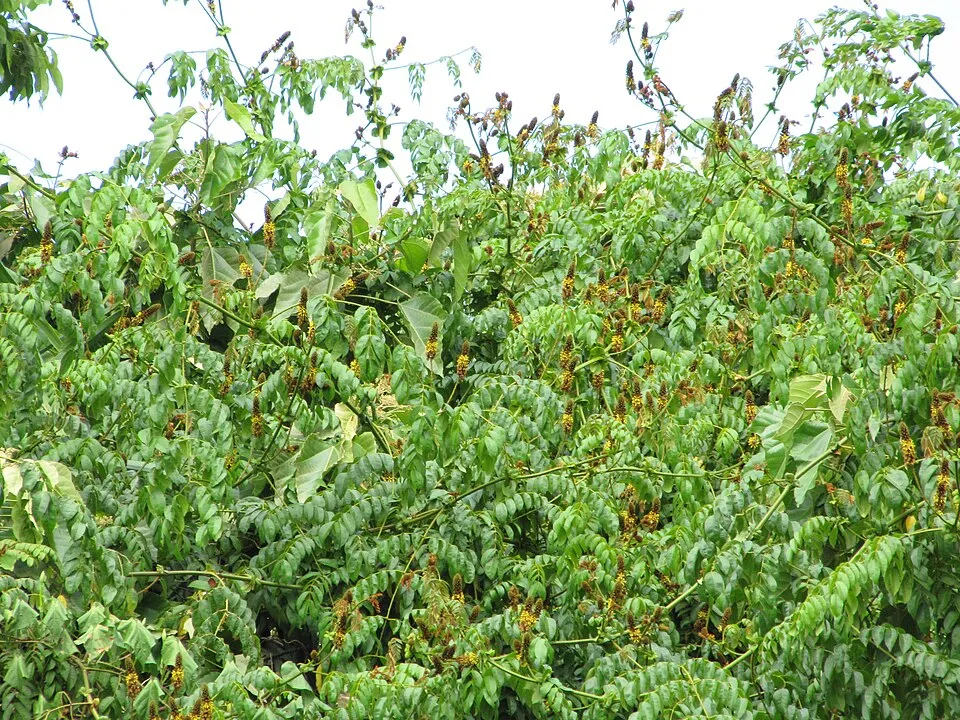
Caesalpinia bonduc, widely recognized as the Gray Nicker Bean or Nickerbean, is a resilient perennial shrub or robust clambering vine within the Fabaceae family. While historically classified under Caesalpinia, modern phylogenetic research in 2016 led to its reclassification into the genus Guilandina, where it is now botanically known as Guilandina bonduc. Despite this taxonomic refinement, the former name, Caesalpinia bonduc, remains prevalent in common usage and traditional medicinal contexts globally. This species typically grows to a height of 1 to 3 meters, though its arching, vine-like stems can aggressively scramble over other vegetation, extending up to 7.5 meters (25 feet) in its natural coastal habitats. The Gray Nicker Bean is distinguished by its bipinnately compound leaves, arranged oppositely and measuring 15 to 30 cm long, each comprising 8 to 10 pairs of elliptic to ovate leaflets, often with a glossy surface, approximately 5 to 8 cm in length.
Its robust stems are notably armed with numerous sharp, curved spines, a feature that earned it the common name 'Hold-back' and contributes to its use as a natural barrier. The bark, typically grayish, can vary from smooth to slightly rough. Flowering occurs in striking clusters of fragrant, bright yellow to yellowish-brown inflorescences, arranged in long axillary racemes, with each flower possessing five petals up to 2.5 cm wide, attracting diverse pollinators. In tropical and subtropical regions, blooming can be year-round, peaking in spring and summer. The fruit is a flat, oblong pod, densely covered in sharp spines, maturing from vibrant green to reddish-brown, eventually splitting open to reveal its seeds.
These pods can reach lengths of 10 to 20 cm. The seeds themselves are a defining characteristic: large, hard, ovoid, and initially bright green, maturing into a distinct whitish-gray, highly buoyant form, aiding in their dispersal by ocean currents. It thrives in coastal strands, mangrove swamps, and maritime hammocks, particularly in brackish sandy or calcareous soils in full sun.
Trusted Scientific References
1. Authoritative external sources for Caesalpinia bonduc
1.1 Wikipedia — Caesalpinia bonduc
1.2 Kew POWO (Plants of the World Online)
1.3 PubMed — peer-reviewed research
1.4 NCBI Taxonomy Browser
1.5 GBIF — Global Biodiversity
1.1.Gray Nicker Bean — Highlights
- ✓Botanical Name — Guilandina bonduc (formerly Caesalpinia bonduc).
- ✓Common Names — Gray Nicker Bean, Nickerbean, Fever Nut, Hold-back, Sea Bean.
- ✓Family — Fabaceae (Legume, bean, or pea family).
- ✓Growth Habit — Spiny perennial shrub or vigorous clambering vine, reaching up to 7.5 meters.
- ✓Distinctive Morphology — Features bipinnately compound leaves, sharp curved spines on stems, fragrant yellow racemes, spiny oblong pods, and hard, buoyant whitish-gray seeds.
- ✓Primary Medicinal Uses — Renowned for its antipyretic, anti-inflammatory, antimalarial, and anthelmintic activities.
- ✓Key Phytochemical — Contains potent diterpenoids, notably Bonducin, responsible for many therapeutic effects.
- ✓Habitat Preference — Thrives in coastal uplands, strands, and mangrove swamps, tolerant of brackish and saline conditions.
- ✓Ecological Role — Serves as a crucial larval host plant for the endangered Miami Blue and Nickerbean Blue butterflies.
- ✓Safety Precaution — Raw seeds are poisonous; detoxification through roasting or other processing methods is critical before internal use.
1.2.Gray Nicker Bean — In Brief
- ✓Taxonomic shift from Caesalpinia bonduc to Guilandina bonduc in 2016, though former name widely used.
- ✓Spiny perennial shrub or clambering vine with distinctive yellow flowers and prickly pods.
- ✓Traditionally revered for antipyretic, anti-inflammatory, and antimalarial properties.
- ✓Key active compounds include diterpenoids like Bonducin and various flavonoids.
- ✓Raw seeds are toxic; proper preparation is essential for medicinal use.
- ✓Ecologically significant as a larval host plant for endangered butterflies.
2.Gray Nicker Bean — Nomenclature & Classification
3.Gray Nicker Bean — Fact Sheet
4.Gray Nicker Bean — Botanical Features
5.Gray Nicker Bean — Origin & Spread
6.Gray Nicker Bean — Traditional Uses
7.Gray Nicker Bean — Key Phytochemicals
- ✓Diterpenoids — Contains key compounds like Bonducin and Caesalpinins (A-J), which are primarily responsible for its antipyretic, anti-inflammatory, and antimalarial activities.
- ✓Flavonoids — Rich in compounds such as quercetin, kaempferol, and their glycosides, contributing to its antioxidant, anti-inflammatory, and hepatoprotective effects.
- ✓Alkaloids — Includes various alkaloidal constituents like caesalpinine, which may contribute to its diverse pharmacological actions, including antimicrobial properties.
- ✓Steroids — Presence of phytosterols such as beta-sitosterol, known for their anti-inflammatory and cholesterol-lowering properties.
- ✓Saponins — These compounds contribute to the plant's emulsifying properties and may have expectorant and immunomodulatory activities.
- ✓Tannins — Abundant in the bark and leaves, providing astringent, antioxidant, and antimicrobial effects, useful in wound healing and digestive issues.
- ✓Phenolic Acids — Includes gallic acid and ellagic acid, which are potent antioxidants and contribute to the plant's anti-inflammatory and protective cellular actions.
- ✓Fatty Acids — Seeds contain essential fatty acids like oleic and linoleic acids, offering nutritional value and contributing to overall health benefits.
- ✓Glycosides — Various glycosides are present, which are sugar-bound compounds that often contribute to specific therapeutic effects upon hydrolysis.
- ✓Proteins and Amino Acids — The seeds are a source of proteins and amino acids, contributing to their nutritional profile and potential for various biochemical functions.
8.Gray Nicker Bean — Scientific Evidence
- ✓Antipyretic Action — The seeds, particularly due to the presence of Bonducin, are traditionally and anecdotally used to reduce fever, acting as a natural febrifuge.
- ✓Anti-inflammatory Properties — Extracts from various parts of the plant, including seeds and leaves, exhibit anti-inflammatory effects, traditionally applied to reduce swelling and pain.
- ✓Antimalarial Efficacy — Historically, the Gray Nicker Bean has been employed in traditional systems to treat malaria and intermittent fevers, with preliminary research supporting its potential against malarial parasites.
- ✓Anthelmintic Activity — The seeds are widely recognized for their ability to expel intestinal worms and parasites, making them a common vermifuge in traditional medicine.
- ✓Antidiabetic Potential — Studies suggest the plant may possess hypoglycemic properties, potentially aiding in blood sugar regulation, making it relevant for diabetes management in some traditional practices.
- ✓Antioxidant Effects — Rich in flavonoids and phenolic compounds, Guilandina bonduc exhibits significant antioxidant activity, helping to neutralize free radicals and protect cells from oxidative stress.
- ✓Hepatoprotective Benefits — Traditional uses indicate liver-protective properties, with some research exploring its potential to support liver health against various toxins.
- ✓Immunomodulatory Support — Certain compounds within the plant may help modulate the immune system, enhancing the body's natural defense mechanisms.
- ✓Analgesic Relief — Topically, pastes or oils made from the plant are used for pain relief, while internal preparations may offer systemic analgesic effects for various aches.
- ✓Antimicrobial Action — Extracts have shown activity against various bacteria and fungi, supporting its traditional use in treating infections and skin ailments.
- ✓Digestive Aid — Traditionally, preparations from the plant have been used to alleviate various digestive complaints, including dyspepsia and stomach discomfort.
- ✓Anti-asthmatic Properties — In some traditional systems, extracts are used to manage respiratory conditions like asthma, possibly due to bronchodilatory or anti-inflammatory effects.
8.1.Gray Nicker Bean — Therapeutic Indications
9.Gray Nicker Bean — Cautions & Contraindications
9.1.Gray Nicker Bean — Side Effects & Warnings
- ✓Raw Seed Toxicity — Ingestion of raw, unprocessed seeds is poisonous and can cause severe gastrointestinal distress, including nausea, vomiting, and diarrhea.
- ✓Gastrointestinal Upset — Improper dosage or preparation of even processed plant material can lead to stomach discomfort, cramping, or loose stools.
- ✓Allergic Reactions — Sensitive individuals may experience skin irritation, itching, or contact dermatitis from topical application of plant parts.
- ✓Drug Interactions — May interact with antidiabetic medications, blood thinners, or other antipyretic drugs, potentially altering their effects.
- ✓Pregnancy & Lactation — Not recommended for use by pregnant or breastfeeding women due to insufficient safety data and potential abortifacient properties.
- ✓Pediatric Use — Use in children should be strictly avoided or undertaken only under the direct supervision of a qualified medical herbalist due to toxicity risks.
- ✓Physical Injury — The plant's numerous sharp spines pose a risk of cuts or punctures during handling.
9.2.Gray Nicker Bean — Safety Overview
- ✓Expert Consultation — Always consult a qualified medical herbalist or healthcare professional before using Gray Nicker Bean for medicinal purposes.
- ✓Proper Preparation — Crucial to correctly process seeds (e.g., roasting) to neutralize toxic compounds and ensure safe consumption.
- ✓Dosage Adherence — Strictly follow recommended dosages from traditional practices or expert guidance to avoid adverse effects.
- ✓Contraindications — Avoid use during pregnancy, lactation, in young children, and by individuals with known allergies to Fabaceae plants.
- ✓Drug Interactions — Exercise caution if taking medications for diabetes, blood clotting, or fever, as interactions are possible.
- ✓Patch Testing — Perform a patch test on a small skin area before extensive topical application to check for allergic reactions.
- ✓Quality Sourcing — Ensure plant material is correctly identified, ethically sourced, and free from pesticides or contaminants to maintain safety and efficacy.
10.Gray Nicker Bean — Usage Guide
- ✓Seed Decoction — Properly processed seeds (often roasted and crushed to neutralize toxins) are traditionally boiled to create a decoction used for fevers, inflammation, and parasitic infections.
- ✓Powdered Seeds/Roots — Dried and finely powdered seeds or roots are administered orally, typically mixed with honey or water, for antimalarial, antipyretic, and anthelmintic purposes.
- ✓Leaf & Bark Pastes — Fresh leaves or bark are crushed into a paste and applied topically to treat swellings, skin ailments, insect bites, and localized pain.
- ✓Oil Infusions — Seeds or other plant parts can be infused in carrier oils (like coconut oil) for external application as a liniment for joint pain, muscle aches, and rheumatic conditions.
- ✓Traditional Concoctions — Often combined with other specific herbs in polyherbal formulations according to Ayurvedic, Unani, or other traditional medicinal practices for complex ailments.
- ✓Coffee Substitute — Historically, the detoxified, roasted, and steeped seeds have been used as a coffee substitute, implying a mild stimulating or tonic effect.
- ✓Eye Preparations — In some traditional systems, extracts or diluted preparations are used cautiously for eye infections or inflammation, though this requires extreme care and expert guidance.
- ✓External Washes — Decoctions of leaves or bark can be used as external washes for skin conditions, wounds, or as an antiseptic rinse.
11.Gray Nicker Bean — Garden Cultivation
- ✓Propagation — Primarily propagated from seeds, which can be hard and benefit from scarification to aid germination.
- ✓Soil Requirements — Thrives in moist to occasionally inundated, brackish sandy or calcareous soils, demonstrating tolerance for nutrient-poor conditions.
- ✓Light Exposure — Requires full sun exposure to flourish, producing optimal flowering and fruiting.
- ✓Hardiness Zones — Best suited for USDA Hardiness Zones 9–11, indicating its preference for warm, subtropical to tropical climates.
- ✓Watering — Highly drought-tolerant once established, and capable of tolerating brackish water or occasional inundation by saltwater.
- ✓Growth Habit Management — Due to its aggressive, clambering, and spiny nature, it is not recommended for general home landscaping; best appreciated in natural habitats or controlled environments.
- ✓Landscape Use — Can serve as an effective, thorny barrier plant in appropriate large-scale or ecological restoration settings.
- ✓Maintenance — In restoration projects, its aggressive growth may require regular control to prevent overgrowth of other vegetation.
Reviewed by the Flora Medical Global Botanical Review Panel
Multi-disciplinary editorial group · Botany · Ethnobotany · Herbal-medicine literature
Who reviewed this: This page was checked by the Flora Medical Global Botanical Review Panel — an in-house editorial group of botany graduates, ethnobotany researchers, and horticulture practitioners who collectively maintain our 7,000+ plant encyclopedia. Meet the team.
Our 4-step verification process
1. Taxonomic verification
Scientific names and synonyms cross-checked against Kew POWO, World Flora Online, and The Plant List.
2. Phytochemical & medicinal cross-reference
Active compounds, traditional uses, and reported activities are cross-referenced with PubMed, USDA Dr. Duke's database, and peer-reviewed ethnobotanical literature.
3. Conservation & distribution check
Distribution, ecology, and conservation status confirmed against GBIF occurrence records and the IUCN Red List.
4. Editorial & safety review
Every entry passes an editorial pass for clarity, originality, and safety notices (toxicity, contraindications, dosage caveats) before publication.
Last reviewed:
Important medical disclaimer: This content is for educational and research purposes only. It is not medical advice and is not a substitute for consultation with a licensed healthcare provider. Do not use any herb to self-treat a medical condition without professional guidance.
Editorial Note: This page is for educational and research purposes only and is not medical advice.
Written by: Flora Medical Global Editorial Team
Reviewed by: Flora Medical Global Botanical Review Panel
Last Updated: June 16, 2026





Gray Nicker Bean — Comments & Community Reviews
Rate this plant