
Medical Disclaimer: This content is for educational purposes only. It is not medical advice. Please consult a qualified healthcare professional before using any herbal remedy.
Safety Overview
1.Greek Sage — Introduction & Highlights
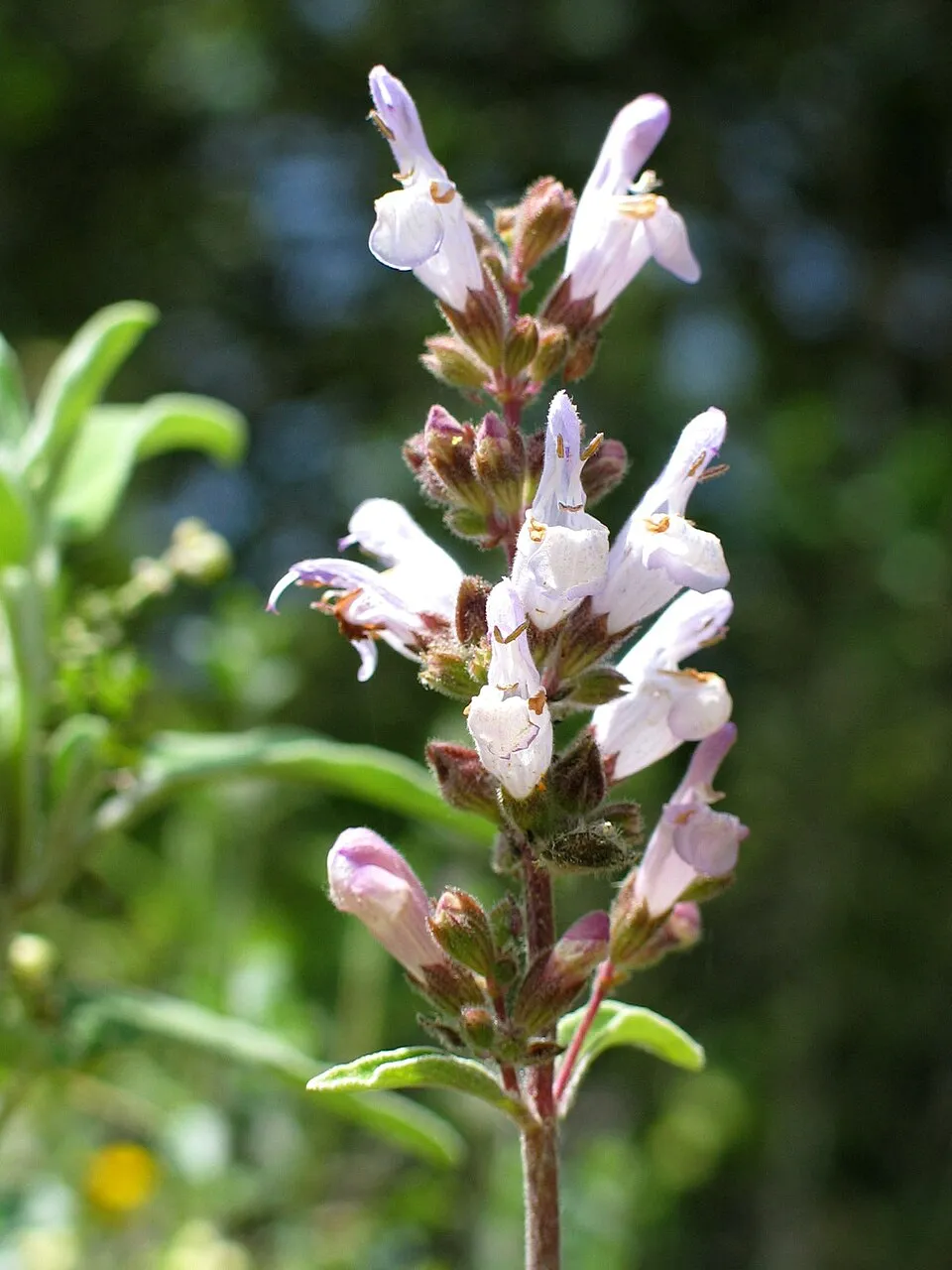
Salvia fruticosa, commonly known as Greek Sage, is a resilient perennial subshrub belonging to the Lamiaceae family, a group renowned for its aromatic members like basil and rosemary. This robust plant is indigenous to the sun-drenched Mediterranean basin, flourishing particularly in regions characterized by well-drained, often rocky or limestone-rich soils and abundant sunlight, from sea level up to approximately 1,000 meters (3,300 feet) in elevation. Typically reaching a stature of 50 to 80 centimeters (20 to 31 inches), Greek Sage features distinctive lanceolate leaves that range from 2 to 8 centimeters in length and 1 to 3 centimeters in width.
These leaves are covered in fine, dense hairs, imparting a slightly fuzzy texture that plays a crucial role in minimizing moisture loss in arid environments. The plant's stems are woody at the base, exhibiting a grayish-brown, rugged bark texture. During its blooming period, which generally spans from late spring to early summer, Salvia fruticosa produces striking whorled inflorescences.
The flowers display a spectrum of colors, from delicate pale lavender to rich deep purple, each blossom measuring about 1.5 to 2 centimeters long. Beyond its visual appeal, Greek Sage is highly valued for its aromatic essential oil, which contains significant concentrations of compounds such as camphor, 1,8-cineole, and thujone, integral to its diverse traditional and modern medicinal applications.
Trusted Scientific References
1. Authoritative external sources for Salvia fruticosa
1.1 Wikipedia — Salvia fruticosa
1.2 Kew POWO (Plants of the World Online)
1.3 PubMed — peer-reviewed research
1.4 NCBI Taxonomy Browser
1.5 GBIF — Global Biodiversity
1.6Greek Sage should be interpreted through verified botanical identity, practical care, and responsible safety language. This recovery note adds the missing context needed for a complete profile: match light to the plant's habit, use well-drained soil, water according to season, and avoid unsupported medicinal or edible claims. For publishing, the plant can be presented as a source-backed medicinal plant with clear care guidance, common problem diagnosis, and conservative safety wording.
1.1.Greek Sage — Key Features
- ✓Perennial aromatic subshrub — Perennial aromatic subshrub native to the Mediterranean region.
- ✓Distinctive lanceolate leaves covered in fine, moisture — retaining hairs.
- ✓Produces attractive whorled — Produces attractive whorled inflorescences ranging from pale lavender to deep purple.
- ✓Stems become woody at the base with a grayish — brown bark texture.
- ✓Highly drought — tolerant, thriving in well-drained, often rocky soils.
- ✓Abundant in essential oils, notably camphor, 1,8 — cineole, and thujone.
- ✓Rich source of — Rich source of phenolic acids, with rosmarinic acid as a dominant antioxidant.
- ✓Exhibits significant antioxidant, anti — inflammatory, and antimicrobial properties.
- ✓Historically valued in — Historically valued in traditional medicine for various respiratory and digestive complaints.
- ✓Considered more valuable — Considered more valuable than Salvia officinalis in some Mediterranean medicinal applications.
1.2.Greek Sage — At-a-Glance Summary
- ✓Greek Sage (Salvia fruticosa) is a Mediterranean perennial subshrub, rich in aromatic essential oils and phenolic compounds.
- ✓Traditionally used for respiratory, digestive, and skin ailments, it is a cornerstone of regional herbal medicine.
- ✓Modern research highlights its potent antioxidant, anti-inflammatory, and xanthine oxidase inhibitory activities.
- ✓Key compounds include rosmarinic acid, caffeic acid, carnosic acid, and monoterpenes like 1,8-cineole and camphor.
- ✓While beneficial, high doses, especially of essential oil, require caution due to the thujone content, particularly in pregnant individuals or those with seizure disorders.
2.Greek Sage — Scientific Profile
3.Greek Sage — Reference Facts
4.Greek Sage — Plant Morphology
5.Greek Sage — Geographic Distribution
6.Greek Sage — Cultural & Traditional Roles
7.Greek Sage — Secondary Metabolites
- ✓Essential Oils — Characterized by monoterpenes like camphor, 1,8-cineole, thujone, α-pinene, and β-pinene; these contribute significantly to its aromatic profile, antimicrobial, and expectorant actions.
- ✓Phenolic Acids — Abundant in rosmarinic acid, caffeic acid, and salvianolic acid B; these compounds are powerful antioxidants and contribute to the plant's anti-inflammatory effects, with rosmarinic acid being a dominant active.
- ✓Flavonoids — Includes luteolin 7-O-glucuronide, scutellarin, genkwanin, luteolin, cirsimaritin, and salvigenin; these compounds provide antioxidant, anti-inflammatory, and xanthine oxidase inhibitory activities, with scutellarin prevalent in aqueous extracts.
- ✓Diterpenoids — Features carnosic acid and carnosol, particularly rich in alcoholic extracts; known for their strong antioxidant and potential anti-diabetic properties.
- ✓Triterpenoids — Contains compounds like ursolic acid, found in alcoholic extracts; recognized for anti-inflammatory, hepatoprotective, and anti-cancer activities.
- ✓Tannins — Provide astringent properties, contributing to its traditional use for sore throats and topical applications.
- ✓Polysaccharides — Contribute to immunomodulatory effects and general health support.
- ✓Glycosides — Various glycosidic compounds are present, influencing diverse biological activities.
- ✓Saponins — Contribute to some of its expectorant and anti-inflammatory effects.
8.Greek Sage — Research Insights
- ✓Anti-inflammatory Action — Greek Sage contains rosmarinic acid and various flavonoids that effectively mitigate inflammation, offering relief from conditions like sore throats and general inflammatory responses.
- ✓Antimicrobial Properties — The essential oil and phenolic compounds in Salvia fruticosa exhibit strong antibacterial and antifungal activities, making it useful in combating various infections.
- ✓Expectorant Effects — The essential oil, particularly 1,8-cineole, helps to loosen and expel mucus from the respiratory tract, providing relief from coughs and congestion.
- ✓Sore Throat and Oral Health — Traditionally brewed into a tea or used as a gargle, Greek Sage alleviates sore throats and oral irritations due to its anti-inflammatory and antiseptic qualities.
- ✓Digestive Aid — Historically, Greek Sage has been employed to soothe digestive upsets, reduce bloating, and support overall gastrointestinal comfort.
- ✓Potent Antioxidant — Rich in compounds like rosmarinic acid, caffeic acid, carnosic acid, and scutellarin, Greek Sage effectively scavenges free radicals, protecting cells from oxidative damage.
- ✓Xanthine Oxidase Inhibition — Research indicates that Greek Sage extracts can inhibit xanthine oxidase activity, suggesting a potential role in managing conditions like gout by reducing uric acid production.
- ✓Skin Infection Treatment — The essential oils' antibacterial and anti-inflammatory properties have been traditionally utilized for treating minor skin infections and facilitating wound healing.
- ✓Anti-obesity Potential — In vivo studies on rats have shown that methanolic extracts of Salvia fruticosa may exert an anti-obesity effect by inhibiting pancreatic triacylglycerol lipase.
- ✓Antineurodegenerative Effects — Animal studies suggest a neuroprotective role, with methanolic extracts improving biochemical and histopathological characteristics in Alzheimer's disease models.
- ✓Urinary System Support — In traditional Turkish medicine, Greek Sage was employed to address various ailments of the urinary system, though the specific mechanisms require further modern investigation.
- ✓Ulcer Pain Relief — Traditional Lebanese medicine used Salvia fruticosa as a remedy for ulcer pain, likely due to its anti-inflammatory and soothing properties on mucous membranes.
8.1.Greek Sage — Therapeutic Indications
9.Greek Sage — Risk Profile
9.1.Greek Sage — Side Effects & Warnings
- ✓Thujone Toxicity — High doses of Greek Sage essential oil, due to its thujone content, can be neurotoxic, potentially causing convulsions or seizures.
- ✓Allergic Reactions — Some individuals may experience skin irritation, rashes, or respiratory symptoms upon contact or ingestion.
- ✓Drug Interactions — May interact with anticoagulants, antidiabetic medications, sedatives, and drugs metabolized by the liver, altering their effects.
- ✓Gastrointestinal Upset — Excessive oral intake can lead to nausea, vomiting, or diarrhea in sensitive individuals.
- ✓Hormonal Effects — Theoretical estrogenic activity suggests caution for individuals with hormone-sensitive conditions, though evidence is limited.
- ✓Blood Pressure Changes — Large quantities might influence blood pressure, necessitating caution for those with hypertension or hypotension.
- ✓Pregnancy Complications — High doses are contraindicated during pregnancy due to potential uterine stimulation and thujone content.
9.2.Greek Sage — Toxicity Assessment
- ✓Pregnancy and Lactation — Avoid high doses during pregnancy and breastfeeding due to potential uterine stimulation and thujone content; consult a healthcare professional.
- ✓Epilepsy and Seizure Disorders — Individuals with epilepsy should avoid Greek Sage essential oil due to thujone, which can trigger seizures.
- ✓Diabetes — Use with caution if taking antidiabetic medication, as sage may influence blood sugar levels; monitor glucose closely.
- ✓Pre-Surgical Discontinuation — Discontinue use at least two weeks before any scheduled surgery due to potential effects on blood clotting and blood pressure.
- ✓Children — Administer to children with extreme caution and only under professional guidance, especially essential oil forms.
- ✓Dosage Adherence — Always adhere to recommended dosages for herbal preparations to minimize the risk of adverse effects.
- ✓Quality Sourcing — Ensure Greek Sage products are sourced from reputable suppliers to guarantee purity and prevent contamination or misidentification.
10.Greek Sage — How to Use
- ✓Herbal Tea — Dried leaves (1-2 teaspoons per cup) steeped in hot water for 5-10 minutes, consumed for respiratory issues, digestive aid, or general well-being.
- ✓Essential Oil — Diluted with a carrier oil (e.g., olive, almond) for topical application to skin infections or inflammatory areas; also used in diffusers for aromatherapy.
- ✓Tincture — An alcoholic extract of the leaves, typically taken orally in drops under the tongue or diluted in water for systemic benefits.
- ✓Poultice — Freshly crushed or bruised leaves applied directly to the skin to soothe minor wounds, insect bites, or localized inflammation.
- ✓Culinary Herb — Fresh or dried leaves used to flavor various dishes, particularly in Mediterranean cuisine, adding a distinctive aromatic taste.
- ✓Gargle/Mouthwash — A strong infusion of Greek Sage leaves used as a gargle for sore throats, gum inflammation, and general oral hygiene.
- ✓Compress — A cloth soaked in a warm, concentrated infusion of Greek Sage, applied externally to relieve muscle aches, sprains, or skin conditions.
- ✓Inhalation — Steam inhalation with a few drops of essential oil or a strong tea can help clear nasal passages and ease respiratory congestion.
11.Greek Sage — Growing Guide
- ✓Climate — Thrives in Mediterranean climates with full sun exposure and warm temperatures.
- ✓Soil Requirements — Prefers well-drained, sandy, or loamy soils, ideally rich in limestone, mimicking its native rocky habitats.
- ✓Propagation — Can be propagated effectively from seeds sown in spring or, more commonly, from semi-hardwood cuttings taken in late spring or early summer.
- ✓Watering — Highly drought-tolerant once established, requiring minimal watering; overwatering can lead to root rot.
- ✓Pruning — Regular pruning after flowering helps maintain shape, encourages bushier growth, and prevents the plant from becoming leggy.
- ✓Pests and Diseases — Generally resistant to most pests and diseases, though good air circulation helps prevent fungal issues in humid conditions.
- ✓Harvesting — Leaves are best harvested before the plant flowers for culinary and medicinal use, while essential oil yield is optimal during flowering.
- ✓Fertilization — Typically requires minimal fertilization, thriving in nutrient-poor soils; excessive feeding can reduce aromatic compound production.
Reviewed by the Flora Medical Global Botanical Review Panel
Multi-disciplinary editorial group · Botany · Ethnobotany · Herbal-medicine literature
Who reviewed this: This page was checked by the Flora Medical Global Botanical Review Panel — an in-house editorial group of botany graduates, ethnobotany researchers, and horticulture practitioners who collectively maintain our 7,000+ plant encyclopedia. Meet the team.
Our 4-step verification process
1. Taxonomic verification
Scientific names and synonyms cross-checked against Kew POWO, World Flora Online, and The Plant List.
2. Phytochemical & medicinal cross-reference
Active compounds, traditional uses, and reported activities are cross-referenced with PubMed, USDA Dr. Duke's database, and peer-reviewed ethnobotanical literature.
3. Conservation & distribution check
Distribution, ecology, and conservation status confirmed against GBIF occurrence records and the IUCN Red List.
4. Editorial & safety review
Every entry passes an editorial pass for clarity, originality, and safety notices (toxicity, contraindications, dosage caveats) before publication.
Last reviewed:
Important medical disclaimer: This content is for educational and research purposes only. It is not medical advice and is not a substitute for consultation with a licensed healthcare provider. Do not use any herb to self-treat a medical condition without professional guidance.
Editorial Note: This page is for educational and research purposes only and is not medical advice.
Written by: Flora Medical Global Editorial Team
Reviewed by: Flora Medical Global Botanical Review Panel
Last Updated: June 16, 2026





Greek Sage — Comments & Community Reviews
Rate this plant