
Medical Disclaimer: This content is for educational purposes only. It is not medical advice. Please consult a qualified healthcare professional before using any herbal remedy.
Safety Overview
1.Gymnema Mountain — Botanical Snapshot

Gymnema Mountain, scientifically known as Gymnema montanum, is a captivating perennial climbing vine belonging to the Apocynaceae family, a diverse group that also encompasses well-known plants like milkweed and periwinkle. This robust climber can ascend to impressive heights of up to 5 meters, intertwining itself with other vegetation in its native habitat. Its foliage is particularly distinctive, featuring broad, ovate leaves that typically range from 6 to 12 centimeters in length. These leaves present a glossy dark green surface and possess a notably leathery texture, making them resilient to various environmental conditions.
The plant's reproductive structures are characterized by small, tubular flowers, which are usually cream to yellow in hue and frequently appear in charming clusters called axillary cymes. The bark of Gymnema montanum is smooth and greyish-brown, often exhibiting a subtle mottled texture that adds to its aesthetic appeal. This species thrives predominantly in the warm, humid conditions of tropical climates, making its primary geographic distribution the lush forests of India. It is particularly abundant in the central and southern regions of the subcontinent, where it flourishes in well-drained, loamy soils, indicative of its preference for rich, moist, but not waterlogged, substrates.
Historically, and continuing into contemporary herbal practices, Gymnema montanum holds significant traditional importance. Similar to its more widely recognized relative, Gymnema sylvestre, this species is highly valued for its unique physiological effects, particularly its reported ability to suppress the perception of sweetness on the tongue, which naturally leads to a reduction in sugar cravings. This characteristic, coupled with its potential to contribute positively to glycemic control, has cemented its role as a key player in various herbal remedies aimed at supporting metabolic health and managing conditions like diabetes. Beyond its metabolic applications, traditional systems of medicine have also harnessed Gymnema montanum for immune support, its purported anti-inflammatory properties, and as a general tonic for overall wellness, underscoring its multifaceted therapeutic potential.
Trusted Scientific References
Authoritative external sources for Gymnema montanum:
1.1.Gymnema Mountain — Highlights
- ✓Perennial Climbing Vine — Robust growth habit, reaching up to 5 meters in height.
- ✓Leathery Ovate Leaves — Distinctive glossy dark green foliage, 6-12 cm long.
- ✓Cream to Yellow Flowers — Small, tubular blooms clustered in axillary cymes.
- ✓Native to India — Thrives in tropical forests of Central and South India.
- ✓Apocynaceae Family — Belongs to the milkweed and periwinkle family.
- ✓Sugar — Blocking Effect — Unique ability to temporarily suppress sweet taste perception.
- ✓Glycemic Control Potential — Traditional and research-supported role in blood sugar management.
- ✓Rich in Gymnemic Acids — Key bioactive compounds responsible for its effects.
- ✓Traditional Ayurvedic Use — Long history in Indian traditional medicine for various ailments.
- ✓Adaptogenic Properties — May help the body adapt to stress and support overall wellness.
- ✓Anti — inflammatory Actions — Contains compounds that help reduce inflammation.
- ✓Antioxidant Rich — Offers protection against oxidative stress and free radical damage.
- ✓Immune Support — Traditionally used to bolster the body's immune response.
- ✓Sustainable Harvesting — Leaves are the primary medicinal part, allowing for sustainable collection.
- ✓Versatile Preparations — Can be used as tea, powder, tincture, or topical application.
1.2.Gymnema Mountain — In Brief
- ✓Gymnema montanum is a tropical climbing vine from the Apocynaceae family.
- ✓Renowned for its traditional use in managing blood sugar and reducing sugar cravings.
- ✓Contains gymnemic acids, responsible for temporarily blocking sweet taste perception.
- ✓Also used for immune support, anti-inflammatory effects, and digestive health.
- ✓Requires well-drained soil, warm climate, and support for optimal growth.
- ✓Available as teas, powders, tinctures, and standardized extracts.
- ✓Potential side effects include hypoglycemia and digestive upset; caution advised with diabetes medications.
- ✓Not recommended during pregnancy, breastfeeding, or before surgery.
2.Gymnema Mountain — Scientific Identity
3.Gymnema Mountain — Categories & Tags
4.Gymnema Mountain — Botanical Features
5.Gymnema Mountain — Traditional Uses
6.Gymnema Mountain — Chemical Profile
- ✓Triterpenoid Saponins — These are the primary active compounds, notably gymnemic acids (I-XVIII), which are responsible for the 'sugar-blocking' effect and also exhibit hypoglycemic and hypolipidemic activities.
- ✓Gymnema Saponins — A broader class of saponins found in the plant, contributing to its diverse pharmacological effects beyond just taste suppression.
- ✓Gurmarin — A polypeptide that also plays a role in the plant's ability to inhibit the perception of sweetness.
- ✓Flavonoids — Compounds like quercetin and kaempferol derivatives contribute to the plant's antioxidant and anti-inflammatory properties, protecting against cellular damage.
- ✓Alkaloids — Various alkaloids are present, which may contribute to the plant's overall therapeutic profile, including potential effects on metabolism and nervous system.
- ✓Anthraquinones — These compounds may contribute to laxative effects and possess some antimicrobial activities, though their specific role in Gymnema montanum's primary benefits is less pronounced.
- ✓Phytosterols — Including beta-sitosterol, which are known for their cholesterol-lowering properties and anti-inflammatory effects.
- ✓Resins — Complex mixtures that often contain a variety of active compounds and contribute to the plant's traditional medicinal uses.
- ✓Tannins — Astringent compounds that can contribute to anti-inflammatory, antimicrobial, and antioxidant effects, also potentially aiding in digestive health.
- ✓Amino Acids — Essential and non-essential amino acids are present, supporting general plant physiology and potentially contributing to nutritional value.
- ✓Minerals — Contains various essential minerals, though typically not in concentrations considered primary therapeutic agents, they contribute to overall plant health and potential minor nutritional support.
- ✓Glycosides — A general class of compounds, often linked to the plant's specific medicinal actions, including cardenolide glycosides in some Apocynaceae members.
- ✓Chlorophylls — Photosynthetic pigments, not directly medicinal but vital for plant survival and indicative of healthy plant material.
7.Gymnema Mountain — Scientific Evidence
- ✓Glycemic Control Support — Gymnema montanum is traditionally used to assist in maintaining healthy blood sugar levels, potentially by enhancing insulin secretion from pancreatic beta cells and improving glucose utilization.
- ✓Sugar Craving Reduction — The plant is renowned for its unique ability to temporarily block the sweet taste receptors on the tongue, which can significantly reduce the desire for sugary foods and beverages.
- ✓Weight Management Aid — By reducing sugar intake and potentially modulating fat absorption, Gymnema montanum may serve as a supportive herb in comprehensive weight management programs.
- ✓Digestive Health Enhancement — Traditional uses suggest its role in promoting healthy digestion and alleviating various gastrointestinal discomforts, possibly due to its bitter compounds.
- ✓Anti-inflammatory Action — Bioactive compounds within Gymnema montanum exhibit anti-inflammatory properties, which may help mitigate inflammation throughout the body and support joint health.
- ✓Immune System Modulation — The plant is believed to possess immunomodulatory effects, helping to strengthen the body's natural defenses and enhance overall immune response against pathogens.
- ✓Antioxidant Protection — Rich in flavonoids and other phenolic compounds, Gymnema montanum provides antioxidant benefits, combating oxidative stress and protecting cells from free radical damage.
- ✓Cholesterol Management — Some research indicates that Gymnema species may help regulate lipid profiles, contributing to healthy cholesterol and triglyceride levels, thus supporting cardiovascular health.
- ✓Liver Support — Traditional medicine often utilizes Gymnema montanum to support liver function, aiding in detoxification processes and protecting hepatic cells from damage.
- ✓Antimicrobial Properties — Extracts of Gymnema montanum have demonstrated antimicrobial activity against certain bacteria and fungi, suggesting its potential in fighting infections.
- ✓Diuretic Effects — The plant may possess mild diuretic properties, assisting the body in expelling excess fluids and supporting kidney function.
- ✓Wound Healing Acceleration — Topically, or through internal use, Gymnema montanum has been traditionally applied to support the healing of wounds and skin ailments, likely due to its anti-inflammatory and antimicrobial actions.
- ✓Stress Adaptation — As an adaptogen, it may help the body cope with various stressors, promoting a sense of balance and well-being.
- ✓Oral Health Maintenance — Due to its antimicrobial properties and effects on taste, it could indirectly support oral hygiene and reduce the incidence of dental issues.
- ✓Energy Metabolism Support — By influencing glucose and lipid metabolism, Gymnema montanum may contribute to more stable energy levels throughout the day.
7.1.Gymnema Mountain — Reported Uses
8.Gymnema Mountain — Safety Considerations
8.1.Gymnema Mountain — Warnings
- ✓Hypoglycemia — May cause blood sugar levels to drop too low, especially when taken with diabetes medications, leading to dizziness, sweating, or confusion.
- ✓Digestive Upset — Some individuals may experience mild gastrointestinal symptoms such as nausea, stomach upset, or diarrhea.
- ✓Allergic Reactions — Rare cases of allergic reactions like skin rash, itching, or hives have been reported in sensitive individuals.
- ✓Headaches — Occasional reports of headaches have been associated with Gymnema consumption, though the mechanism is not fully understood.
- ✓Altered Taste Perception — While intended, the temporary loss of sweet taste can be perceived as an unwanted side effect by some users, lasting for up to an hour.
- ✓Fatigue or Weakness — In some instances, users may report feeling unusually tired or weak, particularly if blood sugar levels fluctuate significantly.
- ✓Liver Enzyme Changes — Although rare, there have been isolated reports of elevated liver enzymes, suggesting potential liver stress in susceptible individuals.
- ✓Interference with Iron Absorption — Some compounds in Gymnema may theoretically interfere with the absorption of certain minerals, including iron, if consumed in very high doses.
8.2.Gymnema Mountain — Safety Profile
- ✓Pregnancy and Breastfeeding — Insufficient reliable information exists regarding its safety during pregnancy and breastfeeding; therefore, avoidance is recommended.
- ✓Diabetes Medications — Use with extreme caution and under medical supervision if taking antidiabetes drugs, as it may potentiate their effects and cause severe hypoglycemia.
- ✓Scheduled Surgery — Discontinue use at least two weeks before any scheduled surgery due to its potential effects on blood sugar regulation and interaction with anesthesia.
- ✓Liver Conditions — Individuals with pre-existing liver conditions should consult a healthcare professional before use, as rare cases of liver enzyme elevation have been reported.
- ✓Autoimmune Diseases — Due to its potential immunomodulatory effects, individuals with autoimmune conditions should use it cautiously and under expert guidance.
- ✓Children and Infants — Not recommended for use in children or infants due to a lack of safety data and potential for significant blood sugar changes.
- ✓Allergic Sensitivities — People with known allergies to plants in the Apocynaceae family should avoid Gymnema montanum.
- ✓Monitoring Blood Sugar — Individuals using Gymnema for blood sugar control should regularly monitor their glucose levels to prevent hypoglycemia.
- ✓Drug Interactions — May interact with medications metabolized by the liver (e.g., CYP1A2, CYP2C9, CYP3A4 substrates), potentially altering their effectiveness or side effects.
- ✓Discontinue if Adverse Effects — If any adverse reactions occur, discontinue use immediately and seek medical advice.
9.Gymnema Mountain — Preparation Methods
- ✓Herbal Tea Infusion — Dried leaves can be steeped in hot water to prepare a tea, often consumed before meals to help manage blood sugar levels or reduce sugar cravings.
- ✓Powdered Leaf Supplement — Dried and ground leaves are encapsulated or mixed into beverages, providing a concentrated dose of the plant's active compounds.
- ✓Tincture Preparation — Fresh or dried leaves are macerated in alcohol and water to create a liquid extract, allowing for precise dosing and extended shelf life.
- ✓Topical Application — Crushed fresh leaves or a paste made from powdered leaves can be applied externally for traditional wound healing or skin conditions.
- ✓Decoction — For tougher plant parts like roots or stems, a decoction involves simmering the material in water for a longer period to extract beneficial compounds.
- ✓Syrups and Elixirs — Extracts can be incorporated into sweet syrups or elixirs for easier administration, especially for children or those sensitive to bitter tastes.
- ✓Culinary Use (Limited) — While not a common culinary herb, some traditional dishes might incorporate small amounts of the leaves for their specific properties.
- ✓Mouth Rinse — An infusion of the leaves can be used as a mouth rinse to temporarily block sweet taste receptors before consuming sugary foods.
- ✓Standardized Extracts — Available in supplement form, these extracts provide a consistent concentration of key active compounds like gymnemic acids for predictable effects.
- ✓Oil Infusion — Leaves can be infused into carrier oils for topical applications, combining the plant’s benefits with the moisturizing properties of the oil.
- ✓Poultices — Freshly crushed leaves can be formed into a poultice and applied directly to the skin for localized relief.
- ✓Combination Formulas — Often blended with other herbs in traditional and modern formulations to enhance its effects or address multiple health concerns simultaneously.
10.Gymnema Mountain — Garden Cultivation
- ✓Climate Preference — Thrives in tropical and subtropical climates with high humidity and warm temperatures, ideally between 20-35°C (68-95°F).
- ✓Soil Requirements — Prefers well-drained, loamy soils rich in organic matter, with a slightly acidic to neutral pH (6.0-7.0).
- ✓Sunlight Exposure — Requires full sun to partial shade; at least 6 hours of direct sunlight daily is ideal for robust growth and compound production.
- ✓Propagation — Can be propagated from seeds, stem cuttings, or root suckers. Stem cuttings are generally more reliable for commercial cultivation.
- ✓Watering — Needs consistent moisture, especially during dry periods. Soil should be kept moist but not waterlogged to prevent root rot.
- ✓Support Structure — As a climbing vine, it requires a trellis, arbor, or other support structure to grow upwards and maximize light exposure.
- ✓Fertilization — Benefits from regular feeding with a balanced organic fertilizer, particularly during its active growing season.
- ✓Pruning — Prune annually to maintain shape, encourage bushier growth, and remove dead or diseased branches, promoting overall plant health.
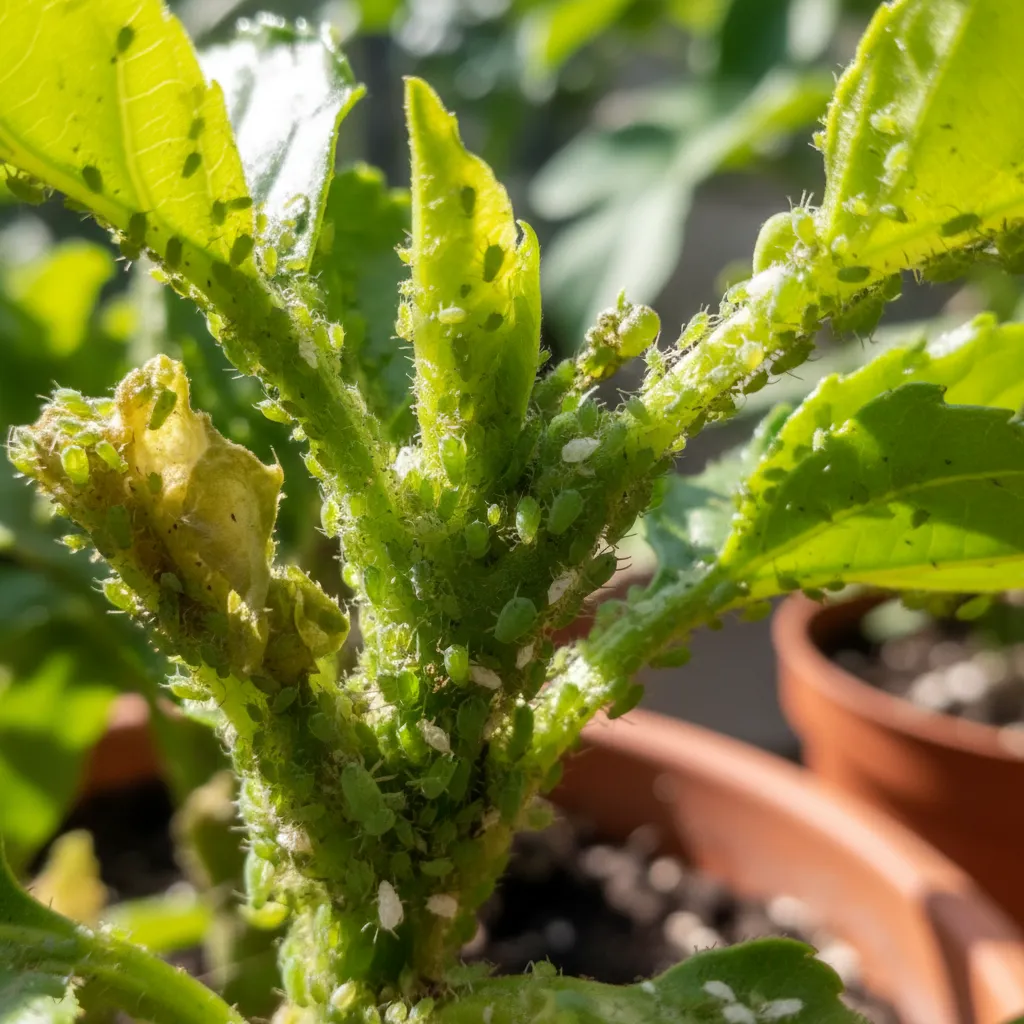
- ✓Pest and Disease Management — Generally robust, but monitor for common pests like aphids or mealybugs and fungal diseases in overly humid conditions.
- ✓Harvesting — Leaves are typically harvested when mature, usually before flowering, as this is when the concentration of active compounds is often highest.
- ✓Container Growing — Can be grown in large containers in non-tropical zones, provided it receives adequate warmth, light, and support.
- ✓Companion Planting — Benefits from being planted near species that can offer shade during peak sun hours or improve soil health.
Reviewed by the Flora Medical Global Botanical Review Panel
Multi-disciplinary editorial group · Botany · Ethnobotany · Herbal-medicine literature
Who reviewed this: This page was checked by the Flora Medical Global Botanical Review Panel — an in-house editorial group of botany graduates, ethnobotany researchers, and horticulture practitioners who collectively maintain our 7,000+ plant encyclopedia. Meet the team.
Our 4-step verification process
1. Taxonomic verification
Scientific names and synonyms cross-checked against Kew POWO, World Flora Online, and The Plant List.
2. Phytochemical & medicinal cross-reference
Active compounds, traditional uses, and reported activities are cross-referenced with PubMed, USDA Dr. Duke's database, and peer-reviewed ethnobotanical literature.
3. Conservation & distribution check
Distribution, ecology, and conservation status confirmed against GBIF occurrence records and the IUCN Red List.
4. Editorial & safety review
Every entry passes an editorial pass for clarity, originality, and safety notices (toxicity, contraindications, dosage caveats) before publication.
Last reviewed:
Important medical disclaimer: This content is for educational and research purposes only. It is not medical advice and is not a substitute for consultation with a licensed healthcare provider. Do not use any herb to self-treat a medical condition without professional guidance.
Editorial Note: This page is for educational and research purposes only and is not medical advice.
Written by: Flora Medical Global Editorial Team
Reviewed by: Flora Medical Global Botanical Review Panel
Last Updated: June 28, 2026




Gymnema Mountain — Comments & Community Reviews
Rate this plant
No reviews yet. Be the first!