


Medical Disclaimer: This content is for educational purposes only. It is not medical advice. Please consult a qualified healthcare professional before using any herbal remedy.
Safety Overview
1.Hadjod — Plant Snapshot
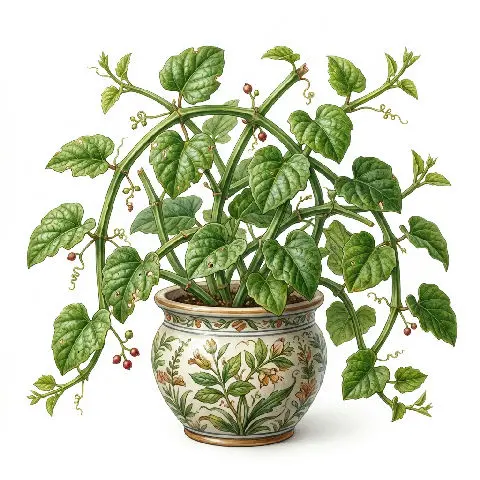
Cissus quadrangularis, widely recognized as Hadjod or Asthisamharaka, is a resilient perennial succulent vine belonging to the Vitaceae family, also known as the grape family. This robust climber can extend its reach up to an impressive 5 meters, utilizing tendrils to ascend supporting structures in its natural habitat. Its most distinguishing feature is the quadrangular, fleshy stems, which are segmented by prominent, constricted nodes. Each segment typically measures between 8 to 15 cm in length and 1 to 2 cm in width, often exhibiting a buff color with a greenish tinge, becoming more fibrous and woody with age. These stems are the primary medicinal part of the plant. The leaves of Cissus quadrangularis are simple, alternate, and characteristically heart-shaped to broadly ovate or kidney-shaped, measuring approximately 4 to 10 cm long and 2 to 7 cm wide.
They possess a glossy, vibrant green surface that can sometimes display a subtle reddish tint along the veins, particularly when exposed to strong sunlight. The margins are typically serrated or dentate, and the petiole is relatively short. As the plant matures, it may become semi-leafless, with the succulent stems taking over much of the photosynthetic function. Flowering occurs in small, inconspicuous clusters (cymes) of greenish to yellowish flowers, typically from June to December in its native range. These small, four-petaled flowers are followed by equally small, spherical to obovoid berries, about 1 cm in diameter. Initially green, these berries mature to a dark reddish-purple or black hue and are mildly sweet and edible, though often very acrid when unripe.
The bark on older stems is smooth and light brown, often presenting a slight sheen. Hadjod thrives in tropical and subtropical climates, demonstrating a preference for dry, scrubland environments, open forests, and along forest edges. Its natural geographic distribution spans across vast regions of Asia, including India, Sri Lanka, Bangladesh, and Thailand, extends into Africa, and reaches parts of the Arabian Peninsula. This widespread presence underscores its adaptability and historical significance across diverse cultures. Taxonomically, it is closely related to other Cissus species, many of which share similar growth habits and some medicinal properties. Historically, Cissus quadrangularis has been a cornerstone in traditional medicinal systems like Ayurveda and Unani medicine for millennia, primarily revered for its profound effects on bo ...[CURRENT TEXT EXISTS: 2864 chars]
1.1.Hadjod — Key Features
- ✓Quadrangular Fleshy Stems — Distinctive segmented stems, primary medicinal part.
- ✓Robust Perennial Vine — Climbs up to 5 meters, signifying strong growth.
- ✓Heart — Shaped Leaves — Glossy green, sometimes with reddish tints, succulent.
- ✓Small Reddish Berries — Edible but can be acrid when unripe.
- ✓Tropical and Subtropical Habitat — Thrives in warm, humid environments.
- ✓Osteogenic Properties — Promotes bone formation and healing.
- ✓Anti — inflammatory Action — Reduces swelling and pain in joints.
- ✓Rich in Ketosterones — Key active compounds for bone health.
- ✓Antioxidant Power — Protects cells from oxidative damage.
- ✓Traditional Medicinal Plant — Valued in Ayurveda and Unani systems for centuries.
- ✓Easy Propagation — Readily grows from stem cuttings.
- ✓Adaptable Growth — Found in diverse dry, scrubland environments.
- ✓Diverse Phytochemical Profile — Contains triterpenoids, flavonoids, stilbenes, etc.
- ✓Supports Digestive Health — Traditionally used for dyspepsia and constipation.
- ✓Immune Modulating Effects — Contributes to overall systemic health.
1.2.Hadjod — Quick Summary
- ✓Hadjod (Cissus quadrangularis) is a tropical succulent vine celebrated for its bone-healing properties.
- ✓Rich in ketosterones, it significantly aids in fracture repair and boosts bone density.
- ✓Possesses strong anti-inflammatory, analgesic, and antioxidant effects beneficial for joints.
- ✓Traditionally used in Ayurveda for various ailments including joint pain, dyspepsia, and scurvy.
- ✓Contains a diverse phytochemical profile including triterpenoids, flavonoids, and resveratrol.
- ✓Can be propagated easily from stem cuttings and thrives in warm, humid climates.
- ✓Available in various forms — powder, juice, paste for internal and external application.
- ✓Potential side effects include mild GI upset; not recommended for pregnant/lactating women or children.
2.Hadjod — Systematic Position
3.Hadjod — Botanical Stats
4.Hadjod — Structural Profile
5.Hadjod — Habitat & Distribution
6.Hadjod — Cultural & Traditional Roles
7.Hadjod — Secondary Metabolites
- ✓Triterpenoids — Key compounds include α,β-amyrin and its derivatives, which contribute to the plant's anti-inflammatory and analgesic properties by modulating cyclooxygenase pathways.
- ✓Steroids (Ketosterones) — Critical active compounds are ketosterone I, II, and III (3-ketosteroids). These are primarily responsible for Hadjod's osteogenic and bone-healing effects, stimulating osteoblast proliferation and differentiation.
- ✓Flavonoids — Such as quercetin, daidzein, and genistein, which are potent antioxidants and anti-inflammatory agents. They scavenge free radicals and inhibit lipid peroxidation.
- ✓Stilbene Derivatives — Resveratrol is a notable stilbene, known for its strong antioxidant, anti-inflammatory, and cardioprotective activities.
- ✓Iridoids — These are monoterpenoid compounds that often exhibit anti-inflammatory, immunomodulatory, and antimicrobial effects.
- ✓Alkaloids — Nitrogen-containing organic compounds that can have diverse pharmacological activities, including analgesic and antispasmodic properties.
- ✓Sterols — Including β-sitosterol, which contributes to anti-inflammatory effects and may have cholesterol-lowering properties.
- ✓Fatty Acids and Methyl Esters — These components contribute to the plant's nutritional profile and may possess various biological activities, including antimicrobial and anti-inflammatory actions.
- ✓Polyphenols — A broad category encompassing flavonoids and stilbenes, providing significant antioxidant capacity and contributing to cellular protection against oxidative damage.
- ✓Carotenoids — Pigments that act as antioxidants, supporting vision health and immune function.
- ✓Vitamins — Including Vitamin C (ascorbic acid), which is crucial for collagen synthesis, immune function, and antioxidant defense, addressing traditional uses for scurvy.
- ✓Minerals — Rich in calcium, potassium, magnesium, and zinc, which are vital for bone health, nerve function, and numerous enzymatic processes.
- ✓Tetratriacotanol — A long-chain fatty alcohol found in the leaves, contributing to various biological activities, potentially including anti-inflammatory effects.
- ✓Ecosyl Eicosanoate — An ester compound present in the plant, its specific pharmacological role is under ongoing investigation.
- ✓Tetratriacontanoic Acid — A saturated fatty acid that may contribute to the plant's overall therapeutic profile.
8.Hadjod — Modern Studies
- ✓Promotes Bone Healing — Hadjod is renowned for its osteogenic properties, accelerating the healing process of bone fractures and promoting the regeneration of bone tissue. Its active compounds, particularly ketosterones, stimulate osteoblast activity and enhance calcium deposition in bone matrix.
- ✓Supports Bone Density — Regular intake can help improve bone mineral density, making it a valuable adjunct in the management and prevention of osteoporosis. It aids in balancing bone resorption and formation, contributing to stronger bones.
- ✓Reduces Joint Pain and Inflammation — The plant exhibits significant anti-inflammatory and analgesic effects, making it beneficial for conditions like arthritis, gout, and other inflammatory joint disorders. It helps alleviate pain and swelling by modulating inflammatory pathways.
- ✓Acts as an Antioxidant — Hadjod is rich in flavonoids and polyphenols that combat oxidative stress by neutralizing free radicals in the body. This antioxidant activity protects cells from damage and contributes to overall health.
- ✓Aids in Weight Management — Some studies suggest Cissus quadrangularis may help in reducing body fat and improving muscle mass, potentially by influencing metabolic processes and fat absorption.
- ✓Alleviates Digestive Issues — Traditionally, various parts of Hadjod are used to treat stomach problems such as dyspepsia and indigestion. Its carminative properties can soothe the digestive tract and relieve discomfort.
- ✓Manages Constipation — The root powder of Hadjod is known to have mild laxative properties, which can help regulate bowel movements and relieve chronic constipation.
- ✓Controls Nosebleeds (Epistaxis) — The juice extracted from Hadjod shoots is traditionally applied intranasally to help staunch nosebleeds due to its potential coagulant and vasoconstrictive properties.
- ✓Treats Ear Infections (Otorrhea) — As an eardrop, Hadjod shoot juice has been used in traditional practices to address ear discharge and infections, possibly due to its antimicrobial properties.
- ✓Regulates Menstrual Cycles — Traditional medicine employs Hadjod for irregular menstruation, suggesting a role in hormonal balance or uterine health, though specific mechanisms are still under investigation.
- ✓Possesses Anti-Ulcer Activity — Components within Hadjod may help protect the gastric lining and reduce the incidence of stomach ulcers by strengthening mucosal barriers and reducing acid secretion.
- ✓Exhibits Antimicrobial Properties — Extracts from Cissus quadrangularis have shown activity against various bacteria and fungi, contributing to its use in treating infections and promoting wound healing.
- ✓Supports Dental Health — Recent research indicates that Hadjod may help in alleviating dental cavities and gum issues due to its antibacterial and anti-inflammatory nature, promoting oral hygiene.
- ✓Boosts Immune System — The presence of various phytochemicals contributes to immunomodulatory effects, potentially enhancing the body's natural defense mechanisms against pathogens.
- ✓Accelerates Wound Healing — Applied topically or consumed internally, Hadjod can aid in the healing of wounds, cuts, and minor injuries by promoting tissue regeneration and reducing inflammation.
- ✓Protects Liver Function — Preliminary studies suggest hepatoprotective effects, helping to shield the liver from damage induced by toxins and supporting its detoxification processes.
- ✓Manages Diabetes — Some evidence indicates Hadjod may help in regulating blood sugar levels, potentially by improving insulin sensitivity or reducing glucose absorption, making it a subject of interest for diabetes management.
8.1.Hadjod — Reported Uses
9.Hadjod — Adverse Effects
9.1.Hadjod — Reported Side Effects
- ✓Gastrointestinal Upset — Some individuals may experience mild stomach upset, nausea, or diarrhea, particularly with higher doses or on an empty stomach.
- ✓Headaches — Occasional reports of headaches have been noted in sensitive individuals.
- ✓Dry Mouth — A common, albeit mild, side effect reported by some users.
- ✓Insomnia — Rarely, some individuals might experience sleep disturbances.
- ✓Allergic Reactions — Although uncommon, allergic reactions such as skin rashes or itching can occur in susceptible individuals.
- ✓Acrid Taste — The raw fruits and some preparations can have a very acrid taste, which might cause discomfort or irritation in the mouth and throat.
- ✓Bloating — Some users have reported experiencing bloating or gas.
- ✓Blood Sugar Fluctuations — Individuals with diabetes should monitor blood sugar levels closely as Hadjod may influence glucose metabolism.
- ✓Drug Interactions — Potential interactions with certain medications, especially those affecting blood clotting or glucose levels, warrant caution.
9.2.Hadjod — Safety Overview
- ✓Pregnancy and Lactation — Not recommended for use during pregnancy or breastfeeding due due to insufficient safety data and potential effects on hormonal balance.
- ✓Children — Use in children should be avoided unless under strict medical supervision, as safety has not been adequately established.
- ✓Diabetes — Individuals with diabetes should use Hadjod cautiously and monitor blood glucose levels, as it might affect blood sugar.
- ✓Blood Thinners — May interact with anticoagulant or antiplatelet medications; consult a healthcare professional before use if on such medications.
- ✓Surgery — Discontinue use at least two weeks prior to any scheduled surgery due to potential effects on blood clotting.
- ✓Digestive Sensitivity — Individuals with sensitive digestive systems should start with low doses to assess tolerance.
- ✓Allergic History — Those with known allergies to plants in the Vitaceae family should exercise caution.
- ✓Dosage — Adhere to recommended dosages; excessive intake may increase the likelihood of side effects.
- ✓Consultation — Always consult a qualified healthcare professional or medical herbalist before incorporating Hadjod into a treatment regimen, especially if you have pre-existing medical conditions or are taking other medications.
- ✓Quality Source — Ensure Hadjod products are sourced from reputable suppliers to guarantee purity and potency and avoid contamination.
10.Hadjod — Preparation & Dosage
- ✓Stem Juice — Freshly extracted juice from the quadrangular stems is consumed orally for bone fracture healing and joint pain relief.
- ✓Stem Powder — Dried and powdered stems are commonly encapsulated or mixed with water/honey for internal use to support bone health and reduce inflammation.
- ✓External Application (Paste) — A paste made from crushed Hadjod stems is applied topically to fractured bones, swollen joints, and wounds to aid healing.
- ✓Leaf Powder — Dried Hadjod leaves are powdered and used traditionally to treat stomach problems and digestive discomfort.
- ✓Shoot Juice (Nasal Drops) — The juice from young Hadjod shoots is traditionally instilled into nostrils to manage epistaxis (nosebleeds).
- ✓Shoot Juice (Ear Drops) — Used as eardrops in traditional medicine for otorrhea (ear discharge) and minor ear infections.
- ✓Root Powder — Powdered Hadjod roots are consumed for managing constipation and alleviating symptoms of gout.
- ✓Ash Powder (for Dyspepsia) — The ash obtained from calcined Hadjod shoots is taken internally to treat dyspepsia and indigestion in some traditional practices.
- ✓Decoction — Stems can be boiled in water to create a decoction, which is then consumed for its various systemic benefits.
- ✓Culinary Use (Young Shoots) — Young, tender Hadjod shoots are occasionally consumed as a vegetable or added to curries in South Indian cuisine, particularly for their stomachic properties.
11.Hadjod — Propagation & Care
- ✓Propagation — Hadjod is most commonly propagated from stem cuttings, which root readily in warm, moist conditions.
- ✓Climate Requirements — Thrives in tropical and subtropical climates, requiring consistently warm temperatures and high humidity.
- ✓Soil Type — Prefers well-draining, fertile sandy loam or loamy soils with a pH range of 6.0 to 7.5.
- ✓Light Exposure — Requires full sun to partial shade for optimal growth, with at least 6-8 hours of direct sunlight daily.
- ✓Watering — Needs regular watering to keep the soil consistently moist but not waterlogged, especially during dry periods. It is drought-tolerant once established.
- ✓Support Structure — As a climbing vine, it requires a trellis, stake, or other support structures to grow vertically and maximize yield.
- ✓Fertilization — Benefits from moderate fertilization with a balanced organic fertilizer during its active growing season.
- ✓Pest and Disease Management — Generally robust, but can be susceptible to common pests like aphids or mealybugs, and fungal diseases in overly wet conditions. Integrated pest management practices are recommended.
- ✓Pruning — Regular pruning helps maintain its shape, encourages bushier growth, and facilitates harvesting of medicinal stems.
- ✓Harvesting — Stems are typically harvested when they are mature and succulent, usually 8-10 months after planting, by cutting segments above a node.
Reviewed by the Flora Medical Global Botanical Review Panel
Multi-disciplinary editorial group · Botany · Ethnobotany · Herbal-medicine literature
Who reviewed this: This page was checked by the Flora Medical Global Botanical Review Panel — an in-house editorial group of botany graduates, ethnobotany researchers, and horticulture practitioners who collectively maintain our 7,000+ plant encyclopedia. Meet the team.
Our 4-step verification process
1. Taxonomic verification
Scientific names and synonyms cross-checked against Kew POWO, World Flora Online, and The Plant List.
2. Phytochemical & medicinal cross-reference
Active compounds, traditional uses, and reported activities are cross-referenced with PubMed, USDA Dr. Duke's database, and peer-reviewed ethnobotanical literature.
3. Conservation & distribution check
Distribution, ecology, and conservation status confirmed against GBIF occurrence records and the IUCN Red List.
4. Editorial & safety review
Every entry passes an editorial pass for clarity, originality, and safety notices (toxicity, contraindications, dosage caveats) before publication.
Last reviewed:
Important medical disclaimer: This content is for educational and research purposes only. It is not medical advice and is not a substitute for consultation with a licensed healthcare provider. Do not use any herb to self-treat a medical condition without professional guidance.
Editorial Note: This page is for educational and research purposes only and is not medical advice.
Written by: Flora Medical Global Editorial Team
Reviewed by: Flora Medical Global Botanical Review Panel
Last Updated: June 16, 2026





Hadjod — Comments & Community Reviews
Rate this plant