


Medical Disclaimer: This content is for educational purposes only. It is not medical advice. Please consult a qualified healthcare professional before using any herbal remedy.
Safety Overview
1.Henna Plant — Introduction & Highlights
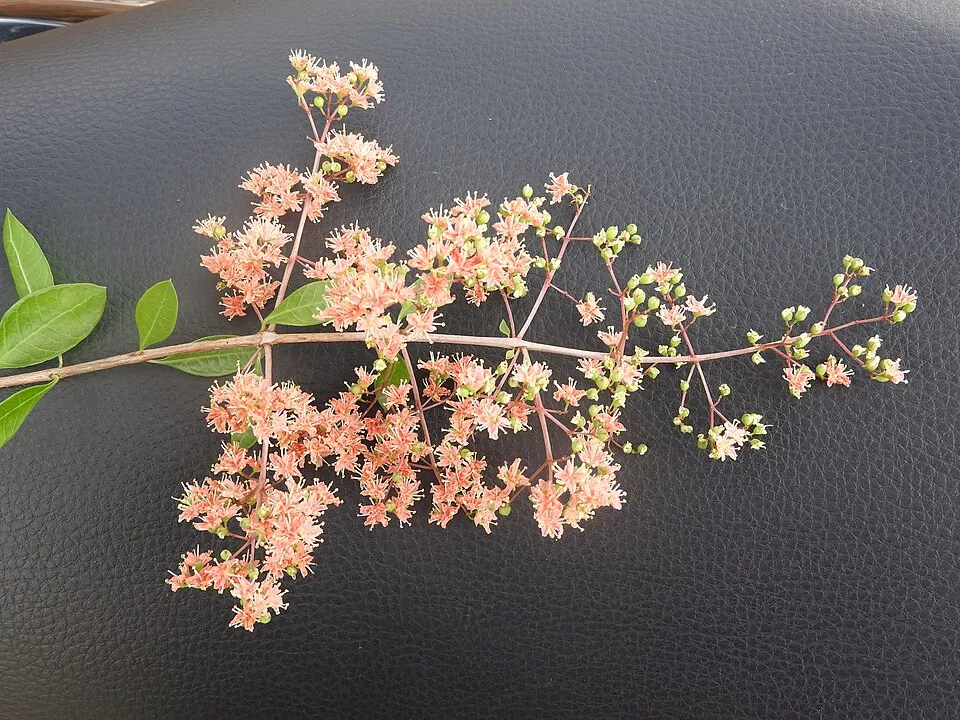
The Henna Plant, scientifically known as Lawsonia inermis, is a captivating flowering shrub or small tree belonging to the Lythraceae family, a botanical lineage that also includes the well-known crape myrtle. Typically reaching heights of 1 to 6 meters, its stature is largely influenced by environmental factors and cultivation practices. The plant develops slender, often upright branches that are initially green and smooth, gradually maturing into a light-gray to reddish-brown bark with age. Its foliage is characterized by small, entire, oval to lanceolate leaves, measuring approximately 2 to 5 centimeters in length and 1 to 2 centimeters in width. These leaves are arranged oppositely along the stems, displaying a vibrant green hue and a distinct central vein. One of the most enchanting features of Lawsonia inermis is its profusion of small, intensely fragrant flowers.
These delicate blooms, typically 1 to 2 centimeters across, are borne in large, terminal panicles or clusters, showcasing a spectrum of colors from pure white to pale yellow or even soft reddish-pink, attracting pollinators with their sweet aroma. Following successful pollination, the flowers give way to small, globose, brown capsules, roughly 4 to 8 millimeters in diameter, which contain numerous small, angular seeds. Henna is a xerophytic plant, exceptionally well-adapted to hot, arid, and semi-arid climates. It thrives in regions with abundant full sun exposure and prefers well-drained, sandy loam soils, demonstrating remarkable resilience to drought conditions once established. Its natural geographic distribution spans across vast areas of North Africa, the Middle East, and significant portions of South Asia, including countries like India, Pakistan, Iran, and Egypt, where it has been cultivated for millennia. The historical significance of Lawsonia inermis is profound and multifaceted, dating back to ancient civilizations.
Its most renowned application is as a natural dye, used for intricate body art (mehndi), hair coloring, and dyeing textiles, leather, and nails. This practice has deep cultural roots, symbolizing beauty, celebration, and spiritual protection in many traditions. Beyond its cosmetic uses, the Henna Plant has an equally rich history in traditional medicine systems. Ancient Egyptian texts, Ayurvedic scriptures, traditional Chinese medicine (TCM), and Unani and Siddha practices all document its use for a wide array of medicinal purposes, leveraging its purported anti-infl ...[CURRENT TEXT EXISTS: 3042 chars]
1.1.Henna Plant — Standout Qualities
- ✓Natural Dye Source — Primary source of the reddish-orange dye lawsone, used for hair, skin (mehndi), and textiles.
- ✓Fragrant Flowers — Produces small, highly fragrant white to pale yellow flowers in clusters.
- ✓Drought Tolerant — Well-adapted to hot, arid, and semi-arid climates, requiring minimal water once established.
- ✓Medicinal Herb — Widely used in traditional medicine systems like Ayurveda, Unani, and TCM.
- ✓Rich in Antioxidants — Contains high levels of flavonoids, polyphenols, and quinones.
- ✓Anti — inflammatory Properties — Exhibits significant anti-inflammatory and analgesic effects.
- ✓Antifungal and Antibacterial — Effective against various microbial pathogens, particularly fungi.
- ✓Wound Healing Promoter — Traditionally applied to accelerate healing of cuts, burns, and sores.
- ✓Cultural Significance — Deeply embedded in cultural rituals, celebrations, and beauty practices across many regions.
- ✓Evergreen Shrub/Small Tree — Maintains foliage year-round in suitable climates.
- ✓Resilient Plant — Can grow in poor soils and tolerate high temperatures.
- ✓Phytochemical Diversity — Contains a broad spectrum of bioactive compounds beyond lawsone.
- ✓Sustainable Resource — Can be harvested multiple times a year, making it a renewable resource.
1.2.Henna Plant — Concise Overview
- ✓Lawsonia inermis, or Henna Plant, is a tropical shrub renowned for its natural dye properties and extensive medicinal uses.
- ✓Its leaves contain lawsone, the primary compound responsible for its red-orange pigment and numerous pharmacological actions.
- ✓Traditionally used for body art, hair conditioning, and treating a wide array of ailments including skin conditions, inflammation, and pain.
- ✓Modern research supports its antioxidant, anti-inflammatory, analgesic, hepatoprotective, and antimicrobial benefits.
- ✓Cultivation requires full sun, well-drained soil, and warm climates, making it resilient in arid environments.
- ✓Critical safety considerations include avoiding 'black henna' (due to PPD) and caution for individuals with G6PD deficiency.
- ✓Henna has significant cultural and historical importance, spanning ancient civilizations and traditional medicine systems.
- ✓Ongoing research continues to explore its therapeutic potential for various public health challenges.
2.Henna Plant — Scientific Profile
3.Henna Plant — Quick Facts
4.Henna Plant — Morphological Account
5.Henna Plant — Where It Grows
6.Henna Plant — Cultural & Traditional Roles
7.Henna Plant — Bioactive Constituents
- ✓Quinones — Lawsone (2-hydroxy-1,4-naphthoquinone) is the most prominent bioactive compound, responsible for henna's characteristic red-orange dye and its potent antimicrobial, antioxidant, and anti-inflammatory activities.
- ✓Flavonoids — Compounds like quercetin, luteolin, apigenin, and kaempferol are present, acting as strong antioxidants and contributing to anti-inflammatory, antiallergic, and antiviral effects.
- ✓Tannins — Gallic acid, ellagic acid, and other hydrolyzable and condensed tannins are abundant, providing astringent properties, contributing to wound healing, and exhibiting antimicrobial and antioxidant activities.
- ✓Coumarins — These compounds, though in smaller quantities, contribute to various pharmacological effects, including anti-inflammatory and anticoagulant properties.
- ✓Triterpenoids — Ursolic acid, oleanolic acid, and other triterpenes are found, known for their anti-inflammatory, hepatoprotective, and anticancer potentials.
- ✓Steroids — Beta-sitosterol and other phytosterols are present, which may contribute to anti-inflammatory and cholesterol-lowering effects.
- ✓Xanthones — These compounds are less common but contribute to the plant's diverse pharmacological profile, often exhibiting antioxidant and antimicrobial properties.
- ✓Polyphenols — A broad category including flavonoids and phenolic acids, these compounds are crucial for henna's overall antioxidant capacity and protective effects against oxidative stress.
- ✓Fatty Acids — Linoleic acid, oleic acid, palmitic acid, and stearic acid are found in henna, contributing to its emollient properties and potentially influencing cell membrane integrity.
- ✓Alkaloids — While not the primary active constituents, various alkaloids may be present in trace amounts, contributing to minor pharmacological actions.
- ✓Leucocyanidin — A colorless flavonoid precursor, it contributes to the plant's antioxidant capacity and potentially to its vascular protective effects.
- ✓Epicatechin — A catechin derivative, it is a powerful antioxidant known for its cardiovascular benefits and anti-inflammatory actions.
- ✓Catechin — Another important flavonoid, catechin is a strong antioxidant and has been linked to various health benefits, including improved cardiovascular health and anticancer activity.
- ✓Phenolic Acids — Caffeic acid and ferulic acid are examples of phenolic acids found in henna, which are potent antioxidants and contribute to its protective effects against cellular damage.
8.Henna Plant — Modern Studies
- ✓Antioxidant Activity — Henna's rich content of flavonoids, polyphenols, and quinones, particularly lawsone, provides potent antioxidant effects. These compounds effectively scavenge harmful free radicals, protecting cells from oxidative damage and reducing the risk of chronic diseases.
- ✓Anti-inflammatory Properties — Lawsonia inermis exhibits significant anti-inflammatory actions, attributed to its triterpenoids, flavonoids, and lawsone. It helps to modulate inflammatory pathways, making it beneficial for conditions like arthritis, skin inflammation, and internal inflammatory disorders.
- ✓Analgesic Effects — The plant possesses pain-relieving capabilities, likely due to its anti-inflammatory and nervine properties. Traditional applications include using henna paste on aching joints or headaches to alleviate discomfort.
- ✓Antiparasitic Action — Extracts from the Henna Plant have demonstrated efficacy against various parasites, including some protozoa and helminths. This effect is thought to be due to specific secondary metabolites that disrupt parasitic life cycles or cellular functions.
- ✓Hepatoprotective Potential — Studies suggest that Lawsonia inermis can protect the liver from damage induced by toxins and oxidative stress. Its antioxidant and anti-inflammatory compounds contribute to maintaining liver health and function.
- ✓Antifungal Activity — Lawsone, the principal coloring agent in henna, along with other phytochemicals, exhibits strong antifungal properties. It is traditionally used to treat various fungal skin infections, including ringworm and athlete's foot.
- ✓Antitumor Activity — Preliminary research indicates that certain compounds in henna may possess anticarcinogenic properties, inhibiting the growth of cancer cells. This area requires further in-depth investigation but shows promising therapeutic potential.
- ✓Wound Healing Acceleration — Henna has been traditionally applied to wounds, burns, and abrasions to promote faster healing. Its antiseptic, astringent, and anti-inflammatory compounds help to clean the wound, reduce infection risk, and stimulate tissue regeneration.
- ✓Hypoglycemic Effects — Some studies suggest that Lawsonia inermis may help in lowering blood glucose levels. This potential benefit is being explored for its application in managing diabetes, possibly by enhancing insulin sensitivity or reducing glucose absorption.
- ✓Treatment for Ulcers — Traditionally, henna has been used internally and externally for various types of ulcers, including mouth ulcers and skin lesions. Its soothing and antimicrobial properties contribute to healing and pain relief.
- ✓Relief from Bronchitis — In traditional medicine, a decoction of henna leaves or bark has been used to alleviate symptoms of bronchitis, including cough and chest congestion. Its anti-inflammatory and expectorant properties may help clear airways.
- ✓Alleviation of Lumbago — Henna paste or poultices are traditionally applied to the lower back to relieve lumbago (lower back pain). The analgesic and anti-inflammatory effects provide symptomatic relief.
- ✓Management of Hemicrania (Migraine) — For headaches and migraines, a paste of henna leaves applied to the forehead or temples is a traditional remedy. The cooling and analgesic properties are believed to ease pain.
- ✓Support for Leukoderma — While not a cure, henna has been used in traditional practices to help manage leukoderma (vitiligo) by attempting to camouflage depigmented patches or stimulate melanin production, though scientific evidence for repigmentation is limited.
- ✓Remedy for Scabies and Boils — Due to its antiseptic and antiparasitic actions, henna is traditionally used topically to treat skin conditions like scabies and to draw out and heal boils, reducing infection and inflammation.
- ✓Ophthalmic Disorder Support — In some traditional systems, dilute henna preparations or extracts have been used for certain eye conditions, often for their cooling and anti-inflammatory effects. However, extreme caution is advised for any eye application.
- ✓Hair Loss and Scalp Health — Beyond coloring, henna is traditionally used to strengthen hair follicles, condition the scalp, and reduce hair loss. Its antimicrobial properties can also help combat dandruff and scalp infections.
- ✓Treatment for Jaundice — In traditional medicine, internal preparations of henna leaves or bark have been administered to support liver function and aid in the treatment of jaundice. This aligns with its observed hepatoprotective qualities.
8.1.Henna Plant — Reported Uses
9.Henna Plant — Adverse Effects
9.1.Henna Plant — Reported Side Effects
- ✓Allergic Reactions — Some individuals may experience contact dermatitis, characterized by itching, redness, swelling, or rash, especially upon first exposure. Patch testing is highly recommended.
- ✓Respiratory Issues — Inhaling henna powder dust can cause respiratory irritation, particularly in individuals with asthma or other respiratory sensitivities.
- ✓G6PD Deficiency Risk — Internal use or extensive external application of henna, especially in individuals with Glucose-6-phosphate dehydrogenase (G6PD) deficiency, can trigger hemolytic anemia.
- ✓'Black Henna' Risks — Products marketed as 'black henna' often contain para-phenylenediamine (PPD), a synthetic dye that can cause severe allergic reactions, blistering, permanent scarring, and sensitization.
- ✓Skin Discoloration — While natural henna stains reddish-brown, improper application or leaving it on for too long can result in an overly dark or uneven stain.
- ✓Gastrointestinal Upset — If taken internally without proper preparation or in excessive doses, henna can cause nausea, vomiting, diarrhea, or abdominal discomfort.
- ✓Liver and Kidney Toxicity — Although rare and primarily associated with very high internal doses or contaminated products, there is a theoretical risk of liver or kidney damage with prolonged or improper internal use.
- ✓Drug Interactions — Henna may theoretically interact with certain medications, particularly those affecting blood glucose, liver enzymes, or blood clotting, although specific clinical interactions are not well-documented.
9.2.Henna Plant — Safety Overview
- ✓Patch Test Recommended — Always perform a patch test on a small area of skin 48 hours before full application, especially for first-time users, to check for allergic reactions.
- ✓Avoid 'Black Henna' — Strictly avoid any product labeled 'black henna' as it often contains PPD, which can cause severe allergic reactions and permanent damage. Use only pure, natural Lawsonia inermis.
- ✓G6PD Deficiency Contraindication — Individuals with Glucose-6-phosphate dehydrogenase (G6PD) deficiency should absolutely avoid henna due to the risk of hemolytic anemia.
- ✓Pregnancy and Lactation — Pregnant or breastfeeding women should exercise caution and consult a healthcare professional before using henna, especially internally, due to insufficient safety data.
- ✓Internal Use Caution — Internal consumption of henna should only be undertaken under the strict supervision and guidance of a qualified medical herbalist or healthcare practitioner.
- ✓Quality Sourcing — Ensure henna products are sourced from reputable suppliers to guarantee purity and prevent contamination with adulterants, heavy metals, or pesticides.
- ✓Children and Infants — Avoid using henna on infants and young children, particularly internally, due to their sensitive systems and potential for adverse reactions.
- ✓Eye Contact — Avoid direct contact with eyes. If contact occurs, rinse thoroughly with water.
- ✓Open Wounds — While traditionally used on wounds, use with caution on deep or infected open wounds; consult a medical professional for severe injuries.
- ✓Discontinue if Irritation Occurs — If any irritation, redness, or discomfort develops after application, discontinue use immediately and wash off with soap and water.
10.Henna Plant — How to Use
- ✓Hair Dye and Conditioner — Dried henna leaves are ground into a fine powder, mixed with an acidic liquid (like lemon juice or tea) to release lawsone, and applied as a paste to hair. It dyes hair reddish-brown, conditions, strengthens, and adds shine.
- ✓Body Art (Mehndi) — A paste made from henna powder, water, and essential oils is applied to the skin in intricate designs. The lawsone stains the outermost layer of the skin, creating temporary tattoos that last for days to weeks.
- ✓Scalp Treatment — A diluted henna paste or infusion can be applied to the scalp to alleviate dandruff, reduce itching, and promote a healthy scalp environment due to its antifungal and antibacterial properties.
- ✓Topical Anti-inflammatory Poultice — Fresh or powdered leaves are crushed and mixed with water to form a poultice, applied directly to inflamed joints, bruises, or muscle aches for pain and swelling relief.
- ✓Wound and Burn Dressing — Henna paste, due to its antiseptic and cooling properties, is traditionally applied to minor cuts, abrasions, and superficial burns to prevent infection and aid in healing.
- ✓Antifungal Skin Remedy — A strong paste of henna is used topically to treat fungal skin infections such as ringworm, athlete's foot, and nail fungus. The lawsone content is highly effective against dermatophytes.
- ✓Fever Reducer — In some traditional systems, a paste of henna leaves is applied to the soles of the feet and palms of the hands to help draw out heat and reduce fever.
- ✓Internal Decoction for Jaundice — A decoction made from henna leaves or bark is traditionally consumed internally, under expert guidance, to support liver health and aid in conditions like jaundice.
- ✓Oral Rinse for Mouth Ulcers — A weak infusion of henna leaves can be used as a mouthwash to soothe and heal mouth ulcers and gum inflammation due to its astringent and antimicrobial actions.
- ✓Nail Strengthener and Dye — Henna paste is applied to nails not only to impart a reddish stain but also to strengthen them and protect against fungal infections.
11.Henna Plant — Propagation & Care
- ✓Climate — Henna thrives in hot, dry, and tropical to subtropical climates, requiring average temperatures between 25-45°C (77-113°F).
- ✓Sunlight — Full sun exposure is essential for optimal growth and lawsone production, ideally receiving at least 6-8 hours of direct sunlight daily.
- ✓Soil Requirements — It prefers well-drained, light, sandy loam to loamy soils with a pH range of 6.0 to 7.5. It tolerates poor soil conditions but performs best in moderately fertile soil.
- ✓Water Requirements — While drought-tolerant once established, young plants require regular watering. Mature plants benefit from occasional deep watering during prolonged dry periods to maximize leaf yield.
- ✓Propagation — Henna can be propagated from seeds, which should be soaked before planting, or more commonly from semi-hardwood stem cuttings taken in spring or early summer.
- ✓Fertilization — Minimal fertilization is usually sufficient. A balanced organic fertilizer can be applied once a year in spring to support vigorous growth.
- ✓Pruning — Regular pruning is beneficial to encourage bushy growth and increase leaf yield. Prune after flowering or harvesting to maintain shape and promote new shoots.
- ✓Pests and Diseases — Henna is relatively resistant to most pests and diseases. Occasional issues may include spider mites or fungal spots in overly humid conditions.
- ✓Harvesting — Leaves are typically harvested when the plant is 2-3 years old, usually 2-3 times a year during warm, dry weather. The leaves are picked or stripped from branches and dried.
- ✓Container Growing — Henna can be grown in large containers in cooler climates, provided it receives ample sunlight and is protected from frost during winter months.
Reviewed by the Flora Medical Global Botanical Review Panel
Multi-disciplinary editorial group · Botany · Ethnobotany · Herbal-medicine literature
Who reviewed this: This page was checked by the Flora Medical Global Botanical Review Panel — an in-house editorial group of botany graduates, ethnobotany researchers, and horticulture practitioners who collectively maintain our 7,000+ plant encyclopedia. Meet the team.
Our 4-step verification process
1. Taxonomic verification
Scientific names and synonyms cross-checked against Kew POWO, World Flora Online, and The Plant List.
2. Phytochemical & medicinal cross-reference
Active compounds, traditional uses, and reported activities are cross-referenced with PubMed, USDA Dr. Duke's database, and peer-reviewed ethnobotanical literature.
3. Conservation & distribution check
Distribution, ecology, and conservation status confirmed against GBIF occurrence records and the IUCN Red List.
4. Editorial & safety review
Every entry passes an editorial pass for clarity, originality, and safety notices (toxicity, contraindications, dosage caveats) before publication.
Last reviewed:
Important medical disclaimer: This content is for educational and research purposes only. It is not medical advice and is not a substitute for consultation with a licensed healthcare provider. Do not use any herb to self-treat a medical condition without professional guidance.
Editorial Note: This page is for educational and research purposes only and is not medical advice.
Written by: Flora Medical Global Editorial Team
Reviewed by: Flora Medical Global Botanical Review Panel
Last Updated: June 16, 2026





Henna Plant — Comments & Community Reviews
Rate this plant