
Medical Disclaimer: This content is for educational purposes only. It is not medical advice. Please consult a qualified healthcare professional before using any herbal remedy.
Safety Overview
1.Hibiscus Mutabilis — Introduction & Highlights
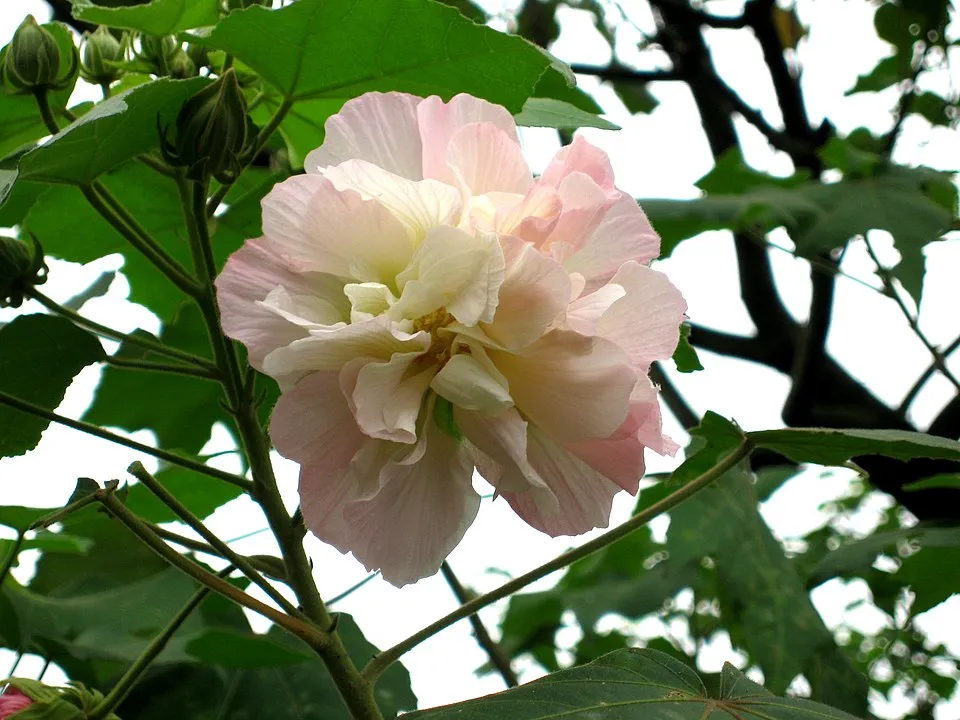
Hibiscus mutabilis, commonly known as the cotton rose, Confederate rose, or Dixie rosemallow, is a captivating deciduous shrub or small tree belonging to the family Malvaceae. This species typically attains a height of 2 to 3 meters (6 to 10 feet), though it can sometimes reach up to 6 meters in optimal conditions. Its robust, woody stems near the base gradually become more succulent towards the upper branches, an adaptation that supports its growth in diverse subtropical environments. The foliage is characterized by large, broad, ovate leaves, often deeply lobed and measuring up to 20 centimeters (8 inches) in length, featuring distinct serrated margins and a lush green hue that provides an elegant backdrop to its celebrated blooms. The most striking feature of Hibiscus mutabilis is its extraordinary flowering pattern.
The large, showy blooms, typically 10 to 15 centimeters (4 to 6 inches) in diameter, exhibit a remarkable diurnal color transformation. Upon opening in the morning, the flowers present as pure white or a very pale pink, gradually deepening to blush pink by midday, and finally maturing into a rich crimson or deep red by evening, often within a single day before wilting. This unique characteristic gives the plant its 'mutabilis' (changeable) epithet and makes it a focal point in any garden. Flowers appear solitary or in small clusters, adding to its ornamental appeal. The bark of older specimens is generally smooth and gray, occasionally marked by subtle vertical lines.
Native to the warm, subtropical regions of Southern China, Hibiscus mutabilis has a rich history of cultivation and naturalization across various parts of the world. It thrives in well-drained soils, moderate humidity, and ample sunlight, making it a popular choice for gardens in the southern United States, India, and other similar climates. Taxonomically, it is classified within the order Malvales, a diverse group that includes many species valued for both their ornamental beauty and significant medicinal properties. Historically, the plant was introduced to Europe by Jesuit missionaries around 1750 and subsequently spread to colonial botanical gardens, solidifying its global presence. Beyond its aesthetic value, Hibiscus mutabilis holds a revered place in traditional medicine systems, particularly Traditional Chinese Medicine (TCM) and Ayurvedic folk practices, where its leaves, petals, and roots have been utilized for their anti-inflammatory, antioxidant, and soothing quali ...[CURRENT TEXT EXISTS: 2828 chars]
1.1.Hibiscus Mutabilis — Standout Qualities
- ✓Diurnal Color — Changing Flowers — Blooms transform from white to pink to deep red within a single day.
- ✓Deciduous Shrub/Small Tree — Grows 2-6 meters tall with woody stems at the base.
- ✓Large, Lobed Leaves — Ovate, serrated leaves up to 20 cm long provide a lush backdrop.
- ✓Native to China — Thrives in warm, subtropical climates globally.
- ✓Family Malvaceae — Part of a diverse family known for ornamental and medicinal value.
- ✓Rich in Anthocyanins — Key compounds responsible for color and antioxidant activity.
- ✓Anti — inflammatory Properties — Utilized for joint pain, muscle aches, and skin inflammation.
- ✓Skin Regenerative — Supports wound healing and soothes irritations like sunburn and eczema.
- ✓Digestive Support — Traditional use for soothing gastric spasms and discomfort.
- ✓Potent Antioxidant — High content of flavonoids and polyphenols combats oxidative stress.
- ✓Traditional Chinese Medicine (TCM) Use — Roots (Mudan Geng) for joint stiffness, leaves for stomach cramps.
- ✓Ayurvedic Applications — Petal salves for sunburn and eczema, petal teas for menstrual relief.
- ✓Ornamental Value — Highly prized in gardens for its dramatic and beautiful blooms.
- ✓Adaptable to Cultivation — Relatively easy to grow in suitable climates with proper care.
- ✓Contains Mucilage — Provides soothing properties, especially for irritated mucous membranes.
1.2.Hibiscus Mutabilis — Snapshot Summary
- ✓Hibiscus mutabilis is a subtropical shrub known for its flowers that change color from white to pink to red.
- ✓Traditionally used in TCM and Ayurveda for anti-inflammatory and skin-soothing properties.
- ✓Rich in anthocyanins, flavonoids, and ellagitannins, contributing to its antioxidant and anti-inflammatory effects.
- ✓Benefits include skin regeneration, digestive support, and relief from muscle aches and menstrual cramps.
- ✓Available as teas, powders, and topical salves, with specific dosage guidelines.
- ✓Contraindicated in pregnancy, for nursing mothers, and with anticoagulant medications.
- ✓Requires full sun, well-drained soil, and moderate watering for optimal growth.
- ✓An ornamental plant with significant therapeutic potential.
2.Hibiscus Mutabilis — Systematic Position
3.Hibiscus Mutabilis — Reference Facts
4.Hibiscus Mutabilis — Morphological Account
5.Hibiscus Mutabilis — Habitat & Distribution
6.Hibiscus Mutabilis — Ethnobotanical Uses
7.Hibiscus Mutabilis — Bioactive Constituents
- ✓Anthocyanins — Key pigments like cyanidin-3-glucoside are responsible for the petal color changes and exhibit potent antioxidant and anti-inflammatory activities by scavenging free radicals and modulating inflammatory pathways, including COX-2 enzyme inhibition.
- ✓Flavonoids — Compounds such as quercetin are prominent, acting as powerful antioxidants that protect cells from oxidative stress, reduce inflammation, and may support cardiovascular health through their ability to modulate enzymatic activities.
- ✓Ellagitannins — These polyphenolic compounds offer mild antiviral and significant astringent properties, contributing to topical wound-healing effects and potentially interacting with microbial cell walls.
- ✓Ascorbic Acid (Vitamin C) — Present in petal extracts, this vital vitamin is a strong antioxidant, essential for collagen synthesis, immune function, and offering photoprotective effects for the skin.
- ✓Mucilaginous Polysaccharides — Found predominantly in the leaves and stems, these form soothing gels that can calm irritated mucous membranes when applied externally or consumed, providing a protective barrier.
- ✓Carotenoids — While less prominent than anthocyanins, carotenoids contribute to the plant's pigment profile and act as antioxidants, supporting vision and immune health.
- ✓Triterpenoids — These compounds are often associated with anti-inflammatory and adaptogenic properties, contributing to the plant's overall therapeutic potential.
- ✓Phenolic Acids — Including gallic acid and caffeic acid derivatives, these compounds possess strong antioxidant capabilities and contribute to the plant's defense mechanisms against pathogens and environmental stress.
- ✓Saponins — These natural glycosides can have expectorant, anti-inflammatory, and immune-modulating effects, although their specific role in Hibiscus mutabilis is less studied.
- ✓Organic Acids — Various organic acids contribute to the plant's taste profile and may play roles in metabolism and antioxidant activity.
- ✓Volatile Compounds — Trace amounts of volatile organic compounds contribute to the plant's subtle fragrance and may possess antimicrobial properties.
- ✓Sterols — Plant sterols are known for their potential to support cardiovascular health by helping to manage cholesterol levels.
- ✓Mineral Elements — The plant contains various essential minerals, contributing to its nutritional profile and supporting various physiological functions in the body.
8.Hibiscus Mutabilis — Research Insights
- ✓Anti-inflammatory Relief — Topical applications of leaf poultices or petal-infused oils have historically been used to soothe muscle aches and joint stiffness. Research indicates that its compounds, particularly anthocyanins, inhibit COX-2 enzyme expression, providing a localized anti-inflammatory effect.
- ✓Skin Regeneration and Wound Healing — Traditional salves made with powdered petals and coconut oil have been applied to minor cuts, burns, and sunburn. Modern in vitro tests confirm that extracts upregulate growth factors in fibroblast cultures, which can accelerate wound closure and tissue repair.
- ✓Digestive Comfort — Mild decoctions of Hibiscus mutabilis leaves are traditionally consumed in regions like Yunnan to alleviate gastric spasms and promote digestive ease. The mucilaginous polysaccharides present are believed to form a protective coating on the stomach lining, reducing irritation and discomfort.
- ✓Potent Antioxidant Capacity — The high concentration of anthocyanins and other polyphenolic compounds in Hibiscus mutabilis translates into significant free-radical scavenging activity. In vitro assays have demonstrated its ability to inhibit DPPH radicals, protecting cells from oxidative stress.
- ✓Menstrual Cramp Easing — Folklore in Kerala and other regions describes women drinking petal teas during menstruation to alleviate discomfort. While human clinical trials are limited, animal models have shown analgesic effects on uterine contractions with flavonoid-rich extracts, suggesting a potential benefit for dysmenorrhea.
- ✓Photoprotection — Topical creams containing ascorbic acid and anthocyanins from Hibiscus mutabilis have been shown in pilot studies to reduce UV-induced erythema. This protective effect helps shield the skin from sun damage and supports overall skin health.
- ✓Mild Antiviral Properties — Ellagitannins, found in the plant, possess mild antiviral activities in vitro. While further human trials are needed, this suggests a potential role in supporting the body's defense against certain pathogens.
- ✓Astringent Effects — The presence of tannins contributes to the plant's astringent properties, which can be beneficial in tightening tissues and reducing minor bleeding, particularly when used topically for skin irritations.
- ✓Joint Stiffness Reduction — In traditional Chinese medicine, a decoction of the roots (Mudan Geng) was employed to relieve joint stiffness. This aligns with the anti-inflammatory actions of its active compounds, which can contribute to improved joint mobility.
- ✓Eczema and Skin Irritation Soothing — Ayurvedic folk networks used powdered petals in coconut oil as a cooling salve for sunburn and early-stage eczema. The soothing mucilage and anti-inflammatory compounds help calm irritated skin.
- ✓Bruise Management — American settlers learned from traditional gardeners to apply crushed foliage as a poultice on bruises. The anti-inflammatory and circulation-enhancing properties likely contributed to reducing swelling and discoloration.
- ✓Support for Respiratory Health — While not a primary use, some traditional practices have utilized leaf extracts for mild respiratory discomfort, possibly due to the soothing mucilaginous content.
- ✓Overall Health Tonic — Historically, Hibiscus mutabilis has been considered an overall health tonic in various cultures. Its rich profile of antioxidants, vitamins, and anti-inflammatory compounds supports general well-being and cellular health.
- ✓Immune System Support — The presence of Vitamin C and various antioxidants contributes to bolstering the immune system by protecting immune cells from oxidative damage and supporting their proper function.
- ✓Collagen Synthesis Enhancement — Vitamin C, present in petal extracts, is crucial for collagen synthesis, which is vital for skin elasticity, wound healing, and the integrity of connective tissues throughout the body.
8.1.Hibiscus Mutabilis — Reported Uses
9.Hibiscus Mutabilis — Precautions & Warnings
9.1.Hibiscus Mutabilis — Warnings
- ✓Gastrointestinal Upset — Occasional nausea, stomach discomfort, or loose stools may occur, particularly with high doses or when taken on an empty stomach.
- ✓Allergic Reactions — Rare instances of skin rash, itching, or contact dermatitis have been reported from topical applications; always perform a patch test.
- ✓Hypotensive Effects — Mild blood pressure-lowering activity has been observed in some studies; individuals on antihypertensive medications should monitor blood pressure closely.
- ✓Increased Bleeding Risk — The presence of tannins and flavonoids may potentiate the effects of anticoagulant medications (e.g., warfarin), increasing the risk of bleeding.
- ✓Uterine Contractions — Due to a lack of safety data, particularly regarding uterine stimulation, it is contraindicated in pregnancy.
- ✓Drug Interactions — Potential interactions with medications metabolized by the liver (cytochrome P450 system) are possible, though not extensively studied for this specific species.
- ✓Photosensitivity — While extracts offer photoprotection, some individuals might experience increased skin sensitivity to sunlight, especially with high internal doses.
- ✓Diuretic Effects — Some hibiscus species exhibit mild diuretic properties, which could potentially interact with diuretic medications or affect electrolyte balance.
- ✓Blood Sugar Fluctuations — Although not a primary concern, individuals with diabetes should monitor blood sugar levels if consuming regularly, as some plant compounds can influence glucose metabolism.
- ✓Iron Absorption Interference — Tannins can sometimes interfere with the absorption of non-heme iron; individuals with iron deficiency should be mindful of timing consumption.
9.2.Hibiscus Mutabilis — Safety Overview
- ✓Pregnancy Contraindication — Avoid use during pregnancy due to insufficient safety data regarding potential uterine contractions and fetal effects.
- ✓Nursing Mothers — Not recommended for nursing mothers until more comprehensive research on its safety and excretion into breast milk is available.
- ✓Children Under 12 — Should only be used under the direct guidance and supervision of a qualified pediatric herbalist or healthcare professional.
- ✓Anticoagulant Medications — Concurrent use with blood-thinning medications (e.g., warfarin, aspirin) is contraindicated without professional medical supervision due to increased bleeding risk.
- ✓Antihypertensive Medications — Individuals on blood pressure-lowering drugs should use with caution and monitor blood pressure, as Hibiscus mutabilis may exert mild hypotensive effects.
- ✓Pre-surgical Discontinuation — Discontinue use at least two weeks prior to any scheduled surgery due to potential effects on blood clotting.
- ✓Allergic History — Individuals with known allergies to plants in the Malvaceae family should exercise caution or avoid use.
- ✓Gastrointestinal Sensitivity — Start with low doses to assess tolerance, especially for individuals prone to gastrointestinal upset.
- ✓Professional Consultation — Always consult a qualified healthcare practitioner or medical herbalist before incorporating Hibiscus mutabilis into a therapeutic regimen, particularly if you have underlying health conditions or are taking other medications.
- ✓Patch Testing — For topical preparations, always perform a small patch test on the skin to check for allergic reactions before widespread application.
10.Hibiscus Mutabilis — How to Use
- ✓Petal Tea Infusion — Steep 1-2 grams of dried Hibiscus mutabilis petals in 200 mL of hot water for 10-15 minutes; consume once daily, ideally post-meal, for digestive comfort or menstrual relief.
- ✓Powdered Leaf Capsules — Administer 500 mg of powdered leaf in capsule form, 1-2 capsules taken twice daily with meals, for systemic anti-inflammatory support.
- ✓Topical Salve Preparation — Infuse 10 grams of powdered petals with 50 mL of coconut or sesame oil gently at 40°C for 4 hours, then strain and apply to minor wounds, burns, or irritated skin up to twice daily.
- ✓Root Decoction — For traditional joint stiffness relief, boil dried roots (Mudan Geng) in water to create a decoction; consult a qualified herbalist for specific ratios and dosage.
- ✓Leaf Poultice Application — Crush fresh Hibiscus mutabilis leaves and apply directly as a poultice to bruises or areas of minor inflammation, securing with a bandage.
- ✓Liquid Extract — Utilize a standardized liquid extract (e.g., 10% anthocyanins); typically 1-3 mL (20-60 drops) diluted in water, once or twice daily, for antioxidant support.
- ✓Infused Oil for Skin — Gently heat fresh or dried petals in a carrier oil like jojoba or almond oil for several hours to extract beneficial compounds, then use as a massage oil for muscle aches or a skin conditioner.
- ✓Facial Rinse/Toner — Prepare a cooled, dilute petal tea and use it as a facial rinse or toner to soothe skin, reduce redness, and provide antioxidant benefits.
- ✓Herbal Bath Soak — Add a strong infusion of petals and leaves to bathwater for a soothing and anti-inflammatory soak, beneficial for skin conditions or muscle soreness.
- ✓Hair Rinse — A cooled petal decoction can be used as a hair rinse to promote scalp health and add shine, especially in traditional Ayurvedic practices.
- ✓Culinary Use (Limited) — While not common, young leaves can occasionally be added to salads in small quantities for their nutritional content, though palatability varies.
- ✓Syrup Preparation — A concentrated petal decoction can be sweetened with honey or sugar to create a medicinal syrup for internal use, particularly for soothing properties.
11.Hibiscus Mutabilis — Growth Requirements
- ✓Climate Preference — Thrives in warm, subtropical to tropical climates with ample sunlight and prefers USDA hardiness zones 7-10.
- ✓Soil Requirements — Prefers well-drained, fertile soil rich in organic matter, with a slightly acidic to neutral pH (6.0-7.0).
- ✓Watering — Requires consistent moisture, especially during dry periods and active growth; avoid waterlogging.
- ✓Sunlight Exposure — Needs full sun to partial shade for optimal flowering, with at least 6 hours of direct sunlight daily.
- ✓Propagation — Can be propagated from seeds, semi-hardwood cuttings in summer, or by layering.
- ✓Fertilization — Benefits from a balanced, slow-release fertilizer in spring and mid-summer, or regular applications of compost.
- ✓Pruning — Prune in late winter or early spring to shape the plant, remove dead or damaged branches, and encourage bushy growth and more blooms.
- ✓Pest and Disease Management — Generally robust, but watch for common pests like aphids, whiteflies, or spider mites; treat with organic insecticides if necessary.
- ✓Winter Protection — In cooler zones, protect from frost or bring potted plants indoors; can be grown as an annual or overwintered indoors in colder regions.
- ✓Container Growing — Adapts well to large containers, which allows for relocation indoors during colder months.
- ✓Harvesting — Petals are best harvested in the early morning when their color is palest to preserve anthocyanin integrity; leaves and roots are typically collected in autumn.
- ✓Air Circulation — Ensure good air circulation around the plant to prevent fungal diseases, especially in humid environments.
Reviewed by the Flora Medical Global Botanical Review Panel
Multi-disciplinary editorial group · Botany · Ethnobotany · Herbal-medicine literature
Who reviewed this: This page was checked by the Flora Medical Global Botanical Review Panel — an in-house editorial group of botany graduates, ethnobotany researchers, and horticulture practitioners who collectively maintain our 7,000+ plant encyclopedia. Meet the team.
Our 4-step verification process
1. Taxonomic verification
Scientific names and synonyms cross-checked against Kew POWO, World Flora Online, and The Plant List.
2. Phytochemical & medicinal cross-reference
Active compounds, traditional uses, and reported activities are cross-referenced with PubMed, USDA Dr. Duke's database, and peer-reviewed ethnobotanical literature.
3. Conservation & distribution check
Distribution, ecology, and conservation status confirmed against GBIF occurrence records and the IUCN Red List.
4. Editorial & safety review
Every entry passes an editorial pass for clarity, originality, and safety notices (toxicity, contraindications, dosage caveats) before publication.
Last reviewed:
Important medical disclaimer: This content is for educational and research purposes only. It is not medical advice and is not a substitute for consultation with a licensed healthcare provider. Do not use any herb to self-treat a medical condition without professional guidance.
Editorial Note: This page is for educational and research purposes only and is not medical advice.
Written by: Flora Medical Global Editorial Team
Reviewed by: Flora Medical Global Botanical Review Panel
Last Updated: June 16, 2026





Hibiscus Mutabilis — Comments & Community Reviews
Rate this plant