


Medical Disclaimer: This content is for educational purposes only. It is not medical advice. Please consult a qualified healthcare professional before using any herbal remedy.
Safety Overview
1.Holy Basil Purple — Introduction & Highlights

Holy Basil Purple, scientifically known as Ocimum tenuiflorum var., is a revered perennial herb belonging to the Lamiaceae family, commonly referred to as the mint family. This specific variety is distinguished by its striking deep purple stems and leaves, a characteristic that sets it apart from its green counterparts and is often attributed to a higher concentration of anthocyanins. Native to the Indian subcontinent and widespread across Southeast Asia, Holy Basil Purple thrives in warm, tropical, and subtropical climates, often cultivated in home gardens and temple grounds due to its sacred status. Morphologically, it typically grows as an erect, much-branched subshrub, reaching heights of 30-60 cm.
Its leaves are ovate, slightly toothed, and covered with fine hairs, emitting a distinct pungent, peppery, and clove-like aroma when crushed. Small, purplish-white flowers are borne in terminal racemes, eventually giving way to tiny, reddish-yellow nutlets. The root system is fibrous and moderately spreading. Taxonomically, while often designated as a variety of Ocimum tenuiflorum, it is historically and culturally recognized as 'Tulsi' or 'Holy Basil,' with its purple variant being particularly esteemed.
Historically, Holy Basil Purple holds profound significance in Ayurvedic medicine, where it is often called the 'Queen of Herbs' or 'Elixir of Life.' It has been integral to traditional Indian medicine for thousands of years, not only for its extensive therapeutic properties but also for its spiritual importance in Hindu traditions, symbolizing purity and considered sacred to the deity Vishnu. Its applications extend beyond medicinal, featuring in spiritual rituals and as a culinary herb in some regional cuisines. This plant's rich history of use underscores its enduring value, bridging ancient wisdom with contemporary scientific interest in its adaptogenic and health-promoting compounds.
Trusted Scientific References
Authoritative external sources for Ocimum tenuiflorum var.:
1.1.Holy Basil Purple — Key Features
- ✓Adaptogenic Herb — Helps the body manage stress and maintain homeostasis.
- ✓Sacred Plant — Holds significant spiritual and cultural importance in Hinduism and Ayurveda.
- ✓Distinct Purple Foliage — Characterized by deep purple stems and leaves due to anthocyanins.
- ✓Aromatic Profile — Emits a strong, pungent, clove-like aroma from its essential oils.
- ✓Rich in Antioxidants — High content of flavonoids and phenolic compounds combats oxidative stress.
- ✓Anti — inflammatory Properties — Contains eugenol and ursolic acid, reducing inflammation.
- ✓Immunomodulator — Supports and enhances the body's natural immune responses.
- ✓Stress & Anxiety Reduction — Clinically shown to alleviate symptoms of stress and anxiety.
- ✓Blood Sugar Support — May help in regulating blood glucose levels.
- ✓Cardioprotective — Contributes to heart health by managing cholesterol and blood pressure.
- ✓Antimicrobial Action — Effective against various bacteria, fungi, and viruses.
- ✓Traditional Medicinal Use — Extensively used in Ayurveda, TCM, and Unani medicine.
- ✓Native to South Asia — Originates from the Indian subcontinent and Southeast Asia.
- ✓Lamiaceae Family Member — Belongs to the mint family, sharing aromatic characteristics.
1.2.Holy Basil Purple — Snapshot Summary
- ✓Holy Basil Purple is a revered adaptogenic herb from the Lamiaceae family, known for its deep purple foliage.
- ✓It is a cornerstone of Ayurvedic medicine, traditionally used for stress relief and spiritual well-being.
- ✓Rich in eugenol, flavonoids, and triterpenes, it offers strong anti-inflammatory and antioxidant benefits.
- ✓Supports immune function, helps regulate blood sugar, and promotes cardiovascular health.
- ✓Effective for reducing anxiety and enhancing the body's resilience to various stressors.
- ✓Caution is advised for pregnant/breastfeeding individuals, those on blood thinners, or with thyroid conditions.
- ✓Can be consumed as tea, capsules, or used topically for a range of health benefits.
2.Holy Basil Purple — Scientific Identity
3.Holy Basil Purple — Categories & Tags
4.Holy Basil Purple — Structural Profile
5.Holy Basil Purple — Historical Applications
6.Holy Basil Purple — Active Compounds
- ✓Essential Oils — Predominantly composed of eugenol (70-80%), which is a potent phenylpropanoid contributing significantly to its anti-inflammatory, analgesic, and antimicrobial actions. Other key volatile compounds include methyl eugenol, β-caryophyllene, cineole, and linalool, providing its characteristic aroma and diverse therapeutic effects.
- ✓Flavonoids — Important C-glycosides such as orientin and vicenin are abundant, acting as powerful antioxidants and radioprotective agents. These compounds are crucial for scavenging free radicals and protecting cellular integrity.
- ✓Triterpenes — Contains ursolic acid and oleanolic acid, which are recognized for their significant anti-inflammatory, adaptogenic, and hepatoprotective properties. These triterpenoids contribute to the plant's overall stress-modulating capacity.
- ✓Phenolic Compounds — Includes rosmarinic acid and caffeic acid, known for their strong antioxidant and anti-inflammatory activities. These compounds play a vital role in the plant's defense mechanisms and medicinal efficacy.
- ✓Alkaloids — While present in smaller quantities, alkaloids contribute to the plant's complex pharmacology, though their specific actions are less extensively characterized than other major constituents.
- ✓Saponins — These glycosides are known for their detergent-like properties and have been linked to immune-stimulating and cholesterol-lowering effects.
- ✓Tannins — Possess astringent properties and contribute to the plant's antimicrobial and antioxidant capacity.
- ✓Vitamins and Minerals — Holy Basil Purple contains essential micronutrients such as Vitamin A, Vitamin C, calcium, iron, and zinc, supporting general health and metabolic functions.
- ✓Polysaccharides — Contribute to the plant's immunomodulatory effects, interacting with immune cells to enhance their activity.
- ✓Steroids — Beta-sitosterol is present, a phytosterol known for its cholesterol-lowering and anti-inflammatory properties.
- ✓Phenylpropanoids — Beyond eugenol, other phenylpropanoids contribute to the aromatic and medicinal profile, enhancing its broad range of therapeutic actions.
- ✓Monoterpenes — Such as linalool and cineole, which contribute to the essential oil's fragrance and possess sedative, anxiolytic, and antimicrobial properties.
- ✓Sesquiterpenes — Including β-caryophyllene, which has demonstrated anti-inflammatory and anxiolytic effects.
7.Holy Basil Purple — Research Insights
- ✓Adaptogenic Support — Holy Basil Purple is highly regarded as an adaptogen, helping the body adapt to various stressors, both physical and psychological. It aids in normalizing physiological processes and enhancing resilience against stress-induced imbalances.
- ✓Anti-inflammatory Properties — Rich in compounds like eugenol, ursolic acid, and rosmarinic acid, Holy Basil Purple exhibits potent anti-inflammatory effects. These phytochemicals work by modulating inflammatory pathways, potentially reducing pain and swelling in various conditions.
- ✓Antioxidant Activity — The plant is a powerhouse of antioxidants, including flavonoids (orientin, vicenin) and phenolic compounds, which effectively neutralize harmful free radicals. This action protects cells from oxidative damage, a key factor in aging and chronic diseases.
- ✓Immunomodulatory Effects — Holy Basil Purple helps to strengthen the immune system by enhancing the activity of natural killer (NK) cells and other immune components. It supports the body's natural defense mechanisms against pathogens and illnesses.
- ✓Blood Sugar Regulation — Research suggests that Holy Basil Purple may help lower blood glucose levels, particularly in individuals with non-insulin-dependent diabetes mellitus. It can improve insulin sensitivity and reduce fasting and post-meal blood sugar.
- ✓Cardioprotective Benefits — This herb contributes to cardiovascular health by helping to reduce elevated cholesterol levels and potentially stabilizing blood pressure. Its antioxidant and anti-inflammatory actions also protect the heart and blood vessels.
- ✓Antimicrobial Action — The essential oils and other constituents in Holy Basil Purple possess broad-spectrum antimicrobial properties, effective against various bacteria, fungi, and viruses. This makes it beneficial for combating infections and promoting overall hygiene.
- ✓Stress and Anxiety Reduction — Consistent use of Holy Basil Purple has been shown to alleviate symptoms of generalized anxiety disorder and reduce subjective stress levels. Its adaptogenic qualities promote a sense of calm and mental well-being.
- ✓Neuroprotective Qualities — Constituents in Holy Basil Purple have demonstrated neuroprotective potential, supporting cognitive function and potentially offering relief from certain types of pain. It may help protect brain cells from damage.
- ✓Respiratory Health Support — Traditionally used for respiratory ailments, Holy Basil Purple can help relieve symptoms of coughs, colds, asthma, and bronchitis. Its expectorant and anti-inflammatory properties soothe the respiratory tract.
- ✓Digestive Health Promotion — Holy Basil Purple can aid in maintaining a healthy digestive system, potentially easing symptoms like nausea and mild diarrhea. It also supports a balanced gut microbiome.
- ✓Antipyretic Action — The plant exhibits antipyretic properties, helping to reduce fever. This traditional use is supported by its general anti-inflammatory and immune-modulating effects.
- ✓Oral Health Enhancement — When used as a mouthwash, aqueous extracts of Holy Basil Purple can help improve oral hygiene and gum health. Its antimicrobial properties combat oral pathogens.
- ✓Radioprotective Properties — Flavonoids like orientin and vicenin present in Holy Basil Purple have been studied for their ability to protect cells and DNA from radiation-induced damage.
- ✓Chemopreventive Potential — Some studies suggest that Holy Basil Purple possesses chemopreventive activities, potentially inhibiting the growth of certain cancer cells and protecting against carcinogenesis.
- ✓Liver Support — It has been observed to offer hepatoprotective effects, helping to protect liver cells from damage caused by toxins and promoting overall liver function.
7.1.Holy Basil Purple — Conditions Traditionally Used For
8.Holy Basil Purple — Precautions & Warnings
8.1.Holy Basil Purple — Side Effects & Warnings
- ✓Nausea — Some individuals may experience mild nausea, particularly when consuming Holy Basil Purple on an empty stomach or in higher doses.
- ✓Diarrhea — Gastrointestinal upset, including diarrhea, can occur in sensitive individuals or with excessive intake.
- ✓Hypoglycemia — Holy Basil Purple can lower blood sugar levels, which might lead to hypoglycemia (dangerously low blood sugar) in individuals already taking antidiabetic medications.
- ✓Increased Bleeding Risk — The plant may slow blood clotting, potentially increasing the risk of bruising and bleeding, especially when taken with anticoagulant or antiplatelet drugs.
- ✓Antifertility Effects — Animal studies suggest that large doses of Holy Basil Purple may reduce fertility or impact pregnancy duration, making it a concern for those trying to conceive or who are pregnant.
- ✓Worsening Hypothyroidism — In theory, Holy Basil Purple might lower thyroxine levels, which could exacerbate symptoms or worsen conditions for individuals with hypothyroidism.
- ✓Sedation — When combined with sedatives like pentobarbital, there is a concern that Holy Basil Purple seed oil might amplify drowsiness, leading to excessive sedation.
- ✓Allergic Reactions — Although rare, individuals sensitive to plants in the Lamiaceae family might experience allergic reactions such as skin rashes or respiratory discomfort.
8.2.Holy Basil Purple — Risk Assessment
- ✓Pregnancy and Breastfeeding — Holy Basil Purple is possibly unsafe during pregnancy and breastfeeding; therefore, it is strongly advised to avoid its use in these periods due to potential antifertility effects observed in animal studies.
- ✓Surgery — Due to its potential to slow blood clotting, individuals should discontinue Holy Basil Purple at least two weeks before any scheduled surgical procedure to minimize the risk of bleeding complications.
- ✓Diabetes Management — Individuals with diabetes or those taking blood sugar-lowering medications should use Holy Basil Purple with extreme caution and under medical supervision, as it can significantly lower blood glucose levels.
- ✓Bleeding Disorders and Medications — People with bleeding disorders or those on anticoagulant/antiplatelet medications (e.g., warfarin, aspirin) should avoid Holy Basil Purple due to its potential to increase the risk of bleeding.
- ✓Hypothyroidism — Individuals diagnosed with hypothyroidism should exercise caution or avoid Holy Basil Purple, as it may theoretically lower thyroxine levels and worsen the condition.
- ✓Children — There is insufficient reliable information regarding the safety of Holy Basil Purple in children; therefore, use should be avoided or undertaken only under the guidance of a pediatrician.
- ✓Long-Term Use — While short-term use (e.g., 500 mg daily for 60-90 days) is generally considered possibly safe, the long-term safety profile of Holy Basil Purple is not yet fully established, warranting caution with prolonged intake.
- ✓Drug Interactions — Be aware of potential interactions with antidiabetic drugs, anticoagulant/antiplatelet medications, and sedatives. Always consult a healthcare provider before combining Holy Basil Purple with prescription medications.
- ✓Allergic Sensitivity — Individuals with known allergies to plants in the Lamiaceae family should approach Holy Basil Purple with caution, as cross-reactivity may occur.
- ✓Dosage Adherence — Adhere strictly to recommended dosages, as excessive intake may increase the likelihood of adverse effects. Always seek professional advice for appropriate dosing for specific conditions.
9.Holy Basil Purple — Preparation & Dosage
- ✓Herbal Tea/Infusion — Steep 1-2 teaspoons of fresh or dried Holy Basil Purple leaves in hot water for 5-10 minutes to create a soothing and therapeutic tea.
- ✓Decoction — For harder plant parts like roots or stems, boil them in water for a longer period (15-20 minutes) to extract their compounds, then strain and consume.
- ✓Capsules/Tablets — Standardized extracts are available in capsule or tablet form, offering a convenient and precise way to consume Holy Basil Purple. Follow manufacturer or healthcare provider dosage.
- ✓Tinctures — Liquid extracts made by macerating Holy Basil Purple in alcohol or glycerin, allowing for quick absorption. Administer drops under the tongue or mixed with water.
- ✓Fresh Leaf Consumption — Chewing a few fresh leaves daily is a traditional practice in India for general well-being, stress reduction, and oral health.
- ✓Culinary Use — While less common than common basil, the leaves can be added to certain savory dishes, salads, or stir-fries for a peppery, clove-like flavor.
- ✓Essential Oil — Holy Basil Purple essential oil can be diffused for aromatherapy to promote relaxation or diluted with a carrier oil for topical application on skin (e.g., for localized inflammation).
- ✓Powdered Herb — Dried and powdered leaves can be mixed into smoothies, yogurts, or other foods, or encapsulated for internal use.
- ✓Mouthwash — An aqueous extract of Holy Basil Purple leaves can be used as a natural mouthwash to support oral hygiene and combat gum issues.
- ✓Topical Paste — Crushed fresh leaves can be made into a paste and applied directly to the skin for minor irritations, insect bites, or localized infections.
- ✓Hydroalcoholic Extracts — Used in various herbal preparations, these extracts combine the benefits of both water and alcohol solubility for a broader spectrum of compounds.
- ✓Syrups and Lozenges — Used for respiratory complaints, especially coughs and sore throats, by incorporating extracts into soothing formulations.
10.Holy Basil Purple — Propagation & Care
- ✓Climate — Thrives in warm, tropical, and subtropical climates, ideally with temperatures between 20-30°C (68-86°F).
- ✓Soil Requirements — Prefers well-drained, fertile, loamy soil with a slightly acidic to neutral pH (6.0-7.5).
- ✓Sunlight — Requires full sun exposure, meaning at least 6-8 hours of direct sunlight daily for optimal growth and essential oil production.
- ✓Propagation — Primarily propagated by seeds, which are tiny and require shallow planting. Cuttings can also be rooted in moist soil or water.
- ✓Sowing Time — Seeds are best sown in spring or early summer after the last frost, when soil temperatures are consistently warm.
- ✓Watering — Needs consistent moisture; water regularly to keep the soil evenly moist but avoid waterlogging, which can lead to root rot.
- ✓Fertilization — Benefits from organic compost or a balanced organic fertilizer applied every few weeks during the growing season to support robust growth.
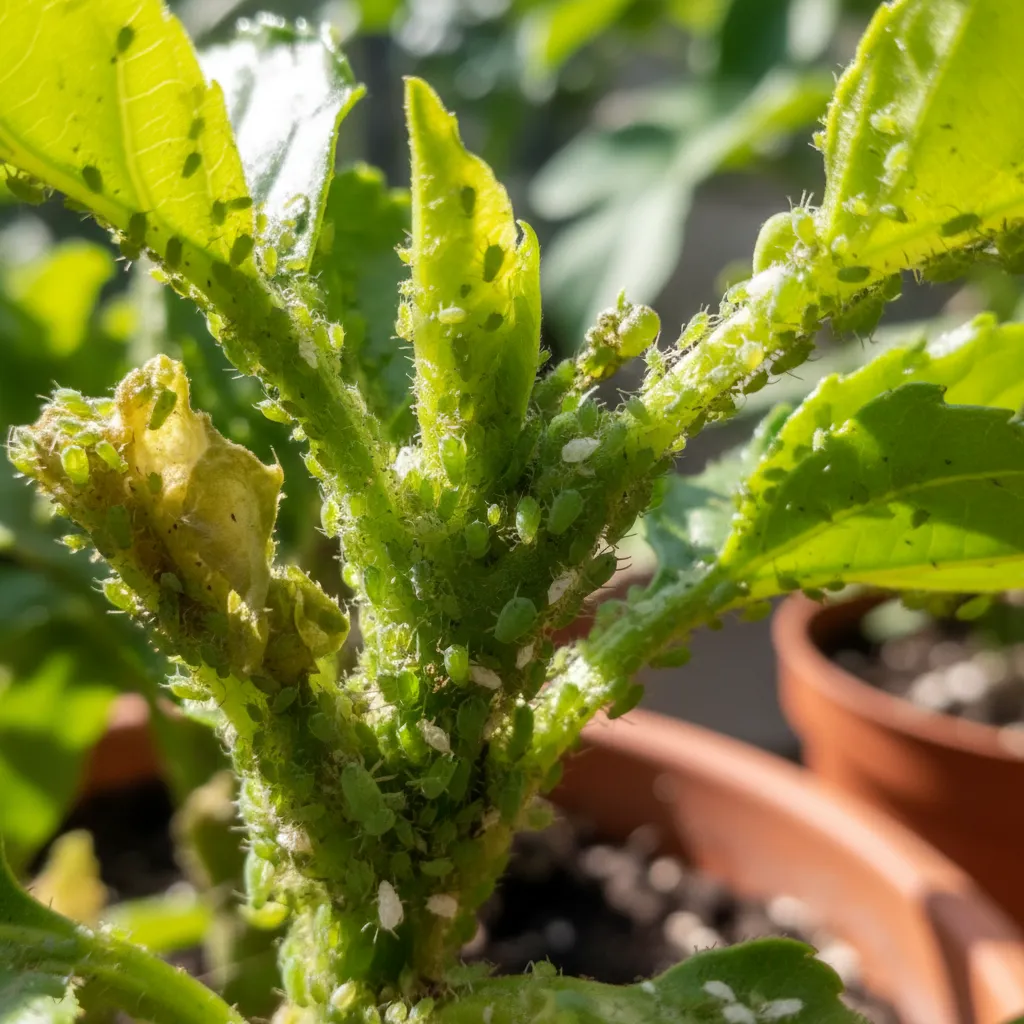
- ✓Pest and Disease Management — Generally resistant, but watch for common garden pests like aphids or spider mites. Ensure good air circulation to prevent fungal issues.
- ✓Harvesting — Leaves can be harvested frequently once the plant is established, typically starting 6-8 weeks after planting. Pinch off flower buds to encourage bushier leaf growth.
- ✓Pruning — Regular pruning of the top leaves and stems encourages branching and a more prolific yield of foliage.
- ✓Container Growing — Can be successfully grown in pots, provided they have adequate drainage and are placed in a sunny location.
- ✓Winter Care — In cooler climates, it can be brought indoors during winter or grown as an annual, as it is sensitive to frost.
Reviewed by the Flora Medical Global Botanical Review Panel
Multi-disciplinary editorial group · Botany · Ethnobotany · Herbal-medicine literature
Who reviewed this: This page was checked by the Flora Medical Global Botanical Review Panel — an in-house editorial group of botany graduates, ethnobotany researchers, and horticulture practitioners who collectively maintain our 7,000+ plant encyclopedia. Meet the team.
Our 4-step verification process
1. Taxonomic verification
Scientific names and synonyms cross-checked against Kew POWO, World Flora Online, and The Plant List.
2. Phytochemical & medicinal cross-reference
Active compounds, traditional uses, and reported activities are cross-referenced with PubMed, USDA Dr. Duke's database, and peer-reviewed ethnobotanical literature.
3. Conservation & distribution check
Distribution, ecology, and conservation status confirmed against GBIF occurrence records and the IUCN Red List.
4. Editorial & safety review
Every entry passes an editorial pass for clarity, originality, and safety notices (toxicity, contraindications, dosage caveats) before publication.
Last reviewed:
Important medical disclaimer: This content is for educational and research purposes only. It is not medical advice and is not a substitute for consultation with a licensed healthcare provider. Do not use any herb to self-treat a medical condition without professional guidance.
Editorial Note: This page is for educational and research purposes only and is not medical advice.
Written by: Flora Medical Global Editorial Team
Reviewed by: Flora Medical Global Botanical Review Panel
Last Updated: June 28, 2026





Holy Basil Purple — Comments & Community Reviews
Rate this plant
No reviews yet. Be the first!