
Medical Disclaimer: This content is for educational purposes only. It is not medical advice. Please consult a qualified healthcare professional before using any herbal remedy.
Safety Overview
1.Hungarian Chamomile — At a Glance

Hungarian Chamomile, scientifically known as Matricaria recutita L., is a revered annual herb belonging to the expansive Asteraceae family, often recognized by its other common name, German Chamomile. This delicate yet resilient plant typically grows to a modest height of 20 to 60 centimeters, characterized by its slender, erect stems that are often branched and glabrous. Its foliage consists of finely divided, bipinnate or tripinnate leaves, which are feathery in texture and bright green, usually measuring between 3 to 8 centimeters in length. These intricate leaves impart a distinctive, airy appearance to the plant. The iconic flowers of Hungarian Chamomile are small, daisy-like capitula, each measuring approximately 1 to 2.5 centimeters in diameter. They feature a prominent, conical, hollow yellow central disc composed of numerous tiny disc florets, encircled by 10 to 20 radiant white ray florets that are typically reflexed downwards as the flower matures.
These charming flower heads can be found either solitary or in loose corymbose clusters atop the stems. The plant is celebrated for its gentle, sweet, and distinctly apple-like fragrance, a characteristic aroma that sets it apart and makes it a beloved herb for infusions and aromatherapy. Native to temperate regions of Europe and Asia, Matricaria recutita has a broad geographic distribution and has been naturalized across many parts of the world, including North America and Australia. It thrives in a variety of open, disturbed habitats, often found flourishing in well-drained soils along roadsides, in cultivated fields, waste grounds, and sunny meadows. It prefers full sunlight exposure and can be found from sea level up to altitudes of 1,500 meters, demonstrating its adaptability. Taxonomically, it is classified within the kingdom Plantae, order Asterales, and family Asteraceae, with the genus Matricaria encompassing several species, though M.
recutita is the most widely recognized and utilized for its medicinal properties. Historically, Hungarian Chamomile boasts a rich legacy of use dating back thousands of years. Ancient Egyptians revered it as a cure for fevers, dedicating it to the sun god. In ancient Greece and Rome, it was employed for various ailments, particularly digestive and nervous complaints. Its use is deeply embedded in traditional European herbalism, where it has been a staple for calming nerves and soothing upset stomachs.
Trusted Scientific References
Authoritative external sources for Matricaria Recutita L.:
1.1.Hungarian Chamomile — Distinguishing Points
- ✓Annual herbaceous plant — Annual herbaceous plant
- ✓Member of the — Member of the Asteraceae (Daisy) family
- ✓Distinctive daisy — like white flowers with yellow centers
- ✓Sweet, apple — like fragrance
- ✓Finely divided, feathery — Finely divided, feathery green leaves
- ✓Rich in essential — Rich in essential oils (chamazulene, bisabolol)
- ✓High flavonoid content — High flavonoid content (apigenin, luteolin)
- ✓Known for potent anti — inflammatory properties
- ✓Offers significant anxiolytic — Offers significant anxiolytic and sedative effects
- ✓Effective digestive aid — Effective digestive aid and antispasmodic
- ✓Traditional remedy for — Traditional remedy for sleep and relaxation
- ✓Widely used in — Widely used in topical applications for skin health
- ✓Natural antioxidant and — Natural antioxidant and mild antimicrobial agent
- ✓Prefers full sun and well — drained soils
- ✓Easily cultivated and often self — seeds
1.2.Hungarian Chamomile — Quick Summary
- ✓Hungarian Chamomile (Matricaria recutita L.) is an annual herb of the Asteraceae family, known for its daisy-like flowers and apple-like scent.
- ✓It is highly valued for its anti-inflammatory, anxiolytic, digestive, and sedative properties, largely due to compounds like chamazulene, bisabolol, and apigenin.
- ✓Traditionally used for millennia in various cultures, including ancient Egypt, Greece, and TCM, for a wide range of ailments.
- ✓Commonly consumed as a tea for relaxation, sleep, and digestive relief, and applied topically for skin conditions and wound healing.
- ✓Cultivation requires full sun and well-drained soil; flowers are harvested when fully open for medicinal use.
- ✓Generally safe, but caution is advised for individuals with Asteraceae allergies, those on blood thinners or sedatives, and during pregnancy/lactation.
- ✓Its robust phytochemical profile provides significant antioxidant, antispasmodic, and mild antimicrobial benefits.
2.Hungarian Chamomile — Scientific Identity
3.Hungarian Chamomile — Categories & Tags
4.Hungarian Chamomile — Physical Description
5.Hungarian Chamomile — Traditional Uses
6.Hungarian Chamomile — Key Phytochemicals
- ✓Essential Oils (Volatile Oils) — Comprising compounds such as chamazulene (formed from matricin during distillation), α-bisabolol, bisabolol oxides A and B, and spiroethers. These are primarily responsible for the potent anti-inflammatory, antispasmodic, and antimicrobial actions of Hungarian Chamomile, with chamazulene giving the essential oil its characteristic blue color.
- ✓Flavonoids — Key compounds include apigenin, apigenin-7-O-glucoside, luteolin, quercetin, and rutin. Apigenin is particularly noted for its anxiolytic, sedative, and anti-inflammatory effects by interacting with GABA-A receptors and inhibiting inflammatory mediators. Flavonoids also contribute significantly to the plant's antioxidant capacity.
- ✓Coumarins — Herniarin and umbelliferone are present. Herniarin is known for its antispasmodic and mild sedative properties, while umbelliferone also contributes to the plant's fragrance and has some photoprotective qualities.
- ✓Sesquiterpene Lactones — While less prominent than in other Asteraceae, some sesquiterpene lactones may be present, contributing to potential bitter taste and further anti-inflammatory effects, though bisabolol is the dominant sesquiterpenoid.
- ✓Polysaccharides — These complex carbohydrates are recognized for their immunomodulatory properties, helping to stimulate the immune system and enhance the body's defense mechanisms.
- ✓Phenolic Acids — Including caffeic acid, chlorogenic acid, and ferulic acid. These compounds are strong antioxidants, contributing to the plant's ability to scavenge free radicals and protect against oxidative stress.
- ✓Terpenoids — Beyond the main essential oil components, other minor terpenoids are present, contributing to the complex synergy of the plant's medicinal profile and enhancing its aromatic qualities.
- ✓Sterols — Such as beta-sitosterol, which may offer anti-inflammatory and cholesterol-lowering benefits, although typically in smaller concentrations.
- ✓Organic Acids — Various organic acids contribute to the overall chemical complexity and subtle physiological effects of the plant, often acting as co-factors for other active compounds.
- ✓Choline — A vital nutrient, choline found in chamomile can support liver function and neurotransmitter synthesis, indirectly contributing to overall wellness.
- ✓Fatty Acids — Small amounts of fatty acids are present within the plant matrix, playing roles in cellular structure and metabolic processes.
- ✓Amino Acids — Essential building blocks for proteins, contributing to the plant's nutritional profile and supporting various biological functions when consumed.
7.Hungarian Chamomile — Scientific Evidence
- ✓Anti-inflammatory Action — Hungarian Chamomile is rich in chamazulene and bisabolol, potent sesquiterpenoids that inhibit inflammatory pathways, making it effective for reducing swelling and pain both internally and externally. Its flavonoids, particularly apigenin, also contribute to this effect by modulating immune responses.
- ✓Anxiolytic and Sedative Effects — The flavonoid apigenin binds to benzodiazepine receptors in the brain, exerting mild sedative and anxiolytic properties. This makes Hungarian Chamomile a traditional remedy for nervousness, stress, and generalized anxiety, promoting a sense of calm without significant drowsiness.
- ✓Digestive Health Support — Chamomile helps to relax the smooth muscles of the digestive tract due to its antispasmodic compounds like bisabolol and various flavonoids. This action alleviates symptoms of indigestion, bloating, gas, stomach cramps, and irritable bowel syndrome (IBS).
- ✓Sleep Aid — Due to its gentle sedative properties, Hungarian Chamomile tea is widely consumed before bedtime to promote relaxation and improve sleep quality. It helps to reduce the time it takes to fall asleep and enhances overall sleep architecture.
- ✓Skin Soothing and Healing — Topically, Hungarian Chamomile extracts and essential oil are excellent for calming irritated skin, reducing redness, and promoting wound healing. Its anti-inflammatory and antiseptic properties are beneficial for conditions like eczema, dermatitis, and minor burns.
- ✓Antioxidant Protection — Flavonoids, phenolic acids, and coumarins in Matricaria recutita act as powerful antioxidants, neutralizing free radicals and protecting cells from oxidative damage. This contributes to overall cellular health and may reduce the risk of chronic diseases.
- ✓Immune System Support — The plant's bioactive compounds, including polysaccharides and certain flavonoids, have immunomodulatory effects, helping to strengthen the body's natural defenses and fight off common infections.
- ✓Antispasmodic Properties — Beyond the digestive system, chamomile's antispasmodic action can relieve muscle cramps, including those associated with menstruation. It helps to relax smooth muscles throughout the body, reducing discomfort.
- ✓Antimicrobial Activity — Chamazulene and bisabolol, along with other volatile compounds, exhibit mild antimicrobial and antifungal properties. This makes chamomile useful for treating minor infections and as a gentle antiseptic.
- ✓Oral Health — As a mouthwash or gargle, chamomile can help soothe inflamed gums, reduce discomfort from canker sores, and combat oral bacteria due to its anti-inflammatory and antiseptic qualities.
- ✓Menstrual Discomfort Relief — The antispasmodic and anti-inflammatory actions of Hungarian Chamomile make it an effective natural remedy for easing menstrual cramps and premenstrual syndrome (PMS symptoms).
- ✓Mild Analgesic — While not a strong painkiller, the anti-inflammatory and calming effects of chamomile can contribute to a reduction in mild pain, especially neuropathic pain and pain associated with inflammation.
- ✓Blood Sugar Regulation — Some research suggests that certain compounds in chamomile may help in managing blood glucose levels, potentially beneficial for individuals with metabolic concerns, though more research is needed in this area.
- ✓Cholesterol Management — Preliminary studies indicate that chamomile might play a role in reducing lipid levels, contributing to cardiovascular health by influencing cholesterol metabolism.
- ✓Antiallergic Effects — The anti-inflammatory and mast cell stabilizing properties of flavonoids in chamomile may help to mitigate allergic reactions, reducing histamine release and associated symptoms.
7.1.Hungarian Chamomile — Health Applications
8.Hungarian Chamomile — Safety Considerations
8.1.Hungarian Chamomile — Possible Adverse Reactions
- ✓Allergic Reactions — Individuals sensitive to plants in the Asteraceae family (e.g., ragweed, marigolds, chrysanthemums) may experience allergic reactions, including skin rashes, hives, or anaphylaxis.
- ✓Skin Irritation — While generally soothing, topical application of chamomile, especially concentrated essential oil, can cause contact dermatitis or skin irritation in highly sensitive individuals.
- ✓Drowsiness and Sedation — High doses of chamomile, particularly when combined with other sedatives or alcohol, can lead to excessive drowsiness, impacting alertness and coordination.
- ✓Drug Interactions (Anticoagulants) — Chamomile contains coumarins which can potentially enhance the effects of anticoagulant medications (blood thinners) like warfarin, increasing the risk of bleeding.
- ✓Drug Interactions (Sedatives) — Concurrent use with sedative medications, anxiolytics, or alcohol may amplify their effects, leading to increased central nervous system depression.
- ✓Uterine Stimulation — Although rare and not definitively proven, some traditional sources suggest high doses might theoretically stimulate uterine contractions, hence caution during pregnancy.
- ✓Gastrointestinal Upset — Rarely, some individuals may experience mild gastrointestinal upset, such as nausea or vomiting, especially with very high doses or strong concentrations.
- ✓Eye Irritation — While often used for eye compresses, improper preparation or contamination can lead to eye irritation or infection. Always ensure sterile preparation for ophthalmic use.
8.2.Hungarian Chamomile — Risk Assessment
- ✓Pregnancy and Lactation — Pregnant and breastfeeding women should consult a healthcare professional before using Hungarian Chamomile, especially in concentrated forms, due to potential, albeit low, risks of uterine stimulation or lack of extensive safety data.
- ✓Allergies — Individuals with known allergies to plants in the Asteraceae family (daisies, ragweed, marigolds) should avoid chamomile due to the risk of cross-reactivity and allergic reactions.
- ✓Drug Interactions — Exercise caution if taking anticoagulant medications (blood thinners) or sedative drugs, as chamomile may potentiate their effects. Consult a doctor before combining.
- ✓Surgery — Discontinue chamomile use at least two weeks prior to any scheduled surgery due to its potential anti-coagulant effects and interaction with anesthesia.
- ✓Children — Chamomile is generally considered safe for children in moderate doses, particularly as a mild tea for colic or sleep. However, always consult a pediatrician for appropriate dosing and safety.
- ✓Topical Use — Perform a patch test on a small skin area before widespread topical application, especially with essential oils, to check for sensitivity or allergic reactions.
- ✓Dosage — Adhere to recommended dosages. Excessive consumption may lead to increased drowsiness or rare gastrointestinal upset. Always follow professional or product-specific guidelines.
- ✓Quality Control — Ensure you purchase high-quality, organic Hungarian Chamomile from reputable sources to avoid contamination with pesticides, heavy metals, or adulteration with other species.
- ✓Driving and Operating Machinery — Due to its mild sedative effects, caution should be exercised when driving or operating heavy machinery after consuming large doses of chamomile.
9.Hungarian Chamomile — Preparation Methods
- ✓Herbal Infusion (Tea) — Steep 1-2 teaspoons of dried Hungarian Chamomile flower heads in a cup of hot water for 5-10 minutes. Strain and drink up to 3 times daily for relaxation, digestive support, or before bed.
- ✓Topical Compress — Prepare a strong infusion (as above, but with more herb). Soak a clean cloth in the cooled tea and apply it directly to irritated skin, minor wounds, or tired eyes for soothing relief.
- ✓Essential Oil Diffusion — Add a few drops of pure Hungarian Chamomile essential oil to an aromatherapy diffuser to create a calming atmosphere, promote relaxation, and aid sleep.
- ✓Bath Additive — Infuse a large batch of chamomile tea and add it to a warm bath, or add 5-10 drops of essential oil for a relaxing and skin-soothing soak.
- ✓Tincture — Take 1-2 ml of chamomile tincture (alcohol extract) mixed with water, 1-3 times daily, as directed by a healthcare professional for systemic benefits like anxiety or digestive issues.
- ✓Creams and Ointments — Incorporate chamomile extract or essential oil into topical creams, lotions, or salves to apply directly to inflamed skin, eczema patches, or minor skin irritations.
- ✓Mouthwash or Gargle — Use a cooled chamomile infusion as a mouthwash to soothe gum inflammation, canker sores, or for general oral hygiene due to its antiseptic properties.
- ✓Capsules/Tablets — For standardized dosing and convenience, chamomile can be taken in capsule or tablet form, typically containing dried flower powder or concentrated extracts, following manufacturer guidelines.
- ✓Poultice — For localized inflammation or minor skin infections, a paste made from crushed fresh chamomile flowers or rehydrated dried flowers can be applied directly to the affected area.
- ✓Inhalation (Steam) — Add a few drops of chamomile essential oil or a strong infusion to a bowl of hot water, then inhale the steam (with a towel over the head) to relieve respiratory congestion or nasal irritation.
10.Hungarian Chamomile — Garden Cultivation
- ✓Soil Preparation — Hungarian Chamomile thrives in well-drained, light to medium loamy soils with a pH ranging from 6.0 to 7.5. Amend heavy clay soils with organic matter to improve drainage.
- ✓Sunlight Requirements — Full sun exposure is crucial for optimal growth and flowering, ensuring robust essential oil production. It needs at least 6-8 hours of direct sunlight daily.
- ✓Planting Time — Seeds are best sown directly outdoors in early spring after the last frost, or in late summer for an autumn bloom in milder climates. Indoor seeding can begin 6-8 weeks before the last frost.
- ✓Seed Sowing — Chamomile seeds are tiny; surface sow them or cover with a very thin layer of fine soil, as they require light for germination. Keep the soil consistently moist until seedlings emerge.
- ✓Watering — Provide regular watering, especially during dry periods, to keep the soil consistently moist but not waterlogged. Established plants are moderately drought-tolerant but perform best with consistent moisture.
- ✓Spacing — Thin seedlings to about 15-30 cm (6-12 inches) apart to allow for proper air circulation and growth, preventing overcrowding and potential fungal issues.
- ✓Fertilization — Chamomile is not a heavy feeder. A light application of balanced organic fertilizer at planting time is usually sufficient. Avoid excessive nitrogen, which can promote leafy growth over flowers.
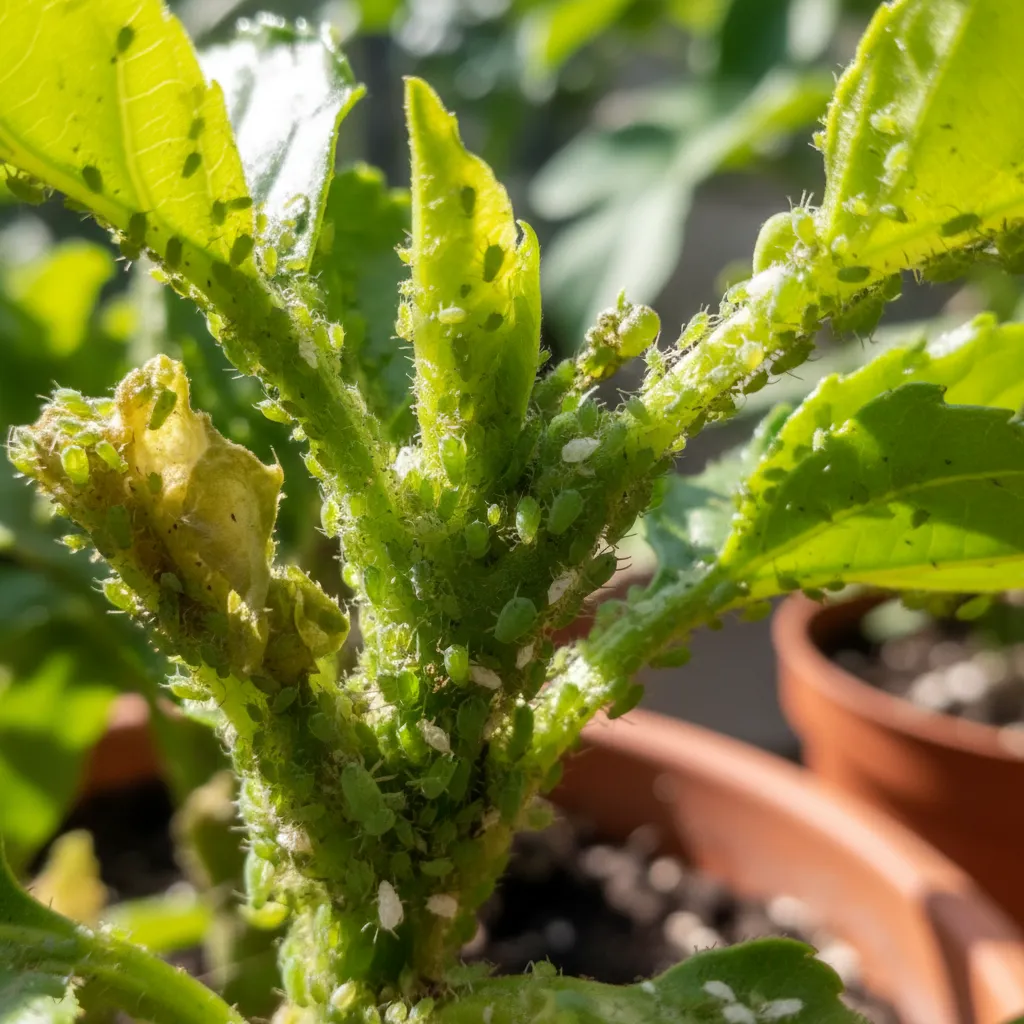
- ✓Pest and Disease Management — Generally resistant to most pests and diseases. Monitor for aphids or powdery mildew, treating with organic solutions like neem oil or horticultural soap if necessary.
- ✓Harvesting — Harvest flower heads when they are fully open, typically from late spring through summer. Pick them by hand, ideally in the morning after the dew has dried, for the highest concentration of active compounds.
- ✓Drying — Spread harvested flowers in a single layer on screens or trays in a cool, dark, well-ventilated area. Ensure thorough drying to prevent mold, then store in airtight containers away from light and heat.
- ✓Propagation — Primarily propagated by seed. The plant readily self-seeds, often returning year after year in suitable conditions, making it an easy-to-maintain garden addition.
Reviewed by the Flora Medical Global Botanical Review Panel
Multi-disciplinary editorial group · Botany · Ethnobotany · Herbal-medicine literature
Who reviewed this: This page was checked by the Flora Medical Global Botanical Review Panel — an in-house editorial group of botany graduates, ethnobotany researchers, and horticulture practitioners who collectively maintain our 7,000+ plant encyclopedia. Meet the team.
Our 4-step verification process
1. Taxonomic verification
Scientific names and synonyms cross-checked against Kew POWO, World Flora Online, and The Plant List.
2. Phytochemical & medicinal cross-reference
Active compounds, traditional uses, and reported activities are cross-referenced with PubMed, USDA Dr. Duke's database, and peer-reviewed ethnobotanical literature.
3. Conservation & distribution check
Distribution, ecology, and conservation status confirmed against GBIF occurrence records and the IUCN Red List.
4. Editorial & safety review
Every entry passes an editorial pass for clarity, originality, and safety notices (toxicity, contraindications, dosage caveats) before publication.
Last reviewed:
Important medical disclaimer: This content is for educational and research purposes only. It is not medical advice and is not a substitute for consultation with a licensed healthcare provider. Do not use any herb to self-treat a medical condition without professional guidance.
Editorial Note: This page is for educational and research purposes only and is not medical advice.
Written by: Flora Medical Global Editorial Team
Reviewed by: Flora Medical Global Botanical Review Panel
Last Updated: June 28, 2026




Hungarian Chamomile — Comments & Community Reviews
Rate this plant
No reviews yet. Be the first!