
Medical Disclaimer: This content is for educational purposes only. It is not medical advice. Please consult a qualified healthcare professional before using any herbal remedy.
Safety Overview
1.Hydrangea — Introduction & Highlights

Hydrangea arborescens, commonly known as wild hydrangea or smooth hydrangea, is a deciduous shrub native to the eastern and north-central regions of the United States. Belonging to the Hydrangeaceae family, this robust plant typically grows to heights of 3 to 6 feet, often forming multi-stemmed clumps. Its morphology is characterized by large, ovate to cordate, serrated leaves that are dark green above and paler, sometimes glaucous, beneath. The prominent inflorescences, appearing in summer, are typically flat-topped cymes, often several inches across, featuring numerous small, fertile flowers surrounded by a few larger, showy, sterile florets, though cultivated varieties may have globe-shaped flower heads composed entirely of sterile flowers. The bark on mature stems is a distinctive pale brown, exfoliating in thin strips.
This species thrives in moist, well-drained soils, often found in woodland understories, along stream banks, and in ravines, preferring partial shade but tolerating full sun in cooler climates with consistent moisture. Its natural geographic distribution extends from New York south to Florida and west to Oklahoma and Kansas, making it a familiar sight in various temperate forest ecosystems. Taxonomically, Hydrangea arborescens is a foundational species within its genus, distinguished by its smooth, non-peeling bark on younger stems and its characteristic white to greenish-white flowers. The historical significance of Hydrangea arborescens as a medicinal plant is deeply rooted in North American indigenous traditions. Various Native American tribes, including the Cherokee, Iroquois, and Delaware, revered the plant, particularly its root and rhizome, for a range of therapeutic purposes.
It was traditionally employed for its purported diuretic and lithotriptic properties, primarily to address conditions related to the urinary system, such as bladder and kidney stones, as well as urinary tract infections. Beyond urological applications, its use extended to muscular pain, burns, and as a general tonic. While the existing content mentions its use in Ayurveda and traditional Chinese medicine, specific documentation for Hydrangea arborescens within these systems is less common; its primary traditional medicinal heritage lies firmly within North American folk herbalism.
Trusted Scientific References
Authoritative external sources for Hydrangea Arborescens:
1.1.Hydrangea — Key Features
- ✓Native to eastern and north — central United States.
- ✓Deciduous shrub with distinctive white to greenish — white flowers.
- ✓Primarily the root — Primarily the root and rhizome are used medicinally.
- ✓Traditional use by — Traditional use by Native Americans for urinary and kidney ailments.
- ✓Contains bioactive compounds — Contains bioactive compounds like hydrangenol and hydrangin.
- ✓Exhibits diuretic, anti — inflammatory, and antioxidant activities.
- ✓Historically used for — Historically used for bladder infections, kidney stones, and enlarged prostate.
- ✓Cultivated in moist, well — drained soil with partial shade.
- ✓Propagation typically via — Propagation typically via cuttings or division.
- ✓Potentially unsafe in — Potentially unsafe in large doses, causing dizziness and chest tightness.
- ✓Known interaction with — Known interaction with lithium due to diuretic effect.
- ✓Avoid use during — Avoid use during pregnancy and breastfeeding.
- ✓Professional consultation advised — Professional consultation advised before use.
- ✓Also known as — Also known as Wild Hydrangea or Smooth Hydrangea.
1.2.Hydrangea — At-a-Glance Summary
- ✓Hydrangea arborescens is a North American native shrub from the Hydrangeaceae family.
- ✓Traditionally, the root and rhizome are used for urinary, kidney, and prostate health.
- ✓Contains coumarins (hydrangin, hydrangenol), flavonoids, and phenolic acids.
- ✓Known for its diuretic, anti-inflammatory, and antioxidant properties.
- ✓Large doses are possibly unsafe, potentially causing dizziness, chest tightness, and GI irritation.
- ✓Contraindicated in pregnancy/breastfeeding and interacts with lithium.
- ✓Cultivated in partial shade, requiring moist, well-drained soil.
- ✓Primary preparation methods include decoctions, tinctures, and powdered forms.
2.Hydrangea — Scientific Identity
3.Hydrangea — Categories & Tags
4.Hydrangea — Plant Morphology
5.Hydrangea — Historical Applications
6.Hydrangea — Active Compounds
- ✓Coumarins — Key compounds include hydrangin and hydrangenol, known for their diuretic and potential anti-inflammatory properties, significantly contributing to the plant's traditional use in urinary health and detoxification.
- ✓Flavonoids — Such as quercetin and kaempferol, these are powerful antioxidants that scavenge free radicals, reduce oxidative stress, and exhibit anti-inflammatory effects, supporting cellular health and immune function.
- ✓Phenolic Acids — Including caffeic acid and chlorogenic acid, these compounds contribute to the plant's antioxidant capacity and possess anti-inflammatory actions, beneficial for overall systemic health.
- ✓Saponins — These glycosides are present in the root and rhizome, potentially contributing to the plant's expectorant and diuretic properties, although their specific pharmacological role in Hydrangea is still under investigation.
- ✓Tannins — Astringent polyphenols that can form complexes with proteins, providing anti-inflammatory, antimicrobial, and antioxidant effects, traditionally used for their tissue-toning properties.
- ✓Alkaloids — While present, specific medicinal alkaloids in Hydrangea arborescens are less characterized compared to other plant families, but they may contribute to the plant's overall bioactivity.
- ✓Terpenoids — A diverse group of organic compounds that often possess anti-inflammatory, antimicrobial, and antioxidant activities, contributing to the plant's broad therapeutic spectrum.
- ✓Lignans — These plant compounds may exhibit antioxidant and anti-inflammatory properties, playing a role in cellular protection and modulating inflammatory pathways.
- ✓Volatile Oils — Present in small quantities, these contribute to the plant's aroma and may possess mild antiseptic or soothing properties.
- ✓Polysaccharides — Complex carbohydrates that can have immunomodulatory effects, supporting the body's natural defense mechanisms.
- ✓Sterols — Plant sterols are known for their potential to influence hormone balance and exhibit anti-inflammatory actions.
7.Hydrangea — Modern Studies
- ✓Urinary Tract Support — Hydrangea has been traditionally utilized to support the health of the urinary tract, potentially by promoting diuresis and acting as an antiseptic, which may aid in flushing out pathogens and reducing inflammation in bladder and urethral infections.
- ✓Kidney Stone Management — Historically, the root of Hydrangea arborescens has been employed as a lithotriptic agent, believed to help dissolve or facilitate the passage of kidney stones by increasing urine flow and potentially altering urine composition.
- ✓Benign Prostatic Hyperplasia (BPH) Relief — In traditional North American folk medicine, Hydrangea root was used to alleviate symptoms associated with an enlarged prostate, such as frequent or difficult urination, likely due to its diuretic and anti-inflammatory effects.
- ✓Anti-inflammatory Properties — The plant contains various phenolic compounds and flavonoids that exhibit anti-inflammatory activity, potentially reducing swelling and pain in conditions like arthritis or general bodily inflammation.
- ✓Diuretic Action — Bioactive constituents within Hydrangea arborescens are thought to increase urine output, acting as a natural 'water pill' that helps the body eliminate excess fluids and toxins.
- ✓Antioxidant Effects — Rich in phenolic compounds, Hydrangea possesses antioxidant capabilities, helping to neutralize free radicals and protect cells from oxidative damage, contributing to overall cellular health.
- ✓Antimicrobial Potential — Traditional uses suggest a role in combating microbial infections, possibly due to certain compounds exhibiting mild antiseptic or antimicrobial actions against urinary pathogens.
- ✓Immune System Modulation — While not a primary use, some traditional systems attribute immune-supportive qualities to various botanicals, and the presence of flavonoids in Hydrangea may play a role in modulating immune responses.
- ✓Digestive Health — In certain folk practices, Hydrangea was used to support digestive comfort, though specific mechanisms are less documented, possibly relating to its general tonic or anti-inflammatory effects on the gut lining.
- ✓Gout Symptom Alleviation — By promoting increased urination, Hydrangea may assist in the excretion of uric acid, a key factor in gout, thus potentially helping to reduce symptom severity.
- ✓Bladder Health — Beyond infections, the plant is traditionally used to soothe general bladder irritation and spasms, contributing to overall bladder comfort and function.
- ✓Respiratory Support — Some historical accounts mention its use for conditions like hay fever, suggesting a potential role in alleviating respiratory discomfort, possibly through anti-inflammatory or antihistamine-like effects.
- ✓Muscle and Joint Pain — Applied topically or consumed internally, Hydrangea has been traditionally used to ease muscle aches and joint discomfort, aligning with its purported anti-inflammatory properties.
- ✓Detoxification Support — As a diuretic, Hydrangea is believed to support the body's natural detoxification processes by enhancing the elimination of waste products through the kidneys.
7.1.Hydrangea — Conditions Traditionally Used For
8.Hydrangea — Risk Profile
8.1.Hydrangea — Reported Side Effects
- ✓Dizziness — High doses of dried Hydrangea root (over 2 grams) have been reported to cause dizziness in some individuals.
- ✓Chest Tightness — Ingestion of large amounts of Hydrangea root may lead to feelings of tightness in the chest.
- ✓Stomach Irritation — The plant can potentially irritate the stomach lining, leading to discomfort, nausea, or upset stomach.
- ✓Intestinal Irritation — Similar to stomach irritation, consuming Hydrangea may cause irritation to the intestines, potentially resulting in abdominal cramps or diarrhea.
- ✓Allergic Reactions — Individuals sensitive to plants in the Hydrangeaceae family may experience allergic reactions, including skin rashes or respiratory symptoms.
- ✓Nausea and Vomiting — Excessive intake or sensitivity to Hydrangea can induce feelings of nausea and lead to vomiting.
- ✓Diuretic Overactivity — Due to its diuretic properties, excessive use can lead to electrolyte imbalance or dehydration if fluid intake is not adequately maintained.
8.2.Hydrangea — Safety Overview
- ✓Pregnancy and Breastfeeding — Hydrangea is considered possibly unsafe during pregnancy and breastfeeding due to insufficient reliable information; avoidance is recommended.
- ✓Large Doses — Consuming large amounts of Hydrangea root (exceeding 2 grams of dried root) is possibly unsafe and can lead to adverse effects like dizziness and chest tightness.
- ✓Gastrointestinal Sensitivity — Individuals with sensitive stomachs or intestines should use Hydrangea with caution, as it may cause irritation.
- ✓Lithium Interaction — Hydrangea may act as a diuretic, potentially decreasing the body's ability to excrete lithium, which could lead to increased lithium levels and serious side effects; consult a healthcare provider if taking lithium.
- ✓Medical Consultation — Always consult a healthcare professional before using Hydrangea, especially if you have pre-existing medical conditions, are taking other medications, or are considering its use for serious ailments.
- ✓Insufficient Dosing Information — There is a lack of scientific information to determine an appropriate range of safe and effective doses for Hydrangea, emphasizing the need for professional guidance.
- ✓Not for Prolonged Use — Due to potential side effects and lack of long-term safety data, Hydrangea is generally not recommended for prolonged, continuous use.
- ✓Children — Due to limited safety data, Hydrangea should not be administered to children without strict medical supervision.
9.Hydrangea — Application Forms
- ✓Decoction — Prepare by simmering dried Hydrangea root and rhizome in water for 15-20 minutes, then straining; traditionally used for urinary and kidney support.
- ✓Tincture — Macerate chopped fresh or dried root in an alcohol-based solvent for several weeks, then strain; offers a concentrated and shelf-stable form for internal use.
- ✓Powdered Root — Dried Hydrangea root can be ground into a fine powder and encapsulated for convenient oral administration, often taken with water.
- ✓Infusion — While less common for roots, a strong infusion can be made from the dried aerial parts (leaves) for milder applications, though the root is the primary medicinal part.
- ✓Poultice — A paste made from crushed fresh or rehydrated dried root can be applied topically to areas of muscular pain or inflammation, though this is a less common modern application.
- ✓Teas — Commercial tea bags or loose-leaf blends containing Hydrangea root are available, typically steeped in hot water for 5-10 minutes.
- ✓Glycerite — For individuals avoiding alcohol, a glycerine-based extract can be prepared by soaking the dried root in vegetable glycerin and water.
- ✓Topical Washes — A diluted decoction can be used as a topical wash for skin irritations, leveraging its astringent and anti-inflammatory properties.
- ✓Commercial Extracts — Available in liquid or capsule form, these standardized extracts ensure consistent dosing of bioactive compounds.
- ✓Syrups — Infusions or decoctions can be combined with honey or other sweeteners to create medicinal syrups, particularly for easier ingestion.
10.Hydrangea — Growth Requirements
- ✓Site Selection — Choose a location with partial shade, especially protection from intense afternoon sun, though it can tolerate full sun in consistently moist, cooler climates.
- ✓Soil Requirements — Prefers moist, well-drained, fertile soil with an acidic to neutral pH (5.0-7.0); amend heavy clay soils with organic matter to improve drainage.
- ✓Watering — Requires consistent moisture, especially during dry spells and in its establishment phase; do not allow the soil to dry out completely.
- ✓Fertilization — Apply a balanced, slow-release granular fertilizer in spring, or a liquid feed every few weeks during the growing season, avoiding excessive nitrogen which can reduce flowering.
- ✓Propagation — Can be propagated through softwood cuttings taken in late spring or early summer, or by division of established clumps in spring or fall.
- ✓Pruning — Prune in late winter or early spring before new growth begins, removing dead, damaged, or weak stems; it blooms on new wood, so aggressive pruning will not inhibit flowering.
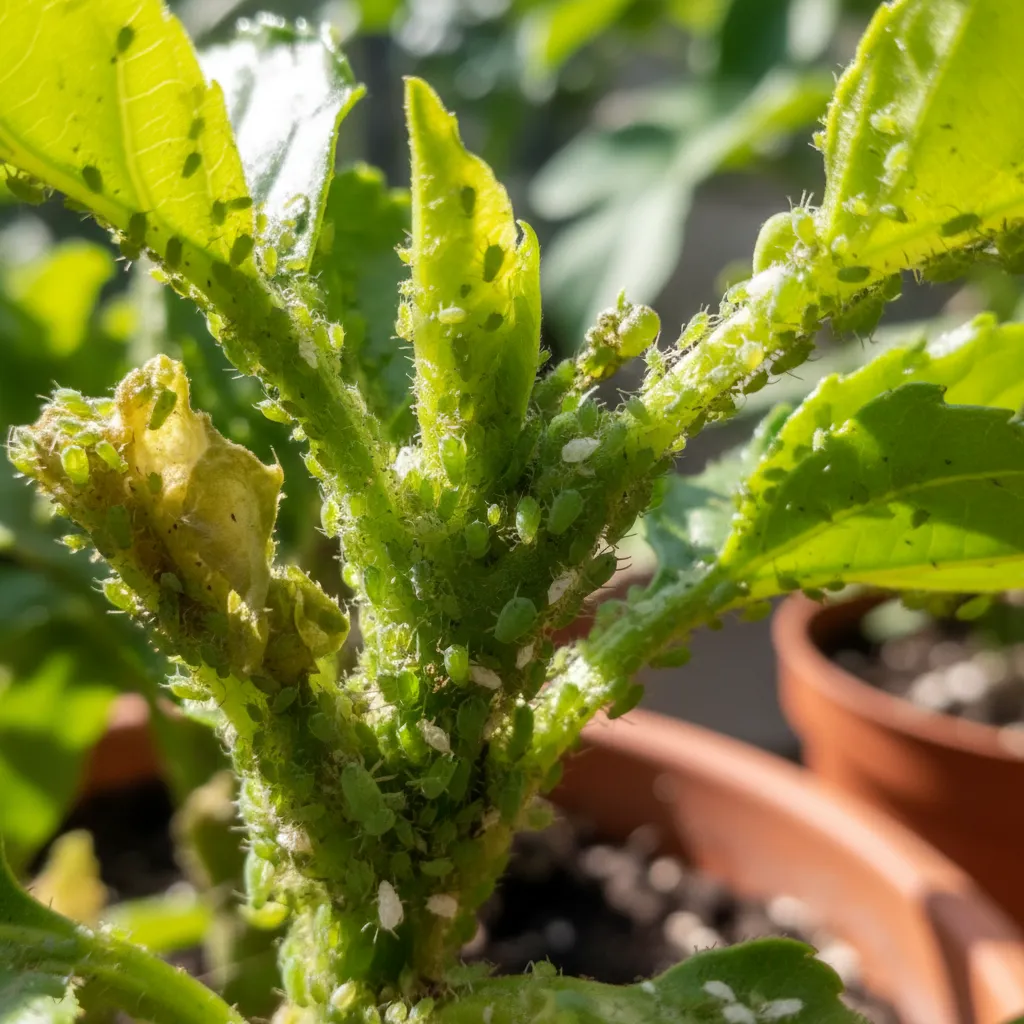
- ✓Pest and Disease Management — Generally robust, but watch for common issues like aphids, spider mites, or powdery mildew; ensure good air circulation to prevent fungal diseases.
- ✓Harvesting — For medicinal use, the root and rhizome are typically harvested in late fall after the leaves have dropped, or in early spring before new growth emerges.
- ✓Winter Care — In colder zones, apply a layer of mulch around the base to protect roots from freezing temperatures.
- ✓Spacing — Plant individual shrubs 3-5 feet apart to allow for mature spread and good air circulation.
Reviewed by the Flora Medical Global Botanical Review Panel
Multi-disciplinary editorial group · Botany · Ethnobotany · Herbal-medicine literature
Who reviewed this: This page was checked by the Flora Medical Global Botanical Review Panel — an in-house editorial group of botany graduates, ethnobotany researchers, and horticulture practitioners who collectively maintain our 7,000+ plant encyclopedia. Meet the team.
Our 4-step verification process
1. Taxonomic verification
Scientific names and synonyms cross-checked against Kew POWO, World Flora Online, and The Plant List.
2. Phytochemical & medicinal cross-reference
Active compounds, traditional uses, and reported activities are cross-referenced with PubMed, USDA Dr. Duke's database, and peer-reviewed ethnobotanical literature.
3. Conservation & distribution check
Distribution, ecology, and conservation status confirmed against GBIF occurrence records and the IUCN Red List.
4. Editorial & safety review
Every entry passes an editorial pass for clarity, originality, and safety notices (toxicity, contraindications, dosage caveats) before publication.
Last reviewed:
Important medical disclaimer: This content is for educational and research purposes only. It is not medical advice and is not a substitute for consultation with a licensed healthcare provider. Do not use any herb to self-treat a medical condition without professional guidance.
Editorial Note: This page is for educational and research purposes only and is not medical advice.
Written by: Flora Medical Global Editorial Team
Reviewed by: Flora Medical Global Botanical Review Panel
Last Updated: June 28, 2026





Hydrangea — Comments & Community Reviews
Rate this plant
No reviews yet. Be the first!