
Medical Disclaimer: This content is for educational purposes only. It is not medical advice. Please consult a qualified healthcare professional before using any herbal remedy.
Safety Overview
1.Indian Barberry — At a Glance
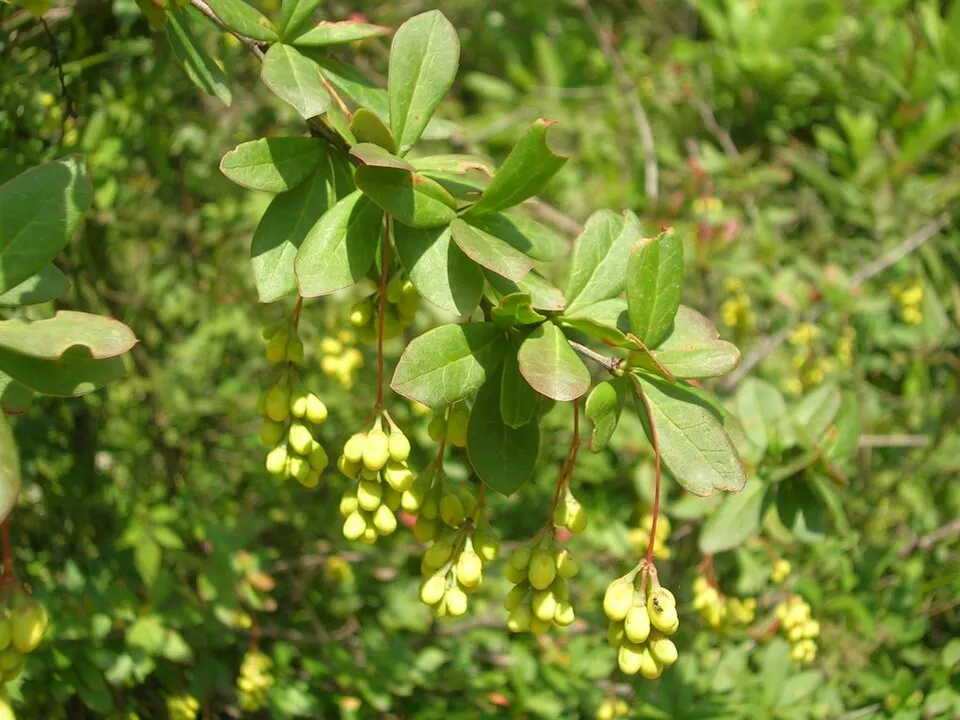
Berberis aristata, commonly known as Indian Barberry or Daruharidra, is a robust deciduous shrub native to the majestic Himalayan region, thriving particularly in India and Nepal. This resilient plant, a member of the Berberidaceae family, typically grows to a height of 2 to 3 meters, characterized by its woody, often gnarled stems and branches armed with distinctive sharp, trifid spines. Its leaves are simple, ranging from obovate to spatulate in shape, often displaying subtly serrated margins and a vibrant green hue. During the spring months, usually from April to May, the Indian Barberry adorns itself with clusters of bright yellow, cup-shaped flowers. These hermaphroditic blossoms are arranged in racemose inflorescences, attracting pollinators.
Following the flowering period, these give way to small, spherical to ovoid berries that undergo a color transformation from green to a deep dark blue or purple as they mature in the summer. These berries are slightly tart but edible. One of the plant's most striking features is its inner wood and root, which exhibit a vivid yellow coloration, a direct result of its abundant alkaloid content, primarily berberine. Berberis aristata demonstrates remarkable adaptability, flourishing in challenging high-altitude environments between 2,000 and 3,000 meters. It prefers sunny, open slopes and anchors itself firmly in well-drained, nutrient-rich loamy soils.
Taxonomically, it is an integral part of the diverse Berberis genus, widely recognized for its profound medicinal properties. Historically, Indian Barberry has held an esteemed position in traditional healing systems, notably as a cornerstone of Ayurvedic medicine, where it is revered as Daruharidra. Ancient texts like the Charaka Samhita and Sushruta Samhita extensively document its therapeutic virtues, highlighting its efficacy in addressing a broad spectrum of ailments, including metabolic imbalances, digestive complaints, various skin conditions, and ocular issues. Unani medicine also incorporates this powerful plant into its remedies.
Trusted Scientific References
1. Authoritative external sources for Berberis aristata
1.1 Wikipedia — Berberis aristata
1.2 Kew POWO (Plants of the World Online)
1.3 PubMed — peer-reviewed research
1.4 NCBI Taxonomy Browser
1.5 GBIF — Global Biodiversity
1.1.Indian Barberry — Distinguishing Points
- ✓Potent Berberine Source — Primary source of the powerful isoquinoline alkaloid berberine.
- ✓Traditional Medicine Staple — A cornerstone herb in Ayurveda and Unani systems for centuries.
- ✓Himalayan Origin — Indigenous to the high altitudes of the Himalayan mountain range.
- ✓Distinctive Yellow Wood — Inner wood and roots are vividly yellow, indicating high alkaloid content.
- ✓Antidiabetic Efficacy — Clinically studied for its ability to normalize glucose metabolism.
- ✓Lipid Profile Normalization — Demonstrated effects in reducing cholesterol and triglycerides.
- ✓Broad Antimicrobial Action — Effective against a range of pathogens, beneficial for infections.
- ✓Anti — inflammatory Properties — Modulates immune responses and reduces inflammation.
- ✓Versatile Applications — Used internally for systemic issues and externally for skin conditions.
- ✓Thorny Deciduous Shrub — Characterized by sharp trifid spines and seasonal leaf shedding.
1.2.Indian Barberry — Quick Summary
- ✓Berberis aristata, or Indian Barberry, is a Himalayan shrub revered in traditional medicine.
- ✓Rich in berberine, it offers significant antidiabetic, lipid-lowering, and antimicrobial benefits.
- ✓Used historically for metabolic, digestive, skin, and ocular conditions.
- ✓Essential to Ayurvedic medicine, known as Daruharidra.
- ✓Requires careful usage due to potential drug interactions and contraindications, especially in pregnancy and children.
- ✓Modern research supports its pleiotropic actions, highlighting its therapeutic potential.
2.Indian Barberry — Botanical Identity
3.Indian Barberry — Fact Sheet
4.Indian Barberry — Botanical Description
5.Indian Barberry — Native Range & Habitat
6.Indian Barberry — Traditional Uses
7.Indian Barberry — Key Phytochemicals
- ✓Isoquinoline Alkaloids — Berberine is the primary active compound, responsible for significant antidiabetic, lipid-lowering, antimicrobial, and anti-inflammatory effects.
- ✓Protoberberines — Includes palmatine and jatrorrhizine, which contribute to the plant's anti-inflammatory and antimicrobial activities, often working synergistically with berberine.
- ✓Bisbenzylisoquinoline Alkaloids — Compounds like oxyacanthine are present, known for their hypotensive and anti-inflammatory properties, adding to the plant's diverse pharmacology.
- ✓Phenolic Compounds — Flavonoids and phenolic acids are found, offering potent antioxidant activity and contributing to the plant's protective effects against oxidative stress.
- ✓Lignans — These compounds possess antioxidant and anti-inflammatory properties, supporting cellular health and contributing to the overall therapeutic profile.
- ✓Tannins — Present in the bark and roots, tannins contribute astringent properties, useful in traditional medicine for wound healing and digestive issues.
- ✓Saponins — These natural glycosides can have immunomodulatory and cholesterol-lowering effects, further enhancing the plant's medicinal value.
- ✓Sterols — Including beta-sitosterol, which has anti-inflammatory and cholesterol-lowering properties, supporting cardiovascular health.
- ✓Carbohydrates — Polysaccharides contribute to the plant's bulk and may have immune-modulating properties.
8.Indian Barberry — Pharmacological Findings
- ✓Antidiabetic Activity — Indian Barberry helps regulate glucose metabolism and decrease blood sugar levels, primarily due to berberine's action on insulin sensitivity and glucose uptake.
- ✓Lipid-Lowering Effects — It aids in normalizing lipid profiles by reducing elevated cholesterol and triglyceride levels, contributing to cardiovascular health.
- ✓Antimicrobial Properties — The plant exhibits broad-spectrum antimicrobial activity against bacteria, fungi, and parasites, making it useful for combating various infections.
- ✓Anti-inflammatory Action — Berberis aristata compounds, particularly berberine, modulate inflammatory pathways, reducing systemic and localized inflammation.
- ✓Antioxidant Support — Rich in phytochemicals, it helps neutralize harmful free radicals, protecting cells from oxidative damage and supporting overall cellular health.
- ✓Liver and Pancreatic Health — Traditionally used to support liver function and address pancreatic disorders, it aids in detoxification and metabolic regulation.
- ✓Digestive Aid — Indian Barberry can alleviate digestive complaints by promoting healthy gut flora and improving nutrient absorption, often used for conditions like diarrhea.
- ✓Skin Condition Management — Its antiseptic and anti-inflammatory properties make it beneficial for treating skin infections, wounds, and various dermatological issues.
- ✓Ocular Health Support — Historically applied for eye conditions, it helps reduce inflammation and infection in the conjunctiva, contributing to eye comfort and clarity.
- ✓Metabolic Syndrome Management — Given its effects on glucose and lipid metabolism, it shows promise in managing multiple facets of metabolic syndrome.
- ✓Anticancer Potential — Preliminary studies suggest that its active compounds may inhibit cancer cell proliferation and induce apoptosis, indicating potential as an adjunct therapy.
8.1.Indian Barberry — Health Applications
9.Indian Barberry — Safety & Side Effects
9.1.Indian Barberry — Caution Notes
- ✓Gastrointestinal Upset — May cause nausea, vomiting, diarrhea, or constipation in some individuals, particularly with high doses.
- ✓Abdominal Discomfort — Users might experience stomach cramps or general abdominal discomfort.
- ✓Hypotension — Can lower blood pressure, which may be problematic for individuals already on antihypertensive medication or with naturally low blood pressure.
- ✓Hypoglycemia — May significantly lower blood sugar, posing a risk for diabetics already on medication; blood glucose monitoring is crucial.
- ✓Allergic Reactions — Rare instances of allergic responses such as skin rashes or itching have been reported.
- ✓Drug Interactions — Can interact with various medications, including blood thinners, antidiabetics, antihypertensives, and cyclosporine, due to its impact on liver enzymes.
- ✓Liver Enzyme Elevation — In some cases, high doses or prolonged use might lead to elevated liver enzymes.
9.2.Indian Barberry — Risk Assessment
- ✓Pregnancy — Absolutely contraindicated during pregnancy due to potential uterine stimulating effects and risk of fetal harm.
- ✓Breastfeeding — Not recommended for use by breastfeeding mothers as berberine can pass into breast milk and may be harmful to infants.
- ✓Infants and Young Children — Contraindicated for infants and young children duees to potential for kernicterus (a type of brain damage) in newborns.
- ✓Liver Disease — Use with caution in individuals with pre-existing liver conditions; monitor liver function closely.
- ✓Kidney Disease — Individuals with kidney impairment should use it cautiously and under medical supervision.
- ✓Hypoglycemia Risk — Diabetics should use only under strict medical supervision with frequent blood glucose monitoring due to the risk of severe hypoglycemia.
- ✓Drug Interactions — Consult a healthcare professional before use if taking any prescription medications, especially those affecting blood sugar, blood pressure, or blood clotting.
- ✓Dosage Adherence — Adhere strictly to recommended dosages; prolonged use or high doses should be avoided without professional guidance.
10.Indian Barberry — Usage Guide
- ✓Decoction — The roots and stem bark are commonly boiled in water to extract active compounds, used internally for digestive or metabolic issues.
- ✓Powder — Dried roots and bark are ground into a fine powder, which can be consumed directly, encapsulated, or mixed with honey for various ailments.
- ✓Topical Paste — Powdered plant material, often mixed with water or other carriers, is applied externally to treat skin infections, wounds, or inflammation.
- ✓Eye Drops/Wash — Diluted decoctions or specific extracts are prepared and used as traditional eye washes for conjunctival inflammation or infections.
- ✓Tincture — An alcoholic extract of the root or bark is prepared, providing a concentrated form for internal use, often taken in drops.
- ✓Standardized Extracts — Modern preparations include extracts standardized to berberine content, available in capsule or tablet form for precise dosing.
- ✓Infusion (Less Common) — Leaves and berries can be used to make infusions, though the root and bark are the most potent parts for medicinal use.
- ✓Herbal Combinations — Often combined with other herbs in traditional formulations to enhance therapeutic effects or address complex conditions.
11.Indian Barberry — Cultivation & Care
- ✓Propagation — Primarily propagated through seeds, although stem cuttings and root divisions can also be employed for faster establishment.
- ✓Soil Requirements — Thrives best in well-drained, nutrient-rich loamy soils with a slightly acidic to neutral pH (6.0-7.0).
- ✓Climate and Altitude — Prefers temperate to cold climates and is naturally found at altitudes between 2,000 and 3,000 meters in the Himalayas.
- ✓Light Exposure — Requires full sun exposure for optimal growth and fruit production, ideally on open slopes.
- ✓Water Needs — While somewhat drought-tolerant once established, young plants require regular watering to ensure proper root development.
- ✓Pruning — Minimal pruning is needed, mainly to remove dead or diseased branches and maintain plant shape.
- ✓Pests and Diseases — Generally robust, but can be susceptible to fungal diseases like rust in overly humid conditions; regular inspection is recommended.
- ✓Harvesting — Roots and bark, rich in active compounds, are typically harvested from mature plants, usually after 3-5 years of growth.
Reviewed by the Flora Medical Global Botanical Review Panel
Multi-disciplinary editorial group · Botany · Ethnobotany · Herbal-medicine literature
Who reviewed this: This page was checked by the Flora Medical Global Botanical Review Panel — an in-house editorial group of botany graduates, ethnobotany researchers, and horticulture practitioners who collectively maintain our 7,000+ plant encyclopedia. Meet the team.
Our 4-step verification process
1. Taxonomic verification
Scientific names and synonyms cross-checked against Kew POWO, World Flora Online, and The Plant List.
2. Phytochemical & medicinal cross-reference
Active compounds, traditional uses, and reported activities are cross-referenced with PubMed, USDA Dr. Duke's database, and peer-reviewed ethnobotanical literature.
3. Conservation & distribution check
Distribution, ecology, and conservation status confirmed against GBIF occurrence records and the IUCN Red List.
4. Editorial & safety review
Every entry passes an editorial pass for clarity, originality, and safety notices (toxicity, contraindications, dosage caveats) before publication.
Last reviewed:
Important medical disclaimer: This content is for educational and research purposes only. It is not medical advice and is not a substitute for consultation with a licensed healthcare provider. Do not use any herb to self-treat a medical condition without professional guidance.
Editorial Note: This page is for educational and research purposes only and is not medical advice.
Written by: Flora Medical Global Editorial Team
Reviewed by: Flora Medical Global Botanical Review Panel
Last Updated: June 16, 2026





Indian Barberry — Comments & Community Reviews
Rate this plant